
Pruning
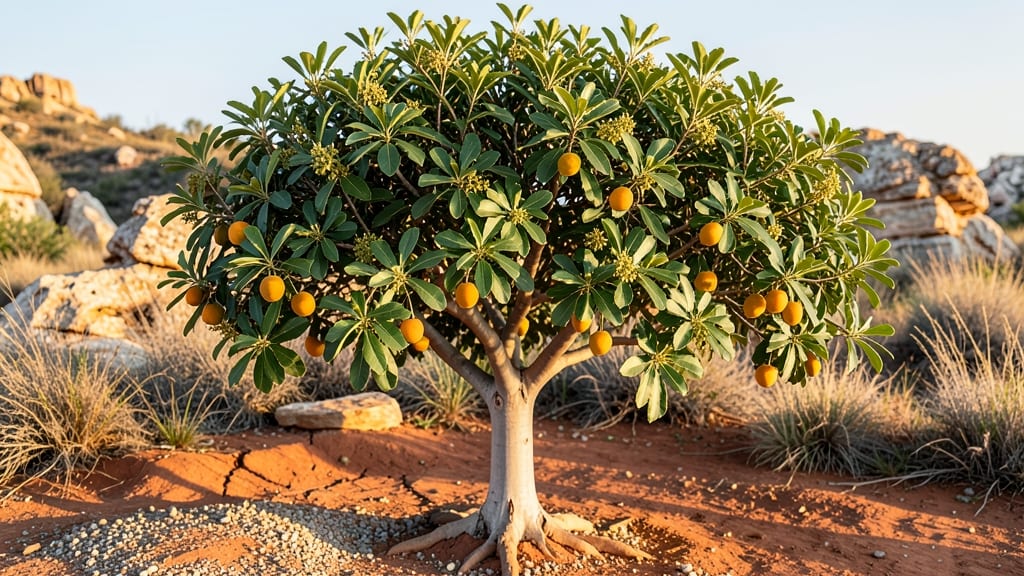
Growing a Texas pear tree (Crateagus texana) means year-round pruning that transforms scraggly branches into a fruit-bearing powerhouse. 🌱 I’ve watched mine go from a tangled mess to producing clusters of sweet, edible pears—all by following a few key cuts at the right times.
The secret isn’t complicated, but timing and technique make all the difference.
This tree thrives in full sun and well-draining soil, which means less fuss than you’d expect. Pruning isn’t just about shaping—it’s about encouraging fruit production, improving airflow, and keeping the tree healthy through Texas’ brutal summers and unpredictable winters.
Even beginners can master this with the right tools and a little patience.
By the end of the season, you’ll have a tree heavy with fruit, fewer pests, and a stronger structure. The pears may be small but pack a sweet, tangy flavor that’s perfect for jams or fresh snacking. Plus, the tree’s native resilience means less work for you once it’s established.
Whether you’re planting a sapling or pruning an established tree, this guide covers everything—from the best time to trim to how to handle pests without chemicals. Let’s get those branches in shape for a harvest you’ll actually enjoy.
📚 In This Guide
- What you need
- Instructions
- Tips and common mistakes
- Wrapping up and next steps
What you need
- ● Pruning shears: Bypass pruners (sharp, 6–8" blades) for clean cuts on small branches.
- ● Loppers: Long-handled (24–36") for thicker branches (½"–1.5" diameter).
- ● Pruning saw: Curved-tooth hand saw for branches over 1.5" thick.
- ● Disinfectant: 70% isopropyl alcohol or bleach solution (1 part bleach : 9 parts water) to sterilize tools between cuts.
- ● Gloves: Heavy-duty, cut-resistant (e.g., leather or reinforced fabric) to protect hands from thorns.
- ● Safety glasses: ANSI-rated to shield eyes from debris.
- ● Ladder or step stool: Sturdy, extendable (10–12 ft tall) for high branches.
- ● Heavy-duty trash bags: 30–50 gallon for collecting pruned branches.
- ○ Permanent marker: Waterproof for marking branches to remove (optional but helpful for planning).
- ● Weather check: Prune on a dry, overcast day (avoid wind or rain).
- ● Tree health assessment: Inspect the tree for diseases (e.g., fire blight) or pests before pruning.
- ○ Optional tools: Pole saw (for very tall trees).
- ● Tree wound dressing (controversial—skip unless treating a large wound).
- ● Hose with nozzle (for rinsing tools post-pruning).
- ● Safety first: Wear closed-toe shoes and avoid working alone if the tree is large.
Step-by-Step guide for pruning your Texas pear tree
Pruning this drought-tolerant native fruit tree isn't just about shaping—it's about unlocking its full potential.
✂️ Step 1: Late Winter Cleanup (Dormant Season)
Start your Texas pear tree's pruning cycle in late February when the tree is fully dormant but before bud break. This is the best time to remove dead, diseased, or crossing branches—they're easy to spot against bare wood. I always begin with these because they compete with healthy growth and invite pests.
Use clean, sharp pruning shears to make cuts just outside the branch collar (the swollen area where the branch meets the trunk). Avoid leaving stubs—they invite decay. For larger branches over ½ inch thick, use a pruning saw and make the cut on the underside of the branch to prevent bark from tearing.
Here's the thing—Texas pear trees are naturally vigorous. You'll want to remove no more than 25% of the tree's canopy in any single pruning session. This prevents stress and maintains fruit production. After cutting, sterilize your tools with rubbing alcohol to prevent spreading any latent diseases.
🌿 Step 2: Summer Light Pruning (After Fruit Set)
Once your tree has finished fruiting in mid-to-late summer, focus on thinning out overcrowded branches and improving air circulation. Look for branches that grow inward or rub against each other—these are prime candidates for removal. I like to do this when the fruit has mostly fallen, so I can see the tree's structure clearly.
For summer pruning, I use bypass pruners for smaller branches and a pruning saw for anything thicker than ¾ inch. Make your cuts at a 45-degree angle just above an outward-facing bud. This encourages new growth to develop in the right direction and improves sunlight penetration to the inner canopy.
Don't skip this step—proper summer pruning prevents fungal diseases like powdery mildew, which loves the humid Texas summers. You'll see healthier foliage and better fruit set next season if you keep the center of the tree open to airflow.
☀️ Step 3: Fall Structural Adjustments (Pre-Winter)
In early fall, before the first hard frost, take time to shape the tree's overall form and prepare it for winter. Focus on removing water sprouts (fast-growing vertical shoots) and any branches that are growing too close to the ground. These adjustments help the tree maintain its energy for next year's fruit production.
Use a hand pruner for branches under ½ inch and a pruning saw for anything thicker. When making cuts, always aim for the branch collar—never leave a stub. For larger branches, I make a second cut about 12 inches away from the first to prevent tearing. This is where I often make mistakes—rushing the second cut can damage the tree's structure.
Fall is also the time to thin out some of the fruit clusters if you notice excessive fruit load. While Texas pears are prolific, too many fruits can stress the tree. Remove about ¼ of the fruit clusters to ensure the remaining fruits grow larger and sweeter.
⏰ Step 4: Ongoing Maintenance (Year-Round)
Between major pruning sessions, keep an eye out for suckers (new shoots growing from the base or roots) and dead branches. Remove these as soon as you spot them—Texas pear trees recover quickly, but neglected growth can become a problem. I check my tree every 2-3 weeks during the growing season to stay on top of small adjustments.
Here's a pro tip: Mark your pruning calendar with three key dates—late winter, mid-summer, and early fall. Consistency is what makes the difference between a tree that produces sporadically and one that gives you reliable, bountiful harvests year after year. Even a small, regular effort keeps the tree healthy and productive.
Finally, don't forget to mulch around the base of the tree after pruning to retain moisture and protect roots. A 2-3 inch layer of organic mulch (like wood chips) helps the tree recover from pruning stress and prepares it for the next growing season.
Tips & tricks for pruning your Texas pear tree
These practical insights will help you transform your pruning routine from basic maintenance to strategic tree care that boosts fruit production.
Timing is Everything: The late February window for Step 1 is non-negotiable—this dormant period ensures your cuts won't trigger new growth that competes with fruit production. If you miss this timing, wait until just before bud break, but never prune when the tree is actively growing. I've seen trees stressed by spring pruning fail to set fruit entirely. For Texas' unpredictable climate, mark your calendar for the first week of February as your absolute deadline.
Tool Precision Matters: I can't stress enough how critical sharp tools are—dull shears tear bark and create wounds that invite disease. For Step 1's larger branches, use a pruning saw with a fine-tooth blade to make clean cuts that heal properly. Pro tip: After each cut, wipe your tools with a damp cloth and sterilize with rubbing alcohol. This prevents cross-contamination between branches, especially important when dealing with potential diseases like fire blight.
Structural Balance Secret: When shaping in Step 3, focus on creating an open center that lets sunlight reach the inner canopy. The 25% canopy rule from Step 1 applies here too—never remove more than this in any single session. I recommend using a string or level to check your tree's balance after major cuts. Uneven pruning can lead to lopsided growth where one side gets more sun and produces better fruit than the other.
Mulching Strategy: That 2-3 inch layer of organic mulch in Step 4 isn't just decorative—it's essential for moisture retention and temperature regulation. Apply it after pruning when roots are exposed from cutting. For Texas' heat, I use cedar mulch which naturally repels pests while breaking down slowly. Just keep it 6 inches away from the trunk to prevent rot. This simple step can improve your tree's resilience during our long, hot summers.
Pro Tips for Texas Pear Tree
- These practical insights will help you transform your pruning routine from basic maintenance to strategic tree care that boosts fruit production.
- Timing is Everything: The late February window for Step 1 is non-negotiable—this dormant period ensures your cuts won't trigger new growth that competes with fruit production.
- Tool Precision Matters: I can't stress enough how critical sharp tools are—dull shears tear bark and create wounds that invite disease.
Frequently asked questions
Got questions about keeping your Texas Pear Tree thriving with year-round pruning? You’re not alone! Here are some of the most common queries—and expert answers—to help you cultivate a healthier, fruit-bearing tree.
When is the best time to prune a Texas Pear Tree?
The ideal time is late winter or early spring (before buds swell) for major pruning. However, light maintenance (removing dead or crossing branches) can be done year-round. Avoid heavy pruning in fall, as it may stimulate new growth vulnerable to cold.
How much can I prune without harming the tree?
Limit pruning to no more than 25% of the canopy per year. Over-pruning stresses the tree and reduces fruit production. Focus on open-center shaping to improve airflow and sunlight exposure, which boosts fruit quality.
Why isn’t my Texas Pear Tree producing fruit?
Common culprits include overcrowded branches (blocking sunlight), poor pruning timing, or nutrient deficiencies. Thin out dense growth, prune in late winter, and fertilize with citrus/pear-specific nutrients in early spring. Patience is key—young trees may take 3–5 years to bear fruit!
Can I prune a Texas Pear Tree in extreme heat or cold?
Avoid pruning during heatwaves (above 90°F) or freezing temps (below 32°F). Stress from pruning in harsh conditions can shock the tree. Opt for mild, dry days in spring or fall for best results.
What are some low-maintenance alternatives to Texas Pear Trees?
If pruning feels overwhelming, consider these drought-tolerant, low-maintenance options:
- Mexican Persimmon (Diospyros texana) – Thrives in heat, minimal pruning needed.
- Eve’s Necklace (Styphnolobium affine) – Ornamental but hardy; prune only to shape.
- Texas Mountain Laurel – Native, fragrant, and nearly pest-free.
Wrapping up and next steps
The Texas Pear Tree is a resilient and rewarding addition to any landscape, and with the right pruning techniques, you can enjoy a year-round harvest of delicious fruit! 🌳 By mastering seasonal pruning—whether it’s winter shaping, summer thinning, or post-harvest cleanup—you’ll encourage stronger growth, better air circulation, and bigger yields.
The key is consistency and patience, but the payoff is worth every snip.
Ready to transform your tree into a fruit-bearing powerhouse? Grab your pruners and start with this seasonal checklist—your future harvest (and neighbors!) will thank you. 🍐✨