
Pruning
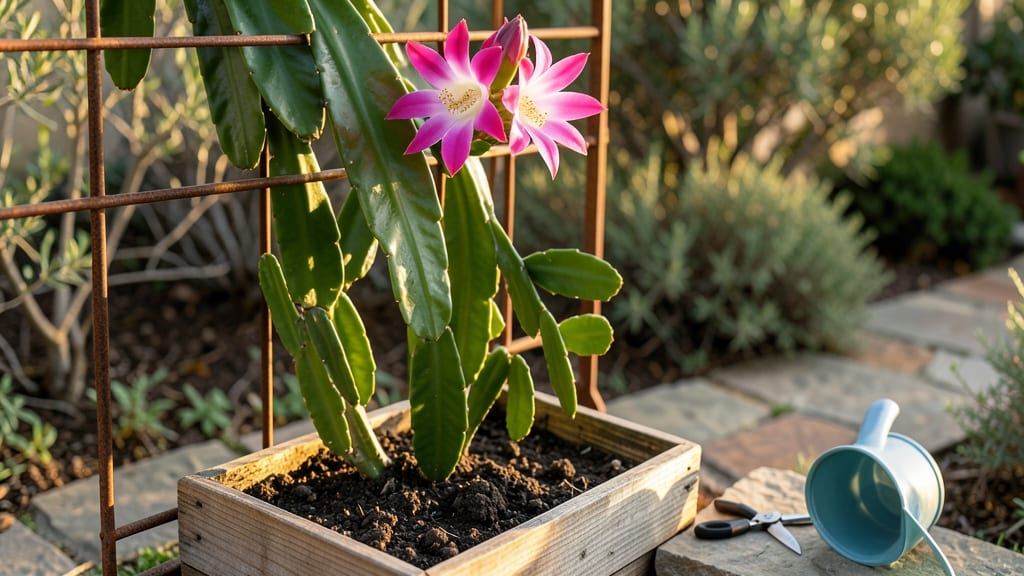
Growing a dragon eye fruit tree (Pouteria campechiana) turns your yard into a living work of art—twisted branches and sweet, custard-like fruit all year. 🌿 I planted mine last spring, and the gnarled wood alone makes it worth the effort, but the harvest?
That's the real magic. These trees thrive in warm climates but adapt surprisingly well with the right care, even in containers for cooler zones.
The secret to success starts with well-draining soil and full sun—at least 6 hours daily. My tree now produces fruit twice a year after just two seasons, and the key was consistent watering without soggy roots.
Pruning isn't just about shaping; it's about encouraging that iconic twisted growth while keeping the tree healthy enough to bear fruit reliably.
You'll end up with a tree that's as rewarding to look at as it is to harvest—imagine plucking fruit straight from the branch whenever you want.
The custard apples are rich, creamy, and perfect for smoothies or eating fresh, but the real win is how the tree transforms your space into a tropical escape, no matter where you live.
Whether you're starting from seed or grafting, the process is simpler than it seems. I'll walk you through everything from soil prep to pest control, so you can grow one that's as productive as it is beautiful. Let's get those roots in the ground!
📚 In This Guide
- What you need
- Instructions
- Tips and common mistakes
- Wrapping up and next steps
What you need
- ● Pruning shears – Sharp, bypass-style shears (for clean cuts on small branches). (1 pair)
- ● Loppers – Heavy-duty, long-handled (for thicker branches, ½"–1" diameter). (1 pair)
- ● Pruning saw – Curved-tooth for large branches (1"–2"+ diameter). (1)
- ● Disinfectant – 70% isopropyl alcohol or hydrogen peroxide (to sterilize tools between cuts). (Small bottle)
- ● Garden gloves – Cut-resistant (to protect hands from thorns and sap). (1 pair)
- ● Rubbing alcohol or bleach solution – (1:9 bleach-to-water ratio) for tool cleaning. (Small container)
- ○ Pruning sealant – Optional but helpful for large cuts (e.g., tree wound dressing). (Small tube)
- ● Know your tree’s age – Young trees (light pruning; mature trees benefit from structured shaping.
- ● Check the season – Best time to prune: Late winter/early spring (before new growth). Avoid pruning during fruit-bearing season.
- ● Weather readiness – Choose a dry, overcast day (humidity slows healing).
- ● Safety first! – Wear closed-toe shoes and avoid pruning near power lines.
- ● Extension pole – For high branches (with loppers or shears attachment).
- ● Tarp or drop cloth – To collect fallen branches/sap.
- ● Labeling tags – If grafting or propagating cuttings (waterproof markers).
- ● Safety glasses – Protects eyes from debris.
Step-by-step instructions for growing a Dragon Eye fruit tree
Here's how to cultivate this stunning, low-maintenance tree that thrives indoors or out.
🌱 Step 1: Select and Prepare Your Planting Site
Dragon Eye fruit trees need bright, indirect light for at least 6 hours daily. Place your tree near an east or south-facing window where it gets morning sun and gentle afternoon light. If growing outdoors in warm climates, choose a spot with partial shade—direct midday sun can scorch the leaves.
For container growing, use a well-draining pot with drainage holes. A 12-18 inch diameter pot works well for young trees, but they’ll outgrow it in a few years. Fill the pot with a mix of 50% potting soil and 50% perlite or coarse sand to prevent root rot. The tree’s twisted wood thrives in slightly acidic soil with a pH between 6.0 and 6.5.
💧 Step 2: Water and Maintain Proper Humidity
Water your Dragon Eye tree when the top 1-2 inches of soil feel dry to the touch. Stick your finger in the soil—if it’s dry past your first knuckle, it’s time to water. Overwatering is the biggest mistake—these trees hate soggy roots. Let excess water drain completely from the pot’s saucer to avoid root rot.
Humidity matters! If your home is dry (common with indoor heating), mist the leaves 2-3 times a week or place the pot on a tray filled with pebbles and water. The tree will thank you with glossy, healthy leaves and more fruit. In winter, keep it away from heat vents, which dry out the air and stress the plant.
☀️ Step 3: Fertilize and Encourage Fruit Production
Feed your Dragon Eye tree every 4-6 weeks during spring and summer with a balanced liquid fertilizer (like 10-10-10) diluted to half strength. This keeps the tree strong and encourages blooming. Stop fertilizing in fall and winter—it’s the tree’s resting period. You’ll notice new growth and buds forming within a month of consistent feeding.
Prune lightly after fruiting to shape the tree and remove any dead or yellowing leaves. Use clean, sharp pruning shears to make cuts just above a leaf node. Avoid heavy pruning—this tree’s twisted branches are its charm, and cutting too much can stress it. If you want more fruit, pinch back new growth in early spring to redirect energy toward flowering.
⏰ Step 4: Protect and Harvest Year-Round
Dragon Eye trees produce fruit year-round in warm climates, but indoors, they’ll slow down in winter. Keep temperatures between 60-80°F—cooler than that, and growth stalls. If you notice buds dropping or leaves yellowing, move the tree to a warmer spot or add a small grow light for 12 hours a day to simulate longer days.
Harvest fruit when it’s fully colored and slightly soft to the touch. Twist gently to remove—it should come off easily without tearing the stem. Store harvested fruit in the fridge for up to 2 weeks or eat fresh. The more you pick, the more the tree will produce. With patience, your twisted wood tree will reward you with sweet, tangy fruit for years!
Tips & tricks for perfect Dragon Eye fruit tree cultivation
Confession: I nearly killed my first Dragon Eye tree by overwatering—don’t make my mistake! These simple tricks will help your twisted wood beauty thrive year after year.
Lighting Strategy: That 6 hours of bright, indirect light is non-negotiable, but here's the thing: east-facing windows are ideal because they provide gentle morning sun without the harsh afternoon heat that can scorch leaves. If you're using grow lights, position them 12-18 inches above the tree for those 12 hours a day of simulated daylight during winter months. Rotate the pot weekly so all sides get even exposure—this prevents lopsided growth and keeps those signature twisted branches developing properly.
Soil Science: The 50/50 mix of potting soil and perlite/sand is crucial for preventing root rot, but here's what nobody tells you—test your soil pH every 6 months. Dragon Eye trees prefer that 6.0-6.5 range, and pH can drift over time. You can adjust it with lime (to raise pH) or sulfur (to lower it). I use a simple pH test kit from the garden center—it's cheaper than guessing and saves you from dealing with yellowing leaves later.
Watering Wisdom: The "finger test" for checking soil moisture works, but I've found a better trick: use a wooden chopstick instead. Insert it into the soil up to your first knuckle and leave it for 10 minutes. If it comes out dry, water thoroughly. This method gives you a more consistent reading than just sticking your finger in. And remember—those 1-2 inches of dry soil at the top is your guide, but always let excess water drain completely from the saucer to prevent root rot.
Fertilizer Timing: The 4-6 week feeding schedule during spring and summer is perfect, but here's my secret: I always fertilize right after watering. This prevents fertilizer burn, which can damage the roots. And if you notice new growth slowing down after a month, it's time to adjust your fertilizer strength—sometimes halving the recommended dose is enough to avoid overfeeding. Stop completely in fall and winter, as the tree needs that rest period to set buds for next year's fruit.
Pro Tips for Dragon Eye Fruit Tree
- Confession: I nearly killed my first Dragon Eye tree by overwatering—don’t make my mistake!
- If you're using grow lights, position them 12-18 inches above the tree for those 12 hours a day of simulated daylight during winter months.
- Soil Science: The 50/50 mix of potting soil and perlite/sand is crucial for preventing root rot, but here's what nobody tells you—test your soil pH every 6 months.
Frequently asked questions
Got questions about growing, pruning, or harvesting your Dragon Eye fruit tree? You're not alone!
Here are answers to the most common queries to help you master this unique, year-round fruit producer.
How long does it take for a Dragon Eye fruit tree to bear fruit?
A young Dragon Eye (Pouteria sapota) tree typically takes 3–5 years to mature enough for fruiting, depending on climate and care. Patience pays off—once established, it rewards you with year-round harvests! For faster results, choose a grafted tree from a nursery, as they may fruit sooner.
When is the best time to prune a Dragon Eye fruit tree?
Prune your Dragon Eye tree during late winter or early spring (before new growth starts) to encourage strong, healthy branches. Avoid heavy pruning in summer, as it stresses the tree. Focus on removing dead, diseased, or crossing branches to improve airflow and fruit production.
Can Dragon Eye fruit trees survive cold weather? What’s the ideal temperature?
Dragon Eye trees thrive in tropical to subtropical climates (USDA Zones 10–11) and struggle below 30°F (-1°C). If you live in cooler areas, grow it in containers and bring it indoors during winter. Young trees are more sensitive—protect them with mulch or frost cloth if temps dip.
What can I do if my Dragon Eye tree isn’t fruiting?
If your tree isn’t producing fruit, check these fixes:
- Age: It may still be too young (3–5 years).
- Pollination: Hand-pollinate with a soft brush if bees aren’t visiting.
- Nutrients: Test soil for potassium and phosphorus—these boost fruiting.
- Pruning: Thin dense branches to improve light exposure.
- Patience: Some trees take longer; consistency in care helps!
Are there dwarf varieties of Dragon Eye fruit trees available?
While true dwarf Dragon Eye trees aren’t common, you can grow them in containers using rootstock grafting or pruning aggressively to control size. Dwarf varieties (like those used for bonsai) exist but are rare—check specialty nurseries or online plant sellers for grafted, compact options.
Why are my Dragon Eye fruits cracking or falling off the tree?
Fruit cracking or dropping often signals irregular watering (too much or too little) or nutrient deficiencies. Keep soil consistently moist but well-drained and fertilize with balanced citrus/pomegranate fertilizer during fruiting season. Avoid over-fertilizing with nitrogen—it prioritizes leaves over fruit!
Wrapping up and next steps
Growing a dragon eye fruit tree is a rewarding journey that combines artistic pruning with delicious, year-round harvests. By mastering the right tools, techniques, and timing—like shaping its twisted branches and ensuring proper airflow—you’ll unlock a thriving, ornamental fruit-bearing wonder.
Whether you’re a seasoned gardener or just starting, the key is patience and passion!
Ready to transform your space? Start small—plant a sapling or prune an existing tree today! Your future harvests (and Instagram-worthy garden) will thank you. 🌱✨