
Pruning
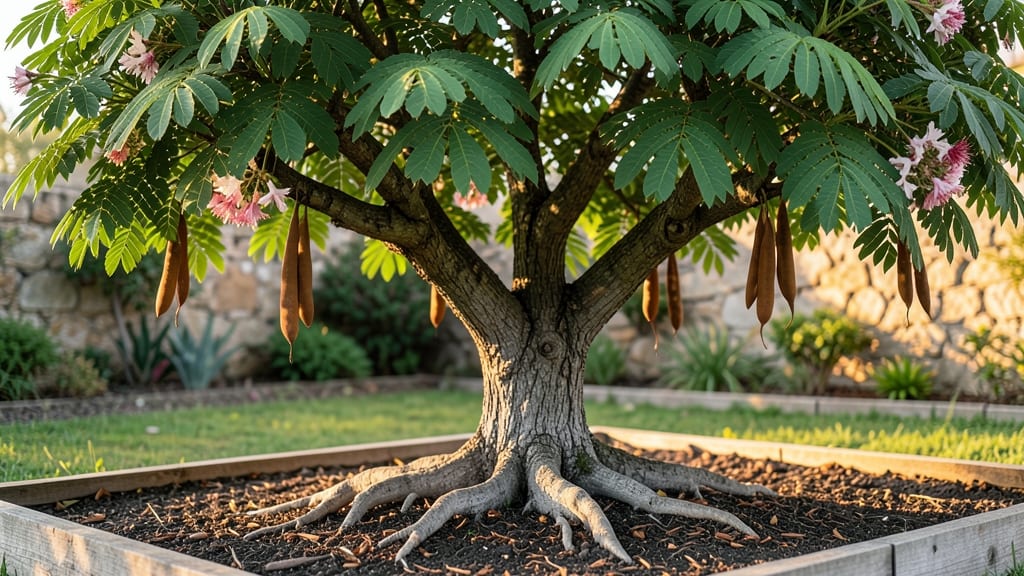
Growing a tamarind tree in Florida isn’t just possible—it’s a tropical dream that thrives in your backyard. 🌿 This fast-growing tree loves the heat, humidity, and long growing season, making it one of Florida’s best non-native fruit producers when given the right care.
The key? Year-round pruning to keep it healthy, productive, and within bounds—because unchecked, it can grow into a 50-foot giant.
The real secret isn’t complicated: well-draining soil, full sun exposure, and consistent watering (but not soggy roots). Florida’s climate gives tamarinds a head start, but you’ll need to watch for pests like scale insects and mealybugs, which love the humidity.
Pruning in late winter and summer keeps the tree manageable while encouraging those sweet, tangy pods that take 3-5 years to produce but are worth the wait.
What you’ll end up with is a shade-giving powerhouse that feeds birds, butterflies, and your family. The glossy leaves stay vibrant year-round, and with the right pruning, you’ll harvest fruit from late summer through winter—just in time for Florida’s cooler months.
Plus, the tree’s fragrant flowers add a tropical touch to any landscape.
Whether you’re planting from a seedling or a nursery tree, Florida’s warm winters mean you can grow tamarinds almost anywhere—just avoid frost pockets. Start small, prune regularly, and in a few years, you’ll have a tree that’s as much a part of Florida’s ecosystem as the native palms.
Let’s get those branches trimmed for maximum fruit and foliage!
📚 In This Guide
- What you need
- Instructions
- Tips and common mistakes
- Wrapping up and next steps
What you need
- ● Pruning shears: Bypass pruners (sharp, clean, and sterilized with rubbing alcohol to prevent disease). Size: 6-8 inches for medium branches.
- ● Loppers: For thicker branches (up to 2 inches in diameter). Look for: Long handles (24-36 inches) for leverage.
- ● Pruning saw: Curved-tooth saw for branches over 2 inches thick. Tip: Choose a foldable model for portability.
- ● Gloves: Heavy-duty, cut-resistant gloves (e.g., mechanics’ gloves or gardening gloves with reinforced palms).
- ● Disinfectant: 70% isopropyl alcohol or a pruning sealant (e.g., Tanglefoot Pruning Seal) to prevent bacterial/fungal spread.
- ○ Ladder (optional but helpful): Extendable aluminum ladder (16-20 feet) if your tree exceeds 10 feet tall. Safety first: Use non-slip pads and a spotter.
- ● Trash bags: Heavy-duty, compostable bags (13-gallon size) for debris. Quantity: 2-3 bags per pruning session.
- ● Watering can or hose: For post-pruning hydration. Tip: Use rainwater if possible—it’s gentler on the tree!
- ● Pruning paint: (e.g., Tree Wound Dressing) to seal large cuts (over ½ inch). Color: Choose a light shade for visibility.
- ● Work gloves with wrist straps: For extra grip and comfort during long sessions.
- ● Safety goggles: To protect against debris (especially if sawing thick branches).
- ● Notebook & pen: To track pruning dates, branch notes, or tree growth patterns.
- ● Mulch: Organic mulch (e.g., pine bark or wood chips) to replenish after pruning. Depth: 2-3 inches around the base (keep 6 inches away from the trunk).
- ● Know your tamarind tree: Identify dead, diseased, or crossing branches before starting. Pro tip: Snap a branch—if it’s brittle or discolored, it’s time to prune!
- ● Timing: Prune in late winter/early spring (February-March) for Florida’s climate. Avoid pruning during flowering or fruiting seasons.
- ● Weather check: Choose a dry, overcast day to minimize stress on the tree. ⚠️ Avoid: Pruning after rain or in extreme heat.
- ● Safety first: Wear closed-toe shoes and avoid pruning near power lines. Florida tip: Watch for gopher tortoises near the base—they’re protected!
Step-by-step pruning guide for tamarind trees in Florida
Here's how to maintain your tamarind tree's health year-round for bountiful fruit and lush growth.
✂️ Step 1: Assess Growth and Identify Pruning Zones
Start by examining your tamarind tree for dead, diseased, or crossing branches. Florida's humid climate accelerates fungal issues, so remove any brown, brittle limbs immediately. Look for branches rubbing against each other—these create wounds that attract pests. I mark these with a small piece of twine before cutting to avoid confusion mid-prune.
Next, identify water sprouts—those fast-growing, vertical shoots that steal energy from fruit production. These are your first targets. Use sharp pruning shears to make clean cuts just above a leaf node where new growth can emerge. The goal is to redirect the tree's energy toward existing branches that already bear fruit pods.
🌿 Step 2: Shape the Tree for Airflow and Sunlight
Tamarind trees thrive in Florida's full sun but need proper airflow to prevent fungal diseases. Step back and visualize the tree's canopy—aim for an open vase shape that allows sunlight to penetrate the lower branches. Start by thinning out the innermost branches that block light from reaching the center.
Remove about 20-30% of the foliage during this phase. Cut back to the nearest outward-facing bud to encourage new growth in the right direction. Avoid heavy pruning in summer—Florida's heat stresses newly exposed wood. Instead, focus on shaping in late winter or early spring when the tree is dormant.
☀️ Step 3: Promote Fruit Production Through Strategic Cuts
The key to tamarind fruit production is balancing vegetative growth and flowering branches. Look for mature branches with fruit pods—these are your priority. Prune back these branches by about one-third to stimulate new flowering shoots. Make cuts just above a set of leaves or a bud that faces outward.
For branches without fruit, cut back to a strong lateral branch or remove entirely if it's weak. The tree will redirect its energy toward more productive growth. Here's the thing—tamarind trees flower on new wood, so pruning in late winter encourages spring blooms. In Florida's mild winters, you might see two flowering cycles per year if conditions are ideal.
🪴 Step 4: Clean Up and Protect the Tree
After pruning, remove all debris from the ground to prevent fungal spores from infecting fresh cuts. Sterilize your pruning tools with a 10% bleach solution between cuts to avoid spreading disease. For larger branches, seal the cuts with pruning sealant to protect against Florida's humidity and pests.
Water the tree deeply after pruning to help it recover. Mulch around the base with 2-3 inches of organic mulch to retain moisture and regulate soil temperature. This step is crucial in Florida's hot summers—it prevents root stress while the tree adjusts to its new shape. Avoid overwatering, though; tamarind trees are drought-tolerant once established.
Tips & tricks for perfect tamarind tree pruning in Florida
Florida's unique climate demands special attention when pruning tamarind trees—here's how to maximize fruit production and foliage health.
Season Timing: Late winter or early spring is ideal for major pruning when the tree is dormant. In Florida's mild winters, you might see two flowering cycles, so avoid heavy pruning during summer months when the tree is already stressed by heat. The goal is to stimulate new growth without shocking the tree—think of it as giving your tamarind a strategic haircut rather than a buzz cut.
Tool Preparation: Sterilize your pruning tools with a 10% bleach solution between cuts to prevent disease spread. Sharp tools make cleaner cuts that heal faster, reducing vulnerability to fungal infections common in Florida's humidity. I always carry a small bottle of rubbing alcohol for quick sterilization between branches, especially when working with multiple trees.
Visual Pruning Cues: When removing 20-30% of foliage in Step 2, look for branches that create dense clusters—these block sunlight and airflow. Imagine you're creating an open vase shape where light can reach the center. For water sprouts, cut just above a leaf node where you can see new growth emerging, typically about 1/4 inch above the bud. This encourages outward growth rather than vertical shooting.
Post-Pruning Recovery: After shaping, water deeply to help the tree recover, but avoid overwatering—tamarind trees are drought-tolerant once established. Apply 2-3 inches of organic mulch to retain moisture and regulate soil temperature, which is especially important during Florida's hot summers. The mulch also prevents weed competition that could stress the tree during recovery.
Pro Tips for Tamarind Tree Florida
- Florida's unique climate demands special attention when pruning tamarind trees—here's how to maximize fruit production and foliage health.
- Season Timing: Late winter or early spring is ideal for major pruning when the tree is dormant.
- Tool Preparation: Sterilize your pruning tools with a 10% bleach solution between cuts to prevent disease spread.
Frequently asked questions
Got questions about growing and pruning tamarind trees in Florida?
You’re not alone! Here are answers to the most common queries—from timing to troubleshooting—to help your tamarind thrive year-round.
When is the best time to prune a tamarind tree in Florida’s climate?
Prune your tamarind tree late winter to early spring (February–March) before new growth begins. Avoid heavy pruning in summer (June–August) to prevent stress, as Florida’s heat and humidity can slow recovery. Light shaping is fine year-round, but major cuts should wait for cooler months.
How do I prune tamarind trees for better fruit production?
Focus on removing dead, diseased, or crossing branches first. To boost fruit, prune to open the canopy for sunlight—aim for a balanced shape with a central leader. Thin out overcrowded pods (leave 1–2 per cluster) to improve size and quality. Avoid over-pruning; tamarinds fruit on older wood.
What should I do if my tamarind tree isn’t fruiting in Florida?
Check these common issues:
- Age: Tamarinds take 3–5 years to bear fruit.
- Sunlight: Ensure it gets 6+ hours of direct sun daily.
- Soil/pH: Test soil—ideal pH is 6.0–7.5. Amend with compost if needed.
- Pollination: Hand-pollinate flowers (use a soft brush) if bees are scarce.
Can I grow a tamarind tree in a pot, or does it need to be planted in the ground?
Yes! Tamarinds thrive in large containers (20+ gallons) for 2–3 years, but they’re long-term ground plants. Use well-draining soil and a pot with drainage holes. Move pots indoors if temps drop below 30°F, as they’re tender to frost. For permanent growth, plant in USDA Zones 10–11.
Why are my tamarind tree’s leaves yellowing or dropping?
Yellowing leaves often signal overwatering, nutrient deficiency, or pests:
- Overwatering: Let soil dry 2–3 inches deep between waterings.
- Nutrients: Apply balanced fertilizer (10-10-10) in spring and summer.
- Pests: Check for aphids, scale, or spider mites. Treat with neem oil or insecticidal soap.
- Fungal issues: Prune affected branches and avoid overhead watering.
Wrapping up and next steps
Growing a tamarind tree in Florida is a rewarding journey that blends tropical beauty with delicious fruit—especially when you master year-round pruning! 🌿 With the right tools, timing, and techniques, your tree can thrive, offering lush foliage and bountiful harvests for years to come. Start small: whether you’re shaping young branches or maintaining mature growth, consistency is key.
Ready to take the next step? Roll up your sleeves and schedule your first pruning session—your tamarind tree (and your taste buds!) will thank you. Happy pruning! 🌟