
Pruning
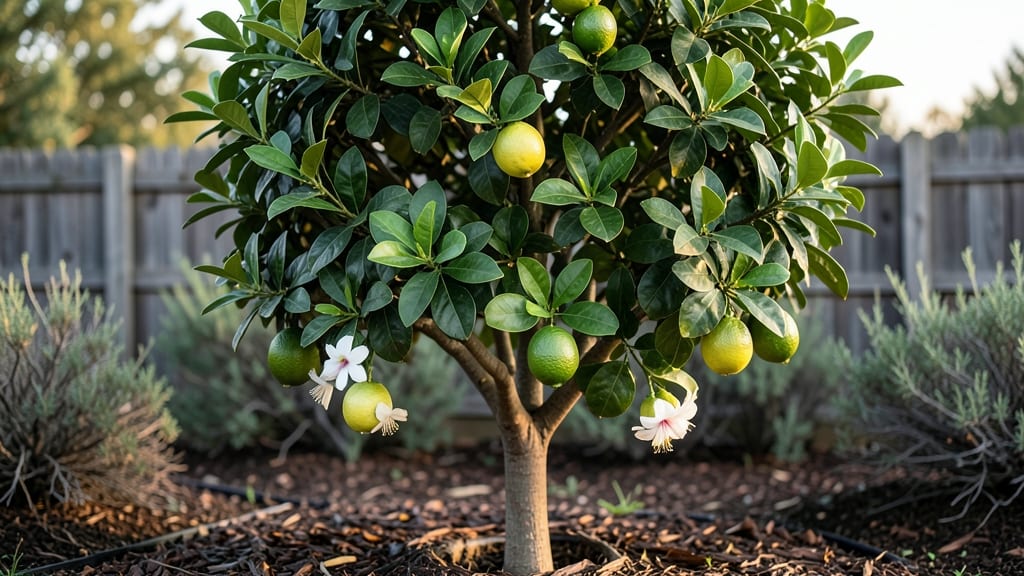
Growing a Tahitian lime tree in the Pacific Northwest feels like bringing a taste of Hawaii to your backyard—though it takes some extra care to pull off. 🌿 These trees thrive in zones 9-11, but with the right protection and techniques, you can coax fruit from them even in cooler climates where frost would normally kill them.
The secret starts with a dwarf variety or container-grown tree, which handles temperature swings better than full-sized specimens. Plant in well-draining soil with plenty of organic matter, and choose a spot where you can move it indoors or under cover when temperatures dip below 30°F.
A greenhouse, garage, or even a sunny indoor space works in a pinch.
By summer, you’ll be rewarded with glossy, fragrant leaves and—if all goes well—sweet, juicy limes that taste nothing like the store-bought versions. The key is consistency: water deeply but let the soil dry slightly between waterings, and fertilize lightly during the growing season to avoid overfeeding.
Patience pays off, though—it can take 2-3 years before your tree bears fruit.
Even if you’re not in the ideal zone, this tropical beauty adds year-round interest with its evergreen foliage and delicate white blossoms. With the right approach, you can enjoy both the ornamental value and the culinary rewards—imagine fresh limeade made from your own harvest!
📚 In This Guide
- What you need
- Instructions
- Tips and common mistakes
- Wrapping up and next steps
What you need
- ● Tahitian lime tree sapling (choose a healthy, disease-free 1-3 year old plant from a reputable nursery).
- ● 5-gallon or larger container (if growing in a pot) with drainage holes, or a well-drained garden bed in USDA Zones 9-11 (or a greenhouse for colder climates).
- ○ High-quality potting mix (well-draining, slightly acidic: pH 6.0-7.0). Optional: Mix in perlite or sand for better aeration.
- ● Slow-release citrus fertilizer (e.g., 6-6-6 NPK ratio) or organic options like composted citrus manure.
- ● Pruning tools: Sharp bypass pruners (for small branches).
- ● Small hand saw (for thicker stems).
- ● Disinfectant (rubbing alcohol or bleach solution) to sterilize tools between cuts.
- ● Mulch (organic, like shredded bark or straw, to retain moisture and regulate soil temp).
- ● Drip irrigation system or watering can (lime trees need consistent moisture but hate soggy roots).
- ● Frost cloth or greenhouse setup (if growing in Zones 8 or below during winter).
- ● Citrus-specific soil amendments (e.g., micronutrient mix for calcium, magnesium, and iron).
- ● Growth regulator (like Paclobutrazol) to promote bushier growth in container plants.
- ● Pollination aid (hand-pollinate flowers with a soft brush if bees are scarce).
- ● Humidity tray (for indoor or greenhouse setups to mimic tropical conditions).
Step-by-Step guide for growing a thriving Tahitian lime tree
Here's how I've successfully cultivated these fragrant citrus trees in cooler climates—with lush foliage and sweet fruit.
🪴 Step 1: Select the Right Container and Soil Mix
Choose a 5-gallon or larger container with drainage holes—tahitian lime trees need room for their extensive root systems. I use a mix of 60% high-quality potting soil, 30% perlite, and 10% compost to ensure excellent drainage while retaining moisture. The roots hate soggy conditions, so this blend prevents rot while keeping the tree hydrated.
Fill the pot halfway with your prepared mix, then tap the container gently on the table to settle the soil. This removes air pockets that could hinder root establishment. The soil should feel like a damp sponge—if it crumbles when squeezed, add a little more water. I always add a slow-release citrus fertilizer at planting time to give the tree a nutrient boost right away.
🌱 Step 2: Plant and Position for Optimal Light
Remove the tree from its nursery pot and gently loosen any circling roots with your fingers—this encourages outward growth. Place the tree in the container so the top of the root ball sits 1 inch below the rim. Fill the remaining space with your soil mix, pressing lightly to eliminate air gaps.
Tahitian lime trees need full sun (6-8 hours daily) to thrive, but in the Pacific Northwest, direct afternoon sun can scorch tender leaves. I position mine near a south-facing window or under a shade cloth (30-50%) during peak summer hours. Watch for leaves turning yellow—this signals too much sun exposure. A grow light on a timer works well if natural light is insufficient.
💧 Step 3: Establish a Watering Routine
Water deeply once a week during the first month, allowing water to run through the drainage holes until it appears in the saucer below. Let the tree sit for 10-15 minutes, then empty the saucer—sitting water causes root rot. After the initial phase, water when the top 2 inches of soil feel dry to the touch, which usually means every 5-7 days in cooler months and every 3-4 days in summer.
I always water in the morning to reduce evaporation and fungal risks. The key is consistency—tahitian lime trees prefer steady moisture over sporadic deep waterings. If the leaves start curling or dropping, you're either overwatering or underwatering. Adjust based on the soil's moisture level, not a rigid schedule.
✂️ Step 4: Prune and Fertilize for Healthy Growth
Prune in early spring before new growth begins, removing any dead or yellowing branches with sterilized pruning shears. Cut just above a leaf node at a 45-degree angle to encourage outward growth. I also trim back any leggy branches to maintain a compact shape—this prevents the tree from becoming top-heavy and improves air circulation.
Feed your tree with a citrus-specific fertilizer every 6-8 weeks during the growing season (spring through fall). I use a balanced 8-8-8 formula diluted to half-strength to avoid burning the roots. Stop fertilizing in late fall to let the tree rest. Watch for new leaves emerging—this tells me the fertilizer is working. If growth stalls, it's time to adjust the feeding schedule.
Tips & tricks for thriving Tahitian lime trees in cool climates
Here's what I've learned after years of growing these tropical beauties in our chilly Pacific Northwest—tricks that make all the difference between a struggling plant and a fruit-bearing powerhouse.
Root Establishment Secret: When filling your 5-gallon container in Step 1, don't just dump the soil mix in all at once. Instead, add it in three layers, tapping the pot firmly between each addition. This creates a solid foundation that prevents the roots from floating in air pockets. I've seen trees with perfect root systems because of this simple step—it's like giving your tree a strong backbone from day one. The 1-inch depth below the rim is critical too; this prevents water from pooling and drowning the roots while allowing room for growth.
Lighting Strategy for Cloudy Days: Tahitian lime trees need that full sun (6-8 hours), but our Pacific Northwest skies often betray us. If you notice leaves yellowing or stretching toward the light in Step 2, supplement with a full-spectrum grow light on a 12-hour timer. Position it 12-18 inches above the tree to mimic natural sunlight intensity. I use a LED grow light because it's energy-efficient and doesn't generate excess heat that could scorch delicate leaves. The shade cloth (30-50%) is your best friend during summer's intense afternoon sun—it protects while still allowing plenty of light through.
Watering Wisdom: The 10-15 minute drain time in Step 3 is non-negotiable. I've learned this the hard way—leaving water sitting in saucers leads to root rot faster than you'd think. But here's the trick: after that initial 10-15 minutes, pour out any remaining water in the saucer. Then, wait another 5 minutes before returning the pot to its saucer. This extra step prevents the roots from sitting in damp conditions overnight. In summer, I actually check the soil moisture with my finger every other day—if the top 2 inches feel dry, it's watering time. The key is consistency; these trees prefer steady hydration over sporadic deep waterings.
Fertilizer Timing: That 6-8 week feeding schedule in Step 4 works wonders, but timing matters. I've found that applying fertilizer right after watering gives the roots time to absorb nutrients without burning. Also, watch the leaves—they're your best indicator. Healthy new growth means you're on track; stalled growth means it's time to adjust. In late fall, I actually reduce the fertilizer to half-strength and stop completely by November. This resting period helps the tree prepare for winter dormancy, which is crucial for our cooler climate.
Pro Tips for Tahitian Lime Tree
- Here's what I've learned after years of growing these tropical beauties in our chilly Pacific Northwest—tricks that make all the difference between a struggling plant and a fruit-bearing powerhouse.
- Root Establishment Secret: When filling your 5-gallon container in Step 1, don't just dump the soil mix in all at once.
- Lighting Strategy for Cloudy Days: Tahitian lime trees need that full sun (6-8 hours), but our Pacific Northwest skies often betray us.
Frequently asked questions
Got questions about growing your own Tahitian lime tree in the Pacific Northwest? Here are some of the most common ones—plus straightforward answers to help you thrive!
Can Tahitian lime trees survive the Pacific Northwest’s cold winters?
Tahitian lime trees (Citrus × latifolia) are tropical and not cold-hardy—they’ll struggle below 25°F (-4°C). In PNW zones (6-9), grow them in containers and move them indoors or to a garage during winter. If left outside, expect leaf drop or death. A greenhouse or heated space is ideal!
How long does it take for a Tahitian lime tree to bear fruit?
Patience is key! With proper care, expect first fruits in 3–5 years for container-grown trees and 5–7 years for those planted in the ground. Young trees focus on root and leaf growth first. Boost fruiting by ensuring full sun (6+ hours/day), regular watering, and balanced fertilizer (like 10-10-10) during spring/summer.
What’s the best way to prune a Tahitian lime tree for fruit production?
Prune in late winter/early spring to shape the tree and encourage airflow. Focus on:
- Removing dead, diseased, or crossing branches first.
- Trimming overly dense growth to let sunlight reach inner limbs.
- Avoid heavy pruning—limit to 20–30% of the canopy to avoid stress.
Why aren’t my Tahitian lime tree’s fruits turning yellow?
Unripe limes stay green for several reasons:
- Insufficient sunlight: Move the tree to a sunnier spot (PNW’s shorter days can slow ripening).
- Nutrient deficiency: Lack of zinc or nitrogen can delay ripening. Test soil and amend with citrus-specific fertilizer.
- Immature tree: Young trees may produce flower buds but drop them—wait until the tree is 3+ years old.
- Pollination issues: Hand-pollinate with a small brush if bees are scarce.
Are there cold-hardy alternatives to Tahitian limes for PNW gardens?
If Tahitian limes are too finicky, try these PNW-friendly citrus relatives:
Variety
Cold Hardiness
Fruit Notes
Kumquat (Fortunella spp.)
15–20°F (-9 to -7°C)
Sweet, edible peel; great for jams or snacking.
Calamondin (Citrus × microcarpa)
20–25°F (-7 to -4°C)
Tart, hybrid orange-lime; used in cocktails.
Meyer Lemon (Citrus × meyeri)
20–25°F (-7 to -4°C)
Sweeter than lemons; thrives in containers.
All can be grown in containers and overwintered indoors if needed!
Wrapping up and next steps
Growing a Tahitian lime tree in the Pacific Northwest is absolutely doable with the right care and patience! 🌱 Whether you’re pruning for shape, health, or fruit production, remember that consistency is key—trim at the right times, use sharp tools, and keep an eye out for pests.
Your tropical green thumb will thank you as you enjoy homegrown limes year after year.
Ready to take the next step? Start small—plant your tree, master basic pruning, and gradually expand your skills. Before you know it, you’ll be harvesting limes like a pro! 🍋✨