Container Gardens
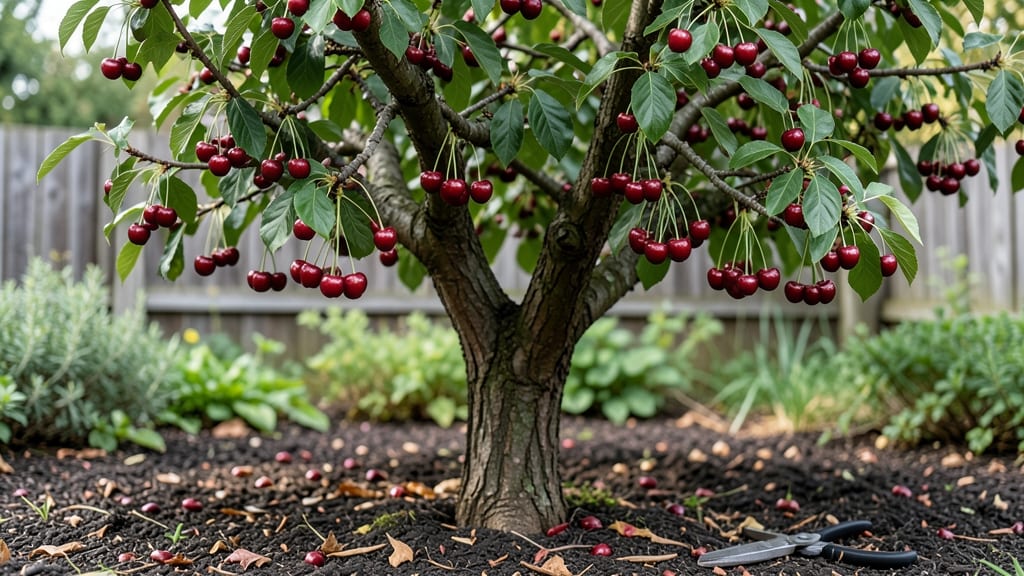
The Bing cherry tree thrives in growing zones 5 through 8, where its sweet-tart fruit flourishes if you choose the right site and variety—just like my zone 6 plant did after last spring’s first harvest. harvest, I realized the key isn’t just the zone number but the microclimate: sheltered from harsh winds, with well-draining soil, and enough winter chill to break dormancy.
The real secret is matching your site to the tree’s needs: full sun for at least 6 hours daily, soil that drains well but holds moisture, and a location where spring frosts won’t catch blossoms.
My tree thrives near the house’s south side, where the masonry wall gives it extra winter protection. You’ll also want to avoid low spots where cold air pools—those can turn your zone 7 spot into a zone 5 disaster.
What you’ll get is a tree that not only survives but produces juicy, deep-red cherries every summer, with minimal fuss. The first harvest will be small, but by year three, you’ll have enough for pies, snacks, and sharing with neighbors.
Just be ready for birds—those critters love Bing cherries almost as much as you will.
For colder edges of zone 5 or hotter parts of zone 8, container growing is a game-changer. A large pot with winter wraps lets you move the tree to shelter during extreme weather.
The trade-off? You’ll need consistent watering and extra fertilizer, but the flexibility makes it worth it for tricky climates.
📚 In This Guide
- What you need
- Instructions
- Tips and common mistakes
- Wrapping up and next steps
What you need
- ● Container: A large, sturdy pot (at least 18-24 inches deep and 24-36 inches wide) with drainage holes. Fiberglass or heavy-duty plastic (5+ gallons) works best.
- ● Bing cherry tree: A dwarf variety (e.g., 'Stella' or 'Lapins') from a nursery—ensure it’s bare-root or potted and 2-3 years old for best results.
- ● High-quality potting mix: A well-draining blend (e.g., 50% potting soil + 30% compost + 20% perlite/sand). Avoid garden soil—it compacts!
- ● Slow-release fertilizer: A balanced 10-10-10 or 20-20-20 formula (follow package rates for container plants).
- ● Mulch: 2-3 inches of wood chips or shredded bark to retain moisture and regulate soil temp.
- ● Garden gloves (to protect your hands from thorns and rough bark).
- ● Trowel or spade (for planting and soil adjustments).
- ● Watering can or hose with a gentle nozzle (cherry trees hate soggy roots!).
- ● Pruning shears (sterilized, for shaping and removing dead branches).
- ○ Support stake or trellis (optional but helpful for young trees in windy zones).
- ● Container saucer or tray (to catch runoff and prevent messes).
- ● Full sun exposure (6+ hours/day)—partial shade may reduce fruit yield.
- ● Protection from strong winds (use a windbreak or place near a wall/fence).
- ● Access to a water source (containers dry out faster than ground soil!).
- ● Cold-hardy zone 5-8 (Bing cherries thrive in temps down to -15°F but need winter protection in zones 5-6).
How to select and plant Bing cherry trees in Zones 5-8
Cold-hardy Bing cherries thrive with the right site selection and planting technique—here's how to set them up for success.
Choose the Right Variety for Your Zone
Bing cherries perform best in USDA Zones 5-8, but not all cultivars handle cold snaps equally. For Zone 5, select self-pollinating varieties like 'Bing' or 'Stella' that tolerate down to -20°F without bud damage. In Zones 6-7, you can plant standard Bing cherries, but add a pollinator like 'Lapins' or 'Van' for better fruit set.
Check your exact microclimate—valleys and low spots collect cold air, while south-facing slopes stay 5-10°F warmer in winter. If your zone borders 4 or 8, opt for dwarf rootstocks—they recover faster from freeze damage. Always verify your zone using the USDA Plant Hardiness Map before purchasing.
Pick the Perfect Planting Location
Bing cherries demand full sun (6-8 hours daily) and well-drained soil—they rot in soggy ground. Scout your yard for spots with south or southwest exposure where the tree gets morning sun and afternoon shade in summer. Avoid areas where lawn sprinklers or gutters dump water near the trunk.
Spacing matters: plant trees 20-25 feet apart for standard sizes or 12-15 feet for dwarf varieties. This prevents fungal diseases from spreading through crowded branches. Dig a hole twice as wide as the root ball but no deeper—you'll see roots fanning out naturally at the original soil level.
Plant at the Right Time and Depth
Spring is ideal for planting Bing cherries—after last frost but before buds swell (typically April-May in Zones 5-8). If you must plant in fall, do it 6-8 weeks before first frost so roots establish before winter. Soak the root ball overnight before removing the tree from its container.
Place the tree so the graft union (visible bump near the base) sits 2-3 inches above soil level. Backfill with native soil mixed with 2 inches of compost—this improves drainage without overwhelming roots. Water deeply until soil 6 inches down feels moist, then mulch with 3 inches of wood chips (keep mulch 6 inches from the trunk to prevent rot).
Water and Protect Young Trees
Newly planted Bing cherries need 1-2 inches of water weekly during the first growing season—more in extreme heat. Water deeply 2-3 times per week until the tree establishes roots (about 2 years). You'll know it's thirsty when leaves curl at the edges or droop slightly in the afternoon.
Protect young trees from late spring frosts (below 28°F) by covering them with frost cloth or a sheet draped over stakes. In winter, wrap the trunk with tree guard to prevent rodent damage and sunscald (bark damage from winter sun). Prune only to remove dead wood in the first year—never shape the canopy.
Monitor for Zone-Specific Challenges
Zone 5 growers face winter injury—watch for blackened buds in early spring. If you see damage, prune back to healthy wood immediately. In Zones 7-8, bacterial canker thrives in humid summers—sterilize pruners with rubbing alcohol between cuts and avoid overhead watering.
Fruit set improves in Zones 6-8 if you thin flowers to 1 inch apart when they're pea-sized. This prevents overcrowded fruit, which leads to small, tart cherries. Harvest Bing cherries when they easily detach with a slight twist—usually late July to early August in your zone.
Tips & tricks for perfect Bing cherry tree planting in cold climates
Here's what nobody tells you about making your Bing cherry trees thrive in Zones 5-8 without common pitfalls.
Variety Selection Matters: In Zone 5, the 'Stella' variety is actually more cold-hardy than standard Bing cherries—it can handle temperatures down to -25°F without bud damage. For Zones 6-8, consider 'Lapins' as a pollinator; it's more disease-resistant than 'Van' in humid summers. I learned this the hard way after losing a tree to winter injury when I didn't verify the exact cultivar's cold tolerance.
Microclimate is Everything: That south-facing slope you're eyeing? It could be 10°F warmer than your yard's average. Use a minimum-maximum thermometer for a week to map your yard's temperature variations. Plant your Bing cherry on the warmest spot you find—it makes all the difference for fruit set in marginal zones like Zone 5 borders.
Planting Depth Secret: The graft union must sit exactly 2-3 inches above soil level—no higher, no lower. I've seen gardeners bury it too deep, which causes the tree to grow multiple trunks. If your soil settles after planting, add more soil to maintain this height. Also, avoid planting in low spots where cold air pools—this is how winter injury starts.
Watering Strategy: Those first two years are critical—your tree needs consistent moisture to establish roots. I set up a drip irrigation system on a timer for 15 minutes every morning and evening during dry spells. The key is keeping the soil consistently moist to 6 inches deep, not just watering when leaves look wilted. This prevents root stress during summer heat waves.
Pro Tips for Bing Cherry Tree Growing Zones
- Here's what nobody tells you about making your Bing cherry trees thrive in Zones 5-8 without common pitfalls.
- Variety Selection Matters: In Zone 5, the 'Stella' variety is actually more cold-hardy than standard Bing cherries—it can handle temperatures down to -25°F without bud damage.
- Microclimate is Everything: That south-facing slope you're eyeing?
Frequently asked questions
Got questions about growing Bing cherry trees in your zone? Here are some of the most common concerns—plus quick answers to help you grow like a pro!
What are the best USDA growing zones for Bing cherries?
The Bing cherry tree thrives in USDA Zones 5-8, where winters are cold (but not extreme) and summers are warm. In colder zones (5-6), choose hardy rootstocks like Mahaleb or Mazzard for better survival. For zones 7-8, ensure good airflow to prevent fungal diseases like brown rot.
When is the best time to plant a Bing cherry tree?
Plant in early spring (after the last frost) or late fall (6-8 weeks before the first frost). Spring planting gives roots time to establish before summer heat, while fall planting lets them settle before winter dormancy. Avoid planting in extreme heat or cold—root shock is a real risk!
How long does it take for a Bing cherry tree to bear fruit?
Patience is key! A Bing cherry tree typically takes 4-6 years to bear fruit after planting, depending on growing conditions, rootstock, and care. Dwarf varieties may fruit slightly sooner, but full-size trees need time to mature. Cross-pollination (planting a second variety nearby) speeds up fruiting—just 15-20 feet apart works.
What pests or diseases should I watch for in Bing cherries?
Common issues include:
- Brown rot (fungus): Remove infected fruit immediately and prune for airflow.
- Cherry fruit flies: Use traps or netting to protect ripening fruit.
- Aphids/spider mites: Spray with water or insecticidal soap early in the season.
- Cracked fruit: Irregular watering (too much or too little) causes splits—keep soil moist but not soggy.
Prevention is easier than treatment—prune regularly and monitor trees weekly!
Can I grow a Bing cherry tree in a container?
Yes, but with limits! Dwarf varieties (like Bing on Mahaleb rootstock) work best in large containers (at least 15-20 gallons). Use well-draining soil, repot every 2-3 years, and move containers to a sunny spot in winter if zone 8+ gets too warm. Container cherries may fruit, but yields will be smaller than in-ground trees.
Wrapping up and next steps
Growing a Bing cherry tree in USDA Zones 5-8 is totally doable with the right prep—whether you’re planting in the ground or a container! 🌱 From choosing cold-hardy varieties to mastering pruning and pest control, you’ve got everything you need to nurture a fruitful tree.
The key is patience and consistency, as these trees thrive with time and care.
Ready to take the next step? Start small: pick your spot, gather your supplies, and plant with confidence! Whether you’re a first-time gardener or a seasoned grower, your Bing cherry tree is waiting for its big break. Happy planting! 🍒✨