
Pruning
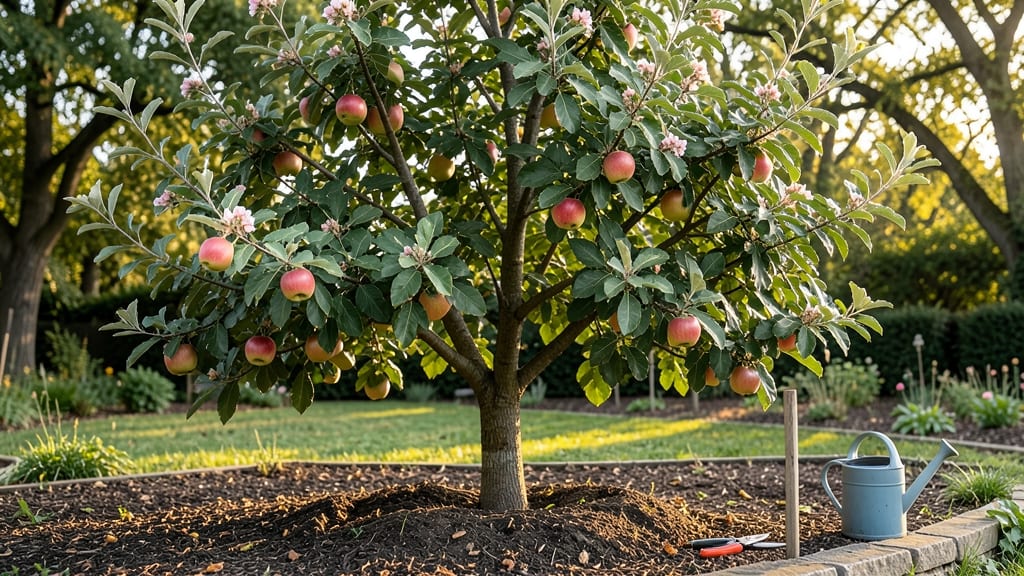
The Stayman Winesap apple tree delivers crisp, tangy-sweet fruit that tastes like autumn in every bite—but only if you give it the right care. I learned that the hard way after my first tree produced tiny, bitter apples because I ignored its specific needs.
This variety thrives with precise pruning, well-drained soil, and consistent watering, but it rewards you with 100-pound harvests when you get it right.
Start with a sunny spot that gets at least 6-8 hours of light daily, and amend heavy clay soil with compost to improve drainage. Stayman Winesaps hate soggy roots, so raised beds or mounded soil work best in wet climates.
The tree needs 1-2 inches of water weekly, but never let it sit in standing water—this is where most growers go wrong. Mulch around the base to lock in moisture and keep weeds at bay.
Pruning in late winter shapes the tree for maximum fruit production, while summer thinning ensures larger, sweeter apples. I’ve seen trees go from sparse branches to heavy-laden boughs just by removing crossing limbs and dead wood.
The first harvest arrives in September-October, and with proper care, this tree keeps producing for decades. The secret? Pay attention to the tree’s signals—yellowing leaves mean it’s thirsty, while cracked bark signals pest trouble.
This variety handles most pests naturally, but watch for codling moths and apple maggots—organic sprays work best. Store harvested fruit in a cool, dark place for 3-4 months to enjoy winter apples.
Whether you’re growing in a backyard or container, Stayman Winesaps deliver reliable harvests with the right approach. Let’s get your tree thriving!
📚 In This Guide
- What you need
- Instructions
- Tips and common mistakes
- Wrapping up and next steps
What you need
- ● Stayman Winesap Apple Tree: A healthy, disease-resistant sapling (bare-root or potted) from a trusted nursery. Choose a size suitable for your space (standard or dwarf).
- ● Pruning Tools: Sharp bypass pruners (for small branches, ¼"–½" cut capacity).
- ● Pruning saw (for thick branches, 1"–2" diameter).
- ● Loppers (for medium branches, ¾"–2" cut capacity).
- ○ Pruning Sealant: Optional but helpful for large cuts (e.g., tree wound paint or pruning paste).
- ● Gloves: Heavy-duty gardening gloves to protect hands from thorns and sap.
- ● Disinfectant: Rubbing alcohol (70%+) or a pruning saw cleaner to sterilize tools between cuts.
- ● Stake & Ties: If planting a young tree, use a 5–6 ft wooden stake and soft tree ties.
- ● Mulch: Organic mulch (e.g., wood chips or straw) to retain moisture and suppress weeds (2–4 inches deep, keep 6" away from trunk).
- ● Watering Can or Hose: With a gentle spray nozzle for hydration.
- ● Fertilizer: Balanced 10-10-10 fertilizer for young trees.
- ● Slow-release organic fertilizer (e.g., compost or manure) for mature trees.
- ● Winter: Frost cloth or tree wrap to protect young bark from sunscald.
- ● Spring/Summer: Pest control (e.g., neem oil, insecticidal soap) if needed.
- ● Fall: Harvest bags or fruit netting to protect apples from pests and birds.
Instructions for planting and maintaining a Stayman Winesap apple tree
Here’s how to get your Stayman Winesap thriving from day one—no guesswork, just proven steps.
Plant in the Right Spot with Proper Soil Prep
Choose a sunny location with at least 6 hours of direct sunlight daily—this variety needs full sun to produce sweet, flavorful fruit. Dig a hole twice as wide as the root ball but only as deep as the container it came in. The tree’s graft union (the bump near the base) should sit 2-3 inches above ground level to prevent rot.
Amend the native soil with 3-4 inches of compost mixed into the bottom of the hole. Stayman Winesaps prefer well-draining, slightly acidic soil (pH 6.0-6.5). If your soil is heavy clay, add a shovelful of perlite or coarse sand to improve drainage. Water the hole thoroughly before planting to settle the soil.
Plant and Stake for Support
Remove the tree from its container and gently loosen the roots if they’re circling. Place it in the hole so the graft union is visible above soil level. Fill the hole with native soil mixed with compost, tamping lightly as you go to eliminate air pockets. Water deeply to help the soil settle around the roots.
Drive a 4-foot stake into the ground 6 inches from the tree’s trunk, angling it slightly away from the prevailing wind. Tie the tree to the stake with soft tree ties (not wire), leaving room for trunk growth. Mulch the base with 2-3 inches of wood chips, keeping it 6 inches away from the trunk to prevent rot. Water again to encourage root establishment.
Water Deeply and Monitor Growth
Water the tree once a week for the first month, delivering 10-15 gallons per watering to encourage deep root growth. After that, water every 10-14 days unless there’s 1 inch of rain, checking that the soil is dry 2-3 inches down before watering again. Overwatering suffocates roots—let the topsoil dry out between waterings.
Fertilize in early spring with a balanced 10-10-10 fertilizer, applying 1 pound per inch of trunk diameter. Spread it in a circle 12 inches from the trunk, then water deeply. Thin out competing weeds within a 3-foot radius to reduce moisture competition. Prune only to remove dead or crossing branches in the first year—let the tree establish its structure naturally.
Winterize and Protect Young Trees
In late fall, apply 4-6 inches of mulch around the base (but not touching the trunk) to insulate roots. Wrap the trunk with tree wrap or burlap if temperatures drop below 15°F to prevent sunscald. Young Stayman Winesaps are susceptible to frost cracks—water deeply before the first hard freeze to help roots absorb moisture.
Prune lightly in late winter (before buds swell) to remove any broken branches. Avoid heavy pruning—this variety produces fruit on older wood, so you’ll want to preserve as much structure as possible. After flowering in early spring, thin out some fruit clusters to 6 inches apart so remaining apples grow larger and sweeter.
Tips & tricks for perfect Stayman Winesap apple tree care
Real talk: The difference between a struggling tree and a fruit-bearing powerhouse often comes down to these small but critical details. Let me save you the headache I went through when my first Stayman Winesap nearly died from well-meaning but misguided care.
Graft Union Placement: That little bump near the base of your tree—the graft union—isn't just decoration. Position it 2-3 inches above ground level in Step 1 to prevent rot. I learned this the hard way after my first tree's graft union sat too low and rotted out completely. If you're unsure, take a photo of your tree before planting so you can reference it later.
Staking Strategy: When you're driving that 4-foot stake in Step 2, angle it slightly away from the prevailing wind. This prevents the tree from leaning into the wind over time, which can stress the trunk. I used to drive stakes straight up, and my trees would always grow crooked. Also, leave room for the trunk to grow—tight ties will strangle it as it thickens.
Watering Wisdom: Those 10-15 gallons per week in Step 3 might seem like a lot, but it's crucial for deep root growth. I used to water lightly every few days, thinking more frequent watering was better. Instead, I was encouraging shallow roots that can't support the tree long-term. Water deeply but infrequently—this mimics natural rainfall patterns and builds strong root systems.
Frost Protection: The 15°F threshold in Step 4 is critical. If you're in a region with colder winters, consider adding extra protection like a tree blanket or even wrapping the trunk with bubble wrap. I've seen frost cracks split trunks wide open when temperatures drop suddenly. Watering deeply before the first hard freeze helps too—it gives roots a moisture reserve to draw on during cold snaps.
Pro Tips for Stayman Winesap Apple Tree
- Real talk: The difference between a struggling tree and a fruit-bearing powerhouse often comes down to these small but critical details.
- Graft Union Placement: That little bump near the base of your tree—the graft union—isn't just decoration.
- Staking Strategy: When you're driving that 4-foot stake in Step 2, angle it slightly away from the prevailing wind.
Frequently asked questions
Got questions about growing a Stayman Winesap apple tree? You’re not alone! This classic variety is beloved for its sweet-tart flavor and disease resistance, but it does require some know-how. Below, we’ve answered the most common questions to help you nurture a thriving tree and enjoy a bountiful harvest year after year.
What’s the best time of year to prune a Stayman Winesap apple tree?
The ideal time to prune is late winter or early spring (just before buds swell) to encourage strong growth and fruit production. Avoid pruning in fall, as wounds may not heal before winter. For minimal pruning (like removing dead branches), summer is fine—but focus on shaping and thinning in dormant season for best results.
How often should I fertilize my Stayman Winesap apple tree?
Fertilize twice a year: once in early spring (just after pruning) and again in late spring/early summer. Use a balanced 10-10-10 or organic compost to avoid overfeeding. Young trees (under 3 years) need lighter applications—follow package guidelines. Pro tip: Test soil pH (6.0–6.5 is ideal) before fertilizing!
What pests or diseases should I watch for with Stayman Winesap?
This variety is disease-resistant, but it can still face apple maggots, codling moths, or powdery mildew in humid climates. Monitor leaves/fruit for holes or white residue. Use neem oil or insecticidal soap for mild infestations. Prune for airflow to prevent fungal issues—prevention is key!
How long does it take for a Stayman Winesap tree to bear fruit?
With proper care, expect first fruit in 3–5 years (dwarf trees may bear sooner). Young trees need patience—focus on pruning, watering, and fertilizing to build a strong structure. Once established, they produce heavy, reliable crops for decades!
Can I grow Stayman Winesap in containers, or does it need a yard?
While possible in large containers (20+ gallons), this tree thrives best in full sun with deep soil. Containers limit root growth, reducing harvest size. If space is tight, choose a dwarf or semi-dwarf grafted tree and ensure the pot drains well. Note: Potted trees need more frequent watering and winter protection.
Why are my Stayman Winesap apples small or misshapen?
Small/misshapen fruit often signals overcrowding, poor pollination, or nutrient deficiencies. Thin fruit clusters in spring to 6–8 inches apart, ensure cross-pollination (plant a compatible variety nearby), and check soil fertility. Pro tip: Irregular watering can also cause uneven growth—keep soil consistently moist (not soggy).
Wrapping up and next steps
Growing a Stayman Winesap apple tree is a rewarding journey that combines patience, skill, and a little love for nature’s finest fruit! 🍏 With the right pruning techniques, soil care, and seasonal attention, you’ll soon enjoy a bountiful harvest of sweet, crisp apples year after year.
Remember, consistency is key—whether it’s shaping your tree in winter or protecting it from pests in summer.
Ready to take the next step? Start by marking your calendar for this year’s pruning season and gather your tools. Then, share your progress with fellow gardening enthusiasts or even local orchard communities for tips and inspiration. Here’s to a fruitful future—your Stayman Winesap tree is counting on you!