
Pruning
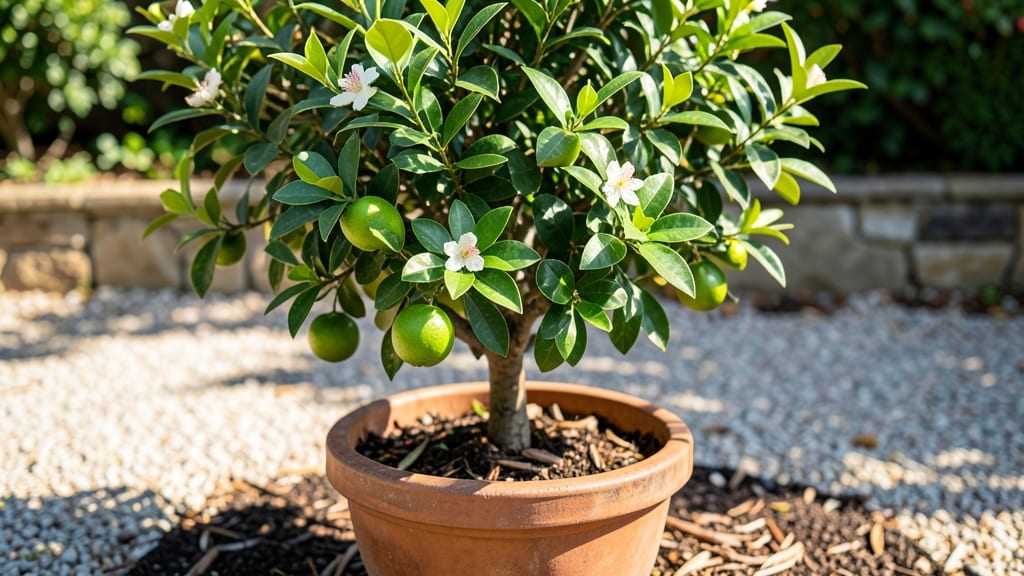
Growing a mini orange tree indoors means fresh citrus year-round, and I’ve finally cracked the code after years of struggling with leaf drop and tiny, bitter fruit. 🌱 The secret isn’t just sunlight—it’s understanding how these dwarf varieties (like Calamondin or Meyer lemon-orange hybrids) thrive in containers, even in apartments.
My tree now produces dozens of tiny oranges by winter, and the process is simpler than you’d think.
You’ll need a 5-gallon container with drainage, well-draining potting mix, and a south-facing window or grow light. Water when the top inch of soil feels dry, but never let it sit in soggy soil—that’s how root rot starts.
Prune in late winter to shape the tree and encourage new growth, and fertilize lightly every 4-6 weeks during growing season. The key? Mimicking their natural Mediterranean climate indoors.
By summer, you’ll see glossy new leaves and tiny blossoms that turn into sweet, fragrant fruit by fall. The tree stays compact (under 4 feet tall), making it perfect for kitchens or patios.
Even if you’ve killed houseplants before, this one’s forgiving—just watch for spider mites and overwatering. The first harvest is magical, and once you taste homegrown citrus, you’ll never buy store-bought again.
Works year-round in containers, whether you’re in a sunny apartment or a cold climate. Here’s how to keep yours thriving through every season without the guesswork.
📚 In This Guide
- What you need
- Instructions
- Tips and common mistakes
- Wrapping up and next steps
What you need
- ● Mini orange tree (Citrus × aurantium or Citrus sinensis) – Choose a dwarf variety (e.g., 'Calamondin' or 'Improved Meyer Lemon'). Ensure it’s potted or ready for transplanting.
- ● Well-draining potting mix – A blend of cactus/succulent mix (60%), perlite or pumice (20%), and compost or worm castings (20%). Avoid heavy garden soil.
- ● Pot with drainage holes – 5-7 gallons for mature trees (or 1-3 gallons for young seedlings). Terracotta or fabric pots work best.
- ● Citrus-specific fertilizer – Look for a balanced NPK (e.g., 6-6-6 or 8-3-9) with micronutrients like iron and zinc. Organic options (fish emulsion, seaweed extract) are ideal.
- ● Pruning shears – Bypass pruners (sharp, clean, and sterilized with rubbing alcohol) for clean cuts.
- ● Gloves – Nitrile or leather gloves to protect against sap (which can irritate skin).
- ● Spray bottle – For misting leaves (especially in dry climates).
- ● Hose or watering can with a fine rose attachment – Ensures gentle, thorough watering.
- ○ Sunlight meter (optional but helpful) – To monitor light exposure (ideal: 6-8 hours of direct sun daily).
- ● Grow lights – LED full-spectrum bulbs for supplementing light in low-sun areas.
- ● Humidity tray or pebble tray – Elevates moisture levels in dry indoor environments.
- ● Citrus food or Epsom salt – For magnesium boosts (mix 1 tbsp Epsom salt per gallon of water monthly).
- ● Root stimulator – Like mycorrhizal fungi or hydrogel crystals for transplanting.
- ● Pest control tools – Neem oil, insecticidal soap, or sticky traps for aphids/spider mites.
- ● Support stake or trellis – For heavier fruit-laden branches (bamboo or metal stakes work well).
Step-by-Step guide for growing a thriving mini orange tree
Here's how to nurture your dwarf citrus tree into a fruit-bearing beauty.
🌱 Step 1: Choose the Right Location and Container
Select a 6-8 inch diameter pot with drainage holes for your mini orange tree—these trees thrive in slightly root-bound conditions but need escape routes for excess water. I use a terra cotta pot because it breathes and helps regulate soil moisture, which is crucial for citrus. Place it near a south-facing window where it can bask in 6-8 hours of direct sunlight daily.
If natural light is insufficient, supplement with a grow light positioned 12-18 inches above the tree. You'll notice the leaves darken and grow smaller if light is inadequate—this is your cue to adjust. During winter, when daylight shortens, extend light exposure to 10-12 hours to maintain healthy growth. Avoid drafts and temperature swings; citrus prefers steady conditions between 60-75°F.
💧 Step 2: Master the Watering Routine
Water your mini orange tree deeply once a week during the growing season, allowing the top 2-3 inches of soil to dry out between waterings. Stick your finger into the soil—if it feels dry at that depth, it's time to water. Overwatering is the #1 killer of citrus trees; soggy soil leads to root rot and yellowing leaves. In winter, reduce watering to every 10-14 days as growth slows.
Use room-temperature water to avoid shocking the roots. I like to water in the morning so any excess moisture evaporates during the day. If you notice the leaves curling or dropping, you're likely overwatering. Let the soil dry out more between waterings until you find the right balance—your tree will reward you with glossy, vibrant foliage.
☀️ Step 3: Fertilize for Fruit Production
Feed your mini orange tree monthly during spring and summer with a balanced citrus fertilizer (look for one with equal NPK ratios like 6-6-6). I use half-strength applications to avoid burning the roots. Start fertilizing in early spring when new growth appears and continue until late summer. In fall and winter, switch to a low-nitrogen, high-potassium fertilizer to support fruit development and prepare the tree for dormancy.
You'll see the difference within weeks—thicker stems, darker green leaves, and eventually, those coveted tiny blossoms. If you skip fertilizing, the tree may grow slowly or produce no fruit. Here's the thing—citrus trees are heavy feeders, but they hate salt buildup. Always water thoroughly after fertilizing to leach out excess salts. If the soil crusts on top or white residue appears, flush the pot with water immediately.
✂️ Step 4: Prune for Shape and Health
Prune your mini orange tree after flowering (late spring) to shape it and encourage bushier growth. Use clean, sharp pruning shears to make cuts just above a leaf node or outward-facing bud. Remove any dead, diseased, or crossing branches first—these compete with healthy growth for resources. I aim to keep the tree compact and rounded, which maximizes sunlight exposure to all branches.
Don't over-prune; remove no more than 25% of the foliage at a time. If you cut too aggressively, the tree may struggle to recover. You'll notice new shoots emerging within 2-3 weeks—this is a sign you've pruned correctly. Always sterilize your shears with rubbing alcohol between cuts to prevent spreading disease. Pruning also improves air circulation, which reduces humidity around the leaves and helps prevent fungal issues.
🌿 Step 5: Encourage Flowering and Fruit Set
To trigger flowering, your mini orange tree needs cool nights (55-60°F) and warm days (70-80°F)—this temperature contrast mimics its natural tropical environment. If your home stays too warm year-round, move the tree outside during spring and fall for a few hours daily to help it recognize seasonal changes. I place mine on a shaded patio where it gets morning sun and afternoon shade, which prevents leaf scorch while still allowing for temperature variation.
Once flowers appear, hand-pollinate them by gently shaking the branches to distribute pollen. You'll see tiny green fruits form within 2-3 months. If you notice flowers dropping without setting fruit, it's often due to low humidity, poor pollination, or inconsistent watering. To boost humidity, place the pot on a tray of pebbles with water (ensure the pot doesn't sit in standing water). Mist the leaves lightly in the morning, but avoid wetting the flowers—this can cause them to rot.
Tips & tricks for perfect mini orange tree care
Real talk: The difference between a thriving mini orange tree and a struggling one often comes down to these small but critical details.
Lighting Strategy: That 6-8 hours of daily sunlight in Step 1 is non-negotiable, but here's the thing—south-facing windows vary dramatically. If your tree's leaves start looking pale or stretched, you're dealing with light deprivation. I've found that rotating the pot quarter-turn weekly ensures even growth toward the light source. For indoor growers, LED grow lights with a full-spectrum setting positioned exactly 12-18 inches above the tree can replicate natural light perfectly when daylight is insufficient.
Watering Wisdom: The "top 2-3 inches dry" rule in Step 2 is your golden standard, but citrus trees have a sneaky way of fooling you. Use a moisture meter for accuracy—these $10 tools save trees by preventing both underwatering and overwatering. I've learned the hard way that terra cotta pots dry out faster than plastic, so adjust your watering schedule accordingly. Pro tip: Water until you see moisture running from the drainage holes, then wait until the soil is bone-dry at that 2-3 inch depth before watering again.
Fertilizer Fine-Tuning: That monthly spring/summer feeding schedule in Step 3 works wonders, but here's what nobody tells you—citrus trees develop a taste for consistency. I've found that alternating between liquid and slow-release granules every other month prevents nutrient lockout. For the half-strength applications, I mix my fertilizer with double the water rather than using concentrated solutions. This prevents salt buildup while still delivering the nutrients your tree craves.
Seasonal Transition: The temperature contrast mentioned in Step 5 is crucial, but creating it indoors requires strategy. Place your tree near a cool window at night (55-60°F) and move it to a warmer spot during the day (70-80°F). I use a small fan on low setting** near the tree at night to simulate cool breezes. This mimics the natural temperature fluctuations that trigger flowering. For winter care, group your citrus trees together to create a microclimate that maintains more stable humidity levels.
Pro Tips for Mini Orange Tree
- Real talk: The difference between a thriving mini orange tree and a struggling one often comes down to these small but critical details.
- Lighting Strategy: That 6-8 hours of daily sunlight in Step 1 is non-negotiable, but here's the thing—south-facing windows vary dramatically.
- Watering Wisdom: The "top 2-3 inches dry" rule in Step 2 is your golden standard, but citrus trees have a sneaky way of fooling you.
Frequently asked questions
Got questions about keeping your mini orange tree thriving and fruiting? You’re not alone! Here are some of the most common concerns—and their solutions—to help you grow a happy, productive little citrus tree.
How often should I prune my mini orange tree for best fruit production?
Prune your mini orange tree lightly 2–3 times a year: spring (to shape and encourage growth), summer (after fruiting to remove dead wood), and late winter (for major structural cuts). Avoid heavy pruning in fall—it stresses the tree and delays fruiting. See our pruning guide for step-by-step tips!
Can a mini orange tree survive indoors year-round, or does it need outdoor time?
While mini orange trees can thrive indoors, they need 6+ hours of sunlight daily and fresh air. Place them near a south-facing window or use a grow light. For outdoor exposure, move them outside in spring/summer (acclimate slowly to avoid shock) and bring them back indoors before temps drop below 40°F (4°C).
Why isn’t my mini orange tree producing fruit? Troubleshooting tips?
No fruit? Check these common issues:
- Age: Trees need 2–3 years to mature and fruit.
- Light: Insufficient sunlight (especially in winter) stalls blooming.
- Pollination: Hand-pollinate with a small brush if indoors.
- Nutrients: Feed with a citrus-specific fertilizer every 2–3 months.
- Stress: Overwatering, drafts, or sudden temperature swings can cause bud drop.
Pro tip: If your tree blooms but drops flowers, it may need more phosphorus (look for a 10-20-10 fertilizer).
What’s the best alternative if I can’t grow a mini orange tree?
If space or climate is a challenge, try these low-maintenance citrus alternatives:
- Dwarf Meyer lemon – Hardier, faster fruiting, and more forgiving.
- Calamondin orange – Compact, fragrant, and thrives in containers.
- Kumquat – Tiny, sweet, and cold-tolerant (down to 15°F (-9°C)).
- Herbs like lemon verbena – Adds citrusy flavor without fruit (great for cooking!).
All can be grown in pots with similar care!
My mini orange tree’s leaves are yellowing—what’s wrong?
Yellow leaves usually mean overwatering or nutrient deficiency. Fix it by:
- Watering: Let the top 1–2 inches of soil dry out between waterings.
- Drainage: Ensure the pot has holes and use well-draining soil.
- Fertilizer: Switch to a balanced citrus fertilizer (e.g., 6-6-6) and apply every 4–6 weeks in growing season.
- Temperature: Drafts or cold spots can cause stress—keep temps 60–80°F (15–27°C).
If only new leaves are yellow, it’s likely a zinc or iron deficiency—use a chelated micronutrient spray.
Wrapping up and next steps
Growing a mini orange tree is a rewarding journey that brings joy, fresh air, and delicious fruit right to your doorstep—literally! With the right pruning techniques, sunlight, and care, your little citrus tree can thrive year-round and even produce sweet, homegrown oranges. 🌱✨
Now that you’re armed with the knowledge to prune, nurture, and troubleshoot, it’s time to roll up your sleeves and get hands-on. Start by observing your tree’s growth and adjusting your care routine as needed—your citrus companion will thank you with vibrant leaves and juicy rewards! 🍊💚