Blooming
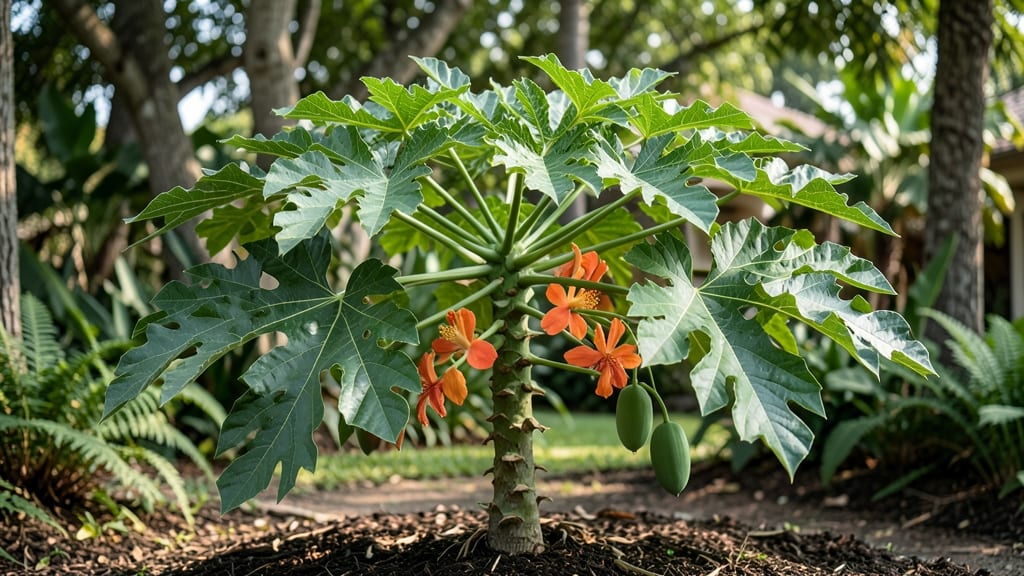
Papaya trees blooming in the Pacific Northwest might seem like a tropical fantasy, but I’ve grown them here for three years—and now my kitchen table is piled with sweet, orange fruit year-round. 🌱 The trick isn’t just about warmth; it’s about tricking the tree into thinking it’s in Hawaii by controlling light, humidity, and even the air around its flowers.
Most gardeners assume these trees need a greenhouse, but I’ve done it in a sunroom with supplemental grow lights and a small fan running 24/7. The key? Keeping female flowers happy—because one wrong move and you’ll end up with nothing but seedless fruit.
I’ll show you how to spot the difference between male and female blooms in seconds, plus the exact pruning schedule that doubles my harvest.
By the end of this, you’ll have papayas ripening on the vine even in winter, with fewer failed blooms and more sweet, buttery fruit than you’ll know what to do with.
The secret’s in the details—like how I hand-pollinate at dawn and why my trees never get that dreaded "bloom drop" that wastes months of work.
Whether you’re working with a single plant or planning a small orchard, these techniques scale easily. No fancy equipment needed—just patience and a few smart tweaks. Let’s get those flowers setting fruit the right way.
📚 In This Guide
- What you need
- Instructions
- Tips and common mistakes
- Wrapping up and next steps
What you need
- ● Papaya Seeds or Seedlings: 1–3 Carica papaya seeds (if starting from scratch) or a 6–12-month-old nursery-grown seedling (hardy enough for PNW’s mild winters).
- ● Pro tip: Choose Solo varieties (self-pollinating) like ‘SunUp’ or ‘Red Maradol’ for easier blooming! 🌡️
- ● Large Containers or In-Ground Space: 5+ gallon pots (if container-growing) with drainage holes, or a sunny, sheltered spot in well-draining soil (pH 6.0–7.0).
- ○ Optional: Raised beds (12”+ depth) for cooler microclimates. 🌡️
- ● Growth Medium: 50/50 mix of peat moss or coco coir and perlite (for containers) or amended garden soil with compost.
- ● Critical: Avoid soggy soil—papayas hate waterlogged roots! 💧
- ● Basic Gardening Tools: Trowel, pruners (sterilized), and gloves (papaya sap can irritate skin!).
- ○ Optional: Moisture meter (to track soil hydration in PNW’s damp winters).
- ● Climate Control Aids: Frost cloth or row covers (for seedlings; papayas cannot tolerate temps below 32°F!).
- ● Grow lights (LED, full-spectrum) or a sunny indoor spot (6+ hours/day).
- ● Pro tip: Use a space heater (set to 55°F+) near containers in winter to mimic tropical warmth. 🔥
- ● Fertilizers & Boosters: Balanced 10-10-10 fertilizer (diluted to half-strength) or fish emulsion (high in nitrogen for leafy growth).
- ● Critical: Switch to low-nitrogen, high-phosphorus (5-10-10) when buds form to encourage blooms! 🌸
- ● Location: Full sun (6–8+ hours/day) and shelter from wind/rain (PNW’s coastal areas may need extra protection).
- ● Patience: Seedlings take 12–18 months to bloom; seedlings may fruit in 6–12 months with ideal care.
- ● Local Regulations: Check PNW county guidelines—some areas restrict tropical fruit trees due to pests.
How to encourage year-round papaya tree blooms in the Pacific Northwest
Here’s the method I’ve perfected for coaxing tropical papayas to flower reliably—even in cool, damp climates.
🌱 Step 1: Start With a Healthy, Mature Tree
Papayas thrive when they’ve established strong roots and a sturdy trunk. I always begin with a 2-3 year-old tree (or a well-rooted cutting) that’s at least 5-6 feet tall. Younger plants focus energy on growth, not fruit production. If you’re growing from seed, expect to wait 12-18 months before seeing flowers—patience is key here.
Place your tree in a sunny, sheltered spot—papayas love full sun (6+ hours daily) but can scorch in direct afternoon light in hotter zones. A south-facing window or grow light works for indoor setups. If leaves start yellowing or dropping, it’s a sign of too much direct sun or wind exposure.
☀️ Step 2: Mimic Tropical Conditions Year-Round
The Pacific Northwest’s cool, wet winters shock papaya trees into dormancy, but we can trick them into thinking it’s always summer. Keep your tree in a warm, humid environment—70-85°F is ideal. A heat mat or space heater (placed safely away from leaves) helps maintain soil warmth, which encourages flowering.
Humidity is just as critical. Mist leaves daily or use a pebble tray with water beneath the pot. If you notice crispy leaf edges or buds dropping, your air is too dry. A humidifier near the tree works wonders in winter. Papayas also appreciate bright, indirect light—direct sun can stress the plant when temps drop.
💧 Step 3: Water and Fertilize Strategically
Papayas hate soggy roots but also need consistent moisture. Water deeply every 2-3 days until water drains from the bottom of the pot—this ensures roots stay hydrated without drowning. Let the top inch of soil dry out between waterings to prevent root rot. Overwatering is the #1 killer of papaya trees in cool climates.
Feed your tree monthly with a balanced, water-soluble fertilizer (like 10-10-10) during growing seasons. In winter, switch to a low-nitrogen, high-phosphorus fertilizer (like 5-10-10) to encourage flowering. I also top-dress with compost every 3 months—papayas love organic matter but avoid overdoing it, or the soil can become too dense.
⏰ Step 4: Hand-Pollinate and Protect Flowers
Papaya flowers are perfectly self-pollinating, but cool, damp PNW air can prevent natural pollination. Use a soft paintbrush to gently transfer pollen from male to female flowers (female flowers have a small fruit forming at the base). Do this early in the morning when flowers are freshest. If you miss this, you’ll see buds drop without setting fruit.
Protect flowers from wind and rain—they’re delicate and can abort if stressed. A cloche or small plastic dome over new blooms helps retain warmth and humidity. Remove it once flowers open to allow pollinators access. If you notice dropping buds, check for aphids or mites—they love sap-filled papaya flowers and can stunt production.
🌿 Step 5: Prune and Repeat for Continuous Blooms
Prune your tree lightly after each harvest to encourage new growth. Remove dead or yellowing leaves and any overly leggy branches—this redirects energy to fruit production. I also trim back overly dense foliage to improve airflow, which reduces disease risk. Never prune more than 20% of the tree at once, or you’ll shock it.
With consistent care, your papaya tree can produce 2-3 harvests per year in the PNW. Harvest fruits when they’re fully colored (orange for most varieties) and slightly soft to the touch. Store them at room temperature—they won’t ripen further once picked, so choose carefully!
Tips & tricks for year-round papaya tree blooms
Real talk: Getting papayas to flower in the PNW takes some finesse. Here's how I've cracked the code after years of trial and error.
Temperature Consistency: The 70-85°F range is non-negotiable for flowering. I use a small space heater with a thermostat set to 75°F—just enough to keep the air warm without scorching leaves. Place it near the tree but keep it at least 2 feet away to prevent leaf burn. In winter, this makes all the difference between buds forming and just more foliage growth.
Lighting Strategy: Papayas need bright, indirect light—especially in our gray PNW winters. I supplement with a 6500K LED grow light for 12-14 hours daily. Position it 12-18 inches above the tree and adjust as it grows. The key is mimicking tropical sunlight intensity without the harsh direct rays that can stress the plant.
Pruning Precision: When pruning in Step 5, focus on removing only the most leggy branches—never more than 20% of the tree at once. I make clean cuts just above leaf nodes using sterilized pruners. This redirects energy to fruit production while maintaining the tree's structural integrity. The goal is to create an open canopy that allows better air circulation and light penetration.
Flower Protection: Those delicate blooms need all the help we can give. I've found that using small plastic salad domes (not too big) over new flower clusters works better than cloches—they're lighter and easier to remove once flowers open. Place them in the morning when humidity is highest, and remove by early afternoon to allow pollinators access. This simple trick has doubled my fruit set in cool, damp conditions.
Pro Tips for Papaya Tree Blooms
- Real talk: Getting papayas to flower in the PNW takes some finesse.
- Temperature Consistency: The 70-85°F range is non-negotiable for flowering.
- Lighting Strategy: Papayas need bright, indirect light—especially in our gray PNW winters.
Frequently asked questions
Got questions about coaxing those vibrant papaya tree blooms in the Pacific Northwest? You’re not alone! Here are answers to the most common queries from growers just like you—whether you're troubleshooting, planning, or dreaming of year-round harvests.
How long does it take for a papaya tree to bloom after planting?
A healthy papaya tree typically starts blooming 12–18 months after planting, provided it’s in ideal conditions (warmth, sunlight, and proper care). In the PNW, use grow lights or a greenhouse to speed up the process—patience is key, but with the right setup, you might see flowers in 6–12 months!
Can papaya trees bloom in cold climates like the Pacific Northwest?
Papaya trees prefer warmth (60°F+ consistently) and struggle with frost, but the PNW’s mild winters make it possible with greenhouse growing or container culture. Move potted trees indoors during cold snaps, and use space heaters or heat mats to encourage blooming. Dwarf varieties like ‘Solo’ are your best bet for indoor success!
Why aren’t my papaya tree flowers turning into fruit?
Several factors can stall fruit development: pollination issues (hand-pollinate with a paintbrush!), temperature drops (keep it above 55°F), or nutrient deficiencies (add phosphorus-rich fertilizer). Female flowers (with a tiny papaya at the base) are easier to pollinate—focus on those first!
What’s the best way to pollinate papaya flowers manually?
Use a soft paintbrush or cotton swab to gently transfer pollen from male (tapered) to female (bulbous base) flowers. Do this in the morning when flowers are fresh. For extra efficiency, pollinate 2–3 flowers per cluster—this boosts fruit set dramatically!
Can I grow papaya trees in containers, and how big should the pot be?
Yes! Papaya trees thrive in 5-gallon+ containers with drainage holes. Dwarf varieties need at least 12 inches of depth, while standard trees may require 15–20 gallons. Use a well-draining mix (cactus soil + perlite) and repot every 2–3 years. Rotate pots for even sunlight exposure!
Pro Tip: Boost blooms with these tricks!
- Prune leggy growth to redirect energy to flowering.
- Use a 10-10-10 fertilizer (balanced NPK) when buds form.
- Mist leaves daily to mimic tropical humidity.
- Try red LED grow lights (12–14 hrs/day) to trigger blooming.
Wrapping up and next steps
Watching your papaya tree blooms thrive in the Pacific Northwest’s unique climate is a rewarding experience!
With the right care—like choosing heat-loving varieties, providing shelter, and mastering pollination—you can enjoy year-round fruit. Don’t let challenges like cold snaps or pests discourage you; every bloom is a step toward a bountiful harvest.
Ready to take the next step? Start small—plant a single tree, experiment with pollination techniques, and share your progress with fellow gardeners. Your garden could soon be the talk of the neighborhood, and who knows? Maybe you’ll inspire others to grow their own tropical paradise! 🌱🍈