
Pruning
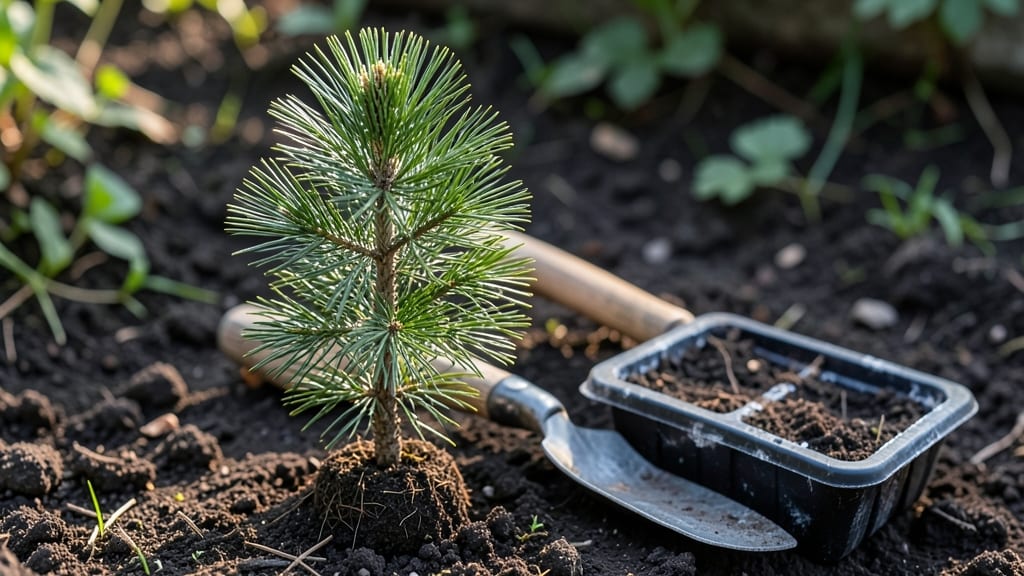
Growing a spruce tree seedling in the Pacific Northwest means you're planting for decades of shade and evergreen beauty—if you nail the first year.
I learned the hard way that these young trees need more than just good intentions; they demand the right soil, shelter from winter winds, and patience when the growth seems slow. The payoff? A tree that thrives through our wet winters and stays green when neighbors' lawns turn brown.
Start with well-draining soil mixed with compost—spruce roots hate soggy feet—and plant in a spot with partial shade (morning sun, afternoon shelter). Water deeply once a week, but don’t drown it; young seedlings rot faster than they grow.
A 3-inch layer of mulch keeps roots cool in summer and insulated in winter, while staking protects against Pacific Northwest windstorms that can snap fragile stems. Honestly, I’ve lost count of how many seedlings I’ve killed by skipping this step.
By late fall, your seedling should show tough, dark-green needles and a sturdy trunk—proof it’s weathering our climate. The first winter is critical: wrap the base in burlap if frost hits early, and avoid pruning until spring.
Most challenges (yellowing needles, stunted growth) come from overwatering or poor drainage, not bad luck. With the right care, your spruce will outgrow the "seedling" phase within 3-5 years, standing tall against the rain.
This method works for blue spruce, Douglas fir, or Norway spruce—just adjust spacing (6-10 feet apart for mature height). Whether you’re planting in a backyard or along a property line, the key is consistency.
Spruce trees reward patience with century-long shade and that fresh-pine scent that makes winter feel like home. Ready to get started?
📚 In This Guide
- What you need
- Instructions
- Tips and common mistakes
- Wrapping up and next steps
What you need
- ● Spruce tree seedlings: 3–5 1–2-year-old seedlings (choose Sitka, Douglas fir, or Engelmann spruce for PNW resilience).
- ● Growing containers: 3–5-gallon pots with drainage holes (or a nursery bed if planting outdoors).
- ● High-quality potting mix: 1 bag peat-based or pine-fir bark blend (well-draining is key!).
- ● Slow-release fertilizer: 10–20-10 NPK ratio (sprinkle lightly at planting).
- ● Mulch: 2–3 inches of pine straw or wood chips (protects roots from frost).
- ● Watering can or hose: With a gentle spray nozzle (avoid soggy soil!).
- ● Pruning shears: Bypass-style, sterilized (for shaping and removing dead branches).
- ○ Gloves & long sleeves: (Optional but recommended—spruce needles can be scratchy!)
- ● Shade cloth: 30–50% coverage (for seedlings in hot summer spots).
- ● Frost cloth: Lightweight (to shield young seedlings in late fall/winter).
- ● Soil moisture meter: (Prevents over/under-watering—PNW winters can be tricky!)
- ● Epsom salt: 1 tbsp (mixed into soil for magnesium boost).
- ● Stakes & twine: (For windy sites—spruce seedlings can be top-heavy!)
Step-by-Step instructions for cultivating hardy spruce seedlings
Here's how to establish resilient spruce seedlings that thrive in the Pacific Northwest's unique climate.
🌱 Step 1: Select and Prepare the Right Seed Source
Choose seeds from a local or regionally adapted spruce variety—this ensures natural cold hardiness. I recommend Sitka spruce (Picea sitchensis) or Engelmann spruce (Picea engelmannii) for superior frost resistance in your zone. Collect seeds from mature cones in late fall or purchase certified seeds from a reputable supplier.
Stratify the seeds for 30-90 days in a moist mix of sand and peat moss (1:1 ratio) at 35-40°F to mimic winter conditions. This cold treatment breaks seed dormancy, which is critical for germination success. Place the mix in a sealed container and check moisture weekly—it should feel like a damp sponge.
🪴 Step 2: Create an Ideal Germination Environment
Fill small seedling trays or individual pots with light, well-draining seed-starting mix. Spruce seedlings despise soggy conditions, so avoid garden soil or heavy mixes. I use a blend of 50% peat moss, 30% perlite, and 20% vermiculite for perfect aeration. Fill containers to 1 inch below the rim to prevent overflow during watering.
Plant seeds ¼ inch deep—too shallow and they dry out; too deep and they struggle to emerge. Space seeds ½ inch apart in rows 1 inch apart to allow for easy thinning later. Mist the surface lightly with water until the mix feels uniformly moist but not saturated. Cover the tray with plastic wrap to maintain humidity and place it in a cool, bright location (not direct sun).
☀️ Step 3: Manage Light and Temperature for Strong Seedlings
Spruce seedlings need bright, indirect light during germination—avoid harsh midday sun, which can overheat the tray. A north-facing window or a grow light set 12 inches above works best. Maintain soil temperatures between 60-70°F; if your home runs cooler, a seedling heat mat set to 70°F speeds up germination.
Germination typically takes 4-8 weeks, depending on seed source and stratification success. You'll know it's time when green needles appear along the stem—these are the first true growth indicators. Once seedlings emerge, remove the plastic wrap immediately to prevent fungal issues. Thin to the strongest seedling per cell when they reach 1 inch tall, using clean scissors to avoid disturbing roots.
💧 Step 4: Transition to Outdoor Conditions Gradually
After 6-8 weeks of indoor growth, when seedlings have 3-4 inches of new growth, begin hardening them off. Move trays to a shaded outdoor spot for 2-3 hours daily, gradually increasing exposure over 2 weeks. Watch for needle browning or wilting—these are signs they're not ready for longer outdoor time. Spruce seedlings are sensitive to sudden temperature shifts, so extend outdoor time slowly.
Once hardened off, transplant seedlings to their permanent location in partial shade to full sun, depending on your specific spruce variety. Space them 6-10 feet apart to allow for mature growth. Water deeply after transplanting to settle the soil and reduce shock. Mulch with 2-3 inches of organic mulch to retain moisture and protect roots from winter temperature fluctuations.
Tips & tricks for perfect spruce seedling cultivation
Took me years of trial-and-error to master these key strategies for raising resilient spruce seedlings that actually survive Pacific Northwest winters.
Stratification Success: The 30-90 day cold treatment in Step 1 is non-negotiable for breaking dormancy. I've found that 60 days at 38°F produces the most consistent germination rates. Use a refrigerator's crisper drawer for precise temperature control—it's more stable than a basement. The moisture level is critical too: squeeze the sand-peat mix and it should hold together but not drip water.
Germination Environment: In Step 2, that 12-inch distance from grow lights is crucial—any closer and you'll scorch delicate seedlings. I recommend using a timer for 14 hours of light daily to mimic natural daylight cycles. The plastic wrap creates a greenhouse effect, but remove it immediately after germination to prevent mold. Watch for condensation buildup on the plastic—this signals it's time to ventilate.
Hardening Off: The gradual 2-week transition in Step 4 is where most seedlings fail. Start with just 2-3 hours in partial shade, then increase exposure by 30 minutes daily. I've seen seedlings wilt dramatically after just 1 hour of direct sun—this is your warning sign to slow down. A simple shade cloth over the outdoor area helps control intensity while still allowing sunlight penetration.
Pro Tips for Spruce Tree Seedling
- Took me years of trial-and-error to master these key strategies for raising resilient spruce seedlings that actually survive Pacific Northwest winters.
- Stratification Success: The 30-90 day cold treatment in Step 1 is non-negotiable for breaking dormancy.
- Germination Environment: In Step 2, that 12-inch distance from grow lights is crucial—any closer and you'll scorch delicate seedlings.
Frequently asked questions
Got questions about growing spruce tree seedlings in the Pacific Northwest? You’re not alone! Here are some of the most common queries—and their straightforward answers—to help you navigate frost-resistant growth like a pro.
When is the best time to plant a spruce tree seedling in PNW climates?
The ideal window is late fall (October–November) or early spring (March–April). Planting in fall lets seedlings establish roots before winter, while spring planting avoids frost stress. Avoid summer heatwaves—seedlings need consistent moisture to thrive.
How do I protect a young spruce seedling from harsh PNW winters?
Mulch heavily (3–4 inches of wood chips or straw) around the base to insulate roots. Wrap the trunk with burlap or a tree guard to prevent rodent damage. Water thoroughly before the first frost to ensure hydration. If heavy snow accumulates, gently brush it off branches to avoid breakage.
Can I grow a spruce tree from seed, or should I buy a seedling?
While possible, growing from seed is time-consuming (3–5 years to maturity) and less reliable for cold-hardy varieties. Buying a 1–2 year-old seedling from a local nursery ensures faster, frost-resistant growth. Look for Colorado blue spruce or Sitka spruce—both thrive in PNW conditions.
Why are my spruce seedling needles turning brown? What’s wrong?
Brown needles usually signal overwatering, drought stress, or fungal issues (like needle cast). Check soil moisture—spruces prefer well-draining soil. If fungal, prune affected branches and apply copper fungicide. Avoid wetting foliage during watering to prevent disease.
How much space should I leave between spruce seedlings?
Space seedlings 6–10 feet apart for mature growth (spruces can reach 30–60 feet tall!). Closer spacing (3–5 feet) works for hedges or windbreaks, but crowding may lead to root competition and slower growth. Always check the specific variety’s mature size guidelines.
What’s a good alternative if spruce seedlings struggle in my yard?
Consider Douglas fir, western red cedar, or hemlock—all PNW-native and frost-tolerant. For color contrast, try green giant arborvitae or Emerald green cedar. These options require similar care but may handle your soil or microclimate better.
Wrapping up and next steps
Growing a spruce tree seedling in the Pacific Northwest’s unique climate is totally doable with the right prep, patience, and care! 🌲 From selecting the perfect frost-resistant variety to mastering pruning techniques, you’re now equipped to nurture a thriving tree that’ll stand strong for years.
The key? Start small, stay consistent, and trust the process.
Ready to take the next step? Grab your seedling, roll up your sleeves, and plant with confidence—your future forest begins now! 🌱 For extra support, check out local nurseries or gardening groups in your area to connect with fellow PNW green thumbs.