Pruning
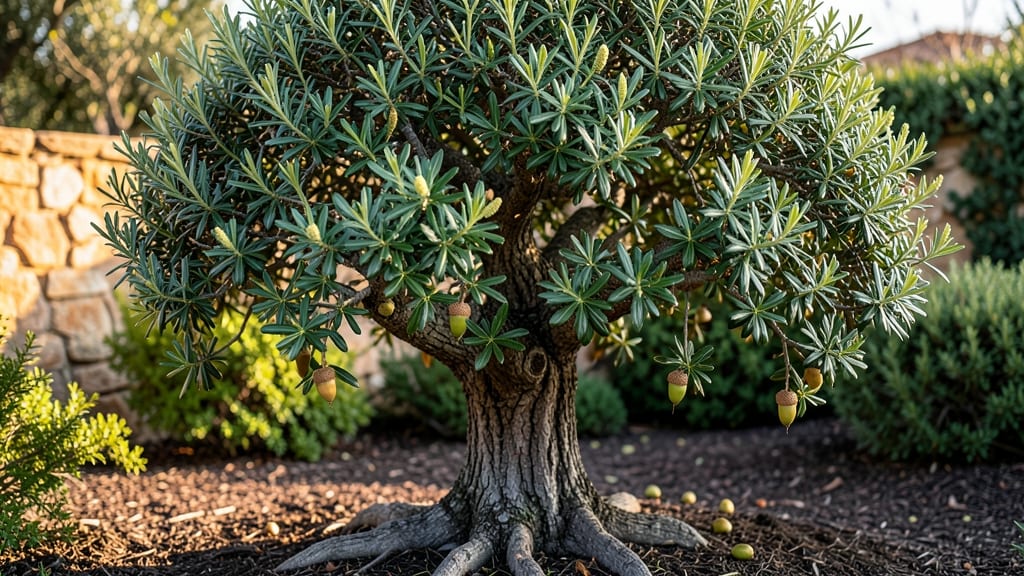
Pruning your Spanish oak tree in late winter isn’t just about shaping—it’s about setting up a stronger sapling that thrives for decades. 🌳 I’ve watched these trees go from scraggly saplings to sturdy giants after just a few strategic cuts, and the secret lies in timing, technique, and knowing where to stop.
The right approach prevents weak branches while encouraging dense, healthy growth that resists storms and pests.
Late winter is the perfect time because the tree is dormant, so cuts heal faster than in summer. You’ll need sharp pruners, a ladder (for higher branches), and a clear day to avoid sap splatter.
Focus on removing dead wood first—those dry, brittle limbs that snap easily—and then thin out crowded branches to improve airflow. This isn’t about drastic changes; think of it as giving your oak a haircut, not a buzz cut.
What you’ll end up with is a tree that grows taller, straighter, and more resilient by spring. The new shoots will be vigorous, and you’ll notice fewer broken limbs during summer storms.
Plus, proper pruning now means less cleanup later—no more wrestling with tangled branches or worrying about disease from overcrowded foliage.
Works for both Quercus faginea and Quercus ilex varieties, whether you’re dealing with a backyard sapling or a young tree in a park setting. The key is patience: oak trees respond slowly, but the long-term payoff is worth every careful cut. Ready to get started?
📚 In This Guide
- What you need
- Instructions
- Tips and common mistakes
- Wrapping up and next steps
What you need
- ● Pruning saw: A curved-tooth pruning saw (for thick branches, 2–4" diameter) or a bypass pruning saw (for precision cuts). Recommended: Fiskars or Felco models.
- ● Loppers: Bypass loppers (18–24" handles) for branches ½–2" thick. Must-have: Ratcheting loppers for extra leverage.
- ● Pruning shears: Bypass shears (7–9" blades) for small twigs and fine cuts.
- ● Gloves: Heavy-duty gardening gloves (leather or Kevlar-coated) to protect against splinters and thorns.
- ● Safety gear: Safety glasses (ANSI-rated)
- ● Ear protection (if using a chainsaw)
- ● Sturdy, closed-toe boots
- ● Cleaning supplies: Rubbing alcohol (70% or higher) + paper towels
- ○ Pruning sealant (optional, for cuts > ½" diameter)
- ● Extension pole: For hard-to-reach branches (10–15 ft. reach).
- ● Chainsaw: Only for very thick branches (>4" diameter). Pro tip: Rent one if you don’t own—oak wood is tough!
- ● Ladder: Sturdy, 3-section ladder (rated for 300+ lbs.). ⚠️ Warning: Never stand on the top rung!
- ● Disposable bags: For collecting debris (5–10 gallon size).
- ● Tree wound dressing: Pruning paste (like Tanglefoot Tree Seal) to prevent disease entry.
- ● Timing: Prune in late winter (just before buds swell) to avoid stressing the tree.
- ● Weather: Choose a dry, calm day (no rain forecast for 24 hours).
- ● Tree health check: Inspect for diseased or dead branches (they’ll snap easily—remove first!).
- ● Local regulations: Check if your area requires a permit for large cuts (common for oaks >6" trunk diameter).
Step-by-step instructions for pruning young Spanish oak saplings
Here's how to shape strong branches while keeping your young oak healthy and resilient.
✂️ Step 1: Identify the Right Branches to Cut
Start by examining your sapling for branches that need removal. Look for any that are growing inward toward the trunk, crossing other branches, or rubbing against them. These are called "water sprouts" or "suckers"—they compete with the main structure and weaken the tree's energy. Also target branches that grow at sharp angles (less than 45 degrees) to the trunk, as they're more likely to break in storms.
Focus on the top third of the tree first. Spanish oaks develop a strong central leader, so you'll want to encourage that dominant vertical branch. Use your hand as a guide: if a branch is thinner than your thumb, it's likely a candidate for removal. Thicker branches (about the diameter of your wrist) should be left alone unless they're clearly problematic.
✂️ Step 2: Prepare Your Tools and Work Area
Before making any cuts, gather your tools and clear the workspace. Use clean, sharp pruning shears for branches under ½ inch in diameter and a pruning saw for anything thicker. Disinfect your tools with rubbing alcohol to prevent spreading disease between cuts. Work on a dry day when the temperature is between 45°F and 65°F—this range helps the tree heal faster.
Remove any debris from the base of the tree and lay down a tarp to catch fallen branches. Spanish oaks can be messy when pruned, so having a clear workspace makes cleanup easier. Wear gloves to protect your hands from thorns and sap. Here's the thing—Spanish oaks bleed sap heavily when cut, so work quickly to minimize mess and stress on the tree.
✂️ Step 3: Make Clean Cuts at the Right Angles
When removing a branch, cut just outside the branch collar—the swollen area where the branch meets the trunk. This collar contains healing tissues that help the tree seal the wound. Make your cut at a 45-degree angle sloping away from the branch collar. For thicker branches, make a second cut about 1-2 inches further out to prevent tearing the bark as you remove the branch.
Never leave stubs—this creates entry points for disease. If you're unsure where the branch collar is, look for the slight ridge where the branch meets the trunk. For small branches, a single clean cut is all you need. For larger ones, start with an undercut on the underside of the branch about 6 inches out from the trunk, then make your final cut just outside the collar. You'll see the branch fall away cleanly.
✂️ Step 4: Shape for Airflow and Light Penetration
After removing the problematic branches, step back and evaluate the tree's structure. The goal is to create an open center that allows sunlight and air to reach the inner branches. Spanish oaks develop a rounded canopy naturally, so aim to maintain that shape. Cut back any branches that are growing too densely in the center—this prevents disease by reducing humidity trapped in the foliage.
Look for the "scaffold branches"—the main limbs that form the tree's framework. These should be spaced about 6-12 inches apart along the trunk. If you see a branch growing straight up from a scaffold branch, it's likely competing with the main structure and should be removed. The reason we do this is that Spanish oaks grow strong but can develop weak crotches (branch junctions) if overcrowded.
⏰ Step 5: Clean Up and Monitor Healing
After pruning, rake up all the debris and dispose of it away from the tree. Leaving cut branches on the ground can harbor pests and diseases. Apply a thin layer of wound dressing only if the cut is larger than 2 inches in diameter—for smaller cuts, let the tree seal naturally. Spanish oaks heal quickly when pruned correctly, so avoid treating every cut like a major wound.
Water the base of the tree deeply after pruning to help it recover. You'll notice new growth within 4-6 weeks if the cuts were made at the right time. Keep an eye on the pruned areas for the first growing season—healthy tissue should appear within 2-3 weeks. If you see oozing sap or dark streaks, that's normal and part of the healing process. Real talk: over-pruning is worse than under-pruning, so err on the side of caution.
Tips & tricks for pruning young Spanish oak saplings
Here's what nobody tells you—those small details make all the difference between a healthy tree and one struggling to recover.
Branch Identification: I learned this the hard way after removing too many branches—always prioritize the top third of the tree. The central leader (main upward-growing branch) should be your focus, as it forms the tree's backbone. For branches thinner than your thumb, you're usually safe to remove them, but thicker ones (about your wrist diameter) need careful evaluation. Look for branches growing at sharp angles—these are more likely to snap in storms, so removing them early prevents future damage.
Temperature Matters: The 45°F to 65°F range isn't just arbitrary—it's when Spanish oaks heal most efficiently. If you're working outside this window, the tree will struggle to seal wounds properly, making it vulnerable to disease. I've seen saplings pruned in cold snaps develop fungal issues because the bark couldn't close fast enough. If you must prune outside this range, wait for a warmer day or work during the warmest part of the day when temperatures are closest to the ideal range.
Cutting Technique: The branch collar is your secret weapon—it's the tree's natural healing tissue. When you cut just outside it at a 45-degree angle, you're letting the tree seal itself perfectly. For thicker branches, that second cut about 1-2 inches out prevents tearing. I once made the mistake of cutting too close to the trunk, leaving a stub that became a perfect entry point for borers. Always look for that slight ridge where the branch meets the trunk—it's your guide to making clean, disease-resistant cuts.
Healing Timeline: Those 4-6 weeks for new growth aren't just numbers—they're your benchmark for success. If you don't see fresh shoots within this timeframe, something went wrong with the cuts. Dark streaks in the sap are normal, but if you notice oozing that doesn't stop or blackened areas, you may have cut too deeply. Remember, over-pruning is worse than under-pruning—Spanish oaks are resilient, but they can't recover from excessive stress. When in doubt, leave more branches than you think you should.
Pro Tips for Spanish Oak Tree
- Here's what nobody tells you—those small details make all the difference between a healthy tree and one struggling to recover.
- Branch Identification: I learned this the hard way after removing too many branches—always prioritize the top third of the tree.
- Temperature Matters: The 45°F to 65°F range isn't just arbitrary—it's when Spanish oaks heal most efficiently.
Frequently asked questions
Got questions about pruning your Spanish oak tree?
You’re not alone! Here are some of the most common queries—plus clear, actionable answers to keep your tree thriving.
When is the exact best time to prune a Spanish oak tree?
The ideal window is late winter (January–February), before buds swell but after harsh frosts pass. This timing minimizes stress and disease risk. Avoid pruning in fall or early spring when sap flows heavily. Pro tip: Check local frost dates—your tree’s dormancy cycle matters!
Can I prune a Spanish oak tree in summer?
While light summer pruning (e.g., removing dead branches) is safe, major cuts should wait for late winter. Summer pruning can stress the tree, attract pests, or trigger fungal infections. If you must prune, do it early morning on cooler days and sterilize tools with rubbing alcohol.
What if I see sap oozing after pruning? Is my tree dying?
Sap bleeding is normal for oaks—it’s the tree’s way of sealing wounds. However, excessive oozing (especially dark, foul-smelling sap) could signal disease (like oak wilt). Monitor the area for yellowing leaves or dieback. Keep the cut clean and avoid over-pruning in one session.
Are there alternatives to traditional pruning for young Spanish oaks?
Yes! For saplings, try crown thinning (removing inward-growing branches) or structural pruning (shaping the canopy for airflow). Avoid topping (cutting the main stem)—it weakens the tree and invites disease. For large trees, consult an ISA-certified arborist to assess health first.
How do I tell if I’ve pruned too much?
Watch for these red flags:
- Wilting or yellowing leaves (signs of shock).
- Excessive sap flow weeks after pruning.
- Dead branches at the cut site (fungal infection).
Wrapping up and next steps
The Spanish oak tree (Quercus faginea) rewards careful late-winter pruning with vibrant growth, disease resistance, and long-term health—so grab those pruners and get to work! 🌱 By following the right techniques, you’ll ensure your sapling thrives for decades, all while shaping it into a stunning centerpiece for your landscape.
Ready to see those branches flourish?
Your next step? Mark your calendar for late February or early March—when the tree is dormant but buds are swelling—and start pruning. For extra confidence, review the FAQs or consult a local arborist if your tree has unique needs. Happy pruning!