
Trees
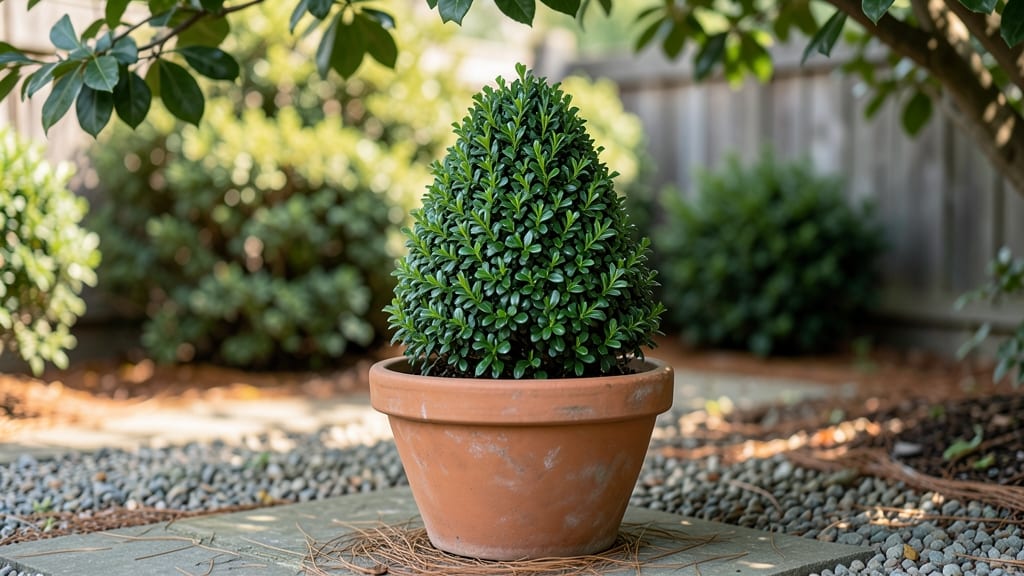
Small topiary trees turn any garden corner into a living sculpture—no green thumb required. 🌿 I stumbled upon these while redesigning my front yard, and they instantly transformed a blank space into something that made neighbors stop and stare.
The key is choosing the right species for your climate and style, then letting their natural shapes guide the pruning process.
Your options range from classic boxwood spirals to bold yew cones or whimsical willow arches. Pair them with complementary plants like lavender for a cottage feel, or sleek ornamental grasses for a modern look.
Even a single well-placed topiary can anchor a garden bed, creating instant focal points without overwhelming your space.
With proper pruning every 6-8 weeks, these trees stay compact and lush year-round. The best part? They grow slowly, so you won’t be constantly reshaping them. Start with just one or two as statement pieces, then expand as you fall in love with their sculptural charm.
Whether you're going for formal symmetry or relaxed cottage whimsy, topiary trees adapt beautifully. The secret lies in their versatility—formal gardens love their precision, while modern designs appreciate their organic curves. Ready to add some living art to your yard?
📚 In This Guide
- What you need
- Instructions
- Tips and common mistakes
- Wrapping up and next steps
What you need
- ● Small Topiary Tree: Choose a young, healthy specimen (e.g., boxwood, yew, or privet) in a 1- or 3-gallon container.
- ● Well-Draining Potting Mix: 1 bag (10-15 lbs) of high-quality, organic mix (e.g., 60% peat moss, 30% perlite, 10% compost).
- ● Container or Planter: A pot with drainage holes (6-12 inches in diameter, depending on tree size).
- ● Pruning Tools: Sharp bypass pruners (for clean cuts).
- ● Concave pruning shears (for shaping).
- ● Topiary Wire or Frame: Copper or aluminum wire (16-18 gauge) or a pre-made topiary frame (for shaping).
- ● Watering Can: 1 gallon capacity with a fine rose nozzle.
- ● Fertilizer: Slow-release granular fertilizer (10-10-10 or organic option) or liquid feed (e.g., fish emulsion).
- ● Topiary Clippers: For precise, detailed trimming.
- ● Mulch: Organic mulch (e.g., pine bark) to retain moisture.
- ● Garden Gloves: To protect hands during pruning.
- ● Decorative Accents: Miniature ornaments, paint, or stencils for creative flair.
- ● Growth Regulator: (e.g., paclobutrazol) to control height if needed.
Step-by-Step instructions for creating small topiary trees
Here's how to shape and care for your tiny trees with precision and confidence.
🪴 Step 1: Select and Prepare Your Base Plants
Choose slow-growing varieties like boxwood, yew, or juniper—these handle pruning best. I always pick plants with sturdy stems and healthy foliage, about 12-18 inches tall for small topiary. Remove any yellowing leaves or dead growth before starting; healthy foliage responds better to shaping.
For your 4 plants, select containers with drainage holes that are 1-2 inches larger in diameter than the root ball. Fill the bottom with 2-3 inches of gravel to prevent soil compaction. Use the 4 gallons of well-draining potting mix specified—this prevents root rot, which can kill your topiary before it even starts.
✂️ Step 2: Establish the Foundation Shape
Start with a clean, rounded base—this is your topiary's foundation. Use sharp bypass pruners to make clean cuts just above a leaf node (where new growth emerges). I like to begin with a slightly tapered cone shape for small trees; this creates natural structure while keeping the look elegant.
Step back frequently to check proportions. Your goal is symmetry—if one side looks heavier, remove a few leaves from that side until balanced. For 4 plants, work one at a time to avoid confusion. Water immediately after shaping to reduce stress on the foliage.
☀️ Step 3: Train and Maintain the Structure
Place your topiary in bright, indirect light—6+ hours daily is ideal. South-facing windows work well, but avoid harsh afternoon sun, which can scorch tender new growth. Rotate the plants a quarter turn weekly so they grow evenly rather than leaning toward the light.
Every 2-3 weeks, trim back any overgrowth with your pruners. Focus on maintaining the rounded silhouette—cut just above a leaf node to encourage bushier growth. You'll notice new shoots emerging within 3-4 weeks; these are your cues to keep shaping consistently.
💧 Step 4: Water and Fertilize for Long-Term Health
Water when the top inch of soil feels dry—this prevents both underwatering and soggy roots. For 4 plants, use about 1 gallon of water per plant every 5-7 days, adjusting for humidity and temperature. I always water in the morning so foliage dries quickly, reducing fungal risks.
Feed your topiary with a balanced, slow-release fertilizer every 6-8 weeks during the growing season. This keeps them lush without encouraging rapid, unruly growth. Stop fertilizing in late summer to allow the plants to harden off for winter if needed.
Tips & tricks for perfect small topiary trees
Creating stunning miniature topiary takes patience, but these little tricks will help you achieve professional-looking results with confidence.
Pruning Precision: When shaping your topiary in Step 2, always cut just above a leaf node—this is where new growth emerges. I learned this the hard way after creating uneven growth by cutting too close to the stem. Use sharp bypass pruners and make clean cuts at a slight angle to prevent tearing. This ensures your topiary maintains its shape without unsightly jagged edges.
Lighting Strategy: The 6+ hours of bright, indirect light mentioned in Step 3 is crucial for even growth. Place your topiary near an east-facing window for gentle morning sun, then move to a north-facing window in the afternoon. If you notice one side growing toward the light, rotate your plants a quarter turn every week—this keeps them symmetrical and prevents lopsided growth.
Watering Wisdom: The "top inch of soil" test in Step 4 is your best guide, but timing matters too. Water in the morning so foliage has time to dry completely before evening. I've found that using a moisture meter helps avoid overwatering, which can lead to root rot. For your 4 plants, keep a spray bottle handy to mist leaves occasionally—this mimics humidity and keeps foliage vibrant.
Fertilizer Timing: The 6-8 week fertilizer schedule in Step 4 works perfectly, but here's a pro tip: dilute your fertilizer to half-strength during the first application after pruning. This gives your plants time to recover from shaping without stressing their roots. Always water thoroughly after fertilizing to prevent salt buildup in the soil.
Pro Tips for Small Topiary Trees
- Creating stunning miniature topiary takes patience, but these little tricks will help you achieve professional-looking results with confidence.
- Pruning Precision: When shaping your topiary in Step 2, always cut just above a leaf node—this is where new growth emerges.
- Lighting Strategy: The 6+ hours of bright, indirect light mentioned in Step 3 is crucial for even growth.
Frequently asked questions
Got questions about small topiary trees? You’re not alone! Here are some of the most common queries—and their easy answers—to help you get started with confidence.
What’s the best small topiary tree for beginners?
Start with Buxus sempervirens (boxwood) or Ligustrum japonicum (privet). Both are hardy, easy to trim, and thrive in containers. Avoid finicky varieties like Ilex crenata (holly) unless you’re ready for extra care!
How long does it take to shape a small topiary tree?
Basic shapes (like spirals or globes) take 3–6 months with weekly trims. Complex designs (e.g., animals or faces) can take 1–2 years. Patience is key—think of it as sculpting with leaves!
Do small topiary trees need full sun?
Most prefer 6+ hours of sunlight daily, but some (like Podocarpus) tolerate partial shade. Check your tree’s needs—overwatering or shade can lead to leggy growth or pests. A sunny spot = happier topiary!
Can I buy a pre-shaped small topiary tree?
Yes! Nurseries and online shops sell pre-pruned topiary trees (often in containers). Look for tags with care instructions. Just avoid buying from places that skip pest checks—healthy roots matter!
Why are my small topiary leaves turning brown?
Brown tips usually mean overwatering, underwatering, or sunburn. Check soil moisture (top inch should be dry) and move the tree to dappled shade if leaves crisp. A light trim can hide minor damage!
Are small topiary trees pet-friendly?
Some are toxic (like boxwood), while others (like Lonicera nitida) are safe. Always research before planting near pets. When in doubt, opt for non-toxic varieties like Abelia.
Wrapping up and next steps
Small topiary trees are the perfect way to add timeless charm and sophistication to any space—whether it’s your garden, patio, or even indoors! 🌿 With just a few tools, a little patience, and creativity, you can transform these tiny plants into stunning works of art.
Whether you’re a beginner or a seasoned gardener, the key is to start small, stay consistent, and enjoy the process.
Ready to bring your vision to life? Pick a design, grab your tools, and begin shaping your own miniature masterpiece today! 🌟