
How To
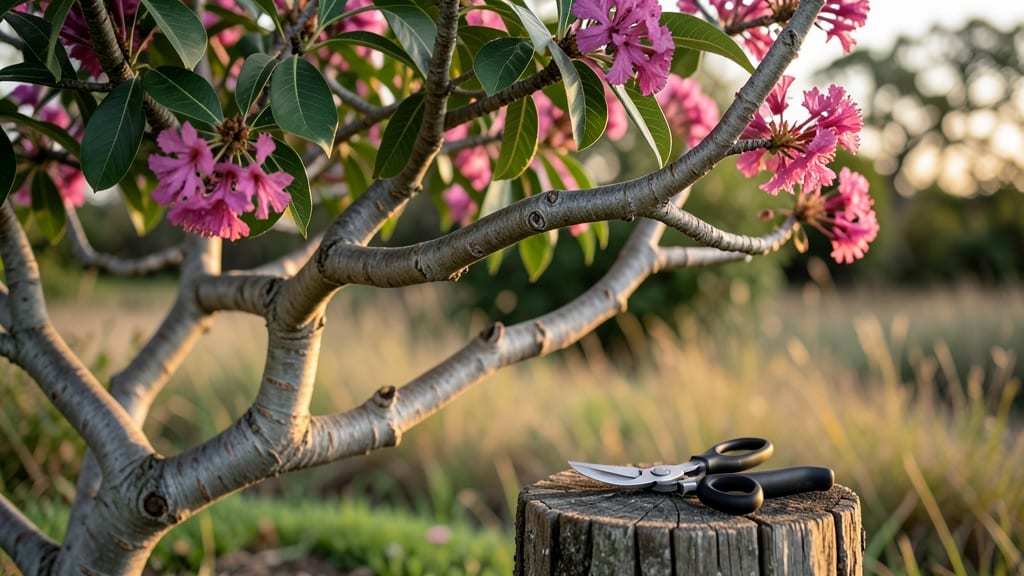
Pruning crepe myrtles isn’t just about shaping—it’s about unlocking next summer’s showstopping blooms while keeping your tree strong. I’ve watched too many gardeners hack away in spring and end up with bare branches or stunted growth, so here’s the right way to do it that actually works.
The secret lies in timing, cuts, and knowing which stems to keep (or remove) for maximum flowers.
Start with the right tools—a sharp pair of loppers, pruning shears, and gloves—and focus on three key cuts: removing dead wood, thinning crowded branches, and cutting back last year’s blooms to encourage fresh growth.
Most people mess up by pruning too late or too aggressively, but this method keeps your tree healthy and lush for years. Within weeks, you’ll see new shoots forming where you made those strategic cuts.
📚 In This Guide
- What you need
- Instructions
- Tips and common mistakes
- Wrapping up and next steps
What you need
- ● Pruning shears: Sharp, bypass-style shears (for small branches, 4–6 inches in diameter).
- ● Loppers: Long-handled (24–36 inches) for medium branches (1–2 inches thick).
- ● Pruning saw: A bow saw or pruning saw for thick branches (2+ inches).
- ● Ladder: Sturdy, extension ladder (16–24 feet) for tall trees—never stand on wobbly ladders!
- ● Gloves: Heavy-duty, cut-resistant gloves to protect hands from thorns and splinters.
- ● Disinfectant: 70% isopropyl alcohol or rubbing alcohol to sterilize tools between cuts (prevents disease spread).
- ● Heavy-duty trash bags: 30–50 gallon size for collecting pruned branches.
- ● Work clothes: Long sleeves/pants to shield against scratches and debris.
- ● Safety glasses: To guard against flying debris or sap.
- ● Pole saw: For high branches without a ladder (if you're comfortable using one).
- ● Tree wound dressing: Pruning sealant (controversial—skip if your tree is healthy!).
- ● Marking spray: Temporary paint or chalk to mark cuts before pruning.
- ● Pruning rope: For lowering large branches safely.
- ● First-aid kit: Just in case of minor scrapes or stings!
How to prune crepe myrtle trees for lush, year-round growth
Here's how I keep my crepe myrtles thriving with simple, effective pruning—no fancy tools or guesswork.
✂️ Step 1: Prune in Late Winter or Early Spring
Timing matters most for crepe myrtles. I wait until mid-February to early March when the tree is still dormant but just before new growth begins. This ensures you don't accidentally cut off next year's blooms, which form on new wood. Look for bare branches—these are the first to go if they're dead or crossing.
Start by removing any dead, diseased, or weak branches at the base. Use clean, sharp pruners to make 45-degree cuts just outside the branch collar—the swollen area where the branch meets the trunk. This prevents unsightly stubs and promotes faster healing.
✂️ Step 2: Thin Out Crossing or Rubbing Branches
Crepe myrtles grow fast, and crowded branches compete for sunlight and nutrients. I scan the tree for branches that cross or rub against each other—these create wounds where pests and diseases love to hide. Remove about one-third of the smallest branches to improve airflow and light penetration.
Focus on branches that grow inward or downward. Cut them back to the nearest outward-facing bud or branch. Never leave a stub—this invites decay. If you're unsure which branch to keep, imagine the tree as a vase shape with an open center.
✂️ Step 3: Shape the Tree for Balance and Form
Crepe myrtles naturally grow with a multi-trunk base, but some varieties can get leggy. I step back and visualize the tree's natural shape—a rounded, tiered silhouette works best. Prune to encourage multiple branches along the trunk, cutting back any long, whip-like stems to a side bud or branch.
Avoid heavy pruning at the top—crepe myrtles bloom on new growth, so never cut more than 20-30% of the tree in one season. If you're unsure, prune conservatively. You can always remove more later, but you can't un-cut dead wood.
✂️ Step 4: Light Pruning After Blooming Season
Once the tree finishes blooming in late summer or early fall, do a quick cleanup. Remove any spent flowers (deadheading) to encourage a second flush of blooms on some varieties. Also, trim back any overly vigorous shoots that spoil the tree's shape.
This light pruning keeps the tree looking tidy without stressing it before winter. Avoid heavy cuts now—crepe myrtles need time to harden off before cold weather. A final check for suckers at the base ensures the tree stays strong and focused on its main structure.
Tips & tricks for pruning crepe myrtle trees
Here's what I've learned after years of pruning these beautiful trees—simple tricks that make all the difference for long-term health.
Timing is Everything: The mid-February to early March window in Step 1 is non-negotiable for crepe myrtles. If you prune too early, you risk cutting off next year's flower buds that form on new growth. I always check for the first signs of swelling buds—if they're just starting to plump up, it's time to stop pruning. This timing ensures you don't sacrifice those stunning summer blooms.
Tool Prep Prevents Problems: Before you start, clean and sharpen your pruners with rubbing alcohol and a fine-grit file. Dull blades crush branches instead of making clean cuts, which invites disease. I also keep a small spray bottle of diluted bleach solution (1 part bleach to 9 parts water) handy to disinfect tools between cuts on different trees—this prevents spreading any potential diseases between plants.
Visualize the Vase Shape: When shaping in Step 3, step back frequently to check your progress against that ideal vase shape. I like to trace the tree's outline with my finger in the air—this helps me see where branches need to be removed to maintain that open center. Remember, crepe myrtles naturally grow with multiple trunks, so never cut back to a single main trunk unless you're dealing with a very young tree.
Seasonal Maintenance Matters: That late summer/early fall pruning in Step 4 is often overlooked, but it's crucial for encouraging a second flush of blooms on some varieties. I make a habit of doing this cleanup right after the first big bloom cycle ends. Just remove spent flowers and any vigorous shoots that disrupt the tree's shape—no heavy pruning needed. This keeps your tree looking its best without stressing it before winter.
Pro Tips for Prune Crepe Myrtle Trees
- Here's what I've learned after years of pruning these beautiful trees—simple tricks that make all the difference for long-term health.
- Timing is Everything: The mid-February to early March window in Step 1 is non-negotiable for crepe myrtles.
- Tool Prep Prevents Problems: Before you start, clean and sharpen your pruners with rubbing alcohol and a fine-grit file.
Frequently asked questions
Got questions about pruning crepe myrtles? You’re not alone! Here are some of the most common concerns—and their answers—to help you prune like a pro.
When is the best time to prune crepe myrtles?
Late winter or early spring (just before new growth starts) is ideal for major pruning. For light shaping or deadwood removal, you can prune year-round. Avoid heavy pruning in fall—it can stimulate tender growth that won’t survive winter. Pro tip: If you miss the window, wait until late winter next year!
How much can I cut back my crepe myrtle?
You can safely remove up to 30-50% of the tree’s height in one season. Avoid over-pruning—crepe myrtles bloom on new wood, so drastic cuts may reduce flowers. For mature trees, aim to thin out crowded branches rather than hacking back indiscriminately. Warning: Never remove more than 1/3 of the canopy in a single year!
What’s the “crepe murder” pruning style, and should I avoid it?
“Crepe murder” refers to topping or heavily shearing crepe myrtles into unnatural shapes (like cubes or balls). This harms the tree’s health, weakens structure, and reduces blooms. Instead, practice open-center pruning—removing only dead, crossing, or overcrowded branches. Your tree (and neighbors!) will thank you.
My crepe myrtle has weird bumps or holes after pruning. Is it dying?
Those bumps are likely crepe myrtle bark scale or exit holes from beetles—common after pruning. Don’t panic! Clean tools with rubbing alcohol between cuts to prevent spread. Prune in dry weather to reduce stress, and apply horticultural oil in late winter if infestations persist. Good news: Healthy trees bounce back quickly!
Can I prune crepe myrtles if they’re young or just planted?
Young crepe myrtles (<3 years old) need minimal pruning—just remove dead or damaged branches. Wait until they’re established (1-2 years in the ground) before shaping. If you’ve just planted one, focus on watering and mulching first. Rule of thumb: Less is more for saplings!
What if I skip pruning entirely?
Crepe myrtles can survive without pruning, but they’ll grow leggy, develop weak branches, and produce fewer flowers. Regular pruning improves airflow (reducing disease), encourages bushier growth, and keeps them looking their best. Think of it as a spa day for your tree—worth the effort!
Wrapping up and next steps
Pruning your crepe myrtle doesn’t have to be intimidating—it’s all about timing, technique, and a little patience. 🌿 By following these steps, you’ll encourage stunning blooms, maintain your tree’s health, and keep it looking its best year-round.
Now that you’re armed with the know-how, grab those pruners and get ready to transform your crepe myrtle into a showstopper!
Ready to take the next step? Mark your calendar for late winter or early spring—your tree’s blooming season is just around the corner! 🌸