Pruning
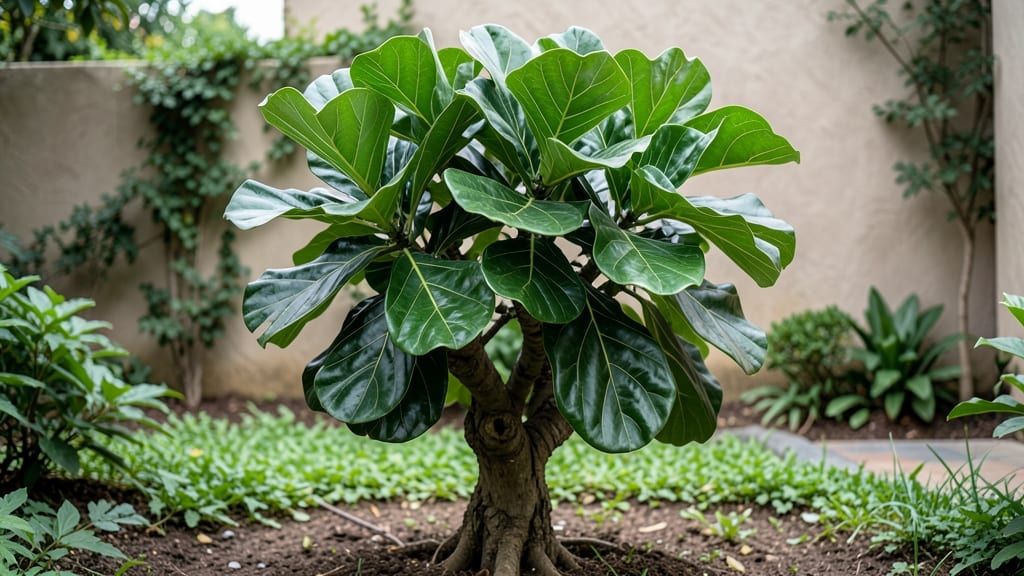
Ficus tree maintenance starts with understanding how these hardy plants reward consistent care with shockingly lush growth year after year—whether indoors or out. 🌿 I’ve kept ficus trees thriving for over a decade, and the key isn’t complicated: it’s about matching their natural habits with simple routines.
Too many people overwater or prune at the wrong time, which is why so many ficus trees end up leggy or stressed.
The beauty of ficus care lies in its adaptability. You’ll need basic tools—a sharp pair of pruners, a spray bottle for humidity, and a well-draining potting mix—but the real work is watching for subtle cues like yellowing leaves or slow growth.
Ficus trees respond instantly to proper light and watering adjustments, and once you find the right balance, they’ll reward you with glossy new leaves and sturdy branches.
By the end of this, you’ll have a ficus that looks like it belongs in a botanical garden, not just on your windowsill. The secret isn’t fancy techniques—it’s paying attention to what the plant tells you.
We’ll cover everything from seasonal trimming to soil needs, so you can keep yours healthy and vibrant no matter the season.
Whether you’re dealing with a towering outdoor specimen or a petite indoor variety, the same principles apply. Let’s get your ficus thriving—no guesswork required.
📚 In This Guide
- What you need
- Instructions
- Tips and common mistakes
- Wrapping up and next steps
What you need
- ● Pruning shears: Bypass pruners (sharp, 6-8" blades) for clean cuts on small to medium branches.
- ● Loppers: Bypass or anvil type (18-24" handles) for thicker branches (½"–1.5" diameter).
- ● Hand saw: Pruning saw with curved blade for branches thicker than 1.5".
- ● Gloves: Heavy-duty gardening gloves (nitrile-coated for grip and protection).
- ● Disinfectant: 70% isopropyl alcohol or rubbing alcohol to sterilize tools between cuts (prevents disease).
- ○ Sealing wax: Pruning sealant (optional but helpful for large cuts to prevent sap loss).
- ● Dust mask & safety goggles: Protect against debris, especially when sawing.
- ● Ladder or step stool: Sturdy, extendable (if your ficus is tall—ensure it’s rated for your weight!).
- ● Trash bags or compost bin: For clippings (ficus wood chips can be composted!).
- ● Sharpener: Pruner sharpening stone to keep blades razor-sharp.
- ● Hose or spray bottle: For rinsing tools post-pruning.
- ● Plant food: Balanced liquid fertilizer (e.g., 10-10-10) to revive your ficus after trimming.
- ● Root stimulator: If repotting or root-pruning, use mycorrhizal fungi or rooting hormone.
- ● Camera or sketchpad: To map out your pruning plan before you start!
Step-by-step instructions for ficus tree maintenance
Here's how I keep my ficus thriving year-round with simple, effective trimming.
🌿 Step 1: Assess Growth and Identify Trimming Needs
Start by examining your ficus for signs of overgrowth or leggy branches. Look for areas where new growth is sparse or where the tree looks top-heavy. Healthy ficus trees have a balanced shape with leaves evenly spaced along the branches. If you notice long, bare stems or branches growing inward, those are your first targets.
Run your hand along the branches to feel for new growth points—these are where you'll want to make cuts. Ficus trees respond well to pruning when you cut just above a leaf node (the small bump where leaves attach). This encourages bushier growth. Avoid cutting back more than one-third of the tree's foliage at once, as this can stress the plant.
✂️ Step 2: Sterilize Tools and Make Clean Cuts
Before you begin, sterilize your pruning shears or saw with rubbing alcohol to prevent spreading disease. I always do this step first—it's quick but critical. Use sharp tools to make clean cuts at a 45-degree angle just above a leaf node or outward-facing bud. This prevents water from pooling on the cut and reduces the risk of rot.
For thicker branches, use a small handsaw to avoid tearing the bark. Cut on the outer side of the branch to maintain the tree's natural shape. If you're removing a large section, step back occasionally to check the balance. You want to maintain the tree's natural silhouette while encouraging fuller growth. Avoid cutting into old, woody stems—they won't regrow leaves.
💧 Step 3: Encourage New Growth After Pruning
After trimming, give your ficus a deep watering to help it recover. Water until excess drains from the bottom of the pot, then let it sit for 10-15 minutes before emptying the saucer. Ficus trees are drought-tolerant but appreciate consistent moisture, especially after pruning. Wait until the top 1-2 inches of soil feel dry before watering again.
Place your ficus in a spot with bright, indirect light for a few weeks after trimming. Avoid direct sunlight, which can scorch new growth. You'll notice fresh leaves emerging from the cut nodes within 4-6 weeks. If you don't see new growth after 8 weeks, check for signs of stress like yellowing leaves or wilting—this could mean the tree needs more light or better drainage.
☀️ Step 4: Maintain Year-Round with Seasonal Adjustments
Ficus trees grow year-round, so adjust your trimming schedule based on seasonal changes. In spring, focus on shaping the tree and removing any dead or damaged branches. Summer is the best time for heavier pruning if needed, as the tree has plenty of energy to recover. In fall and winter, light pruning is enough—just remove any leggy growth or overcrowded branches.
Real talk: Over-pruning in winter can stress the tree, so I only do minimal maintenance then. Watch for new growth cues—if your ficus is pushing out fresh leaves in late winter, it's ready for a light trim. Always step back and admire your work! A well-maintained ficus will reward you with lush, vibrant foliage and a stronger structure over time.
Tips & tricks for perfect ficus tree maintenance
Here's what nobody tells you about keeping your ficus thriving after the initial trimming steps.
Leaf Node Location: When identifying leaf nodes in Step 1, look for the tiny bump where leaves attach—it's often hidden behind larger leaves. Run your fingers along the branch to feel for these bumps, especially on dense foliage. I learned this the hard way after cutting too far down and losing potential growth points. Aim to make cuts just above these nodes at a 45-degree angle as specified in Step 2.
Tool Sharpness Matters: Dull pruning shears can crush stems instead of making clean cuts, which invites disease. Before you begin, test your tools on a scrap piece of bark—if they don't cut smoothly, sharpen them first. I keep a small file in my gardening kit specifically for this purpose. For thicker branches, a fresh saw blade makes all the difference in preventing jagged edges that heal poorly.
Post-Pruning Watering: That 10-15 minute draining period in Step 3 is crucial—it prevents waterlogging while ensuring the roots get enough moisture. I've seen ficus trees develop root rot from overwatering after pruning, so don't rush this step. Consider using a moisture meter to check soil dryness before watering again, especially if your home has low humidity. The top 1-2 inches should feel dry to the touch before you water again.
Pro Tips for Ficus Tree Maintenance
- Here's what nobody tells you about keeping your ficus thriving after the initial trimming steps.
- Leaf Node Location: When identifying leaf nodes in Step 1, look for the tiny bump where leaves attach—it's often hidd...
- Tool Sharpness Matters: Dull pruning shears can crush stems instead of making clean cuts, which invites disease. Befo...
Frequently asked questions
Got questions about keeping your ficus tree thriving? You’re not alone! Here are some of the most common concerns—and straightforward answers—to help you maintain a lush, healthy plant year-round.
How often should I trim my ficus tree?
Prune your ficus lightly every 3–6 months to encourage bushier growth and remove dead or overgrown branches. For faster growth (like Ficus elastica or rubber plants), trim once a year in spring or early summer. Avoid heavy pruning in winter—it stresses the tree.
Can I trim a ficus tree in winter?
Winter is not ideal for major pruning, as ficus trees are dormant and heal slower. If you must trim, minimize cuts and focus on removing only dead or diseased branches. Wait until spring (when new growth begins) for full pruning sessions to avoid shock.
What should I do if my ficus tree drops leaves after trimming?
Leaf drop after pruning is normal if you cut too aggressively or stress the tree. To help it recover:
- Reduce watering temporarily (let soil dry slightly between waterings).
- Place the tree in bright, indirect light (avoid direct sun).
- Mist leaves or use a humidity tray to prevent dehydration.
Can I propagate my ficus tree from trimmings?
Ficus trimmings root easily in water or soil. For water propagation:
- Place cuttings (3–6 inches long) in a jar of water, ensuring the node (where leaves meet the stem) is submerged.
- Change water weekly and keep in bright, indirect light.
- Roots should appear in 2–4 weeks—then transplant to soil!
Why are my ficus leaves turning yellow or brown?
Yellow or brown leaves often signal overwatering, underwatering, or pests. Check these first:
- Overwatering: Let soil dry 1–2 inches deep between waterings.
- Underwatering: Water deeply until it drains from the bottom.
- Pests (spider mites, scale): Wipe leaves with soapy water or use neem oil.
- Sunburn: Move to indirect light if leaves scorch.
Wrapping up and next steps
Maintaining your ficus tree with regular trimming isn’t just about aesthetics—it’s the secret to keeping it thriving year-round! 🌿 By following the right techniques, you’ll encourage vibrant growth, prevent pests, and ensure your tree stays strong for seasons to come.
Now that you’re armed with the know-how, there’s no better time to grab those pruners and give your ficus the care it deserves.
Your next step? Schedule a quick trim session—whether it’s shaping those branches, removing dead growth, or just a little love for your leafy friend. With consistency, your ficus will reward you with lush, healthy foliage that’s the envy of every green thumb! 🌟