
Planting
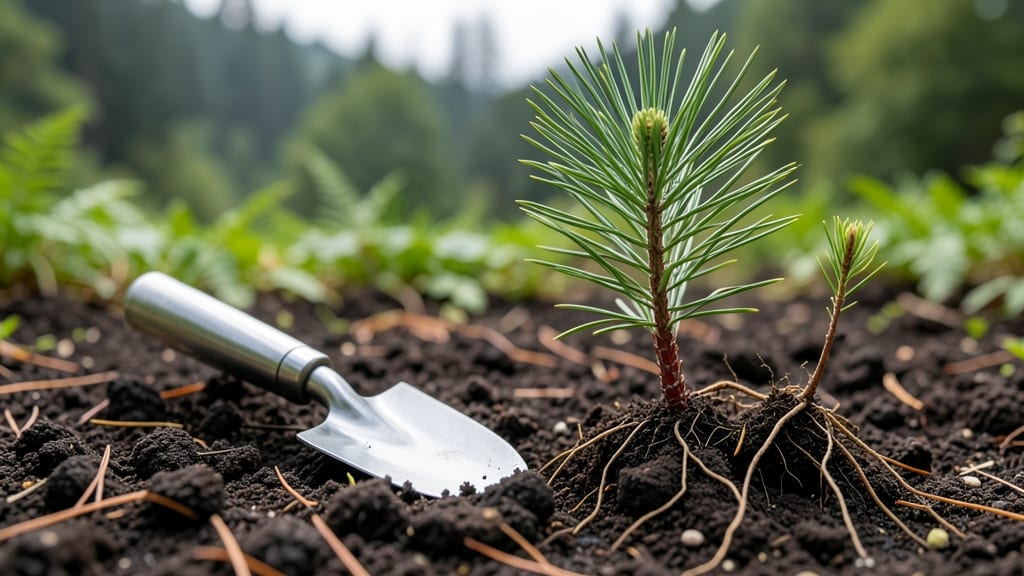
Planting pine trees requires patience and the right conditions to watch them grow into sturdy evergreens. 🌲 I’ve learned that the key isn’t just digging a hole—it’s choosing the perfect spot, prepping the soil, and giving those roots the space they need to thrive from day one.
The payoff? A backyard that smells like a forest and stays green all year, even in winter.
Start by picking a sunny location with well-draining soil—pines hate soggy feet. Most species need 6 to 10 feet of space between trees, so plan ahead if you’re planting multiple. The hole should be twice as wide as the root ball but only as deep—burying too deep suffocates the roots.
Use a shovel to loosen the soil around the edges for better water absorption.
After planting, water deeply to settle the soil and remove any air pockets. Mulch around the base (but keep it 3 inches away from the trunk) to lock in moisture and block weeds.
In the first year, water weekly during dry spells—pines are tough once established, but young trees need consistent care to take root.
Season matters too: plant in early spring or fall to avoid extreme heat or cold. Avoid common mistakes like overwatering (pines rot easily) or planting too close to other trees.
With the right setup, your pine will grow 1 to 2 feet per year, turning your yard into a long-term green sanctuary.
📚 In This Guide
- What you need
- Instructions
- Tips and common mistakes
- Wrapping up and next steps
What you need
- ● Pine tree seedlings or saplings: 1–10 (depending on your space and design—pro tip: 🌡️ Check local climate zones to pick cold-hardy varieties like Pinus sylvestris or Pinus strobus for best results!
- ● Shovel or spade: A 6–8-inch wide digging tool for planting holes.
- ● Garden gloves: Heavy-duty to protect your hands from rough soil and sap.
- ● Watering can or hose with a gentle spray nozzle: Pines hate soggy roots—aim for deep, infrequent watering!
- ○ Mulch (optional but recommended): 2–3 inches of pine bark, wood chips, or straw (avoid fresh wood chips—they can harbor pests!).
- ○ Fertilizer (optional): A slow-release, acidic fertilizer (e.g., 10-10-10 or pine-specific formula) to boost growth.
- ● Sunlight: Choose a spot with full sun (6+ hours/day)—pines thrive in bright conditions!
- ● Well-draining soil: Pines hate waterlogged roots. Amend heavy clay with sand or compost if needed.
- ● Spacious planting area: Space saplings 10–20 feet apart (depending on mature tree size).
- ● Weather check: Plant in early spring or fall (avoid extreme heat or frost).
- ● Local regulations: Verify if your area requires permits for planting large trees.
Step-by-Step guide for planting pine trees that will thrive for decades
Skip the guesswork—here’s my battle-tested method for planting pines that grow strong and healthy.
🪴 Step 1: Choose the Right Location and Prepare the Soil
Pines need full sun—at least 6 hours daily—and well-draining soil. Avoid low spots where water pools after rain. Test your soil: if it stays soggy for more than a day, amend it with 2-3 inches of coarse sand or gravel to improve drainage. I dig a hole twice as wide as the root ball but only as deep—pines hate being buried too deep, which can rot their roots.
Loosen the soil at the bottom of the hole with a shovel or your fingers. This helps roots spread out instead of circling the root ball. If your soil is heavy clay, mix in compost or peat moss to lighten it up. The goal is soil that drains like a sponge—water should flow through, not pool.
☀️ Step 2: Handle the Root Ball and Plant at the Right Depth
Remove the pine from its container and gently tease apart the roots if they’re circling. This prevents girdling, where roots strangle the trunk as the tree grows. Place the tree in the hole so the top of the root ball sits just above ground level—never deeper. Pines planted too deep suffocate and often die within a few years.
Fill the hole with native soil, tamping it lightly around the roots to remove air pockets. Don’t pack it down hard—you’ll crush the roots. Water deeply to settle the soil, then add a 2-inch layer of mulch (like pine bark or wood chips) around the base, keeping it 6 inches away from the trunk. Mulch helps retain moisture but also prevents the trunk from rotting if it stays too wet.
💧 Step 3: Water Deeply and Establish a Care Routine
Water the pine immediately after planting—give it 1-2 gallons (depending on tree size) to help roots settle into the soil. After that, water once a week unless it’s unusually dry or hot. Pines are drought-tolerant once established, but young trees need consistent moisture. You’ll know it’s time to water when the top 2 inches of soil feel dry—stick your finger in to check.
Skip fertilizing for the first year unless the soil is extremely poor. Over-fertilizing burns young roots. Instead, focus on protecting the tree from wind and extreme sun for the first growing season. A lightweight burlap wrap or shade cloth can help if your climate swings between scorching days and freezing nights.
✂️ Step 4: Prune and Monitor for Long-Term Health
Wait at least a year before pruning—pines are slow to heal. If you see dead branches (they’re brown, brittle, and snap easily), trim them in late winter or early spring when the tree isn’t actively growing. Use clean, sharp pruners and cut just outside the branch collar (the swollen area where the branch meets the trunk). Never leave stubs—they invite disease.
Watch for yellowing needles or stunted growth, which can signal root rot, pests, or poor drainage. If the soil stays waterlogged, the tree may need a soil drain fix (like adding more gravel). Pines are tough once established, but the first few years are critical. With the right care, yours will stand for 50+ years—that’s the beauty of evergreens.
Tips & tricks for perfect pine tree planting
These battle-tested tips will help your pine trees grow strong and healthy for decades.
Soil Preparation: When amending heavy clay soil in Step 1, mix in compost or peat moss thoroughly—don't just layer it on top. The goal is to create a well-draining sponge-like texture throughout the planting hole. I like to test the soil's drainage by filling the hole with water and checking how quickly it drains—if it takes more than 30 minutes, you need more sand or gravel. This prevents waterlogging that can kill young pine roots.
Root Handling: In Step 2, gently teasing apart circling roots is crucial—don't force it. If roots are tightly bound, soak the root ball in water for 15-20 minutes first to make them more pliable. Remember, the top of the root ball should sit just above ground level. I use a small wooden stake to mark the original soil line before planting as a reference point.
Watering Wisdom: After planting, the immediate 1-2 gallons of water in Step 3 should be applied slowly to allow proper soil settling. For the first week, I recommend watering twice weekly instead of once to help roots establish. Use your finger to check soil moisture—if the top 2 inches feel dry, it's time to water, but don't let the soil stay soggy.
Mulching Matters: That 2-inch layer of mulch in Step 2 should be spread in a donut shape, keeping it 6 inches away from the trunk. Too much mulch touching the trunk can cause rot. I prefer pine bark mulch because it matches the tree's natural environment and breaks down slowly. Refresh the mulch layer annually to maintain its protective benefits.
Pro Tips for Plant Pine Trees
- These battle-tested tips will help your pine trees grow strong and healthy for decades.
- Soil Preparation: When amending heavy clay soil in Step 1, mix in compost or peat moss thoroughly—don't just layer it on top.
- Root Handling: In Step 2, gently teasing apart circling roots is crucial—don't force it.
Frequently asked questions
Got questions about planting pine trees?
Here are answers to the most common ones—from timing to troubleshooting—so you can grow confidently!
When is the best time to plant pine trees?
The ideal times are early spring (March–April) or fall (September–October). These seasons offer mild temperatures, reducing transplant shock. Avoid planting in extreme heat or cold—pines struggle with stress during these times. If you must plant in summer, do it on a cloudy day or water deeply afterward.
How often should I water newly planted pine trees?
Water deeply 2–3 times per week for the first year, ensuring the soil stays consistently moist but not soggy. After that, reduce to once a week (or less in rainy climates). Pines hate "wet feet," so improve drainage if your soil is heavy clay. Mulch around the base (but not touching the trunk) to retain moisture.
Can I plant pine trees in containers or small spaces?
Yes! Dwarf pine varieties (like Pinus mugo or Pinus thunbergii) thrive in 5–15 gallon containers with well-draining soil. For larger pines, ensure the container is at least 3x wider than the root ball and use a fast-draining mix. In tight spaces, prune lower branches to create clearance, but avoid heavy pruning—pines grow slowly!
Why are my pine needles turning brown?
Brown needles usually signal drought stress, pests, or disease. Check for:
- Spider mites/scale insects: Spray with neem oil or insecticidal soap.
- Fungal issues (like needle blight): Improve airflow and avoid overhead watering.
- Environmental stress: Move to partial shade if in hot, dry conditions.
What’s the fastest way to establish a pine tree?
For rapid growth, amend the soil with compost or peat moss before planting, and use a slow-release fertilizer (like 10-10-10) in early spring. Mulch heavily (3–4 inches) to protect roots and retain moisture. Choose fast-growing species like Ponderosa pine or Loblolly pine if speed is a priority—though all pines grow slowly compared to deciduous trees.
Wrapping up and next steps
Planting pine trees is a rewarding way to add beauty, shade, and wildlife benefits to your landscape—and you’ve got all the know-how now! 🌲 From choosing the right variety to nurturing young saplings, every step matters for long-term success.
Whether you’re a beginner or a seasoned gardener, your new evergreens will thrive with patience and care.
Ready to take the next step? Mark your calendar for seasonal planting times, monitor soil health, and enjoy watching your pines grow into stunning, low-maintenance giants. Happy planting—your future shade (and wildlife friends!) will thank you! 🌱✨