
Pruning
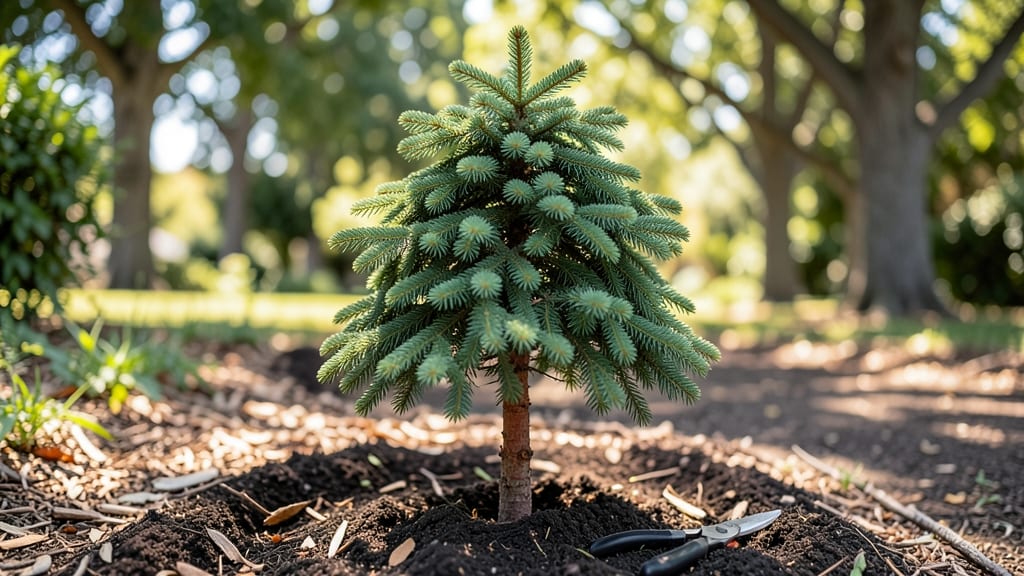
Growing a sequoia tree sapling in the Pacific Northwest means nurturing a living monument right in your backyard—these giants start small but think big.
I’ve watched my own young sequoia push through thick soil and early frosts, proving that with the right care, even a sapling can become a towering legacy.
The key isn’t just patience—it’s knowing when to prune, how to water, and where to plant so those delicate first branches survive winter’s bite.
You’ll need well-draining soil mixed with compost, a spot with full sun (at least 6 hours daily), and space to grow—these trees aren’t picky, but they do hate soggy roots.
Water deeply once a week (more in summer), and start pruning in late winter to shape the canopy while it’s still dormant. The goal? Strong branches that can handle snow and wind without snapping.
By year three, you’ll see thick, glossy needles and a trunk that’s already thicker than your wrist—proof the sapling is thriving.
Prune strategically to encourage upward growth, and you’ll end up with a tree that outlasts you, its roots running deep into the earth like the ancient forests of the Sierra Nevada. Here’s how to give it the best start.
This method works for urban yards and rural homesteads alike—just adjust watering for clay soil or wind exposure. The real magic? Watching a sapling transform into a 100-foot sentinel over decades, all because you gave it the right care from day one. Let’s get those roots growing strong.
📚 In This Guide
- What you need
- Instructions
- Tips and common mistakes
- Wrapping up and next steps
What you need
- ● Sequoia sapling: A healthy, 1–3-year-old sapling (6–24 inches tall) with no signs of disease.
- ● Pruning shears: Sharp, bypass-style shears (for cuts <¼ inch in diameter).
- ● Loppers: For thicker branches (¼–1 inch in diameter).
- ● Gloves: Heavy-duty gardening gloves (to protect from sap and thorns).
- ● Disinfectant: 70% isopropyl alcohol or a 10% bleach solution (to sterilize tools between cuts).
- ○ Pruning sealant: Optional but helpful (e.g., tree wound paint) for large cuts.
- ● Watering can or hose: With a gentle spray nozzle for post-pruning hydration.
- ● Mulch: 2–4 inches of wood chips or bark (to insulate roots from frost).
- ● Frost cloth: Lightweight fabric to wrap young saplings during early frosts.
- ● Staking system: 3–4 stakes + soft ties (if sapling is top-heavy or in windy areas).
- ● Soil moisture meter: To monitor root-zone hydration (especially in drought-prone zones).
- ● Organic fertilizer: Slow-release, balanced formula (e.g., 10-10-10) for spring feeding.
How to prune a young sequoia sapling for Pacific Northwest resilience
Here's how I've learned to shape these giants-in-the-making to thrive through our region's wet winters and dry summers.
Assess the Sapling's Structure Before Pruning
Start by examining your 4-foot-tall sequoia sapling for any weak or crossing branches. Sequoias naturally grow with a strong central leader, so your goal is to encourage that dominant trunk while removing anything that competes for energy. Look for branches growing at sharp angles—these often break in storms.
Run your hand along the trunk and branches to feel for any dead or diseased wood. Healthy branches should feel firm, while weak or dying branches will be soft or brittle. Mark these with a small piece of twine or a flagging tape if you're unsure—you'll want to remove them first.
Remove Dead and Competing Branches First
Use clean, sharp pruning shears to make your first cuts. Start with any dead or diseased branches, cutting back to the branch collar—the swollen area where the branch meets the trunk. This ensures the wound heals properly and reduces the risk of infection.
Next, remove any branches that are growing straight up from the main trunk, competing with the central leader. Cut these at their base, leaving no stubs. Sequoias can handle some pruning, but don't remove more than 15-20% of the foliage in one session—this could stress the young tree.
Thin Out the Canopy for Better Airflow
Step back and look at the sapling's overall shape. Sequoias benefit from an open, airy canopy that allows light to reach the lower branches. Focus on removing branches that are rubbing against each other or growing inward—these create weak points and can lead to disease.
For thicker branches, use pruning saws to make clean cuts just outside the branch collar. Avoid leaving stubs, as these can trap moisture and rot. After each cut, wipe your tools with rubbing alcohol to prevent the spread of any potential pathogens.
Shape the Sapling for Wind and Frost Resistance
Sequoias in the Pacific Northwest need to develop strong, flexible branches that can withstand heavy winds and frost. Gently guide the remaining branches to grow outward and upward, away from the trunk. You can use soft plant ties to support branches in the desired position if needed.
Pay special attention to the lower branches—while sequoias naturally shed lower limbs as they mature, you can encourage a stronger trunk by removing a few of the lowest branches now. This helps the tree direct energy upward, building a sturdier structure for future growth.
Clean Up and Monitor for Recovery
After pruning, remove all cut branches and debris from the area to keep the base of the tree clean. This reduces the risk of pests and diseases taking hold. Water the sapling deeply to help it recover, especially if you've made significant cuts.
Monitor the tree over the next few weeks for any signs of stress, such as yellowing leaves or oozing sap. If you see these signs, it may mean you pruned too aggressively. Sequoias are resilient, but young saplings need time to heal. Avoid pruning again for at least 6-12 months unless you notice new issues.
Tips & tricks for pruning young sequoia saplings
Pruning these towering trees starts small—and these details make all the difference between a resilient giant and a struggling sapling.
Branch Collar Precision: When cutting branches in Step 2, focus on the branch collar—the swollen area where the branch meets the trunk. This is where the tree naturally heals, and cutting just outside this zone prevents unsightly stubs that can trap moisture and invite rot. I've seen too many pruning jobs go wrong because people cut too close or too far, so take your time here—it's worth the extra attention.
Seasonal Timing Matters: The Pacific Northwest's wet winters and dry summers create the perfect window for pruning. Aim to prune during late winter or early spring, just as new growth begins. This timing allows the tree to heal before summer's heat stress and gives it time to recover before winter's chill. Avoid pruning in fall, when the tree is preparing for dormancy and healing would be slower.
15-20% Rule: Never remove more than 15-20% of the foliage in one session, as mentioned in Step 2. This guideline prevents stressing the young tree, which could make it vulnerable to pests or disease. If your sapling looks particularly dense, consider spreading pruning over two sessions with at least a month between them. Think of it like giving your tree a spa day—gradual improvements work best.
Monitoring Recovery: After pruning, keep an eye out for signs of stress like yellowing leaves or oozing sap, as noted in Step 5. These are your tree's way of saying, "Hey, I'm struggling here." If you see these signs, it's a clear signal to back off and let the tree recover. Remember, sequoias are patient trees—they grow slowly but live for millennia, so there's no rush to see results.
Pro Tips for Sequoia Tree Sapling
- Pruning these towering trees starts small—and these details make all the difference between a resilient giant and a struggling sapling.
- Branch Collar Precision: When cutting branches in Step 2, focus on the branch collar—the swollen area where the branch meets the trunk.
- Seasonal Timing Matters: The Pacific Northwest's wet winters and dry summers create the perfect window for pruning.
Frequently asked questions
Got questions about nurturing your sequoia tree sapling in the Pacific Northwest? You’re not alone! Here are answers to the most common concerns—from frost prep to pruning pitfalls—so you can grow a thriving, resilient giant.
When is the best time to plant a sequoia sapling in my region?
Plant your sapling in early spring (March–April) or fall (September–October) to avoid frost and heat stress. The Pacific Northwest’s mild winters make fall ideal—just ensure the ground isn’t frozen. Avoid summer planting; saplings struggle with drought and extreme heat.
How do I protect my sapling from frost damage?
Sequoias are frost-tolerant, but young saplings need extra care. Mulch heavily (3–4 inches) with wood chips to insulate roots, and wrap the trunk with burlap if temps drop below 20°F. Water deeply before frost to reduce stress, and avoid pruning in late fall/winter—new growth is vulnerable.
Can I prune my sequoia sapling right after planting?
No—wait 6–12 months before pruning. Focus on removing only dead, diseased, or crossing branches (use sterilized tools!). Prune in late winter/early spring to encourage healthy growth. Avoid heavy pruning; sequoias grow slowly and need their energy for root establishment.
What’s the fastest way to tell if my sapling is healthy?
Healthy sequoia saplings have:
- Bright green, flexible needles (not yellow/brown).
- Smooth, tan bark (rough bark appears with age).
- New growth at branch tips (spring/summer).
- No oozing sap or fungal spots on leaves/trunk.
Are there smaller, low-maintenance alternatives to sequoias?
If sequoias seem too high-maintenance, try these Pacific Northwest-friendly evergreens:
- Douglas fir – Faster-growing, drought-tolerant.
- Western red cedar – Thrives in shade, pest-resistant.
- Port Orford cedar – Compact, great for small yards.
Why are my sapling’s leaves turning brown?
Brown leaves usually signal one of these issues:
- Overwatering – Check soil moisture; sequoias prefer well-draining soil.
- Underwatering – Water deeply 1–2x/week (more in summer).
- Fungal disease – Remove affected branches, prune for airflow, and avoid overhead watering.
- Frost burn – New growth is sensitive; protect young leaves in late spring.
Wrapping up and next steps
Growing a frost-resilient sequoia tree sapling is a rewarding journey that blends patience, care, and a deep connection to nature.
By mastering the right pruning techniques—like removing dead branches, thinning for airflow, and shaping for strength—you’re setting the stage for a majestic giant that thrives in the Pacific Northwest’s climate. Now’s your chance to take action: grab those pruners, roll up your sleeves, and give your sapling the love it deserves. Your future forest starts with one small, deliberate step today! 🌲✨