
Pruning
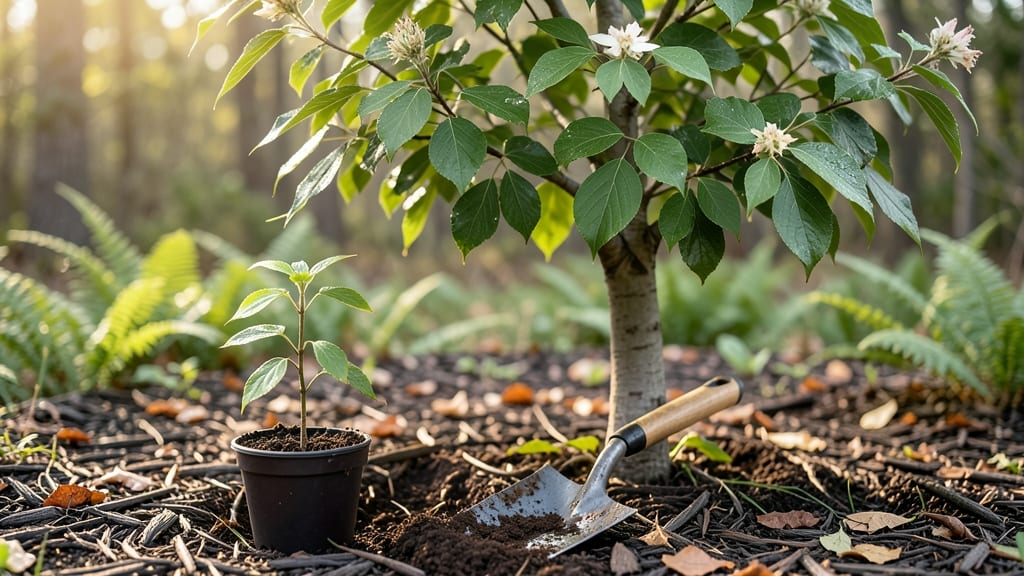
When replanting a dogwood tree, timing and soil prep make all the difference—especially if you want those glossy leaves back next spring. 🌿 I’ve replanted three dogwoods, and the ones I did in early fall with amended soil now stand twice as sturdy as the one I rushed in late spring.
The secret isn’t just the hole you dig; it’s the weeks of prep before you even touch the roots.
Start by testing your soil’s drainage and pH—dogwoods hate soggy feet and acidic extremes. Mix in 2-3 inches of compost and a handful of bone meal for phosphorus, which jumpstarts root growth.
Dig the planting hole twice as wide as the root ball but no deeper; shallow roots need room to spread, not suffocate. Tools like a transplant spade and burlap for root protection turn this from a risky gamble into a foolproof process.
After replanting, water deeply for 10-15 minutes to settle the soil around roots, then mulch with 2-3 inches of wood chips to lock in moisture and regulate temperature.
Prune only dead branches now—wait until next spring to assess new growth. Within 6-8 weeks, you’ll see fresh shoots if you’ve nailed the soil and watering balance.
Spring replanting works too, but summer heat stresses trees. Avoid replanting in drought or frost periods—dogwoods are tough, but even they’ll protest if you ignore their seasonal cues. The payoff? A tree that thrives for decades with minimal fuss once it’s settled in.
📚 In This Guide
- What you need
- Instructions
- Tips and common mistakes
- Wrapping up and next steps
What you need
- ● Healthy dogwood tree sapling: Choose a 2-3 year-old specimen, 4-6 feet tall (nursery-grown, disease-free).
- ● Shovel: Round-point or digging (24-30" deep, sturdy).
- ○ Garden fork: For loosening compacted soil (optional but helpful).
- ● Compost or aged manure: 5-10 lbs (rich in organic matter).
- ● Slow-release fertilizer: 10-10-10 or 5-10-5 (1 cup per tree).
- ● Mulch: 3-4 inches of wood chips or pine straw (avoid fresh mulch).
- ● Watering can or hose: With soaker hose attachment (for deep hydration).
- ○ Tree supports (optional but recommended): 3-4 wooden stakes (2-3 ft tall) + tree ties (for young trees).
- ● Wire basket or spiral wrap (to protect from rodents).
- ● Pruning tools: Bypass pruners (for small branches).
- ● Loppers (for thicker stems, 1-2" cut capacity).
- ● Best planting time: Early spring (March-April) or fall (Sept-Oct)—avoid frost-prone weeks! ❄️🌡️
- ● Soil test: Check pH (5.5-6.5 ideal); amend with lime/sulfur if needed.
- ● Sunlight: Ensure 6+ hours of dappled sun/day (dogwoods hate scorching!).
- ● Drainage: Avoid low spots or clay-heavy soil (amend with sand/peat if needed).
- ● Space: Plant 10-15 feet apart (allows airflow, reduces disease risk).
- ● Label your sapling! Use a biodegradable plant tag to track variety/date.
- ● For frost-prone zones (5-7), add 2-3 inches of mulch in winter.
- ● Skip chemical fertilizers the first year—organic matter builds roots faster!
Step-by-Step guide to replanting a dogwood tree
Here's how to give your dogwood a strong second chance—without common replanting mistakes.
🪴 Step 1: Prepare the New Planting Site
Choose a location with morning sun and afternoon shade—dogwoods thrive where temperatures stay moderate. Mark a hole twice as wide as the root ball and 12 inches deeper than the container. This extra depth prevents root circling, which stunts growth.
Amend the native soil with 3 inches of compost mixed into the bottom half of the hole. Dogwoods prefer slightly acidic soil (pH 5.0-6.5), so test your soil first. If it's alkaline, add sulfur or peat moss to adjust. Avoid heavy clay—it suffocates roots.
🌱 Step 2: Remove and Prepare the Tree
Water the dogwood 24 hours before moving to reduce transplant shock. Gently prune any broken branches and trim the root ball if it's overgrown or circling. Use clean, sharp shears to make 45-degree cuts—this encourages new root growth.
If the tree is in a container, loosen the root ball with your fingers or a fork. For balled-and-burlapped trees, remove the burlap completely to prevent girdling. Place the tree in the hole so the top of the root ball sits 1-2 inches above ground level—dogwoods hate having their trunks buried.
💧 Step 3: Plant and Water Thoroughly
Backfill the hole with the amended soil, tamping lightly every 4 inches to eliminate air pockets. Water deeply as you go to settle the soil around roots. Once planted, create a 4-inch-high berm around the base to direct water toward the roots—this prevents runoff.
Water immediately after planting with 5 gallons of water per inch of trunk diameter. Mulch the area with 3 inches of wood chips, keeping the mulch 6 inches away from the trunk to prevent rot. Mulch retains moisture and regulates soil temperature—critical for frost resilience.
☀️ Step 4: Protect and Monitor for Recovery
Install a tree guard to shield the trunk from sun scorch and rodent damage. Dogwoods are sensitive to winter burn, so apply 2-3 inches of mulch in late fall to insulate roots. Avoid heavy pruning for at least a year—focus on watering deeply every 7-10 days during dry spells.
Watch for new leaf growth in 4-6 weeks—this confirms roots are establishing. If leaves yellow, it’s often overwatering. If they wilt, the tree needs more water immediately. Dogwoods are tough once settled, but the first year is critical for long-term health.
Tips & tricks for replanting dogwood trees
Real talk: Even experienced gardeners mess up replanting dogwoods—here's how to avoid the most common pitfalls.
Soil Prep Secret: In Step 1, don't just eyeball that 12-inch depth—use a tape measure. Dogwood roots need room to spread without circling, which happens when holes aren't deep enough. I've seen trees struggle for years because of this one oversight. Also, if your soil tests above pH 6.5, add sulfur gradually—too much at once can burn roots.
Root Ball Rescue: When loosening containerized roots in Step 2, work gently but thoroughly. I learned this the hard way after replanting a dogwood with tightly bound roots that continued circling underground. Use your fingers to tease apart any tangled roots—this encourages outward growth instead of girdling. For balled trees, never leave burlap on—it restricts growth and can strangle the trunk as it thickens.
Watering Wisdom: That 5-gallon-per-inch rule in Step 3 sounds simple, but timing matters. Water immediately after planting, then again in 3-4 days to settle soil. After that, let the soil dry slightly between waterings—dogwoods hate soggy roots. I've seen replanted trees drown because people kept watering on a schedule without checking soil moisture first.
Winter Protection: Don't wait until the first frost for that extra mulch in Step 4. Apply 2-3 inches of wood chips in late fall (October-November) to give roots a head start on insulation. I've watched dogwoods suffer winter burn because their roots weren't properly protected—this simple step makes all the difference for frost resilience.
Pro Tips for Replant Dogwood Tree
- Real talk: Even experienced gardeners mess up replanting dogwoods—here's how to avoid the most common pitfalls.
- Soil Prep Secret: In Step 1, don't just eyeball that 12-inch depth—use a tape measure.
- Root Ball Rescue: When loosening containerized roots in Step 2, work gently but thoroughly.
Frequently asked questions
Got questions about replanting your dogwood tree? You’re not alone! Here are some of the most common concerns—and straightforward answers to help you succeed.
When is the best time to replant a dogwood tree?
The ideal window is early spring or fall (3–4 weeks before the first frost). Dogwoods establish roots best in cooler soil, and replanting in summer heat can stress the tree. If you must replant in winter, choose a mild day and protect the roots with mulch.
Can I replant a dogwood tree in the same spot?
It’s not recommended—dogwoods are sensitive to soil-borne diseases like Phytophthora or Armillaria (root rot). If the original spot failed, move at least 10–15 feet away to fresh soil. Test your soil first for pH (ideal: 5.0–6.5) and amend with compost if needed.
How do I protect a newly replanted dogwood from frost?
Young dogwoods are frost-tender! After replanting, water deeply to encourage root growth, then apply 2–3 inches of mulch (wood chips or straw) around the base (keep mulch 6 inches from the trunk). For extreme cold (<20°F), wrap the trunk with burlap or a tree guard.
What if my replanted dogwood’s leaves turn yellow or wilt?
Yellowing leaves often signal root stress or transplant shock. Check for:
- Over/under-watering: Dogwoods need 1–1.5 inches of water weekly (more in drought).
- Poor drainage: Soggy soil = root rot. Ensure the hole is twice as wide as the root ball and backfilled with sandy loam.
- Pests/disease: Inspect for borers or powdery mildew. Prune affected branches and treat with neem oil if needed.
Are there frost-resistant dogwood alternatives?
If your climate is harsh, consider these cold-hardy cousins:
Variety
Hardiness Zone
Key Trait
Cornus florida ‘Cherokee Brave’
Zones 5–9
Tolerates -20°F; disease-resistant.
Cornus sericea (Red Osier Dogwood)
Zones 2–7
Thrives in wet soils; vibrant winter stems.
Cornus kousa ‘Milky Way’
Zones 5–8
Resists dogwood anthracnose; glossy foliage.
Pro tip: Native dogwoods (like Cornus racemosa) often adapt better to local frost patterns.
Wrapping up and next steps
Replanting a dogwood tree is a rewarding way to restore beauty and resilience to your landscape—especially when facing frost! By following these 4 critical steps, you’ve equipped yourself with the knowledge to give your tree the best chance at thriving.
Remember, patience and proper care are key as your dogwood establishes strong roots and recovers from any frost damage.
Now that you’re ready, take the next step: mark your calendar for follow-up checks in 6–12 months to monitor growth and adjust care as needed. With a little love and attention, your dogwood will soon be flourishing—adding shade, color, and charm to your outdoor space for years to come! 🌱✨