
Pruning
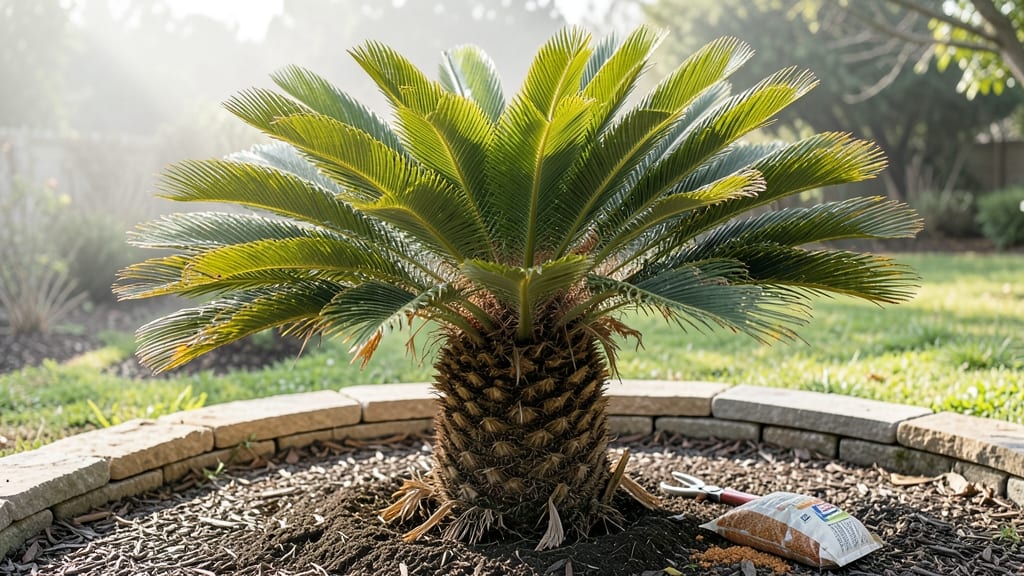
Three palm trees can turn your backyard into a sun-drenched escape—no passport required. 🌴 I planted mine last spring after years of dreaming about that resort vibe at home, and the transformation was instant.
The key isn’t just the palms themselves but how they frame the space around them, creating layers of tropical drama even in a modest yard.
Start with spacing: give mature palms 15-20 feet between trunks for that "planted by a pro" look. Pair them with bamboo, bird-of-paradise, or hibiscus to fill in the gaps, and add pebbled pathways to tie it all together.
For smaller spaces, dwarf palms like the Pygmy Date or Parlor Palm work beautifully in large containers, letting you rearrange your "mini grove" as seasons change.
What you’ll end up with is a year-round focal point that smells like vacation—salt air, crushed pine needles, and the occasional rustle of palm fronds. The right placement makes them feel intentional, not random, whether they anchor a patio, line a driveway, or create a cozy corner for evening drinks.
And yes, they’ll grow together over time, forming that perfect tropical trio you’ve always wanted.
Works in USDA Zones 8-11 (with winter protection in cooler areas) and adapts to containers for renters or urban spaces. The secret? Treat them like the stars they are—give them room to shine, and they’ll return the favor with drama, texture, and that unmistakable island feel. Ready to start planning?
📚 In This Guide
- What you need
- Instructions
- Tips and common mistakes
- Wrapping up and next steps
What you need
- ● 3 Palm Trees: Choose between Dwarf Palmetto, Mediterranean Fan Palm, or Mexican Fan Palm (check local climate suitability).
- ● High-Quality Potting Soil (or Native Soil): 50 lbs per palm (or 2-3 cubic feet per planting hole). Use a mix with sand and compost for drainage.
- ● Slow-Release Fertilizer: 10-10-10 NPK blend (1 lb per palm) or organic options like fish emulsion.
- ● Mulch: 2-3 inches of pine bark or coconut coir (covers 3 ft radius per tree).
- ● Support Stakes: 3 bamboo or wooden stakes (6 ft tall, 1 per palm for stability).
- ● Pruning Tools: 1 sharp bypass pruner (for small fronds).
- ● 1 pruning saw (for thicker trunks/stems).
- ● 1 sterilizing solution (70% isopropyl alcohol or bleach).
- ● Safety Gear: Gloves (cut-resistant), safety goggles, and long sleeves.
- ● Digging Tools: Shovel, trowel, and garden fork (for aerating soil).
- ● Watering Supplies: Hose with nozzle (or 5-gallon watering can for seedlings).
- ○ Optional (But Helpful): Soil pH tester (ideal range: 5.5–7.0).
- ● Root stimulator (e.g., mycorrhizal fungi for faster growth).
- ● Decorative rocks or palm tree saucers (for aesthetics).
Step-by-Step guide to planting and caring for three palm trees
Here’s how to establish a thriving trio of palms that’ll bring that island vibe home.
🪴 Step 1: Select and Prepare Planting Sites
Palms thrive in well-draining soil with full sun exposure (at least 6-8 hours daily). Choose a spot where the soil isn’t compacted—palms hate soggy roots. If your yard has heavy clay, amend the soil with 2-3 inches of organic matter (like compost or aged wood chips) mixed into the top 12 inches of soil. This improves drainage and aeration, which is critical for young palms.
Space your three palm trees 10-15 feet apart—this gives them room to grow without competing for nutrients or light. If planting near a structure (like a patio or fence), ensure there’s at least 5 feet of clearance for mature fronds. Dig holes twice as wide as the root ball but no deeper—palms prefer to sit slightly above ground level to prevent water pooling.
🌱 Step 2: Plant with Care for Stability and Drainage
Gently remove the palm from its container and loosen the root ball if it’s tightly bound. Place the tree in the hole, ensuring the root flare (where the roots meet the trunk) sits 1-2 inches above the surrounding soil. This prevents rot and encourages strong anchoring. Backfill with native soil, tamping lightly every 2-3 inches to eliminate air pockets.
Water deeply right after planting to settle the soil and encourage root contact. Use 1-2 gallons of water per palm, applied slowly at the base. Avoid watering the fronds—this can lead to fungal issues. Mulch around the base with 2-3 inches of organic mulch (like pine bark), keeping it 6 inches away from the trunk to prevent moisture buildup against the bark.
☀️ Step 3: Establish a Watering and Fertilizing Routine
Newly planted palms need consistent moisture for the first 6-8 weeks to help roots establish. Water 2-3 times per week, providing 3-5 gallons per tree each time, until the soil is 6 inches deep and evenly moist. After this period, reduce to once weekly during dry spells, checking soil moisture with your finger—water when the top 2 inches feel dry. Overwatering is a common killer of young palms.
Start fertilizing 3 months after planting with a balanced, slow-release palm fertilizer (like 8-2-12 or 6-3-6). Apply half the recommended dose at planting time, then follow up with the full dose every 3-4 months during the growing season (spring through fall). Avoid high-nitrogen fertilizers—they promote leafy growth at the expense of trunk strength. Always water palms 24 hours before and after fertilizing to prevent root burn.
✂️ Step 4: Prune and Protect for Long-Term Health
Palms are low-maintenance, but dead or yellow fronds should be removed to redirect energy to new growth. Use clean, sharp pruners to cut fronds at the base of the trunk, leaving a small stub. Never leave stubs longer than 1 inch—this can attract pests. Prune only when fronds are completely dry (no green tissue remains), usually in late winter or early spring before new growth begins.
Watch for pests like palm weevils or aphids, which can weaken trees. Treat infestations early with neem oil or insecticidal soap, applying in the early morning or late evening to avoid harming beneficial insects. In colder climates, wrap young palms in burlap or frost cloth during unexpected freezes—most palms tolerate down to 20°F, but new growth is more sensitive. Here’s the thing—palms are resilient, but prevention is easier than recovery.
Tips & tricks for perfect palm tree planting
Took me years of trial-and-error to master these simple secrets that'll help your trio of palms thrive from day one.
Soil Science Matters: Don't just assume your soil drains well—dig a test hole and fill it with water. If it doesn't drain within 30 minutes, you'll need to amend that soil with 2-3 inches of compost mixed into the top 12 inches as instructed. I've seen palms fail spectacularly in "good enough" soil that was actually too compacted. For the best results, test your soil's pH too—palms prefer slightly acidic soil between 5.5-6.5. You can buy a simple pH test kit for under $10 at any garden center.
Root Flare Visibility: This is the one detail most people miss in Step 2. The root flare (where the roots meet the trunk) should be clearly visible and sit 1-2 inches above ground level. I've seen people bury this critical junction, which leads to rot and weak growth. If your palm's root flare is buried in the pot, gently loosen the root ball and tease it out before planting. Think of it as the palm's "waistline"—it needs to breathe!
Watering Wisdom: The 3-5 gallons per tree during the first 6-8 weeks might sound like a lot, but palms need deep watering to establish strong roots. Here's the trick: water slowly at the base until you see water running out from the bottom of the hole. This ensures the water penetrates 6 inches deep as recommended. I use a soaker hose for this—it's more efficient than a regular hose and prevents water from splashing onto the fronds, which can cause fungal issues.
Pro Tips for 3 Palm Tree
- Took me years of trial-and-error to master these simple secrets that'll help your trio of palms thrive from day one.
- Soil Science Matters: Don't just assume your soil drains well—dig a test hole and fill it with water.
- Root Flare Visibility: This is the one detail most people miss in Step 2.
Frequently asked questions
Got questions about creating your own tropical oasis with three palm trees?
Here are some of the most common queries—plus quick, practical answers to help you get started (or troubleshoot) with ease!
How do I choose the right types of palm trees for a small backyard?
Opt for dwarf or slow-growing varieties like the Pygmy Date Palm or Chinese Fan Palm—they thrive in containers and won’t outgrow your space. Avoid fast-growing species like the Coconut Palm unless you have ample room and can prune regularly. Pro tip: Check your USDA hardiness zone to pick cold-hardy palms!
How long does it take for three palm trees to establish and look lush?
With proper care, you’ll see noticeable growth in 6–12 months, but full "tropical vibes" take 2–3 years. Young palms need consistent watering (deep soaks 2–3x/week) and occasional fertilizer (every 6–8 weeks in growing season). Patience pays off!
What’s the best way to prune palm trees without killing them?
Only remove dead or brown fronds—never more than ⅓ of the crown at once! Use sharp, sterilized pruners or a pruning saw, and cut just above the leaf base (never the trunk). Warning: Avoid "topping" (cutting the crown off)—this stresses the tree and attracts pests.
Are there affordable alternatives to real palm trees for a tropical look?
Yes! Try artificial palms (realistic fiberglass options start at $50–$150 each), bamboo or banana plants (fast-growing and budget-friendly), or ornamental grasses like Pennisetum. For a low-maintenance vibe, mix in palm-shaped succulents or air plants!
Why are my palm trees turning yellow or dropping fronds?
Yellowing fronds usually signal overwatering, underwatering, or nutrient deficiency. Check the soil—it should be slightly moist but not soggy. If fronds are brown and crispy, it’s drought stress; if yellow and mushy, it’s root rot. Adjust watering and fertilize with a palm-specific feed (like 8-2-12) every 2–3 months.
Can I grow three palm trees in containers, and what size pots do I need?
Use large containers (15–20 gallons each) with drainage holes and a fast-draining mix (60% potting soil, 30% perlite, 10% sand). Dwarf palms can start in 10-gallon pots, but upgrade as they grow. Move containers indoors or to a sheltered spot if temps drop below 30°F.
Wrapping up and next steps
Transforming your backyard into a tropical oasis with three palm trees is totally within reach—whether you’re a green thumb or just starting your gardening journey! 🌴 These versatile plants bring year-round beauty, shade, and that dreamy vacation vibe to your space.
Remember, the key lies in pruning for health, safety, and style, so don’t hesitate to roll up your sleeves and get hands-on.
Ready to dive deeper? Start by choosing the perfect palms for your climate, then sketch a simple layout to maximize their impact. And if you’re feeling ambitious, explore container gardening or creative pruning techniques to take your oasis to the next level.
Your backyard paradise awaits—let’s make it happen! ✨