
Pruning
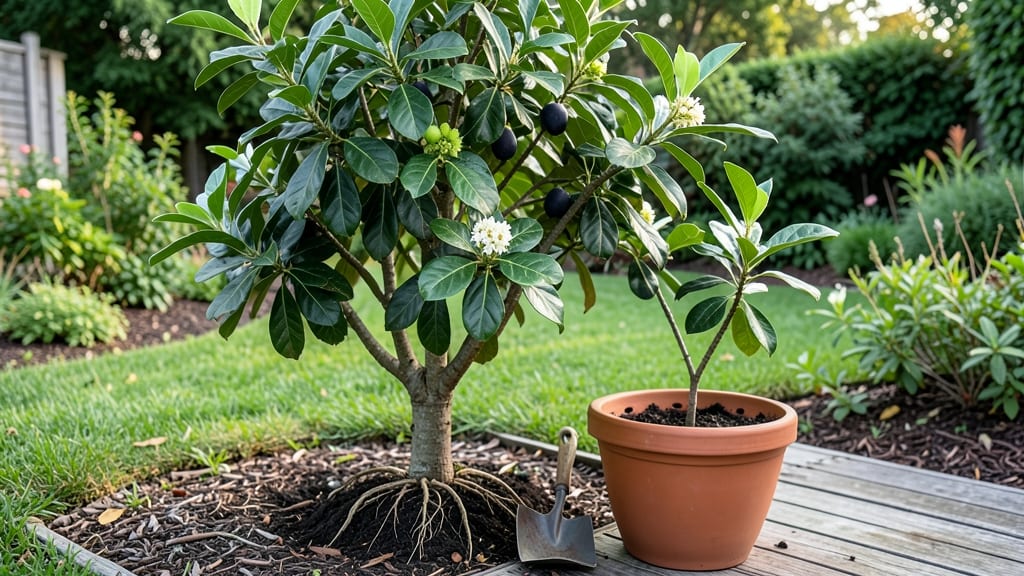
When replanting an avocado tree, the difference between a thriving plant and a struggling one often comes down to root protection and smart timing. 🌱 I’ve replanted avocados from both seed pits and mature trees, and the ones that survived—and grew—shared key steps that most guides skip.
The secret isn’t just digging a hole; it’s about minimizing stress on the roots while giving the tree the right conditions to rebound.
Start with soil that’s well-draining yet moisture-retentive, especially if you’re moving a mature tree. Amend heavy clay with compost or perlite, and avoid replanting during extreme heat or cold—spring or early fall is ideal.
For seed-grown trees, the first replant (when roots fill the pot) is critical; for mature trees, prune back some foliage before transplanting to reduce water loss. Most mistakes happen here: rushing the process or ignoring the tree’s natural rhythm.
After replanting, focus on consistent moisture without soggy soil—think of it as a slow recovery, not a sprint. Mulch lightly to retain moisture and shield roots from temperature swings. Within weeks, you’ll see new growth as a sign the tree is settling in.
The payoff? A stronger, more resilient avocado that produces fruit sooner than if you’d left it struggling in its old spot.
This method works for container-grown avocados too, just with shallower planting and regular repotting. Whether you’re relocating a seedling or a small tree, the principles stay the same: protect the roots, time it right, and give the tree patience. Let’s get those avocados back in the ground the right way.
📚 In This Guide
- What you need
- Instructions
- Tips and common mistakes
- Wrapping up and next steps
What you need
- ● Healthy avocado sapling or bare-root cutting (ensure it’s disease-free and 1–3 feet tall for best results).
- ● Shovel or digging spade (wide blade for minimal root disturbance).
- ● Garden fork or root pruners (to gently separate tangled roots if replanting an older tree).
- ● High-quality potting mix or well-draining soil (50% native soil + 50% compost or coconut coir).
- ● Organic mulch (wood chips, straw, or shredded bark) (2–3 inches thick to retain moisture).
- ● Slow-release fertilizer (balanced 10-10-10 or avocado-specific blend, 1–2 tbsp per hole).
- ○ Root stimulator (optional but helpful) (mycorrhizal fungi or liquid rooting hormone for stressed roots).
- ● Watering can or hose with gentle spray nozzle (avoid blasting roots!).
- ● Burlap or tree collar wrap (to protect the trunk from sun/scratches during transplant).
- ● Choose a sunny spot with 6+ hours of light daily and well-draining soil (avocados hate soggy roots!).
- ● Test soil pH (6.0–7.0 is ideal; amend with lime or sulfur if needed).
- ● Water the tree 24 hours before replanting to reduce shock (roots should be moist but not waterlogged).
- ● Prune dead/damaged branches before transplanting to focus energy on root recovery. ✂️
Step-by-Step guide for replanting an avocado tree safely
Here's how to give your avocado tree the best shot at thriving after replanting.
🌱 Step 1: Prepare the New Planting Hole with Care
Dig a hole twice as wide as the root ball but no deeper than the container's depth. Avocado trees hate having their roots buried too deep—this encourages rot. Loosen the sides of the hole with a shovel or hands to help roots spread easily into the native soil.
Real talk: If your soil is heavy clay, mix in a handful of sand or compost to improve drainage. Avocados despise soggy roots, and poor drainage is their #1 enemy. Test the hole by filling it halfway with water—if it drains in under an hour, you're good to go.
🪴 Step 2: Remove the Tree Gently and Inspect Roots
Water the tree thoroughly the day before replanting to reduce root damage. Turn the container on its side and gently tap the edges to loosen the root ball. Slide the tree out carefully—never pull by the trunk, which can snap brittle roots. Shake off excess soil to check for root circling or damage.
If you see roots growing in tight circles around the root ball, use a clean knife to make 2-3 vertical cuts along the sides. This prevents "girdling" where roots strangle the trunk as the tree grows. Handle the tree by the root ball, not the leaves or branches.
☀️ Step 3: Position and Plant at the Right Depth
Place the tree in the hole so the top of the root ball sits 1-2 inches above ground level. Avocados need this slight elevation to prevent water from pooling at the trunk. Fill the hole with native soil, tamping down lightly every 2 inches to eliminate air pockets.
Don't pack the soil too tightly—you want it firm enough to support the tree but loose enough for roots to penetrate. Water deeply immediately after planting to settle the soil and remove any remaining air gaps. You'll know it's right when water runs out the bottom of the hole within minutes.
💧 Step 4: Water and Mulch for Recovery Support
Water the tree every other day for two weeks, then taper to weekly deep waterings once new growth appears. Avocados need consistent moisture during their first year, but soggy soil will kill them faster than drought. Check soil moisture by sticking your finger 2 inches deep—water when it feels dry.
Spread a 2-3 inch layer of organic mulch around the base, keeping it 6 inches away from the trunk. This conserves moisture and regulates soil temperature. Replenish mulch as it breaks down, but never let it pile against the trunk—this creates rot-prone conditions.
⏰ Step 5: Provide Shade and Monitor Growth
Keep the tree in partial shade for the first 4-6 weeks to reduce transplant shock. Avocados grow in full sun long-term, but their leaves burn easily when recovering. Gradually introduce more sunlight by moving it to a sunnier spot over 2-3 weeks.
Watch for new leaves emerging within 6-8 weeks—this is your sign the tree is establishing. If leaves yellow or drop, it's usually overwatering. Brown edges mean underwatering. Adjust your watering schedule based on what you see, not just a calendar.
Tips & tricks for replanting an avocado tree safely
Confession: I’ve lost count of how many avocado trees I’ve replanted—some thrived, others didn’t. Here’s what I’ve learned to give your tree the best chance.
The Soil Test: Before planting, test your hole’s drainage like you would a sink—fill it halfway with water and wait. If it drains within an hour, you’re golden. If not, mix in a handful of sand or compost (about 1-2 cups) to break up heavy clay. Avocados hate wet feet, and this simple test prevents root rot before it starts.
Root Ball Rescue: In Step 2, if you spot roots circling the root ball, don’t panic—just make 2-3 vertical cuts with a clean knife. I’ve seen gardeners skip this and end up with trees that struggle to grow because the roots strangle the trunk. Think of it as giving your tree a fresh start by untangling its “ankles.”
Watering Wisdom: The first two weeks are critical—water every other day, but don’t drown it. Stick your finger 2 inches deep into the soil; if it feels dry, water. Overwatering is the silent killer of avocado trees, and this finger test saves more trees than any other trick I know.
Shade Strategy: That 4-6 week partial shade isn’t just a suggestion—it’s a lifesaver. Avocado leaves burn like toast in direct sun after replanting. Gradually move the tree to sunnier spots over 2-3 weeks, and you’ll see new leaves emerge within 6-8 weeks. Trust me, your tree will thank you.
Pro Tips for Replant Avocado Tree
- Confession: I’ve lost count of how many avocado trees I’ve replanted—some thrived, others didn’t.
- The Soil Test: Before planting, test your hole’s drainage like you would a sink—fill it halfway with water and wait.
- Root Ball Rescue: In Step 2, if you spot roots circling the root ball, don’t panic—just make 2-3 vertical cuts with a clean knife.
Frequently asked questions
When is the best time to replant an avocado tree?
The ideal window is late winter to early spring (just before new growth starts). This gives roots time to establish before summer heat stress. Avoid replanting in extreme heat or cold—your tree’s survival depends on gentle conditions!
How do I prevent root damage during replanting?
Use the root ball method: Dig a hole twice as wide as the root mass, loosen roots gently, and avoid pulling or bending them. Water thoroughly before and after replanting to reduce shock. Pro tip: Add mycorrhizal fungi to the soil for faster root recovery!
Can I replant an avocado tree in the same spot?
Not recommended! Avocados hate "soil fatigue"—replant in a new location with fresh, well-draining soil. If space is tight, wait at least 3–5 years and amend the old soil with compost before returning the tree.
What if my avocado tree won’t grow after replanting?
Check for root rot (mushy roots = overwatering) or transplant shock (yellow leaves = stress). Trim damaged roots, adjust watering, and fertilize lightly with citrus-specific nutrients. Patience is key—new growth may take 6–12 weeks.
Are there alternatives if replanting fails?
Yes! Graft a new branch onto the existing rootstock (if healthy) or propagate from cuttings. For severe damage, consider a new tree—some avocado varieties (like Hass) are worth the investment for long-term fruit!
Wrapping up and next steps
Replanting your avocado tree is a rewarding way to give it a fresh start—whether it’s recovering from root damage, poor soil, or just needing a bigger space to thrive. 🌱 By following the right steps—from careful root inspection to nutrient-rich soil prep—you’re setting the stage for healthier, stronger growth and a bountiful harvest.
Now that you’re equipped with the know-how, it’s time to roll up your sleeves and watch your tree flourish!
Ready to take action? Start by marking your replanting date on the calendar and gather your supplies. Your avocado tree’s comeback begins with you!