
Pruning
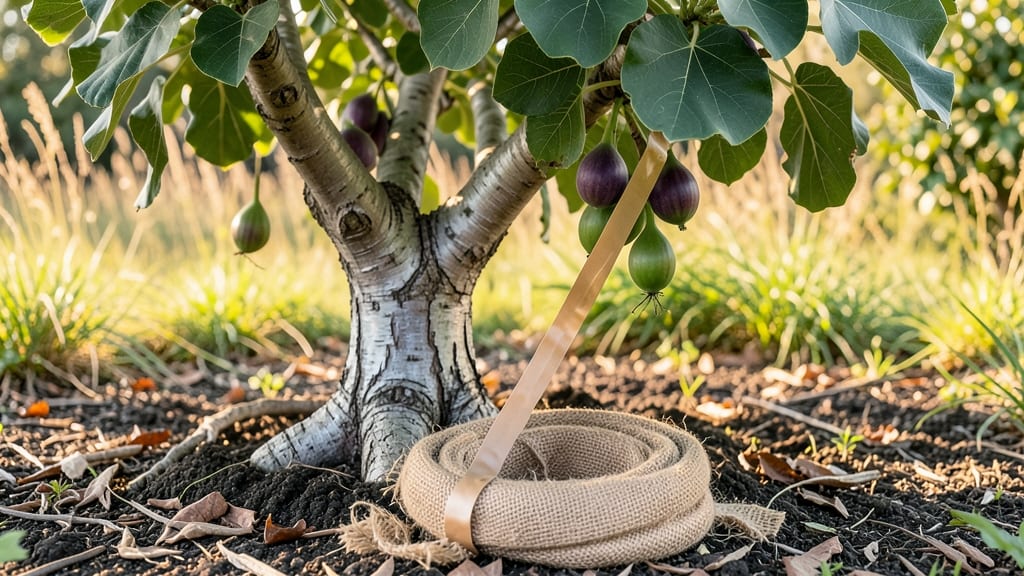
Wrapping a fig tree isn’t just winter prep—it’s the secret to protecting your tree from harsh winds, freezing temperatures, and even curious critters that might nibble on tender bark.
I learned this the hard way when my first fig tree’s trunk split after a brutal winter storm, and now I wrap every single one before the first frost hits. The right technique can mean the difference between a thriving tree and one that struggles to bounce back each spring.
You’ll need just three simple supplies: burlap or frost cloth for the wrap, landscape fabric to secure it, and twine or zip ties to hold everything in place.
The key is timing—wrap your tree after the first hard freeze but before temperatures drop below 20°F, when fig bark becomes most vulnerable. This method works for both container-grown and in-ground figs, whether you’re growing Mission, Brown Turkey, or Celestial varieties.
When done right, your fig tree will emerge in spring with smooth, unscarred bark and stronger growth than unwrapped trees. The wrap protects against sunscald in winter, prevents frost cracks, and even deters pests like rabbits or deer.
Plus, removing it in early spring is quick—just peel it away before new shoots appear, and your tree will look like it spent the winter in a greenhouse.
Here’s the best part: this technique takes less than 30 minutes and costs under $10 in materials. Whether you’re in Zone 7 or colder, wrapping is a foolproof way to extend your fig tree’s lifespan and keep it producing sweet fruit year after year. Ready to give it a try?
📚 In This Guide
- What you need
- Instructions
- Tips and common mistakes
- Wrapping up and next steps
What you need
- ● Burlap or tree wrap: 1 roll (3–4 inches wide, 25–50 feet long, depending on tree size). Choose undyed, breathable material to avoid damaging the bark.
- ○ Plastic tree wrap (optional but recommended): 1 roll (2–3 inches wide, 25–50 feet long). Use as a moisture barrier between the burlap and tree trunk.
- ● Staple gun or heavy-duty staples: 1 unit with rust-resistant staples (1/4–3/8 inch long). Avoid nails or screws—they can tear the bark!
- ● Sharp utility knife or scissors: 1 pair for trimming wrap material to size.
- ● Measuring tape: 1 roll (for accurate wrap length calculations).
- ○ Gloves (optional but recommended): 1 pair to protect your hands from splinters or rough bark.
- ● Timing: Wrap your fig tree in late winter or early spring (just before new growth begins). Avoid wrapping during extreme temperatures.
- ● Tree condition: Ensure the trunk is smooth and free of cracks or wounds. Rough or damaged bark may require extra care.
- ● Weather: Choose a dry, calm day to prevent moisture from getting trapped under the wrap.
How to wrap a fig tree for faster, healthier growth
Fig trees grow stronger when you support their trunks properly—here's how to do it right.
Choose the Right Wrapping Material
The best materials for wrapping fig trees are breathable and flexible—never plastic wrap or anything that can girdle the trunk as it grows. I recommend using tree wrap or jute mesh, both of which allow moisture exchange while protecting the bark. Avoid anything slick or nonporous, as it can trap moisture and cause rot.
If you're using jute mesh, cut a strip long enough to wrap around the trunk twice with a 4-inch overlap. For tree wrap, you'll need a piece that's about 2-3 inches wide and long enough to spiral up the trunk. The key is to cover any exposed bark or wounds while leaving the top portion of the tree uncovered for natural air circulation.
Prepare the Trunk and Apply the Wrap
Start by inspecting the trunk for any cracks, wounds, or rough spots—these are prime areas where pests or disease can enter. If you find any damage, lightly sand the rough edges with fine-grit sandpaper to smooth them out. This step is critical because a clean surface ensures the wrap adheres properly and protects the tree effectively.
Position the wrap at the base of the trunk, just above the soil line. For jute mesh, overlap the ends by 4 inches and secure them with landscape staples or soft twine. If using tree wrap, spiral it upward in a diagonal pattern, overlapping each turn by about half an inch. The wrap should be snug but not tight—you should be able to slide a finger between the wrap and the trunk.
Extend the Wrap Up the Trunk
Continue wrapping the trunk upward, ensuring the material covers any vulnerable areas like scars or splits. Fig trees are prone to sun scald, so extending the wrap up to 3-4 feet from the ground provides extra protection. Stop before reaching the first major branch—this prevents restricting the tree’s natural growth and allows for proper airflow around the canopy.
As you work, check the tension periodically. If the wrap feels too tight, loosen it slightly to avoid restricting the tree’s expansion. The goal is to create a protective barrier without constricting the trunk. Once you reach the desired height, secure the final edge with a staple or twine, making sure it blends seamlessly with the rest of the wrap.
Monitor and Maintain the Wrap
After wrapping, keep an eye on the tree for the first few weeks. The wrap should stay in place, but if it shifts due to wind or rain, adjust it gently to maintain coverage. In late winter or early spring, remove the wrap to allow the tree to "breathe" and harden off naturally. This prevents moisture buildup and reduces the risk of fungal issues.
If you notice any signs of damage—such as mold, discoloration, or the wrap pulling away from the trunk—remove it immediately and reapply fresh material. A well-maintained wrap can last 1-2 years, but inspect it annually to ensure it’s still effective. This proactive approach keeps your fig tree healthy and encourages robust growth season after season.
Tips & tricks for wrapping a fig tree
Here's what nobody tells you about making this simple technique work perfectly for your fig tree.
Material Selection Tip: When choosing between tree wrap and jute mesh, consider your climate. Tree wrap works better in wetter conditions because it repels water, while jute mesh breathes better in dry climates. For young trees with delicate bark, I recommend tree wrap—it's more forgiving if you need to adjust the fit later. The 2-3 inch width mentioned in Step 1 is ideal because it provides enough coverage without being bulky.
Trunk Preparation Insight: That sanding step in Step 2 isn't just about smoothness—it's about creating a clean surface for the wrap to adhere properly. Use fine-grit sandpaper (around 220 grit) to avoid damaging the bark. I've seen cases where rough edges caused the wrap to pull away, leaving the tree vulnerable. Take your time here—it's the foundation for everything else.
Application Technique: The diagonal spiral pattern for tree wrap in Step 2 creates a more secure barrier than horizontal strips. Think of it like wrapping a gift—each overlapping turn builds strength. When securing with staples, place them at least 2 inches apart to prevent tearing the wrap. For jute mesh, the 4-inch overlap at the base is crucial because this area experiences the most stress from wind and water.
Maintenance Strategy: The 1-2 year lifespan mentioned for wraps applies to healthy trees in ideal conditions. In harsher climates or with older trees, you might need to replace wraps annually. Mark the removal date on your calendar—late winter or early spring is perfect because it coincides with the tree's natural dormancy period, reducing stress on the bark.
Pro Tips for Wrapping A Fig Tree
- Here's what nobody tells you about making this simple technique work perfectly for your fig tree.
- Material Selection Tip: When choosing between tree wrap and jute mesh, consider your climate.
- Trunk Preparation Insight: That sanding step in Step 2 isn't just about smoothness—it's about creating a clean surface for the wrap to adhere properly.
Frequently asked questions
When is the best time to wrap a fig tree?
The ideal time is late winter or early spring, just before new growth begins. This gives roots time to establish before the tree starts pushing leaves. Avoid wrapping in extreme heat or cold—aim for 50–70°F (10–21°C) for best results.
Can I use regular plastic wrap instead of tree-specific wrap?
While plastic wrap might seem like a quick fix, it’s not ideal. It can trap moisture, suffocate roots, or even burn the bark in hot sun. Instead, opt for breathable materials like burlap, tree wrap, or even old newspapers (secure tightly!).
What if my fig tree’s bark starts peeling or looks damaged after wrapping?
If you see peeling, discoloration, or mold, remove the wrap immediately and inspect the tree. Loosen any tight spots and rewrap with a softer, more flexible material. Keep an eye out for pests—if needed, treat with neem oil or horticultural spray. Prevention? Check weekly during hot/dry spells!
How long should I leave the wrap on my fig tree?
Most fig trees need wrap for 1–2 growing seasons (about 6–12 months). Once the trunk thickens and the bark hardens, you can remove it. Pro tip: If the tree looks stunted or the wrap is falling off, it’s time to take it off—don’t let it stay too long!
What’s an alternative if I don’t have tree wrap?
No wrap? No problem! Try these DIY-friendly options:
- Burlap strips (secure with twine or zip ties)
- Old t-shirts or towels (cut into strips, wrap snugly)
- Cardboard tubes (from paper towels or toilet paper, slit and wrap)
- Jute twine (braided loosely around the trunk)
Wrapping up and next steps
Wrapping your fig tree is a simple yet powerful way to boost its growth, protect it from harsh weather, and encourage stronger branches.
Whether you're a beginner or a seasoned gardener, this method is easy to master and yields impressive results with minimal effort. Now that you’re equipped with the know-how, grab your materials and give your fig tree the care it deserves!
Ready to see your tree thrive? Start wrapping today and watch it flourish! 🌱✨