
Featured
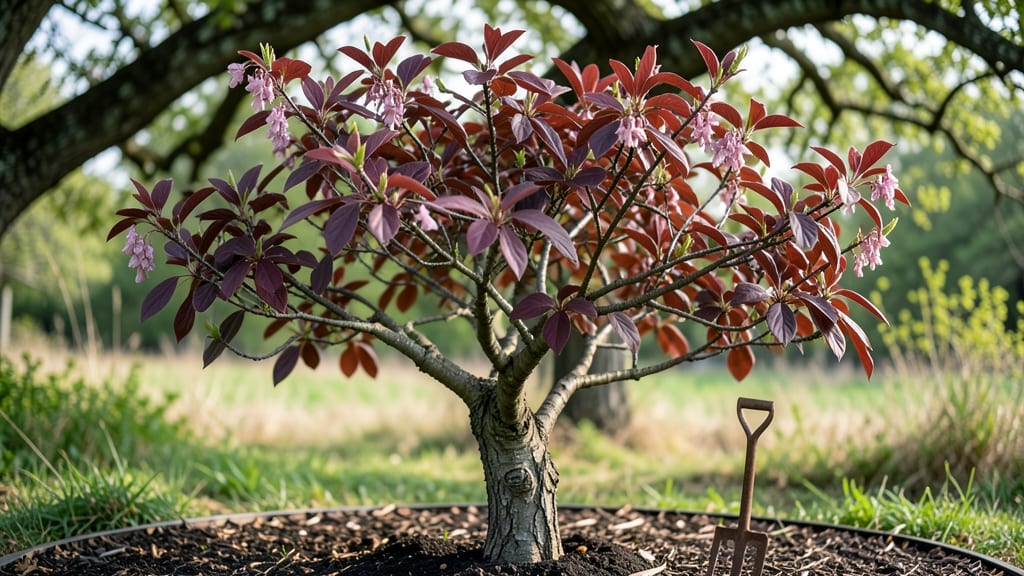
The redbud tree with red leaves is the showstopper your garden has been missing—imagine a canopy that bursts into fiery hues before the first spring bloom. 🌸 I planted mine last autumn, and by March, its deep maroon foliage already had neighbors stopping to ask questions.
This isn’t just a spring-flash tree; its bronze-red leaves hold their drama through fall, creating a seasonal tapestry no other small tree matches.
Pair it with white azaleas for a high-contrast spring border or let it anchor a shade garden with hostas and ferns—its graceful branches frame pathways beautifully. The care is straightforward: full sun to partial shade, well-draining soil, and minimal pruning (just remove dead wood in late winter).
Even in tight spaces, it thrives, offering year-round structure with its peeling bark and delicate pink flowers that arrive before the leaves fully unfurl.
📚 In This Guide
- What you need
- Instructions
- Tips and common mistakes
- Wrapping up and next steps
What you need
- ● Redbud tree (Cercis canadensis) – Choose a variety with deep red foliage (e.g., ‘Ruby Falls,’ ‘Tennessee Red,’ or ‘Forest Pansy’). 1–3 plants depending on spacing needs.
- ● High-quality potting soil or native soil mix – 50 lbs (or enough to fill planting holes). Opt for well-draining soil with a pH of 6.0–7.5.
- ● Organic mulch (shredded bark or pine straw) – 2–3 inches to retain moisture and regulate temperature.
- ● Slow-release fertilizer (10-10-10 or balanced formula) – 1–2 lbs per tree for planting season.
- ● Watering can or hose with a gentle spray nozzle – 5–10 gallons for initial watering.
- ● Soil test kit – To check nutrient levels before planting.
- ● Pruning shears (bypass, sharp, and sanitized) – For shaping and maintaining health.
- ● Tree stakes & ties (if needed) – For young trees in windy areas.
- ● Epsom salt (magnesium sulfate) – 1 tbsp per gallon of water for foliar sprays to enhance red leaf intensity.
- ● Pest control (neem oil or insecticidal soap) – For aphid or spider mite prevention.
How to grow a stunning redbud tree with vibrant red leaves
Here's how to cultivate this showstopper with minimal fuss—just follow these key steps.
🌱 Step 1: Choose the Perfect Planting Spot
Redbuds with red leaves thrive in full sun to partial shade—at least 6 hours of sunlight daily for best color intensity. I always pick a location where the tree will get morning sun and afternoon shade, especially in hotter climates. The soil should drain well but stay moist; redbuds hate soggy roots.
Dig a hole twice as wide as the root ball but only as deep. This encourages roots to spread horizontally rather than settling too deep. Amend the native soil with 2-3 inches of compost mixed into the bottom of the hole—this gives young roots a nutrient boost right away. Tap the tree gently to check root spread before planting.
☀️ Step 2: Plant at the Right Time and Depth
Spring or early fall are the best times to plant—avoid extreme heat or frost. Handle the root ball carefully; if it's root-bound, loosen the edges slightly with your fingers. Place the tree so the top of the root ball sits 1 inch above ground level—this prevents water from pooling around the trunk.
Backfill with the amended soil, pressing gently to remove air pockets. Water deeply right after planting to settle the soil and eliminate gaps. You'll know it's right when water drains evenly without pooling. Mulch with 2-3 inches of organic mulch (like wood chips) around the base, keeping it 6 inches away from the trunk to prevent rot.
💧 Step 3: Water and Fertilize for Year-Round Color
Water deeply once a week during the first growing season, letting the soil dry slightly between waterings. Redbuds with red leaves need consistent moisture but hate soggy conditions. After the first year, they become more drought-tolerant—just check the soil 2 inches down with your finger before watering.
Fertilize lightly in early spring with a balanced, slow-release fertilizer (10-10-10 ratio). Over-fertilizing can reduce the vibrant red foliage, so follow package instructions closely. I skip fertilizing in the fall to let the tree focus on root growth rather than new shoots.
✂️ Step 4: Prune for Shape and Health
Prune in late winter or early spring before new growth starts. Remove any dead, diseased, or crossing branches first—this keeps the tree healthy and encourages strong new growth. Thin out crowded branches to improve airflow, which prevents fungal issues.
Shape the tree lightly by cutting back any overly long branches to maintain a natural form. Avoid heavy pruning, as redbuds bloom on old wood. If you prune too aggressively, you might reduce next year's spectacular spring flowers. Always use clean, sharp pruners to make clean cuts just above a bud or branch collar.
🌿 Step 5: Protect and Enjoy Year-Round Drama
Watch for pests like aphids or spider mites, which can stress the tree. A strong spray of water usually removes them, but severe infestations may need neem oil. Redbuds are generally low-maintenance, but keeping the area around the base weed-free helps prevent competition for nutrients.
Your redbud will reward you with stunning red leaves in spring, delicate pink flowers, and sometimes even fall color. With the right care, it’ll be the star of your garden for decades—minimal effort, maximum drama.
Tips & tricks for perfect redbud tree care
Here's what nobody tells you about keeping your redbud tree vibrant and thriving year after year.
Sunlight Strategy: That 6-hour daily sunlight requirement in Step 1 is non-negotiable for the boldest red foliage. If your yard gets intense afternoon sun, consider planting near a fence or wall that provides afternoon shade. I've seen redbuds in full sun lose some of their vibrant color, especially in hotter climates—morning sun with afternoon relief makes all the difference.
Root Ball Prep: Before planting, soak the root ball for 15-30 minutes if it feels dry. This helps prevent transplant shock and encourages roots to spread quickly. I always do this even if the soil looks moist—redbuds appreciate that extra hydration boost right from the start. Don't skip this step, especially if you're planting during dry seasons.
Mulching Magic: That 2-3 inches of organic mulch around your redbud isn't just decoration—it's a moisture and temperature regulator. Spread it in a donut shape, keeping it 6 inches away from the trunk as mentioned, but don't overdo it. Too much mulch can suffocate the roots. I like to refresh the mulch layer every spring to maintain its insulating properties.
Pruning Precision: When pruning in late winter or early spring, focus on removing branches that grow inward or cross each other. These are the ones that can cause weak spots and pest issues. I always make my cuts just above a bud or branch collar—this helps the tree heal faster and prevents disease from entering the wound. A clean cut is always better than a jagged one.
Pro Tips for Redbud Tree With Red Leaves
- Here's what nobody tells you about keeping your redbud tree vibrant and thriving year after year.
- Sunlight Strategy: That 6-hour daily sunlight requirement in Step 1 is non-negotiable for the boldest red foliage.
- Root Ball Prep: Before planting, soak the root ball for 15-30 minutes if it feels dry.
Frequently asked questions
Got questions about keeping your redbud tree vibrant with those stunning red leaves? We’ve got answers! Here’s what gardeners ask most often:
Why aren’t my redbud leaves staying red all year?
A redbud tree’s Cercis canadensis variety (like ‘Ruby Falls’ or ‘Forest Pansy’) typically shows red foliage in spring and fall, but not year-round. For permanent red leaves, opt for cultivars like Cercis canadensis ‘Merlot’ or Cercis canadensis ‘Lavender Twist’, which retain deeper hues longer. Poor sunlight, overwatering, or nutrient deficiencies can also dull colors—ensure it gets 6+ hours of sun and well-draining soil.
When is the best time to plant a redbud tree for maximum red foliage?
Plant your redbud in early spring or fall (4–6 weeks before frost) to give roots time to establish before extreme temperatures. Spring planting lets the tree focus on leaf growth, while fall gives it a head start on root development. Avoid summer heat stress! If transplanting an established tree, prune 1/3 of the canopy to reduce shock and encourage vibrant regrowth.
Can I grow a redbud tree in a container? How do I keep it small?
Yes! Dwarf varieties like Cercis canadensis ‘Lime Rickey’ (10–12 ft tall) thrive in 15–20 gallon containers. Use a fast-draining mix (60% potting soil, 30% perlite, 10% compost) and repot every 2–3 years. Prune in late winter to shape it and encourage dense foliage. Move containers indoors during frost or to a sheltered spot for winter protection.
What pests or diseases should I watch for on a redbud tree with red leaves?
Redbuds are generally low-maintenance, but watch for:
- Japanese beetles: Skeletons leaves—handpick or use neem oil.
- Powdery mildew: White dust on leaves? Improve airflow and spray with baking soda solution (1 tsp per quart of water).
- Leaf spot: Brown spots? Prune infected leaves and avoid overhead watering.
Are there alternatives to redbud trees for red foliage year-round?
If redbuds don’t fit your space, try these ever-red or near-ever-red trees:
- Nandina domestica ‘Firepower’: Compact shrub with bright red leaves all year.
- Prunus ‘Okame’: Cherry tree with deep red-purple spring foliage and persistent red stems.
- Cotinus ‘Royal Purple’: Smokebush with purple-red leaves that fade slightly in summer but rebound in fall.
Wrapping up and next steps
The redbud tree with its stunning red leaves is a showstopper that brings vibrant color and natural beauty to any garden—no matter the season! 🌸 From its early spring blooms to fiery fall foliage, this tree is a low-maintenance yet high-impact choice for adding drama and charm.
Whether you're a seasoned gardener or just starting out, its adaptability and resilience make it a perfect fit for your outdoor space.
Ready to transform your garden? Start by researching the best variety for your climate, then check out our planting tips to get growing! 🌱 With a little care, you’ll have a breathtaking redbud tree that steals the show year after year.