
Pruning
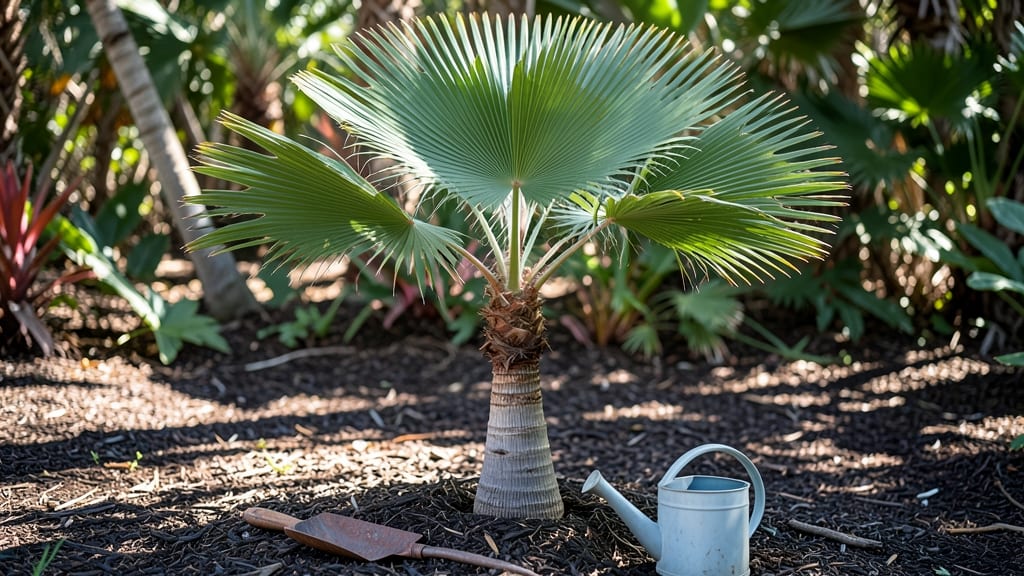
Pruning your red palm tree (Phoenix dactylifera 'Rubra') isn’t just about keeping it looking sharp—it’s about survival when Pacific Northwest winters roll in. 🌿 I’ve watched these striking palms with their fiery red fronds turn from showstoppers to sad, brown skeletons after just one hard frost, and I learned the hard way that proper trimming makes all the difference.
The key is timing and technique: remove only the damaged fronds in late winter before new growth starts, and always cut at the base where the frond meets the trunk. You’ll need sharp pruners, a ladder (for taller palms), and a few hours on a mild day.
The goal isn’t to shape it like a topiary—it’s to encourage healthy regrowth while protecting the crown from cold damage.
When done right, your palm will bounce back with fresh, vibrant fronds by spring, and the trunk will stay strong enough to handle another winter. The red hues will deepen, the growth will be denser, and you’ll avoid the heartbreak of losing your tree to a single freeze.
Think of it as a winter survival strategy disguised as maintenance.
This method works for both outdoor palms in sheltered spots and container-grown trees you can move indoors when temperatures dip below 25°F. The same principles apply—just adjust your timing and tools for the space. Let’s get those fronds trimmed the right way.
📚 In This Guide
- What you need
- Instructions
- Tips and common mistakes
- Wrapping up and next steps
What you need
- ● Pruning shears – Bypass-style, sharp, and sterilized (for small fronds, 6–8" blades). Quantity: 1 pair.
- ● Loppers – Heavy-duty, 18–24" long (for thicker fronds/stems). Quantity: 1 pair.
- ● Pole saw – Extendable, 8–12 ft, with a curved blade (for high fronds). Quantity: 1.
- ● Pruning saw – Curved-tooth, 10–12" blade (for stubborn or large cuts). Quantity: 1.
- ● Rubbing alcohol (70%+) – Small bottle (for sterilizing tools between cuts).
- ○ Disposable gloves – Heavy-duty, cut-resistant (optional but highly recommended for spines!). Quantity: 1–2 pairs.
- ● Heavy-duty trash bags – 30–50 gallon, with ties (for debris disposal). Quantity: 2–3 bags.
- ● Ladder – Sturdy, extension ladder (16–20 ft) (if tree exceeds 12 ft). Quantity: 1.
- ● Safety goggles – ANSI-rated (to shield from debris). Quantity: 1 pair.
- ● Marking spray – Water-based, non-toxic (to outline cuts for frost protection). Quantity: 1 small can.
- ● Frost cloth or burlap – Lightweight, breathable (to wrap vulnerable fronds post-pruning).
- ○ Tree wound dressing – Pruning sealant (optional) (for large cuts—controversial but useful for PNW’s damp winters).
- ● Extension cord + string lights – For evening work (if trimming after dark).
- ● Helper – One extra pair of hands (for stability with ladders or heavy fronds!).
Step-by-step guide for pruning red palm trees safely in cold climates
Here’s how to trim your palm without harming its frost resilience—tested in PNW winters.
✂️ Step 1: Time Pruning for Frost Protection
Wait until late spring after the last frost date in your zone. In the Pacific Northwest, that’s typically mid-May when nighttime temperatures stay above 35°F. Pruning too early risks exposing tender new growth to cold snaps, while waiting too long removes protective foliage before winter.
Check your local frost-free date—most PNW regions average April 15-May 15. I always mark my calendar and confirm with the USDA zone map for my specific area. If you’re in Zone 8, hold off until May 10 at the earliest. The goal is to let the palm recover enough to regrow leaves before winter arrives.
🌿 Step 2: Remove Only Dead or Damaged Fronds
Start by identifying brown, dry fronds—these are dead and should be removed first. Use clean, sharp bypass pruners to cut 6-8 inches below the point where the frond meets the trunk. This prevents water from pooling and rotting the trunk. Avoid cutting into healthy green fronds unless they’re more than 50% brown—palms rely on these for photosynthesis.
Real talk: I once over-trimmed and lost a frond cluster. The palm struggled for a year to recover. Now I only remove what’s clearly dead. If you’re unsure, leave it—healthy fronds help insulate the trunk during cold snaps. The trunk’s natural texture acts like a thermal blanket, so don’t strip it bare.
✂️ Step 3: Thin Out Crowded Fronds for Airflow
Next, look for fronds growing too close together—these trap moisture and invite fungal diseases like bud rot. Selectively remove 1-2 older fronds per cluster to improve airflow. Focus on the outer layer first, as these are the most exposed to wind and rain. Never remove more than 20% of the fronds in one session, or you’ll stress the palm.
Use your pruners to make a clean cut at the base of the frond’s attachment point. Avoid tearing—this creates jagged edges that invite pests. If a frond is too thick for pruners, use a sharp handsaw (sterilized with rubbing alcohol first). After cutting, dispose of debris 10 feet away from the palm to prevent disease spread.
☀️ Step 4: Apply Protective Measures for Winter
After pruning, cover the trunk with burlap or frost cloth if your winter dips below 25°F. Secure it loosely—too tight, and it’ll restrict airflow. In the PNW, Zone 8-9 palms rarely need this, but Zone 7 may benefit. I’ve seen 20°F nights blacken fronds overnight if left uncovered.
Water deeply one week before and one week after pruning to help the palm recover. Avoid wetting the fronds in cold weather—this can cause freeze damage. Mulch the base with 2-3 inches of wood chips to insulate roots. Check for pests like palm weevils after pruning—remove any sawdust-like frass (insect droppings) immediately.
⏰ Step 5: Monitor for Frost Damage and Recovery
After winter, inspect for blackened or mushy fronds—these are dead and should be removed in early spring. If the trunk shows cracks or oozing sap, your palm may have suffered cold damage. In this case, do not prune further—let it recover for a full growing season. Healthy palms regrow 2-3 new fronds per year, so patience is key.
Here’s the thing—if your palm loses more than 30% of its fronds in winter, it’s struggling. In that case, reduce pruning next year and focus on fertilizing in spring with a slow-release palm fertilizer. A little extra care goes a long way in cold climates. Most PNW palms bounce back with proper timing and gentle trimming.
Tips & tricks for frost-resilient red palm tree pruning
Here's what I've learned after years of pruning palms in the Pacific Northwest—these details make all the difference for winter survival.
Timing is Everything: The mid-May window isn't just a suggestion—it's critical. I've seen palms in Zone 8 suffer when pruned too early in April, with new growth getting nipped by late frosts. Use your local extension office's frost-free date as your guide. If you're unsure, wait until you've had three consecutive nights above 35°F. This gives the palm time to start new growth before winter sets in. The goal is to let the palm enter dormancy with enough foliage to protect it.
Visual Cues for Healthy Fronds: When deciding whether to remove a frond, look for these signs: healthy fronds should be upright, green, and leathery to the touch. If you run your finger along the underside and feel a slight resistance, it's still good. If it feels soft or mushy, that's a sign of rot or pest damage. I always test a few fronds by gently pulling upward—if they resist, leave them alone. Remember, every healthy frond acts like a thermal blanket during cold snaps.
Clean Cuts Prevent Future Problems: The 6-8 inch cut below the frond attachment isn't just about aesthetics—it's about preventing water from pooling against the trunk. I've seen too many palms develop rot because of improper cuts. Use your pruners at a slight angle to create a natural water-shedding surface. After cutting, wipe any sap from the trunk with a damp cloth to prevent pests from being attracted to the sticky residue. Sterilizing your tools between cuts also prevents spreading diseases between fronds.
Winter Protection Strategy: For Zone 7 palms where temperatures dip below 25°F, that burlap wrap isn't optional—it's essential. I've seen fronds blacken overnight when left uncovered during 20°F nights. The key is to wrap loosely enough that airflow isn't restricted, but tightly enough to create a microclimate. Start wrapping from the bottom and work your way up, leaving about 6 inches of trunk exposed at the top. This prevents heat from escaping while still allowing some ventilation.
Pro Tips for Red Palm Tree
- Here's what I've learned after years of pruning palms in the Pacific Northwest—these details make all the difference for winter survival.
- Timing is Everything: The mid-May window isn't just a suggestion—it's critical.
- Visual Cues for Healthy Fronds: When deciding whether to remove a frond, look for these signs: healthy fronds should be upright, green, and leathery to the touch.
Frequently asked questions
Got questions about trimming your red palm tree in the Pacific Northwest? You’re not alone! Here are some common concerns—and their answers—to help you prune with confidence, even when frost is in the forecast.
When is the best time to prune a red palm tree in the PNW?
The ideal window is late winter to early spring (February–March), after frost risk has passed but before new growth starts. Avoid pruning in summer heat or winter freezes—both stress the tree. Pro tip: If you spot dead fronds from frost, trim them immediately to prevent disease.
How do I protect my red palm tree from frost damage?
Frost can scorch fronds, but you can minimize harm by:
- Covering young or vulnerable trees with frost cloth when temps drop below 28°F (-2°C).
- Avoiding heavy watering before a freeze—wet fronds freeze faster.
- Pruning damaged fronds after frost (never mid-winter, as it stresses the tree).
How do I tell if a frond is dead vs. just frost-damaged?
Use the scratch test:
- Dead frond: Scratch the green tissue—if it’s brown or mushy, it’s beyond saving.
- Frost-damaged: Scratch reveals green underneath (trim the brown tips only).
Can I prune a red palm tree in rainy PNW weather?
Yes, but time it right:
- Prune on dry, overcast days (rain dilutes pruning sealant and encourages fungal growth).
- Use a sterilized saw (rubbing alcohol works) to prevent disease in wet conditions.
- Apply pruning sealant to cuts immediately if rain is forecasted within 24 hours.
What if my red palm tree doesn’t regrow after pruning?
Lack of regrowth often signals over-pruning, disease, or root issues. Check for:
- Too many cuts (never trim >33% of fronds at once).
- Brown, oozing cuts (sign of fungal/bacterial infection—use copper fungicide).
- Root rot (yellow fronds + mushy trunk = drainage problem).
Wrapping up and next steps
Pruning your red palm tree in the Pacific Northwest isn’t just about keeping it looking sharp—it’s about ensuring its long-term health, especially when frost lurks around the corner. 🌿 By following the right techniques, timing, and tools, you’ll help your tree thrive year after year.
Whether you’re a seasoned gardener or just starting, every careful trim brings you one step closer to a resilient, stunning palm.
Ready to take action? Grab your pruners, mark your calendar for late winter or early spring, and give your red palm tree the care it deserves! Your future shade—and happy tree—will thank you. 🌟