
Trees
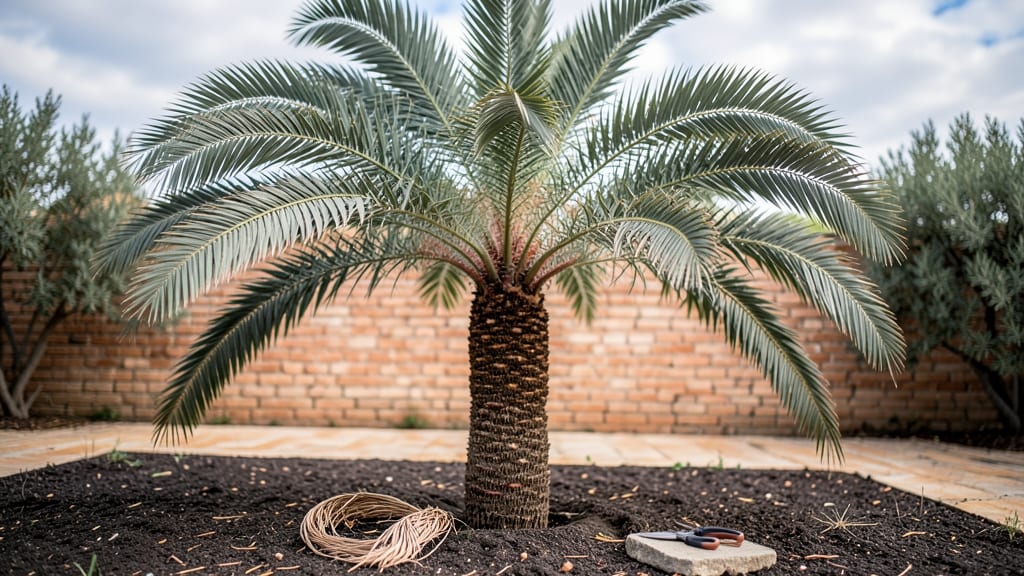
Growing Phoenix dactylifera palm trees means bringing a taste of the Sahara to your backyard—with the right care, these majestic plants reward you with lush fronds and sweet dates.
I planted my first date palm five years ago, and now it towers over my patio, its feathery fronds swaying in the desert breeze. The key isn’t just heat tolerance—it’s mimicking their natural environment down to the soil and watering routine.
These palms thrive where summers stay above 70°F and winters rarely dip below 20°F, making them perfect for USDA zones 9-11. Well-draining sandy soil is non-negotiable—compacted clay will strangle the roots faster than you can say "date harvest."
Water deeply but infrequently (think drought conditions), and fertilize lightly with a palm-specific mix twice a year. The first year is all about establishing roots before they shoot up.
By year three, you’ll see dramatic growth—tall trunks, arching fronds, and maybe even your first dates if you’ve got a female tree nearby. The real magic happens when you prune old fronds to encourage new ones, keeping the crown open to sunlight.
Even in small spaces, a single date palm becomes a statement piece that outshines any ordinary shrub.
For those in cooler climates, container growing works beautifully—just move it indoors when temperatures drop. The biggest mistake? Overwatering. These palms store moisture in their trunks, so soggy soil is a one-way ticket to root rot.
With patience and the right conditions, your Phoenix dactylifera will become the centerpiece of your desert-inspired landscape.
📚 In This Guide
- What you need
- Instructions
- Tips and common mistakes
- Wrapping up and next steps
What you need
- ● Date palm saplings: 1-2 healthy Phoenix dactylifera trees (choose cold-hardy varieties like ‘Medjool’ or ‘Deglet Noor’ for optimal success).
- ● Well-draining soil: 5+ cubic yards of a mix of sandy loam, perlite, and compost (or pre-mixed cactus/succulent soil).
- ● Large planting hole: Dig to 3x the root ball width and 1.5x the depth (use a shovel or post-hole digger).
- ● Organic mulch: 2-3 inches of wood chips or bark (avoid fresh mulch—it can harm roots!).
- ● Drip irrigation system: 1-2 emitters per tree (or a soaker hose for deep watering).
- ● Fertilizer: Slow-release palm-specific fertilizer (e.g., 8-2-12 NPK ratio) or organic options like fish emulsion.
- ● Support stake: 1 6-foot bamboo or metal stake (for young trees in windy areas).
- ● Pruning tools: 1 pair of sterilized pruning shears (for trimming fronds).
- ● 1 sharp pruning saw (for thicker stems if needed).
- ● Pest control: Neem oil spray or horticultural oil (for aphids/spider mites).
- ● Soil amendments: Gypsum (to improve drainage) or mycorrhizal fungi (boosts root health).
- ● Windbreaks: Temporary burlap screens or plastic tree guards (protects young palms in exposed areas).
- ● Cold protection: Frost cloth or burlap wraps (for regions with temps below 20°F).
- ● Monitoring tools: A moisture meter (to track soil hydration) or pH test kit (ideal range: 6.5–7.5).
Step-by-step guide to growing Phoenix dactylifera palm trees
Here's how to cultivate these majestic desert palms with confidence—even if you're new to tropical plants.
🌱 Step 1: Choose the Right Location and Soil
Phoenix dactylifera palms thrive in full sun, needing at least 8 hours of direct sunlight daily. In hot climates, afternoon shade helps prevent leaf scorch, but morning sun is essential for photosynthesis. I always check the microclimate—some spots get more heat than others, and palms will tell you when they're struggling through yellowing fronds.
Use well-draining soil with a slightly alkaline pH (7.0-8.0). A mix of sandy loam with added compost works best. Avoid heavy clay soils—palms hate soggy roots. If your native soil is dense, amend it with coarse sand or perlite to improve drainage. The roots need oxygen, not waterlogged conditions.
☀️ Step 2: Plant at the Correct Depth and Spacing
Dig a hole twice as wide as the root ball but only as deep. Phoenix dactylifera palms have a thick taproot, so disturbing it too much can stunt growth. Place the palm so the top of the root ball sits just below soil level—never deeper, or the trunk will rot. I like to firm the soil gently around the roots with my hands, creating a slight mound to encourage water runoff.
Space 4-6 feet apart for mature trees, as they can reach 50-60 feet tall and spread 15-20 feet wide. If growing in containers, choose a pot at least 2 feet wide and deep—palms outgrow small spaces quickly. The first sign of root-bound stress is yellowing fronds, so upgrade containers before that happens.
💧 Step 3: Water Deeply and Infrequently
Newly planted palms need deep watering once a week during the first year, soaking the soil 12-18 inches deep. After establishment, reduce to every 2-3 weeks, letting the soil dry completely between waterings. Overwatering is the #1 killer—palms store water in their trunks and can survive drought better than excess moisture.
Check moisture by sticking your finger 3-4 inches deep—if it feels dry, water thoroughly. In containers, lift the pot: if it's light, it's time to water. Mulch with 2-3 inches of organic mulch (like bark chips) to retain moisture and regulate soil temperature. Avoid piling mulch against the trunk, though, as it can trap moisture and cause rot.
✂️ Step 4: Prune and Fertilize for Healthy Growth
Remove dead or yellow fronds at the base with clean, sharp pruners to prevent disease. Never cut healthy green fronds—they’re the plant’s food factories. I prune in late winter or early spring, just before new growth begins. Seal the cut with pruning sealant if the trunk is exposed to prevent pests.
Fertilize twice a year in early spring and late summer with a balanced palm fertilizer (like 8-2-12). Follow label rates—palms are sensitive to over-fertilization, which burns roots. Slow-release granules work best, as they feed steadily without spikes. Look for dark green, glossy fronds as a sign your palm is happy.
⏰ Step 5: Protect from Cold and Pests
Phoenix dactylifera palms are hardy to USDA Zone 9, but young trees need protection from temperatures below 25°F. Wrap the trunk in burlap or frost cloth and cover with plastic sheeting if frost is forecasted. I’ve seen palms survive brief dips to 20°F, but prolonged cold kills them. Avoid overhead watering before freezes—wet fronds freeze and break.
Watch for palm weevils and scale insects, which burrow into trunks or suck sap from fronds. Treat infestations early with neem oil or insecticidal soap, applying directly to affected areas. Yellowing fronds can also signal nutrient deficiency—switch to a magnesium-rich fertilizer if older fronds turn yellow between veins.
Tips & tricks for perfect Phoenix dactylifera palm trees
Real talk: These desert beauties reward patience, but a few small tweaks make all the difference between struggling and thriving palms.
Sunlight Strategy: Those 8 hours of direct sunlight are non-negotiable, but here's the thing—morning sun is more important than afternoon. I've seen palms in full afternoon sun get crispy edges while their morning-side fronds stayed lush. If you're in a hot climate, provide afternoon shade with sheer fabric or a lattice structure to prevent leaf scorch while still letting light through.
Planting Precision: The taproot warning isn't just cautionary—it's critical. When planting, I like to use a long-handled trowel to gently loosen the sides of the planting hole without disturbing the center. This creates a natural pathway for roots to spread outward while keeping that central taproot intact. Also, that slight mound you create around the base? It's not just for looks—it helps direct water away from the trunk during heavy rains.
Watering Wisdom: The "deep watering" rule is where most people go wrong. I've learned that sticking my finger 3-4 inches deep isn't enough—sometimes the soil stays moist deeper down. For the first year, I water until I see moisture at 12-18 inches using a soil probe. After establishment, I wait until the soil at that depth feels completely dry before watering again. This mimics natural desert conditions where palms get infrequent but thorough watering.
Fertilizer Finesse: That twice-yearly feeding schedule is perfect, but here's what nobody tells you—palms actually prefer less fertilizer than most people give them. I've seen beautiful palms wither from over-fertilization, so I always use half the recommended rate on the package, especially in the first year. And when you do fertilize, water thoroughly before and after to prevent salt buildup that can burn roots.
Pro Tips for Phoenix Dactylifera Palm Trees
- Real talk: These desert beauties reward patience, but a few small tweaks make all the difference between struggling and thriving palms.
- Sunlight Strategy: Those 8 hours of direct sunlight are non-negotiable, but here's the thing—morning sun is more important than afternoon.
- Planting Precision: The taproot warning isn't just cautionary—it's critical.
Frequently asked questions
Got questions about growing Phoenix dactylifera (date palm) trees? You’re not alone! Here are some of the most common queries—plus straight-to-the-point answers to help you cultivate a thriving desert oasis.
How fast do date palms grow, and how big do they get?
Date palms grow at a moderate pace—expect 1 to 2 feet per year under ideal conditions. Mature trees can reach 65 to 100 feet tall with a spread of 15 to 25 feet. Dwarf varieties (like ‘Little Piccolo’) stay under 15 feet, perfect for smaller yards. Patience is key; full maturity takes 10–20 years!
Can date palms survive freezing temperatures?
Most Phoenix dactylifera varieties are tender and cannot tolerate temps below 15°F (-9°C). Young trees or cold snaps may need burlap wraps or heat lamps. Hardier cultivars (e.g., ‘Medjool’) can handle brief dips to 20°F (-7°C), but zone 9–11 is ideal. In colder climates, grow them in containers and overwinter indoors.
How often should I water a date palm, and what’s the best method?
Water deeply once a week during the first year, then every 2–3 weeks once established (unless in extreme heat). Avoid overhead watering—use drip irrigation or soak the root zone to prevent fungal diseases. Mulch with wood chips (3–4 inches) to retain moisture. Pro tip: Let the soil dry 2–3 inches deep between waterings!
Why are my date palm fronds turning brown or yellow?
Brown fronds are usually normal aging (remove them to redirect energy), but yellowing often signals overwatering, nutrient deficiency, or pests. Check for:
- Thrips or spider mites (tiny webs on undersides). Treat with neem oil.
- Iron/chlorosis (yellow leaves with green veins). Amend soil with chelated iron.
- Salt buildup (common in desert soils). Flush with water or add gypsum.
If the issue persists, test your soil’s pH (6.0–7.5) and nutrient levels.
Can I grow a date palm in a pot, and what size container do I need?
Yes! Container-growing is great for small spaces or cold climates. Use a 15–20 gallon pot for young trees (5+ years old) and 30+ gallons for mature palms. Ensure pots have drainage holes and use a well-draining mix (cactus soil + perlite). Move pots indoors when temps drop below 40°F (4°C).
Wrapping up and next steps
Growing Phoenix dactylifera palm trees is a rewarding journey that brings a touch of the desert’s beauty to your landscape—whether you’re nurturing a sapling or caring for a mature oasis. 🌵 With the right soil, sunlight, and patience, these resilient trees thrive year-round, offering shade, elegance, and even delicious dates!
Remember, consistency in watering and protection from frost are key to long-term success.
Ready to turn your green thumb into a date thumb? Start small—plant a single sapling or expand your collection—and watch your desert oasis flourish. Your next step? Grab your gardening tools, mark your calendar for seasonal checks, and enjoy the journey of growing one of nature’s most iconic trees! 🌟