
Pruning
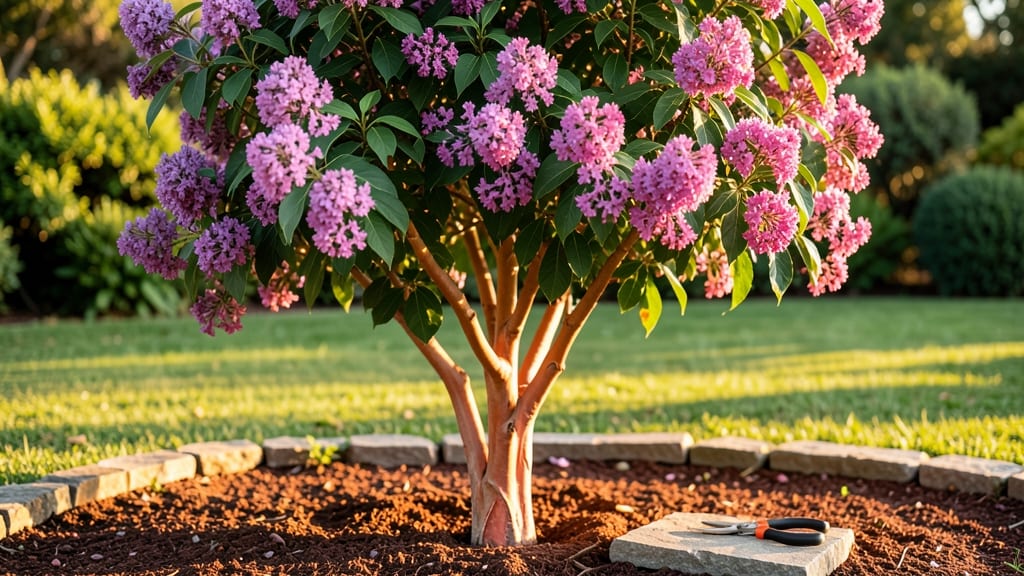
The Pacific Northwest's frost-resistant purple-pink trees turn winter landscapes into dreamy, jewel-toned masterpieces. 🌿 I fell for them the first time I saw a Cercis canadensis burst into pink blossoms against a gray sky—it felt like magic.
These trees aren’t just cold-hardy; they’re the stars of seasonal color shows, blending soft purples with silvery bark or deep green foliage.
They thrive in zones 5-8, making them perfect for coastal gardens, city streets, or woodland edges where other trees might struggle. Pair them with silver-blue foliage like Caryopteris or white-barked birches for a high-contrast look, or let them stand alone as dramatic focal points.
The key is their placement—sunny spots bring out the deepest hues, while partial shade softens the intensity.
Imagine your garden in late spring: pink blossoms cascading over branches, followed by heart-shaped leaves that deepen to purple. These trees work in modern minimalist designs or cottage-style borders, adding texture and height without overwhelming smaller plants.
The best part? Their resilience means less fuss and more beauty year after year.
Whether you’re designing a shade garden or a sunlit courtyard, these trees adapt beautifully. Start small with a Cornus sericea for vibrant stems, or go bold with a Lagerstroemia for layered blooms. The Pacific Northwest’s climate loves them—and so will your neighbors when they see your canopy come alive.
📚 In This Guide
- What you need
- Instructions
- Tips and common mistakes
- Wrapping up and next steps
What you need
- ● Pruning shears: Bypass pruners (sharp, 6–8" blades) for clean cuts on small branches.
- ● Loppers: 18–24" bypass loppers for medium branches (2–4" in diameter).
- ● Pruning saw: A curved-tooth handsaw for thick branches (4"+ diameter).
- ● Extension pole: 6–10 ft telescoping pole with pruning shears/loppers for high branches.
- ● Garden gloves: Heavy-duty, cut-resistant gloves (e.g., Mechanix or Felco).
- ● Disinfectant: 70% isopropyl alcohol or a 10% bleach solution (1 part bleach to 9 parts water) to sterilize tools.
- ○ Pruning sealant: Optional but helpful for sealing large cuts (e.g., Tanglefoot Tree Wound Pruning Seal).
- ● Heavy-duty trash bags: 30–50 gallon size for collecting debris.
- ● Ladder (if needed): Sturdy, non-slip ladder (e.g., Werner or Louisville brand) with a spotter for safety.
- ● Hand pruners with ratcheting mechanism: For extra leverage on stubborn branches.
- ● Pole-mounted pruning saw: For hard-to-reach thick branches.
- ● Work boots or steel-toe shoes: For added foot protection.
- ● Safety glasses: To protect against debris.
- ● Notebook & pencil: To sketch your pruning plan or mark branches to remove.
- ○ Tree banding tape: For protecting the bark after pruning (optional for aesthetic finishes).
- ● Check the weather: Prune on a dry, calm day (avoid wind or rain).
- ● Know your tree’s dormant season: Late winter or early spring (before buds swell) is ideal.
- ● Have a spotter if using a ladder or extension tools.
- ● Wear long sleeves and pants to protect against scratches or sap.
Step-by-Step guide to planting and caring for purple pink trees in the Pacific Northwest
Here's how to establish a stunning, frost-resistant canopy that thrives in the region's unique climate.
🌱 Step 1: Select the Right Location and Planting Time
Choose a site with full sun to partial shade—at least 6 hours of sunlight daily—protected from harsh winds. The Pacific Northwest's mild winters and wet springs mean you can plant anytime between late fall and early spring when soil isn't frozen. I always aim for October to March to give roots time to establish before summer heat.
Dig a hole twice as wide as the root ball but no deeper. The tree's natural soil line should sit 1-2 inches above ground level to prevent waterlogging. Amend the native soil with 2-3 inches of compost mixed into the bottom of the hole—this improves drainage while retaining moisture, which is critical in the region's rainy seasons.
🪴 Step 2: Prepare and Plant the Tree
Gently remove the tree from its container and loosen any circling roots with your fingers—this encourages outward root growth. Place the tree in the hole, ensuring the graft union (if present) is above soil level to prevent rot. Backfill with native soil mixed with 1 part compost to the original soil line, tamping lightly to remove air pockets.
Water deeply immediately after planting—10-15 gallons—to settle the soil and eliminate air gaps. The top 2-3 inches of soil should feel moist but not soggy. Mulch with 3-4 inches of wood chips, keeping the mulch 6 inches away from the trunk to prevent moisture buildup that can cause rot. This mulch layer helps regulate soil temperature and retain moisture during the region's frequent rain.
☀️ Step 3: Establish Watering and Light Requirements
For the first 2-3 weeks, water every 2-3 days until the tree shows signs of new growth. After that, water deeply once a week unless there's consistent rainfall. The Pacific Northwest's high humidity means overwatering is a bigger risk than underwatering—always check that the soil feels dry 2-3 inches below the surface before watering again.
Monitor sunlight exposure closely. While these trees tolerate partial shade, full sun produces the most vibrant purple-pink foliage. If leaves start yellowing or growing pale, the tree needs more light. In shaded areas, supplement with a dappled light grow shade cloth during peak summer months to prevent leaf scorch from intense afternoon sun.
✂️ Step 4: Prune and Maintain for Long-Term Health
Prune in late winter or early spring before new growth begins. Remove any dead, diseased, or crossing branches first, then thin the canopy to improve airflow and sunlight penetration. I always aim to open the center of the tree to 30-40% light transmission—this prevents fungal issues common in the region's damp climate.
Fertilize lightly in early spring with a balanced 10-10-10 fertilizer, applying ½ cup per inch of trunk diameter. Avoid heavy fertilization—the Pacific Northwest's acidic soils often have enough nutrients. Instead, focus on annual compost top-dressing in fall to build soil health naturally. Watch for signs of stress like leaf drop or stunted growth, which may indicate nutrient deficiencies or overwatering.
⏰ Step 5: Prepare for Winter and Long-Term Care
The Pacific Northwest's mild winters (typically 20-40°F) are rarely severe enough to damage these trees, but young specimens benefit from winter mulching. Add an extra 2-3 inches of mulch in late fall to insulate roots. Water monthly during dry winter spells to prevent desiccation from cold winds.
As your tree matures, focus on seasonal maintenance: prune annually, monitor for pests (like aphids or spider mites), and watch for signs of disease (such as leaf spots). These trees are generally low-maintenance but thrive with consistent care—especially in the region's variable climate. With proper planting and upkeep, you'll enjoy decades of stunning purple-pink canopy that brightens the Pacific Northwest landscape.
Tips & tricks for perfect purple pink tree planting in the Pacific Northwest
Took me a while to figure these out, so here's how I ensure my purple pink trees thrive in our region's tricky climate.
Site Selection Secret: While the instructions mention full sun to partial shade, I've found that morning sun with afternoon shade works best in the Pacific Northwest. The intense afternoon sun can scorch leaves, especially during our dry summer months. Look for spots where the tree gets 6 hours of morning sunlight and natural shade from nearby structures or larger trees in the afternoon. This balance preserves that stunning purple-pink foliage while preventing leaf burn.
Soil Preparation Strategy: The 2-3 inches of compost recommendation is perfect, but I always add 1 part perlite to the mix when planting in clay-heavy soils common in our region. This improves drainage without sacrificing moisture retention—critical during our rainy seasons. For container planting, I use a mix of 50% native soil, 30% compost, and 20% perlite to mimic ideal growing conditions. The perlite helps prevent root rot that can occur with our frequent downpours.
Watering Wisdom: Those first 2-3 weeks of watering every 2-3 days are crucial, but I've learned to adjust based on rainfall. If we get consistent rain (which is often!), I'll skip watering days when the soil stays moist. The key is checking 2-3 inches below the surface—if it's damp, hold off. For established trees, I've found that deep watering every 10-14 days during dry spells works better than weekly shallow watering, which encourages deeper root growth that's more resilient to our winter winds.
Pruning Precision: When aiming for that 30-40% light transmission in Step 4, I use a simple method: hold your hand about 6 inches above the center of the tree. If you can see light through your fingers, you've achieved the right balance. This open center prevents fungal issues while still maintaining that vibrant foliage. I also prune just after flowering in early summer to maintain shape without sacrificing next year's blooms—something I learned after seeing my first tree's flowers drop prematurely from heavy pruning.
Pro Tips for Purple Pink Tree
- Took me a while to figure these out, so here's how I ensure my purple pink trees thrive in our region's tricky climate.
- Site Selection Secret: While the instructions mention full sun to partial shade, I've found that morning sun with afternoon shade works best in the Pacific Northwest.
- Soil Preparation Strategy: The 2-3 inches of compost recommendation is perfect, but I always add 1 part perlite to the mix when planting in clay-heavy soils common in our region.
Frequently asked questions
What’s the best time to prune a purple pink tree for maximum blooms?
Prune your tree right after flowering (late spring, around May-June) to avoid cutting off next year’s buds. For shaping, do light pruning in early spring before new growth starts. Pro tip: Never prune in fall—this can stimulate tender growth that won’t survive PNW winters!
Can purple pink trees survive PNW winters without extra protection?
Most varieties (like Prunus serrulata) are highly frost-resistant, thriving in zones 5-8. However, young trees or Cornus florida may need mulch around the base and winter wraps for the first few years. Avoid heavy pruning in late fall—it stresses the tree before dormancy.
How do I fix overgrown branches that look messy after years of neglect?
Start with thinning cuts to open the canopy—remove 1/3 of the oldest wood first. For dead/diseased branches, cut back to the collateral bud (just above a healthy side branch). If the tree is too dense, prioritize airflow to prevent fungal issues. Warning: Never remove more than 25% of the foliage in one year!
Are there purple pink tree alternatives that bloom later in the season?
Yes! For extended color, try:
- Weigela florida (pink blooms June–July, zone 4-8)
- Spiraea japonica 'Anthony Waterer' (rose-pink, blooms summer-fall)
- Cercis canadensis 'Alba' (white but late-spring blooms, zone 4-9)
Why are my tree’s leaves turning yellow or spotted after pruning?
Yellowing/spotted leaves often signal fungal issues (like powdery mildew) or nutrient deficiencies. Sterilize tools with rubbing alcohol before pruning, and avoid overhead watering. For prevention:
If issues persist, consult a local arborist.
Wrapping up and next steps
The purple pink tree isn’t just a stunning addition to the Pacific Northwest’s landscape—it’s a resilient, low-maintenance champion that thrives even in frost. Whether you’re pruning for health, aesthetics, or seasonal prep, the key is patience, precision, and a little seasonal know-how.
With the right tools and timing, you’ll keep this vibrant beauty flourishing for years to come!
Ready to level up your pruning game? Start by marking your calendar for late winter or early spring—your purple pink tree will thank you! And if you’re feeling inspired, why not share your progress with local gardening groups? Happy pruning! 🌿✂️