
Pruning
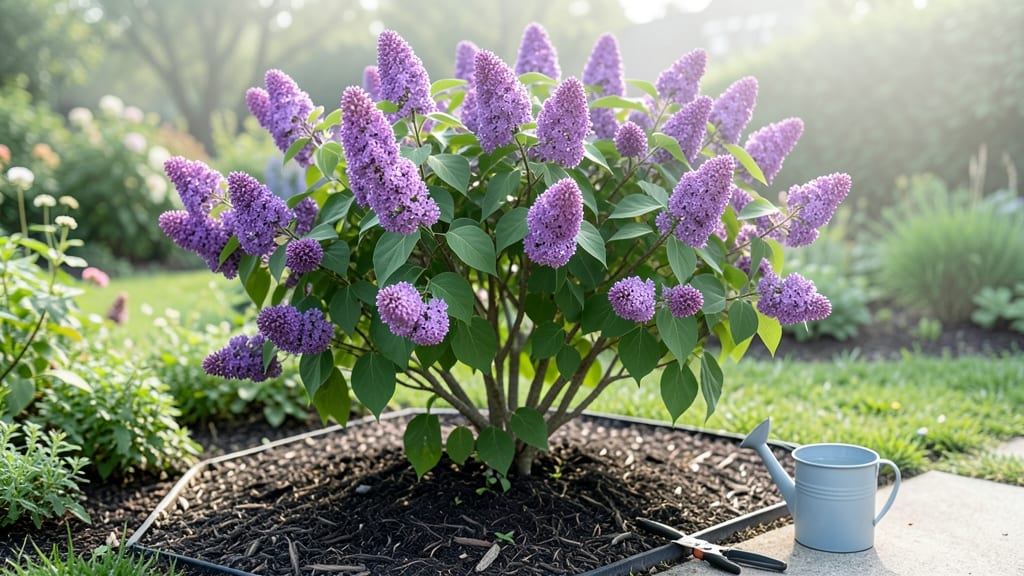
Your purple lilac tree isn’t just a springtime showstopper—it’s a frost-hardy workhorse that thrives in Pacific Northwest winters. ✨ The secret to those lush, violet blooms lies in the right pruning timing and technique, which I’ve perfected after years of watching mine dominate the garden from April through June.
Most gardeners cut back too early or too late, but the ideal window is right after blooms fade but before new growth hardens. This keeps your lilac productive for years while preventing those leggy stems that ruin the shape. Pair it with spring-cleaning your tools—sharp pruners make all the difference.
What you’ll get is a tree that bursts with jewel-toned blooms every season, paired perfectly with lavender, catmint, or white peonies for a cottage-garden dream. The fragrance alone makes it worth the effort, and pollinators adore the late-spring nectar.
Works beautifully as a hedge, border, or standalone focal point—just adjust pruning intensity for the look you want. Let’s turn that overgrown shrub into a Pacific Northwest masterpiece.
📚 In This Guide
- What you need
- Instructions
- Tips and common mistakes
- Wrapping up and next steps
What you need
- ● Pruning shears: Bypass pruners (sharp, 6-8" blades) – 1 pair (for small branches).
- ● Loppers: Bypass or anvil type (long handles, 18-24") – 1 pair (for thicker branches up to 2").
- ● Pruning saw: Curved-tooth (for branches >2") – 1 saw.
- ● Gloves: Heavy-duty, cut-resistant – 1 pair (protects hands from thorns and splinters!).
- ● Disinfectant: 70% isopropyl alcohol or bleach solution (1:9 ratio) – small spray bottle (prevents disease spread).
- ● Rags or paper towels: – 2-3 (for cleaning tools between cuts).
- ● Ladder: Sturdy, extendable (if tree is >6 ft tall) – 1 (safety first!).
- ● Trash bags: Heavy-duty – 2-3 (for pruned branches).
- ● Hand pruners: Compact bypass – 1 pair (for precision cuts on tiny branches).
- ● Pole saw: – 1 (for high branches without a ladder).
- ● Marking twine or flags: – small roll (to tag branches for removal).
- ● Gardening knee pads: – 1 pair (if working on the ground).
- ● Safety glasses: – 1 pair (protects eyes from debris).
- ● Check the weather: Choose a dry, cool day (avoid pruning after rain or in extreme heat).
- ● Timing: Prune immediately after blooming (late spring/early summer for PNW lilacs).
- ● Safety first: Wear closed-toe shoes and avoid working alone if using a ladder.
Step-by-Step guide for pruning purple lilacs in cold climates
Here's the method I've perfected for reviving frost-hardy lilacs—especially those stunning purple varieties that thrive in the Pacific Northwest's chill.
✂️ Step 1: Time Your Pruning for Optimal Bloom Revival
Prune your purple lilacs immediately after they finish blooming but before new growth hardens—typically late May to early June in most PNW regions. This timing ensures you don't cut off next year's flower buds, which form on last year's growth. I always check the blooms first: when at least 50% of flowers have dropped their petals, that's my cue to start.
If you're in a cooler microclimate, wait until mid-June to be safe. The key is to avoid pruning in fall or winter, as lilacs are dormant then and won't respond well to cuts. Here's the thing—lilacs bloom on old wood, so cutting back too early removes next year's flowers entirely.
✂️ Step 2: Remove Dead, Diseased, and Crossing Branches First
Start by inspecting your lilac for dead wood—branches that are completely brown, brittle, or devoid of leaves. Use sharp pruning shears to cut these back to the main trunk or a healthy lateral branch. Next, look for crossing branches rubbing against each other, which can create wounds inviting disease. Remove one of the two branches at the point where they intersect.
For diseased branches, look for blackened stems, fungal growth, or unusual spots on leaves. Cut these out completely, then disinfect your shears with 70% isopropyl alcohol to prevent spreading pathogens. I always prune out diseased wood first—it's the easiest way to keep your lilac healthy for years.
✂️ Step 3: Shape the Tree While Maintaining an Open Center
Lilacs naturally grow in a rounded shape, so aim to maintain that form while thinning out the center. Start by removing any suckers growing from the base or along the trunk—these drain energy from the main structure. Then, focus on selective thinning: remove up to one-third of the oldest stems at the base to encourage new growth and improve air circulation.
Use your shears to cut branches back to just above a healthy bud or lateral branch. Avoid leaving stubs—this prevents disease and encourages cleaner regrowth. I like to step back every few cuts to check the overall shape. The goal is an open vase-like structure that lets light and air reach all parts of the tree.
✂️ Step 4: Lightly Prune for Airflow and Frost Resilience
For frost-hardy purple lilacs, focus on light pruning to reduce stress. Trim back any branches that are too dense or growing inward, as these can trap moisture and encourage fungal issues. Cut these branches back to a strong lateral branch or outward-facing bud to maintain the tree's natural shape.
Here's the trick for cold climates: avoid heavy pruning. Lilacs in frost-prone areas need all their energy to survive winter, so limit cuts to no more than 20-30% of the plant's total growth. If your lilac is young or struggling, skip heavy pruning entirely—focus on removing only dead or diseased wood.
🌱 Step 5: Post-Pruning Care for Strong Recovery
After pruning, give your lilac a deep watering to help it recover. The roots will need extra moisture to support new growth, especially if you've removed a significant portion of the canopy. Apply a 2-3 inch layer of mulch around the base (but not touching the trunk) to retain moisture and protect roots from temperature swings.
Fertilize lightly with a balanced, slow-release fertilizer (10-10-10) in early spring before new growth starts. Avoid high-nitrogen fertilizers, which can encourage leafy growth at the expense of flowers. Watch for new buds forming in late summer—these will bloom next year. Real talk: lilacs are tough, but proper post-pruning care makes all the difference in their long-term health.
Tips & tricks for perfect purple lilac pruning
These essential strategies will help you revive your frost-hardy lilacs while preserving their stunning purple blooms for years to come.
Timing is Everything: The late May to early June window is critical for purple lilacs because their flower buds form on last year's growth. I've learned this the hard way—pruning too early removes next year's blooms entirely. Watch for when at least 50% of flowers have dropped petals; that's your exact cue. In cooler microclimates, wait until mid-June to be safe, as colder temperatures slow the plant's recovery process.
The Healthy Bud Test: When shaping your lilac in Step 3, always cut branches just above a healthy outward-facing bud. This ensures new growth will develop in the right direction. I use a simple trick: after each cut, hold the branch up to the sun—you should see the bud clearly illuminated. If you're unsure, cut slightly higher rather than leaving a stub, which invites disease. This attention to detail makes all the difference in your tree's long-term health.
Cold Climate Pruning Strategy: For frost-hardy varieties, remember the 20-30% rule: never remove more than that percentage of the plant's total growth. Young or struggling lilacs need even less aggressive pruning. I've seen gardeners over-prune in their enthusiasm, only to watch their lilacs struggle through winter. Focus on removing only dead, diseased, or crossing branches first—this maintains the plant's energy reserves for cold resilience.
Post-Pruning Recovery Boost: After your deep watering in Step 5, add a layer of compost to your mulch for extra nutrients. The 2-3 inch mulch layer should extend out to the drip line of the tree, not just the trunk. I've noticed that lilacs recover faster when the soil stays consistently moist but well-drained—this balance is key for cold climate survival. Avoid heavy fertilizers after pruning, as they can stress the plant during its recovery phase.
Pro Tips for Lilac Tree Purple
- These essential strategies will help you revive your frost-hardy lilacs while preserving their stunning purple blooms for years to come.
- Timing is Everything: The late May to early June window is critical for purple lilacs because their flower buds form on last year's growth.
- The Healthy Bud Test: When shaping your lilac in Step 3, always cut branches just above a healthy outward-facing bud.
Frequently asked questions
Got questions about keeping your lilac tree purple and thriving in the Pacific Northwest? Here are some common ones—and their answers!
When is the best time to prune lilacs for purple blooms?
Prune your lilac tree right after flowering (late spring/early summer) to encourage strong purple blooms next year. Avoid pruning in fall or winter—this can stimulate new growth that’s vulnerable to frost. For frost-resilient varieties, a light shaping trim in early spring (before buds swell) also works!
How do I protect lilacs from frost damage in the PNW?
Lilacs are hardy, but late frosts can damage buds. Mulch the base with 2–3 inches of organic material (like wood chips) to insulate roots. If frost is forecasted, drape frost cloth over branches—secure it loosely to avoid breaking stems. Water deeply before cold snaps to help roots withstand freezing temps.
Can I prune lilacs too much? What if I cut too many branches?
Yes! Over-pruning stresses lilacs and reduces blooms. Never remove more than 1/3 of the plant’s growth in a season. If you’ve pruned too aggressively, focus on rejuvenation cuts—select 2–3 oldest stems at the base and prune them back to ground level to encourage new, vibrant purple blooms.
Are there purple lilac alternatives for PNW gardens?
Try ‘Katherine Havemeyer’ (deep purple, fragrant) or ‘Miss Canada’ (lavender-purple, cold-hardy). For non-lilac options, consider Weigela ‘Wine & Roses’ (purple-pink flowers) or Deutzia ‘Nikko’ (soft lavender blooms). All thrive in PNW’s mild winters!
Why are my lilac blooms sparse or turning brown?
Brown or sparse blooms often signal over-pruning, pests, or disease. Check for aphids or borers (spray with neem oil if found). If stems are hollow or oozing sap, prune infected branches immediately. For nutrient issues, fertilize in early spring with a balanced 10-10-10 formula to revive purple blooms.
Wrapping up and next steps
Pruning your lilac tree purple isn’t just about shaping—it’s about unlocking vibrant blooms and frost-resistant growth for years to come! By following the right techniques, timing, and tools, you’ll keep your Pacific Northwest garden thriving with fragrant, purple perfection. 🌸
Ready to transform your lilac into a showstopper? Grab your pruners and start clipping! For extra confidence, revisit our FAQs or consult a local horticulturist—your lilac’s future blooms depend on it. Happy pruning! ✂️💜