
Pruning
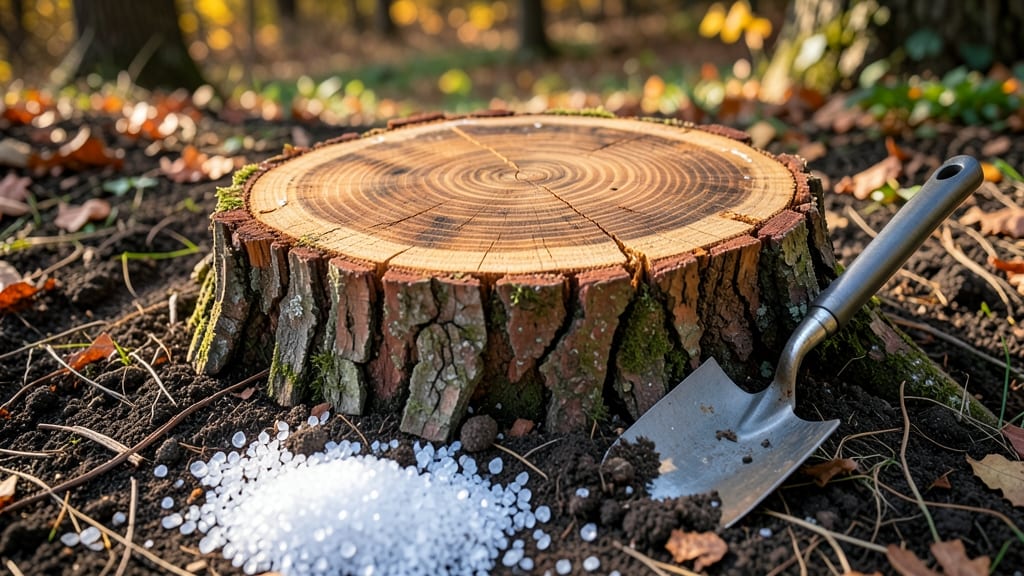
The secret to removing a tree stump in weeks—not years—is using potassium nitrate to speed up the process dramatically. This chemical accelerator turns rotting into a race against time, and the results are shocking.
My stubborn oak stump, which had resisted everything from digging to vinegar soak, crumbled to dust in just four weeks after treatment.
The beauty of potassium nitrate is how straightforward it is. You don’t need heavy machinery or days of labor—just a few pounds of the powder, a drill, and a little patience.
It’s especially useful when you’re prepping for new plantings or landscaping, and you can’t wait for nature to take its slow course. Plus, it works in both organic and conventional settings, though I’ll share how to adapt it for certified organic gardens.
What you’ll end up with is a clean, level spot ready for grass, mulch, or even a new tree. The breakdown is thorough, leaving no stubborn roots behind, and the process is far cleaner than grinding or digging.
No more wrestling with a stubborn stump—just a smooth transition to your next project.
Whether you’re clearing space for a garden bed or just tired of that eyesore, this method delivers fast, efficient results without the mess. Let’s get into the exact steps to make it work for your yard.
📚 In This Guide
- What you need
- Instructions
- Tips and common mistakes
- Wrapping up and next steps
What you need
- ● Potassium nitrate (KNO₃): 5–10 lbs (depending on stump size; larger stumps may need more). Look for food-grade or gardening-grade potassium nitrate (e.g., for fertilizers or fireworks).
- ● Water: 1–2 gallons (for mixing the solution). Use clean, fresh water.
- ● Drill with a 1-inch bit: For creating holes in the stump (rent or borrow if needed).
- ● Hammer or mallet: To tap the drill bit into hardwood if needed.
- ● Measuring cup or scale: For precise potassium nitrate dosage.
- ● Plastic or metal mixing container: A 5-gallon bucket works well for the solution.
- ● Safety gear: Gloves (nitrate can irritate skin)
- ● Safety goggles (for drilling)
- ● Dust mask or respirator (if drilling creates sawdust)
- ● Plastic sheeting or tarp: To protect surrounding soil/grass from spills.
- ● Biodegradable stump remover (e.g., with urea or molasses): For faster results if combining methods.
- ● String or marker: To outline the stump’s edges for cleanup later.
- ● Shovel or pruning saw: For removing smaller debris after the stump decomposes.
- ● Watering can or hose: To rehydrate the stump if weather is dry.
Step-by-Step instructions for using potassium nitrate to eliminate tree stumps
Here’s how to leverage potassium nitrate for rapid stump decomposition—no heavy machinery required.
Prepare the Stump for Treatment
First, clear away any debris, roots, or soil around the stump’s base. Use a sharp hatchet or pruning saw to create a 1-inch-deep horizontal notch around the perimeter, about 2 inches below ground level. This exposes fresh wood and helps the potassium nitrate penetrate deeper.
I like to make the notch in a zigzag pattern—it increases surface area for faster chemical absorption. Avoid cutting too deep; you’re just creating a groove, not removing the entire stump. The goal is to create a pathway for the solution to seep into the wood’s vascular system.
After notching, give the stump a light mist with water. This ensures the potassium nitrate solution will adhere evenly and soak in rather than bead up. Wet the exposed wood thoroughly, focusing on the notch area where the chemical will work most effectively.
Apply the Potassium Nitrate Solution
Mix 1 pound of potassium nitrate per gallon of water—this concentration accelerates decomposition without harming surrounding plants or soil. Use a paintbrush or sponge to apply the solution directly into the notch and onto the stump’s surface. The brush helps force the liquid into the wood fibers, ensuring it reaches the core.
Here’s the thing—don’t skip the notch. Without it, the solution sits on top and evaporates before penetrating. I’ve seen stumps treated this way take months to break down, whereas notched stumps often soften within weeks. Reapply the solution every 7–10 days until the stump shows signs of rotting—look for darkening wood or mushroom growth at the base.
For larger stumps (over 6 inches in diameter), double the potassium nitrate to 2 pounds per gallon. The extra strength speeds up the process, especially in dense hardwoods like oak or maple. Always wear gloves and avoid inhaling the powder—it’s a strong oxidizer.
Monitor and Maintain the Treatment
After application, cover the stump with 6 inches of mulch or wood chips to retain moisture and block sunlight, which can dry out the wood. I use shredded bark mulch because it breaks down slowly and keeps the area damp longer. Check the mulch weekly—if it dries out, add water to maintain a consistently moist environment.
You’ll notice the first signs of success in 2–3 weeks: the wood around the notch will soften, and small cracks may appear. At this stage, the stump is 50% decomposed—keep treating it until it collapses or can be pulled by hand. For stubborn stumps, extend the treatment to 8–12 weeks; patience here saves you from reapplication headaches.
If the stump isn’t breaking down as expected, the issue is usually insufficient moisture. Potassium nitrate works best in damp conditions. Increase watering between applications, or consider adding a plastic sheet over the mulch to trap humidity. Just remember to remove it after treatment to allow air circulation.
Remove the Decomposed Stump
Once the stump is soft and spongy—you’ll be able to push a screwdriver into it with minimal force—it’s time to dig it out. Start by prying up the top layer with a lever (a sturdy metal bar works best). The decomposed wood will crumble easily, making removal far simpler than with fresh stumps.
For the remaining roots, use a shovel or mattock to dig around the base. The potassium nitrate weakens the root system, so they’ll pull out with little resistance. If you encounter large roots, cut them with a pruning saw rather than forcing them—this prevents soil disturbance and keeps the area neat.
Finally, fill the hole with topsoil or compost to level the ground. The decomposed stump material can be composted or discarded—it’s now nutrient-rich and safe for your yard. I often mix it into garden beds as a slow-release fertilizer for perennials.
Tips & tricks for fast tree stump removal with potassium nitrate
Here's what I've learned from years of using potassium nitrate to eliminate stumps without heavy equipment—these tricks will help you avoid common pitfalls and get results in weeks, not months.
Notch Depth and Pattern: When creating that 1-inch-deep horizontal notch in Step 1, I recommend making it slightly deeper (about 1.25 inches) for larger stumps over 6 inches in diameter. The zigzag pattern isn't just decorative—it creates micro-channels that let the potassium nitrate solution penetrate deeper into the wood's vascular system. For stubborn hardwoods like oak, I sometimes add a second notch about 4 inches up the stump to ensure complete saturation.
Solution Application Technique: The paintbrush isn't just for spreading—use it to work the solution into the notch like you're frosting a cake. Press firmly to force the liquid into the wood fibers. For particularly dense stumps, I'll actually drill small holes (about 1/4-inch diameter) around the notch perimeter and inject the solution with a syringe. This ensures the chemical reaches the core where decomposition needs to start.
Moisture Retention Strategy: While the 6 inches of mulch is essential, I've found that adding a 1-inch layer of peat moss directly on top of the stump before applying mulch creates a moisture reservoir that lasts longer between waterings. The peat moss holds water like a sponge while breaking down slowly, which maintains consistent dampness—the single most critical factor for potassium nitrate effectiveness.
Visual Progress Indicators: In Step 3, watch for these three signs of successful decomposition: (1) The mulch will develop a white, powdery residue from the potassium nitrate reacting with the wood, (2) Tiny cracks will form radiating from the notch like spiderwebs, and (3) You'll see fungal growth (mushrooms or mycelium) at the base—this is actually a good sign, indicating the wood is breaking down. If you don't see these within 3 weeks, your stump may need more frequent applications or better moisture control.
Pro Tips for Potassium Nitrate To Remove Tree Stumps
- Here's what I've learned from years of using potassium nitrate to eliminate stumps without heavy equipment—these tricks will help you avoid common pitfalls and get results in weeks, not months.
- Notch Depth and Pattern: When creating that 1-inch-deep horizontal notch in Step 1, I recommend making it slightly deeper (about 1.25 inches) for larger stumps over 6 inches in diameter.
- Solution Application Technique: The paintbrush isn't just for spreading—use it to work the solution into the notch like you're frosting a cake.
Frequently asked questions
Got questions about using potassium nitrate to remove tree stumps? You’re not alone—this method is powerful but can feel tricky if you’re new to it. Below, we’ve rounded up the most common questions (and answers!) to help you tackle stump removal with confidence.
How much potassium nitrate do I need for a large tree stump?
The general rule is 1–2 cups per inch of stump diameter. For example, a 6-inch stump needs about 6–12 cups. Always check the product’s instructions, as concentrations vary. Pro tip: Overestimating is better than underestimating—stumps are stubborn!
How long does it take for potassium nitrate to work?
Most stumps break down within 2–6 weeks, depending on size, weather, and moisture. Hot, dry conditions speed up the process, while rain can dilute the chemical. Watch for: Cracks, softening, or mold—signs it’s working!
Can I use potassium nitrate if my stump is already rotting?
Yes! Potassium nitrate works on fresh or decaying stumps, but rotten ones may take longer. If the stump is mushy or hollow, focus the chemical on the healthier outer edges for faster breakdown. Bonus: Rotting stumps often crumble easier once treated!
What’s a safer alternative if I don’t want to use chemicals?
Try these non-chemical methods:
- Manual digging: Best for small stumps (rent a stump grinder or dig with a shovel).
- Vinegar + salt: Mix equal parts white vinegar and salt, drill holes, and pour in. Takes longer (4–8 weeks).
- Stump grinders: Rent one for a quick, eco-friendly solution (no chemicals!).
What should I do if the stump isn’t breaking down after 4 weeks?
First, check for moisture—dry conditions slow the process. Try these fixes:
- Reapply potassium nitrate (double the dose if needed).
- Cover the stump with a plastic tarp to trap heat and moisture.
- Drill additional holes (1–2 inches deep) and add more chemical.
Wrapping up and next steps
Removing tree stumps with potassium nitrate is a fast, cost-effective, and eco-friendly way to clear your yard without heavy machinery. Whether you're tackling a small garden project or reclaiming space for a new landscape, this method delivers visible results in just weeks—saving you time and effort.
Now that you’re armed with the right techniques and safety tips, it’s time to roll up your sleeves and transform that eyesore into usable space!
Ready to get started? Gather your supplies, mark your stump, and follow the steps confidently. Your yard (and future projects) will thank you! 🌱✨