Trees
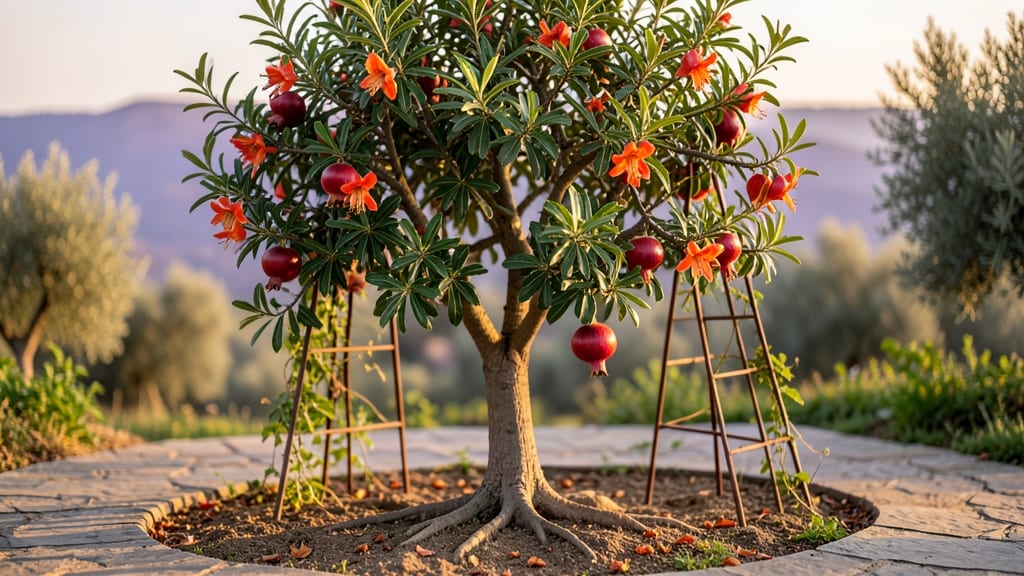
Growing pomegranate trees in Arizona isn’t just possible—it’s a game-changer for your desert landscape. 🌵 These hardy trees thrive in the heat, producing sweet, jewel-like fruit even when other plants struggle. My first tree bloomed in June, proving that Arizona’s summer isn’t a barrier when you pick the right variety.
The secret lies in heat-tolerant cultivars like ‘Wonderful’ or ‘Eversweet,’ which handle 110°F+ temperatures with ease. Plant in well-draining soil with a slight slope to prevent water pooling, and mulch heavily to retain moisture.
Unlike temperate climates, Arizona’s long growing season means you can harvest from late summer through fall—sometimes even into winter with protection.
You’ll end up with vibrant red arils bursting with flavor, and the trees themselves add stunning vertical interest to your yard. Just be watchful for sunburn on young fruit (shade cloth helps) and scale insects (neem oil is your best friend).
With the right care, these trees reward you with years of low-maintenance productivity.
Perfect for both urban backyards and rural lots, pomegranates adapt beautifully to Arizona’s conditions. Whether you’re a first-time grower or expanding your orchard, this guide covers everything from planting to harvest—no frost worries here!
📚 In This Guide
- What you need
- Instructions
- Tips and common mistakes
- Wrapping up and next steps
What you need
- ● Pomegranate Trees: Choose heat-resistant varieties like Wonderful, Eversweet, or Ambrosia. Buy 1-3 bare-root or container-grown saplings (1-2 years old) from a reputable nursery.
- ● Well-Draining Soil: 50 lbs of cactus/succulent mix or amend native soil with compost (20 lbs per tree) and perlite (10 lbs per tree) to improve drainage.
- ● Fertilizer: Slow-release citrus/pomegranate fertilizer (10-10-10 or 8-3-9 ratio, 1 lb per tree) or organic options like fish emulsion (1 gallon per tree).
- ● Mulch: 2-3 inches of gravel or wood chips (avoid organic mulch near the trunk to prevent rot).
- ● Shovel & Trowel: For planting and soil prep.
- ● Garden Gloves: Heavy-duty to protect against thorns.
- ● Watering Can or Drip Irrigation: Pomegranates need deep but infrequent watering (1-2 gallons per tree, 2-3 times per week initially).
- ● Pruning Shears: Sharp, sterilized shears for shaping and maintaining the tree.
- ○ Support Stake (Optional): For young trees in windy areas (1 per tree).
- ● Sunlight: A full-sun location (6+ hours daily) with afternoon shade in extreme heat (105°F+).
- ● Climate Zone: Arizona’s USDA Zones 8-11 are ideal—no frost tolerance needed!
- ● Space: Mature trees need 10-15 feet in diameter; plant 8+ feet apart.
- ● Water Access: Ensure a drip irrigation system or hose setup for consistent moisture.
- ● Test soil pH (6.0-7.0)—amend with lime if too acidic.
- ● Plant in late winter/early spring to avoid summer stress.
- ● Use thorn-resistant gloves—pomegranate thorns are serious!
How to plant and maintain pomegranate trees in Arizona’s climate
Here’s how I’ve learned to grow thriving pomegranates in the desert—with minimal fuss and maximum fruit.
🌱 Step 1: Choose the Right Variety for Arizona Heat
Skip cold-sensitive types like ‘Wonderful’—they’ll struggle in Arizona’s summers. Instead, plant ‘Eversweet’ or ‘Sweetheart’ varieties, bred to handle 110°F+ temperatures without dropping fruit. These stay productive year-round, even when other trees sulk in the heat.
Buy 1-2 year-old bare-root or container-grown trees from a reputable nursery. Avoid mail-order seedlings—they often arrive stressed and fail to adapt. Look for sturdy stems with multiple branches (a sign of established root systems). Plant in late winter or early spring, when soil temperatures are warming but extreme heat hasn’t arrived yet.
☀️ Step 2: Plant in Well-Draining Soil with Full Sun
Arizona’s alkaline soil drains too fast for pomegranates, so amend the planting hole with 3 gallons of compost mixed into the native soil. This improves moisture retention without suffocating roots. Dig a hole twice as wide as the root ball but only as deep—planting too deep drowns the tree.
Position the tree where it gets full sun (6+ hours daily)—no compromise. Pomegranates need intense light to set fruit, and shade will leave you with bitter, undersized harvests. Space 4 trees 10-12 feet apart to allow airflow (critical for disease prevention in Arizona’s humidity spikes).
💧 Step 3: Water Deeply but Infrequently
Pomegranates hate soggy roots but won’t survive without deep watering. After planting, soak the soil to 18 inches deep—that’s about 10 gallons per tree. Let the top 6 inches dry out between waterings; checking with your finger is easier than guessing. Overwatering in Arizona’s heat causes root rot, which kills trees faster than drought.
Once established (after 1 year), reduce watering to every 10-14 days during summer, unless rainfall exceeds ½ inch. Mulch with 2 inches of wood chips to lock in moisture and keep roots cool. Avoid synthetic mulches—they trap too much heat and stress the tree.
✂️ Step 4: Prune for Airflow and Fruit Production
Prune only in late winter (February) to shape the tree and remove dead or crossing branches. Cut back overly long limbs by ⅓ to encourage bushier growth—this boosts fruit production. Never prune in summer; the stress combined with Arizona’s heat will shock the tree.
Watch for suckers (shoots growing from the base)—remove them immediately. Suckers drain energy from fruit development. Thin clusters to 3-4 fruits per branch when they’re golf-ball sized—this ensures larger, sweeter pomegranates. Without thinning, you’ll end up with tiny, seedy harvests.
🌿 Step 5: Protect Against Arizona’s Unique Pests
Arizona’s pomegranate psyllids and aphids love young trees. Spray neem oil (mixed at 2 tbsp per gallon of water) every 2 weeks in spring to deter them. Avoid chemical pesticides—they harm pollinators and leave residues on fruit. Handpick larger pests like stink bugs (they burrow into fruit and make it unmarketable).
Birds are the real thieves here—cover trees with netting when fruit turns from green to pink. A single flock can strip a tree in hours. I use fine-mesh netting secured with clothespins; it’s a pain to install but saves every harvest. Remove netting after picking to let bees pollinate next year’s flowers.
Tips & tricks for perfect pomegranate trees in Arizona
These game-changing insights will help you avoid common pitfalls and maximize your desert harvest.
Variety Selection: The 110°F+ heat tolerance of 'Eversweet' and 'Sweetheart' varieties isn't just about survival—it's about thriving. These heat-resistant types actually develop sweeter fruit in Arizona's intense sun compared to cold-sensitive varieties. Look for trees with at least 3-4 main branches when purchasing; this indicates a stronger root system that can handle transplant shock better.
Soil Preparation: The 3 gallons of compost you mix into the planting hole isn't just about moisture retention—it's about creating the perfect microbial environment. Add a handful of mycorrhizal fungi to the compost mix (available at nurseries) to help roots establish faster in Arizona's alkaline soil. This symbiotic relationship boosts nutrient uptake by up to 80%, giving your tree a head start.
Watering Strategy: Those 18 inches of deep watering after planting aren't arbitrary—they're about reaching the tree's root zone where it needs hydration most. Use a soil probe to verify you've reached that depth. For established trees, water in the early morning to prevent evaporation and fungal growth. The 6-inch dry top layer is crucial—it prevents surface crusting that blocks oxygen to roots.
Pest Prevention: The neem oil spray every 2 weeks isn't just about psyllids and aphids—it's a complete ecosystem protector. Mix in 1 tsp of liquid seaweed fertilizer to the spray for added plant strength. Apply in the early evening when bees are less active to maximize effectiveness. For stink bugs, I've found that wrapping fruit clusters in fine mesh netting at the golf-ball stage prevents damage without affecting tree health.
Pro Tips for Pomegranate Trees In Arizona
- These game-changing insights will help you avoid common pitfalls and maximize your desert harvest.
- Variety Selection: The 110°F+ heat tolerance of 'Eversweet' and 'Sweetheart' varieties isn't just about survival—it's about thriving.
- Soil Preparation: The 3 gallons of compost you mix into the planting hole isn't just about moisture retention—it's about creating the perfect microbial environment.
Frequently asked questions
Got questions about growing pomegranate trees in Arizona? You’re not alone! Here are some of the most common concerns—plus straightforward answers to help you thrive in the desert climate.
Can pomegranate trees survive Arizona’s extreme heat?
Arizona’s heat is actually ideal for pomegranates—they thrive in USDA Zones 7–11. Just plant in full sun (6+ hours daily) and ensure well-draining soil. Varieties like Wonderful or Eversweet handle 100°F+ temps with ease. Water deeply but infrequently to avoid root rot.
How long does it take for a pomegranate tree to bear fruit in Arizona?
Patience is key! Dwarf varieties (like Dwarf Wonderful) may fruit in 2–3 years, while standard trees take 3–5 years. Arizona’s warm winters accelerate growth—just protect young trees from unexpected cold snaps (<32°F) with frost cloth.
Do pomegranate trees need a lot of water in the desert?
Not at all! Once established (after 1–2 years), pomegranates are drought-tolerant. Water deeply 1–2 times per week during the first year, then taper to every 2–3 weeks in summer. Mulch heavily to retain moisture and regulate soil temp.
Why aren’t my pomegranate flowers turning into fruit?
Common culprits: pollination issues (Arizona’s heat can reduce bee activity) or overwatering. Hand-pollinate with a soft brush if flowers persist but no fruit forms. Also, ensure your tree gets 6+ hours of sun daily—shade stress can halt fruiting.
Are there low-maintenance pomegranate alternatives for Arizona?
Yes! Try dwarf varieties (e.g., Dwarf Eversweet) for smaller spaces or thornless cultivars like Sugar Plum for easier harvesting. For minimal upkeep, opt for container growing—just use a 15+ gallon pot with drainage holes.
Still stumped? Drop your question in the comments—we’re happy to help you grow a bountiful (and heat-proof!) pomegranate harvest!
Wrapping up and next steps
Growing pomegranate trees in Arizona isn’t just possible—it’s a rewarding adventure!
With the right heat-resistant varieties, like ‘Wonderful’ or ‘Eversweet,’ you can enjoy lush fruit year-round while thriving in the desert’s unique climate. 🌵✨ Whether you’re a seasoned gardener or a beginner, these tips and FAQs give you the confidence to plant, nurture, and harvest your own vibrant pomegranates.
Ready to take the next step? Start small—pick a sunny spot, gather your supplies, and plant your first tree this season. Before you know it, you’ll be savoring the sweet, juicy rewards of your labor! 🍇🌞