Pruning
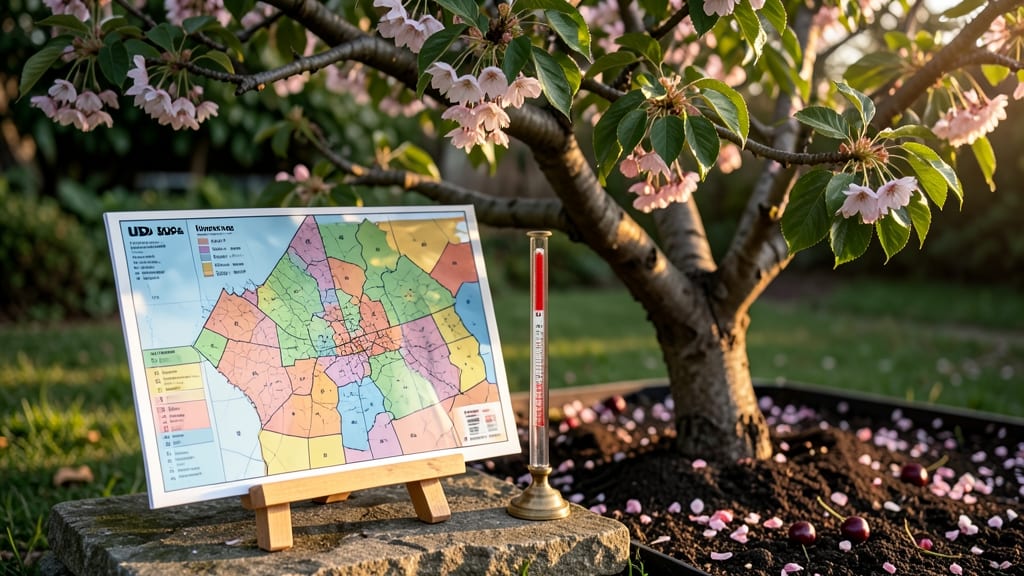
The cherry tree climate zone matters most in the Pacific Northwest, where zones 7 through 9 deliver cool summers and mild winters—ideal for sweet, tart, or ornamental cherries. 🌿 I’ve learned the hard way that not... all cherries thrive here—some need warmer summers to set fruit, while others struggle with our damp springs.
The key is matching your microclimate to a variety that loves what the PNW dishes out: consistent moisture, mild winters, and that signature coastal chill.
Sweet cherries like ‘Stella’ or ‘Lapins’ shine in zones 7-9, where they ripen reliably and resist spring frosts better than their southern cousins. Sour cherries like ‘Montmorency’ are even tougher, handling our cooler summers and wetter springs with ease.
Ornamental varieties like ‘Royal Raindrops’ add beauty without the fuss, blooming spectacularly even in partial shade. The trick is planting in well-drained soil—cherries hate soggy roots—and choosing a spot with at least 6 hours of sun daily, even if your yard leans shady.
What you’ll get is a tree that produces fruit (or stunning blossoms) year after year with minimal fuss. Sweet cherries reward you with juicy harvests in late summer, while sour cherries deliver tart treats for pies and preserves.
Ornamental types bring clouds of pink or white blooms in spring, turning your yard into a showstopper. The best part? These varieties adapt well to our mild winters, avoiding the winter damage that plagues tender southern cherries.
For borderline zones or cooler pockets, opt for early-blooming varieties or plant near a south-facing wall to extend the growing season. Just avoid low spots where cold air pools—cherries hate late frosts. With the right pick, your tree will thrive for decades, giving back more than you ever planted.
📚 In This Guide
- What you need
- Instructions
- Tips and common mistakes
- Wrapping up and next steps
What you need
- ● Cherry tree sapling: Choose a variety suited to your zone (e.g., Rainier, Stella, or Lapins—dwarf or standard). 💡 Pro tip: Buy from a local nursery for climate-adapted roots!
- ● Shovel: Heavy-duty, 18-24" (45-60 cm) for digging planting holes.
- ● Garden gloves: Durable, long-cuffed pair (e.g., Feldco or Workrite).
- ● Compost or well-aged manure: 5-10 gallons (19-38 L) to enrich soil.
- ● Mulch: 2-3 inches (5-7.5 cm) of wood chips or straw (avoid fresh bark).
- ● Watering can or hose: With a gentle spray nozzle for post-planting hydration.
- ● Pruning shears: Bypass-type, 6-8" (15-20 cm) blades for shaping young trees.
- ○ Tree stake (optional for young trees): 4-6 ft (1.2-1.8 m) tall, 1" (2.5 cm) diameter.
- ● Tie-down kit: Soft fabric strips or rubber tree ties (avoid wire!).
- ● Soil test kit: To check pH (cherries prefer 6.0-6.5).
- ● Fertilizer: Balanced 10-10-10 or organic options like fish emulsion (apply sparingly!).
- ● Tree guard: Plastic or metal collar to protect from voles/squirrels.
- ● Drip irrigation system: For consistent moisture in dry spells.
- ● Pest control: Neem oil or Spinosad (for organic growers).
- ● ✅ Sunlight: Full sun (6+ hours/day) in a sheltered spot (avoid frost pockets!).
- ● ✅ Soil: Well-draining, slightly acidic loam (amend clay with sand/compost).
- ● ✅ Spacing: 20-30 ft (6-9 m) apart for standard trees; 10-15 ft (3-4.5 m) for dwarfs.
- ● ✅ Timing: Plant bare-root trees in late fall or early spring; container-grown anytime (but avoid summer heat!).
How to select and plant cherry trees for Pacific Northwest success
Here’s how to pick the right varieties and prep your site for thriving cherry trees.
🌱 Step 1: Choose Cold-Hardy Varieties for Your Zone
The Pacific Northwest’s mild winters and wet springs mean you’ll want sweet cherries like ‘Stella’ or ‘Lapins’—both thrive in USDA Zones 5-8 and handle rain better than sour cherries. Sour cherries like ‘Montmorency’ need full sun and well-drained soil but struggle with fungal diseases in the region’s humidity.
Check your exact microclimate: Coastal areas (like Seattle) stay cooler, while inland spots (like Wenatchee) get hotter summers. If you’re in Zone 7 or warmer, ‘Rainier’ and ‘Bing’ can work, but they need cross-pollination—plant at least two trees of different varieties.
☀️ Step 2: Pick the Perfect Spot with Sun and Drainage
Cherry trees demand full sun (6-8 hours daily)—no compromise. Even partial shade weakens fruit production. In the PNW’s cloudy stretches, supplement with a dwarf variety like ‘Compact Stella’ to ensure enough light reaches the canopy.
Drainage is non-negotiable. Cherry roots rot in soggy soil, so avoid low spots or clay-heavy areas. Amend heavy soil with 2-3 inches of compost before planting—this improves aeration without smothering roots. Test drainage by digging a 12-inch hole: If water pools after 6 hours, raise the planting mound.
🪴 Step 3: Plant at the Right Time and Depth
Spring is ideal—plant 2-3 weeks before last frost (usually late March to early April in the PNW). Bare-root trees go in first, while balled-and-burlapped trees can handle fall planting if soil temps stay above 40°F. Soak roots for 1-2 hours before planting to revive them.
Dig a hole twice as wide as the root ball but no deeper. Set the tree so the graft union (visible bump near the base) sits 2-3 inches above soil level. Backfill with native soil, tamp gently, and water deeply to eliminate air pockets. Mulch with 3 inches of wood chips, keeping it 6 inches from the trunk to prevent rot.
💧 Step 4: Water and Fertilize for Strong Early Growth
Water deeply once a week for the first year—1-2 gallons per tree—until the soil 12 inches down stays moist. Overwatering in the PNW’s damp climate is just as deadly as underwatering. Use a soaker hose to avoid wetting leaves, which invites fungal diseases like leaf spot.
Fertilize lightly in spring with 10-10-10 granular fertilizer (follow package rates). Too much nitrogen early on encourages leafy growth over fruit. In years 2-3, switch to a low-nitrogen, high-phosphorus blend (like 5-10-10) to boost flowering. Avoid fertilizing after July 1—new growth won’t harden off before winter.
✂️ Step 5: Prune for Structure and Disease Prevention
Prune dormant trees in late winter (before buds swell) to remove dead, crossing, or inward-growing branches. Open the canopy for airflow—this cuts down on fungal issues like brown rot, which thrives in the PNW’s wet springs. Use clean, sharp pruners and sterilize them with rubbing alcohol between cuts.
Young trees need structural pruning: Aim for a central leader (main upward branch) with 3-4 scaffold branches spaced evenly. Thin out water sprouts (fast-growing vertical shoots) immediately—they drain energy from fruit production. Seal larger cuts (½ inch or wider) with pruning sealant to prevent silver leaf disease.
Tips & tricks for perfect cherry tree planting in the Pacific Northwest
Planting cherry trees in the PNW takes some extra thought—but these tricks will help you avoid common pitfalls and set your trees up for success.
Variety Selection: When choosing between sweet and sour cherries, remember that sweet varieties like ‘Stella’ and ‘Lapins’ are more cold-hardy and handle the region’s wet springs better. If you’re in Zone 7 or warmer, ‘Rainier’ and ‘Bing’ need a pollination partner—so plant at least two different varieties together. I always double-check the USDA zone map for my exact location to avoid surprises.
Sunlight Strategy: The PNW’s frequent cloud cover means you’ll need to be extra vigilant about sunlight. If your site gets less than 6 hours of direct sun, consider a dwarf variety like ‘Compact Stella’—it can handle slightly shadier conditions while still producing fruit. Position trees where they’ll get morning sun and afternoon shade if your summers get particularly hot.
Drainage Test: That 6-hour water test in a 12-inch hole is non-negotiable. I’ve seen too many cherry trees fail because of poor drainage. If water pools after 6 hours, raise the planting mound or consider installing a French drain. The extra effort now prevents root rot later.
Pruning Essentials: When pruning in late winter, focus on creating an open canopy to prevent fungal diseases like brown rot. I always sterilize my pruners with rubbing alcohol between cuts—this simple step prevents spreading diseases between branches. For larger cuts, seal them with pruning sealant to protect against silver leaf disease, which can be devastating.
Pro Tips for Cherry Tree Climate Zone
- Planting cherry trees in the PNW takes some extra thought—but these tricks will help you avoid common pitfalls and se...
- Variety Selection: When choosing between sweet and sour cherries, remember that sweet varieties like ‘Stella’ and ‘La...
- Sunlight Strategy: The PNW’s frequent cloud cover means you’ll need to be extra vigilant about sunlight. If your site...
Frequently asked questions
Got questions about growing cherry trees in the Pacific Northwest? You’re not alone! Here are answers to the most common concerns—from choosing the right variety to keeping your tree healthy in PNW’s unique climate.
What are the best cherry tree varieties for the Pacific Northwest’s climate zones?
The PNW’s USDA zones 7-9 favor cold-hardy varieties like Stella® (sweet), Lapins (tart), and Rainier (rain-resistant). For milder zones (8-9), try Bing or Sweetheart. Always check your local microclimate—some coastal areas may need early-blooming types to avoid late frosts.
Can cherry trees survive the wet PNW winters?
Yes! Most sweet and tart cherries tolerate the PNW’s damp winters, but proper drainage is key—avoid soggy soil by planting on a slope or using raised beds. Prune in late winter to prevent fungal diseases (like brown rot) from thriving in wet conditions. Dwarf varieties also handle wind better than standard trees.
How long does it take for a cherry tree to bear fruit in the PNW?
Patience is key! Dwarf trees may fruit in 3–5 years, while standard trees can take 5–7 years. Cross-pollination is often needed—plant at least two compatible varieties (e.g., Stella® + Bing) for sweet cherries. Tart cherries (like Montmorency) are self-pollinating but still benefit from a partner.
What pests or diseases should I watch for in PNW cherry trees?
The PNW’s mild winters can worsen pests like cherry fruit flies and aphids, plus diseases such as leaf spot or canker. Preventative sprays (neem oil or copper fungicide) in early spring help. Prune out dead wood in winter to reduce fungal spread.
Are there low-maintenance cherry tree alternatives for small PNW gardens?
If space is tight, consider columnar varieties (like Stella® Compact) or patio dwarf cherries (e.g., Sunburst®). These grow 6–10 feet tall and produce fruit with minimal pruning. Cherry laurels (ornamental, not edible) are another drought-tolerant option for hedges.
Still stumped? Drop your PNW-specific question in the comments—we’re happy to help!
Wrapping up and next steps
Choosing the right cherry tree variety for your Pacific Northwest garden is all about matching the cherry tree climate zone to your local conditions—whether you're in the cooler, wetter regions of the Cascades or the milder coastal areas.
With the right preparation, soil, and care, you’ll be rewarded with bountiful harvests and stunning spring blooms for years to come. 🌸
Ready to plant? Start by selecting your favorite variety, gathering your tools, and marking that spot in your garden. Take the next step—dig in, nurture your tree, and enjoy the sweet fruits of your labor!