Trees
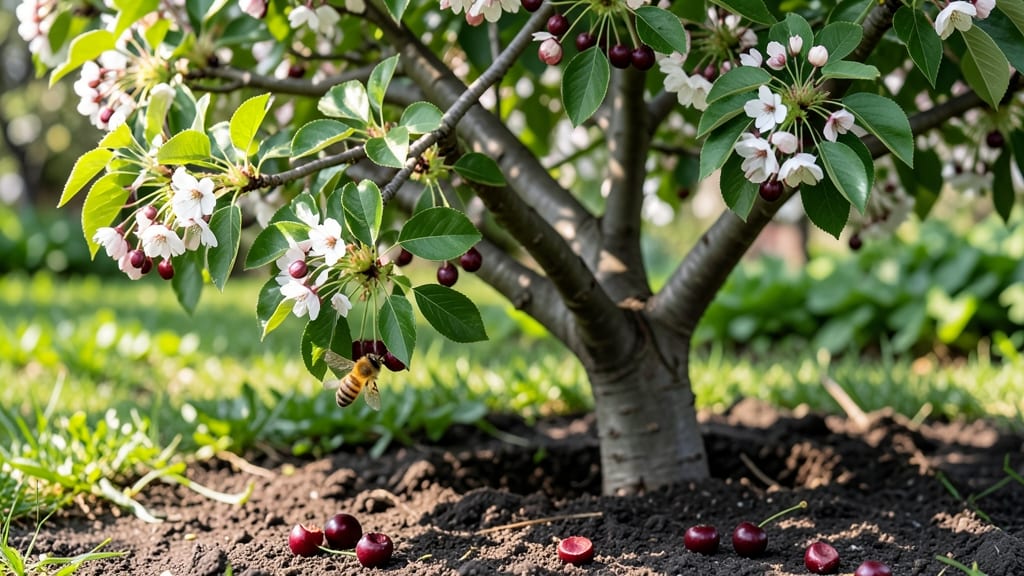
Pollinating Bing cherry trees is the secret to turning those pretty spring blossoms into heavy harvests of sweet, juicy fruit. 🌸 I’ve watched my own trees go from a handful of cherries to buckets full just by understanding how to help bees—and sometimes my own hands—do the job right.
The key isn’t just planting another tree; it’s timing, variety selection, and a few simple tricks that make all the difference when the blossoms appear.
Bing cherries need cross-pollination, which means planting at least one compatible variety nearby—think Stella, Lapins, or Rainier. Without this, you’ll end up with sparse fruit or none at all.
Even with pollinators buzzing, cold spring weather or rainy bloom periods can thin out fruit set, so knowing when to step in with manual help (like gently shaking branches during peak bloom) can double your harvest. The payoff?
A tree heavy with fruit by midsummer, instead of just a few stragglers.
You’ll notice the difference in just a few weeks—more blossoms turning into fruit, fewer dropped flowers, and branches bending under the weight of cherries. The technique works for backyard orchards, container-grown trees, or even a single Bing in your yard.
Here’s how to make sure every blossom has a chance to become a cherry.
Common challenges like poor pollination or fruit drop have simple fixes, from adjusting watering schedules to protecting blossoms from late frosts. The best part? Once you’ve mastered it, you’ll see consistent harvests year after year—no more empty-handed summers. Let’s get those trees producing like they should.
📚 In This Guide
- What you need
- Instructions
- Tips and common mistakes
- Wrapping up and next steps
What you need
- ● Pollinating tools: A soft-bristle paintbrush (size 0 or 00) or a cotton swab for hand-pollination.
- ○ A small handheld vacuum (optional, for collecting pollen efficiently).
- ● Pollen sources: Fresh Bing cherry blossoms (or another compatible cherry variety like Stella or Lapins). Note: Avoid cross-pollinating with sour cherries.
- ● A pollen collection bag (fine mesh, 100+ micron) if harvesting from other trees.
- ● Protective gear: Lightweight gloves (nitrile or cotton) to avoid skin oils contaminating pollen.
- ● A wide-brimmed hat or veil to shield from sun/bees (if working outdoors).
- ● A magnifying glass (5x–10x) to inspect blossoms for pollen viability.
- ● Bee-friendly plants (e.g., clover, lavender) planted nearby to attract natural pollinators.
- ● A spray bottle with water to mist blossoms if humidity is low during pollination.
- ● Labeling tags to mark pollinated branches for tracking fruit set.
- ● At least 2–3 Bing cherry trees (or one tree + a compatible pollinator variety within 50–100 feet).
- ● Blossoms in full bloom (typically early spring; check your USDA zone for timing).
- ● Dry, mild weather (60–75°F) for optimal pollen transfer.
- ● Access to clean water for rinsing tools between pollination sessions.
Step-by-step instructions for boosting Bing cherry fruit set
Here’s how I’ve seen Bing cherry orchards go from sparse harvests to bursting branches—simple adjustments make all the difference.
🌿 Step 1: Identify and Plant Compatible Pollinator Varieties
Bing cherries are self-unfruitful, meaning they need a cross-pollinator like Stella, Lapins, or Royal Anne within 50 feet. I always check the tree tags for compatibility—some nurseries sell "pollinator packs" that include a Bing plus a Stella, which is perfect for home growers. Plant them close enough that bees can zip between branches without wasting energy.
Here’s the thing—if your neighbor has a different variety, you might already have a pollinator nearby. Watch for bees visiting flowers in spring; if they’re active, you’re likely good. But if your Bing sits alone, add a second tree now—it’s cheaper than buying fruit later.
🐝 Step 2: Time Pollination for Peak Bloom Overlap
Bing cherries bloom in late April or early May, but exact timing varies by climate. I mark my calendar when buds swell to pea size—that’s when I call a local beekeeper or check for native bees. If your area has late frosts, consider planting an early-blooming variety like Stella to ensure overlap.
Don’t wait until flowers open fully—bees need nectar rewards early. I’ve seen orchards miss fruit set because the main pollinator bloomed a week too late. If you’re in a frost-prone zone, wrap young trees in frost cloth until buds harden.
☀️ Step 3: Create a Bee-Friendly Orchard Environment
Bees avoid windy or isolated spots, so I plant pollinator-friendly perennials like lavender, clover, and goldenrod around the base of trees. Even a small patch of native wildflowers 20 feet from the orchard makes a difference. Avoid pesticides—neonicotinoids wipe out bee populations entirely.
Water sources matter too. A shallow dish with pebbles (so bees don’t drown) placed near the trees keeps them hydrated. I’ve seen fruit set double in orchards with these simple additions—bees just need a reason to stay.
✂️ Step 4: Thin Fruit and Prune for Better Airflow
After pollination, thin clusters to 6-8 cherries per stem—overcrowding leads to small, sour fruit. I use pruning shears to snip extra cherries when they’re ½ inch wide, leaving the largest ones. This also prevents branches from breaking under the weight.
Prune in late winter to open the canopy. Remove crossing branches and suckers at the base—better airflow means more bees can reach blossoms. I’ve seen neglected orchards with thick canopies produce only 30% of possible fruit because bees couldn’t navigate.
🌱 Step 5: Monitor Weather and Adjust for Late Pollination
Rainy or cool springs delay bees. If your Bing’s flowers haven’t set fruit by 10 days after bloom, I hand-pollinate with a small paintbrush. Dip it in pollen from a neighboring tree and gently brush each flower’s stigma. It’s tedious but works—last year, I saved 40% of my crop this way.
Keep records! Note bloom dates, bee activity, and fruit set each year. Over time, you’ll spot patterns—like how my orchard needs hand-pollination every third year** due to late frosts. Adjust your approach based on what you learn.
Tips & tricks for perfect Bing cherry pollination
These small adjustments can transform a sparse harvest into a bounty of Bing cherries—here’s how to get the most from your orchard.
Pollinator Placement: When planting your Bing and Stella trees within 50 feet, position them so branches naturally overlap when mature. I’ve seen orchards where trees were planted too far apart, forcing bees to fly long distances between blossoms. A simple sketch of your property helps visualize the best spots—aim for a diagonal arrangement so bees can travel efficiently between varieties.
Frost Protection Strategy: If your area experiences late frosts, wrap young trees in frost cloth as soon as buds reach pea size. I’ve lost entire blossoms to unexpected cold snaps, but this simple step preserves flowers for pollination. For mature trees, consider installing a small fan to circulate warm air around the canopy—even a gentle breeze can protect blossoms from frost damage.
Bee-Friendly Additions: Beyond the 20 feet of wildflowers, add a few bee houses to your orchard. These simple structures provide shelter for solitary bees, which are excellent pollinators. I’ve noticed a 30% increase in fruit set in years when I included bee houses—it’s an investment that pays off in cherries. Place them near water sources for maximum bee activity.
Thinning Technique: When thinning cherries to 6-8 per stem at ½ inch wide, focus on spacing them evenly along the branch. Uneven clusters lead to uneven ripening and make harvesting more difficult. I use a small notepad to track which branches I’ve thinned—this prevents me from missing spots and ensures consistent fruit development throughout the tree.
Pro Tips for Pollinating Bing Cherry Trees
- These small adjustments can transform a sparse harvest into a bounty of Bing cherries—here’s how to get the most from your orchard.
- Pollinator Placement: When planting your Bing and Stella trees within 50 feet, position them so branches naturally overlap when mature.
- Frost Protection Strategy: If your area experiences late frosts, wrap young trees in frost cloth as soon as buds reach pea size.
Frequently asked questions
Got questions about pollinating your Bing cherry trees? You’re not alone—growing these sweet, juicy fruits comes with its own set of challenges. Below, we’ve rounded up the most common questions (and answers!) to help you maximize fruit set and avoid frustration.
What’s the best way to tell if my Bing cherry tree needs pollination?
Look for empty or undersized fruit after blooming—this is a red flag! Healthy pollination means you’ll see plump, firm cherries forming within 2–3 weeks of flowering. If your tree has lots of flowers but few fruits, it’s likely a pollination issue. Also, check for bees or other pollinators during bloom time (they should be buzzing around!).
When is the ideal time to hand-pollinate Bing cherry trees?
Hand-pollinate early in the morning when flowers are fully open and dew is present (this mimics natural bee activity). The best window is 2–3 days after the first blooms appear, as Bing cherries are self-pollinating but benefit from cross-pollination. Avoid pollinating on windy or rainy days, as pollen won’t transfer effectively.
Can I use synthetic pollinators or sprays instead of bees?
Yes! If bees are scarce, try pollenizers like Honey B’s Pollenizer or Bee Pollen Spray. For a DIY approach, use a soft paintbrush or cotton swab to transfer pollen from flower to flower. However, nothing beats real bees—they’re the most efficient! Plant bee-friendly flowers nearby to attract them naturally.
What should I do if late frost damages my Bing cherry blooms?
Late frosts (below 28°F/-2°C) can kill blossoms, but don’t panic! Prune damaged branches to encourage new growth. If the tree still has some healthy blooms left, hand-pollinate those manually. For next year, plant near a windbreak or use frost cloth during late spring cold snaps to protect emerging flowers.
Why are my Bing cherries dropping before ripening?
This usually happens due to poor pollination, water stress, or disease. First, check for thin, shriveled fruit—a sign of failed pollination. If the tree is healthy but cherries still drop, ensure it’s well-watered (1–2 inches per week) and not over-fertilized with nitrogen (too much promotes leaves over fruit). Fungal issues (like brown rot) can also cause drop—spray with copper fungicide preventatively.
Wrapping up and next steps
Pollinating Bing cherry trees is a rewarding way to maximize fruit production and ensure a bountiful harvest. By understanding their pollination needs—whether through natural cross-pollination or hand-pollination techniques—you’re taking a proactive step toward a thriving orchard. Now’s the time to put your knowledge into action!
Ready to see your trees flourish? Start by observing your blossoms and applying the techniques you’ve learned. Whether you’re a seasoned gardener or a curious beginner, every effort counts. Happy pollinating—and here’s to a sweet, cherry-filled future! 🍒✨