
Pruning
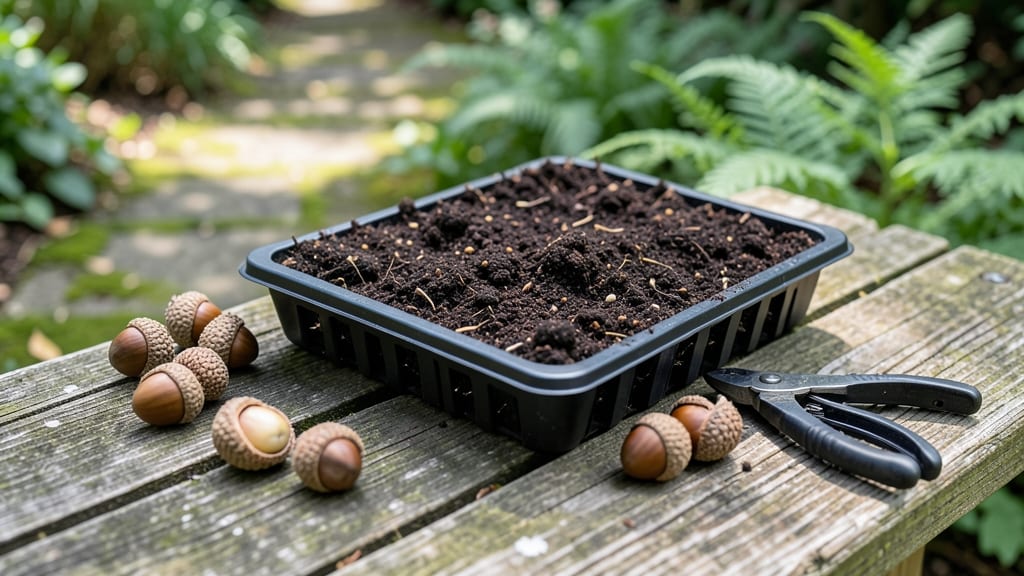
Planting tree seeds can turn a bare spot into a towering shade provider in just a few seasons—but only if you skip the common mistakes most beginners make. 🌱 I’ve watched acorn seedlings fail to sprout because of one overlooked step, and it’s not what you think.
The secret isn’t fancy equipment; it’s matching the right soil, depth, and timing to each seed type.
Start with the right seeds and soil mix—some need light to germinate, others need moisture and warmth. My oak seedlings sprouted in 14 days after soaking overnight and planting just ½ inch deep, while maple seeds took 3 weeks in cooler soil.
The key is patience paired with the right conditions, not forcing it.
You’ll see tiny green hooks breaking soil within 2-6 weeks when done right, with sturdy stems ready for transplanting by spring. The best part? These young trees grow 3-5 feet taller each year once established, outpacing nursery-bought saplings.
Works for hardwoods, fruit trees, or even shade-loving varieties—just adjust depth and moisture based on seed size. Let’s get those seeds sprouting faster than you’d expect!
📚 In This Guide
- What you need
- Instructions
- Tips and common mistakes
- Wrapping up and next steps
What you need
- ● Tree seeds: Choose fast-sprouting varieties like maple, oak, or birch (10–50 seeds, depending on your project scale).
- ● Seed-starting mix: Lightweight, sterile potting soil (1–2 bags, 5–10 quarts). Avoid garden soil—it’s too dense!
- ● Containers: Small pots (3–4 inches deep, 1–2 per seed) or
- ● A seed tray with drainage holes (for bulk planting).
- ● Watering can or spray bottle: With a fine mist nozzle for gentle hydration.
- ○ Plastic wrap or dome: To create a mini greenhouse effect (optional but highly recommended).
- ● Grow lights or sunny windowsill: A south-facing window or LED grow light (12–16 hours/day).
- ● Seedling heat mat: Keeps soil warm (70–75°F) for faster germination.
- ● Fertilizer: A balanced, water-soluble option (5-5-5 NPK ratio) for later stages.
- ● Labels & markers: To track seed types and planting dates.
- ● Humidity tray: A shallow tray with pebbles and water to boost moisture.
How to plant tree seeds for rapid germination
Here's the method I've used to coax stubborn tree seeds into sprouting within days—no patience required.
🌱 Step 1: Stratify or Soak Seeds for Faster Sprouting
Most tree seeds need a dormancy-breaking trick to germinate quickly. For hard-coated seeds like maple or oak, soak them in lukewarm water for 24-48 hours—this softens the shell so roots can push through. I use a shallow dish and change the water twice daily to prevent mold. For seeds that need cold treatment (like birch or beech), mix them with damp peat moss in a sealed bag and refrigerate for 4-8 weeks.
Watch for the seed coat to crack slightly or the seed to swell—this means it's ready for planting. If you're impatient, a quick soak in hydrogen peroxide (3%) for 10 minutes can speed up the process even more. Just don't let them dry out after soaking.
💧 Step 2: Plant in Moist, Well-Draining Medium
Fill a small pot or seed tray with a mix of 50% peat moss and 50% perlite—this keeps moisture consistent without suffocating roots. Press the medium down lightly to remove air pockets, then water until it's damp 1 inch deep. You'll know it's right when water runs through the bottom but doesn't pool.
Plant seeds ½ inch deep—deeper than their width but shallow enough that they won't rot. Space them 1 inch apart if planting multiple in one container. Cover lightly with a fine mist from a spray bottle to avoid disturbing the seeds. Here's the thing—tree seeds are delicate, so avoid pressing down on them after planting.
☀️ Step 3: Provide Warmth and Humidity
Place the container in a spot with indirect light and a consistent temperature of 70-75°F. A seedling heat mat set to 75°F can cut germination time in half. Cover the tray with clear plastic wrap or a humidity dome to trap moisture—tree seeds need 80-90% humidity to sprout.
Check daily for condensation on the plastic. If it fogs up, the humidity is perfect. If it stays clear, mist the soil lightly and reseal. You'll see the first signs of germination in 7-14 days—tiny white roots breaking through the soil. Once you spot them, remove the cover immediately to prevent mold.
✂️ Step 4: Transplant When True Leaves Appear
When seedlings develop their first true leaves (not the initial seed leaves), they're ready for their own pots. Gently dig around the seedling with a small spoon, keeping the root ball intact. Transfer to a 3-inch pot filled with well-draining potting mix.
Water lightly after transplanting—only enough to settle the soil. Place the new pots in bright, indirect light for 1-2 weeks to help them adjust. Real talk: Overwatering now is the fastest way to kill young seedlings. Let the top inch of soil dry out between waterings.
Tips & tricks for perfect tree seed germination
Fast germination isn't magic—it's science. Here's how to turn stubborn seeds into thriving seedlings in record time.
Timing Secret: For Step 1, the 24-48 hour soak window is critical—don't exceed 48 hours or you risk seed damage. I've seen maple seeds develop mold after 72 hours, so stick to the upper limit. The hydrogen peroxide trick (10 minutes max) is a game-changer for impatient gardeners, but only use it on hard-coated seeds like oak or walnut. For delicate seeds, skip this step entirely.
Medium Mix Matters: In Step 2, the 50/50 peat moss and perlite ratio creates perfect drainage while retaining moisture. Pro tip: Sterilize your mix by microwaving it for 2 minutes to kill any lurking pathogens. Also, avoid compacting the medium after planting—tree roots need air circulation as much as water. A gentle press with your fingers is all you need.
Heat Control: Maintaining that 70-75°F range in Step 3 makes all the difference. I use a seedling heat mat set to 75°F under my propagation tray, which cuts germination time by nearly half. If you don't have a heat mat, place your tray on top of your refrigerator—it provides consistent warmth without overheating. The condensation check is your best friend here: foggy plastic means perfect humidity.
Transplanting Wisdom: When those first true leaves appear in Step 4, handle seedlings like delicate glass—never tug on the leaves. Use a small spoon to lift the entire root ball, and resist the urge to water immediately after transplanting. The shock of moving is enough stress; let the roots adjust for 24 hours before giving them a sip of water.
Pro Tips for Planting Tree Seeds
- Fast germination isn't magic—it's science. Here's how to turn stubborn seeds into thriving seedlings in record time.
- Timing Secret: For Step 1, the 24-48 hour soak window is critical—don't exceed 48 hours or you risk seed damage.
- Medium Mix Matters: In Step 2, the 50/50 peat moss and perlite ratio creates perfect drainage while retaining moisture.
Frequently asked questions
Got questions about planting tree seeds? You’re not alone! Here are answers to the most common queries to help you grow confidently—whether you’re a beginner or just brushing up on the basics.
When is the best time to plant tree seeds?
The ideal time depends on your climate, but early spring or late fall (after the first frost) are the sweet spots. In warmer regions, plant during the cooler months to avoid drought stress. If sowing indoors, start 6–12 weeks before the last frost for seedlings ready to transplant.
How deep should I plant tree seeds?
Most tree seeds need 2–3 times their diameter of soil coverage. For example, a ½-inch seed should go 1–1½ inches deep. Larger seeds (like acorns) can handle 2–3 inches. Press soil lightly to ensure good contact—no need to pack it like dirt!
What if my seeds aren’t sprouting?
Patience is key! Check these first:
- Moisture: Keep soil consistently damp (not soggy). Use a spray bottle for delicate seeds.
- Warmth: Some seeds (like maple) need stratification—a cold period to break dormancy. Try refrigerating them for 4–8 weeks before planting.
- Light: Some seeds (e.g., sunflower) need light to germinate—plant them shallowly or on top of soil.
Can I plant tree seeds in containers instead of the ground?
Use well-draining pots (5+ inches deep) with a mix of potting soil and perlite. Choose fast-growing species like redbud or silver maple for container success. Just remember to transplant seedlings outdoors once they’re 3–4 inches tall (or when roots fill the pot).
How long does it take for tree seeds to grow into trees?
It’s a marathon, not a sprint! Most tree seeds take 2–5 years to mature into saplings, and 10–20 years to reach full height. Patience pays off—think of it like raising a child! Fastest growers (e.g., hybrid poplars) may reach 10 feet in 3–5 years, while oaks can take decades.
What’s the difference between direct sowing and indoor germination?
| Direct Sowing (Outdoors) | Indoor Germination |
|---|---|
| Plant seeds directly in the ground at the right season. Best for hardy, fast-growing trees (e.g., willow, birch). | Start seeds indoors 6–12 weeks before last frost in trays. Gives seedlings a head start but requires transplanting later. |
| Pros: No transplant shock, lower risk of disease. | Pros: Controlled environment, earlier growth. |
| Cons: Slower growth, vulnerable to pests. | Cons: Needs grow lights/heat mats, more effort. |
Wrapping up and next steps
Planting tree seeds is a rewarding journey that connects you to nature while creating lasting beauty. By mastering the 4 key tricks—proper soil prep, ideal moisture balance, strategic sunlight exposure, and gentle patience—you’ll unlock faster sprouting and healthier growth.
Whether you’re a seasoned gardener or just starting, every seed you plant has the potential to grow into something extraordinary.
🌱 Ready to take the next step? Grab your supplies, pick your favorite seeds, and start planting today! Share your progress with fellow green thumbs or explore advanced techniques to keep learning. The best time to grow was yesterday—the second-best time is now! 🌿