
Propagation
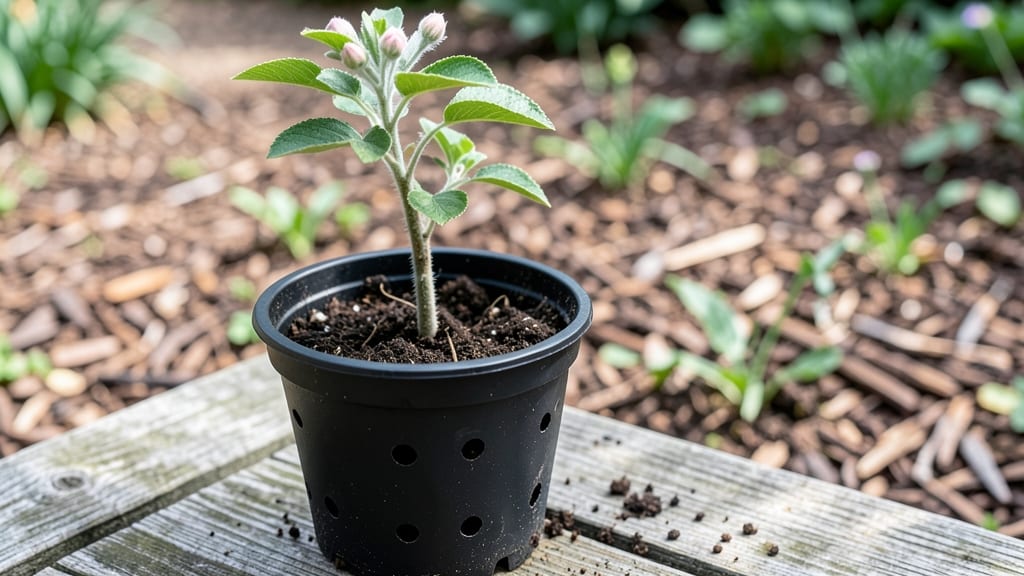
Planting fruit trees from seed is the ultimate long-game gardening project—turning a tiny, dormant seed into a towering orchard takes years, but there’s nothing quite like the satisfaction of biting into fruit from a tree you nurtured from scratch. 🌱 The key is starting with the right seeds and giving them the time they need to develop into sturdy saplings.
My first attempt with a peach pit took three years before it even flowered, but now I’m hooked on the slow magic of seed-grown fruit trees.
The process begins with seed selection—some fruits, like apples and stone fruits, germinate more reliably than others, while citrus and avocados often produce true-to-type trees.
You’ll need a warm, moist germination setup (think damp paper towels or a seed-starting mix) and plenty of patience, as germination can take anywhere from a few weeks to several months.
Once sprouted, seedlings need bright light and careful watering to avoid damping off, a fungal disease that strikes tender young roots.
By the time your seedling reaches 12-18 inches tall, it’s ready for transplanting into the ground or a large container. With proper care—regular watering, seasonal pruning, and protection from pests—you’ll eventually get a tree that produces fruit, though it may take 5-10 years to bear its first harvest.
The payoff? Fruit with flavors and textures you’ll never find in a grocery store, grown by your own hands.
This method works best in warmer climates, but even cooler zones can try with cold-hardy varieties like apples or pears. The real secret? Starting early—some seeds need stratification (a cold period) before they’ll sprout, so plan ahead.
Whether you’re a beginner or a seasoned gardener, seed-grown fruit trees offer a rewarding challenge that connects you to the land in a way store-bought plants never will.
📚 In This Guide
- What you need
- Instructions
- Tips and common mistakes
- Wrapping up and next steps
What you need
- ● Fresh fruit seeds: 10–20 viable seeds (from organic, non-hybrid fruits like apples, peaches, or citrus—avoid seedless varieties!)
- ● Well-draining potting mix: 1–2 bags (sterilized, seed-starting blend or a mix of peat, perlite, and vermiculite)
- ● Small seed-starting trays or pots: 6–12 (3–4 inch diameter, with drainage holes)
- ● Plastic wrap or humidity dome: 1 (to retain moisture)
- ● Spray bottle: 1 (for gentle watering)
- ● Grow lights or sunny windowsill: 1 (full-spectrum LED or natural light, 6+ hours/day)
- ○ Heat mat (optional): 1 (70–80°F range for faster germination)
- ● Larger pots (1–3 gallons): 2–4 (for transplanting seedlings)
- ● Garden soil (amended): 1–2 cubic yards (rich in compost, aged manure, or organic matter)
- ● Mulch: 1–2 bags (straw, wood chips, or leaves to retain moisture)
- ● Pruning shears: 1 (sterilized, sharp pair for shaping young trees)
- ○ Tree stakes & ties (optional): 2–4 (for support as saplings grow)
Step-by-step instructions for growing fruit trees from seed
Start your orchard journey with these reliable methods—your future harvests begin here.
🌱 Step 1: Select and Prepare Your Seeds
Choose fresh, plump seeds from high-quality fruit—avoid store-bought varieties since they’re often hybrid and won’t produce true-to-type fruit. I like to use seeds from heirloom varieties like apples, peaches, or plums. Remove any remaining fruit flesh, rinse the seeds thoroughly, and let them dry for 24 hours at room temperature.
Here's the thing—many fruit tree seeds need stratification (a cold treatment) to break dormancy. Place the dried seeds in a sealed container with slightly damp sand or peat moss, then refrigerate for 6-12 weeks at 35-45°F. This mimics winter conditions and kickstarts germination. Check occasionally to ensure the mix stays moist but not soggy—you want it to feel like a wrung-out sponge.
🌱 Step 2: Sow the Seeds Indoors
Fill small pots (3-4 inches deep) with sterile seed-starting mix—avoid garden soil, which can harbor diseases. Plant 1-2 seeds per pot about ½ inch deep, pressing gently but not firmly. Label each pot with the fruit type and date, because seedlings can look identical until they start leafing out.
Cover the pots loosely with plastic wrap or a humidity dome to retain moisture, then place them in a warm, bright spot (around 70°F). Keep the soil consistently moist but never waterlogged—you’ll know it’s right when the surface feels damp but not wet to the touch. Germination can take 2-6 weeks, depending on the species and stratification success.
☀️ Step 3: Provide Light and Care for Seedlings
Once seedlings emerge, remove the plastic wrap immediately to prevent damping-off. Move them to a south-facing window or under grow lights for 14-16 hours of light daily. Without enough light, seedlings stretch toward the window (called "leggy growth"), which weakens them. You’ll spot strong seedlings by their thick stems and dark green leaves—these are your winners.
Water gently from the bottom by placing pots in a tray of ½ inch of water for 10-15 minutes. This encourages deep root growth and prevents fungal issues. Fertilize lightly with a balanced, water-soluble fertilizer (like 10-10-10) diluted to half-strength once the seedlings have 2-3 sets of true leaves. Over-fertilizing now can burn tender roots.
🪴 Step 4: Transplant and Harden Off Seedlings
When seedlings reach 6-12 inches tall and have 5-6 sets of leaves, it’s time to transplant them into 5-gallon containers or directly into the ground. Choose a location with full sun (at least 6-8 hours daily) and well-draining soil. Dig a hole twice as wide as the root ball but only as deep as the container—planting too deep can suffocate the roots.
Harden off the seedlings by placing them outdoors in a shaded, sheltered spot for 1-2 hours the first day, gradually increasing time over 10-14 days. Watch for wilting or leaf drop—this means they’re adjusting. Once they tolerate full sun without stress, transplant them permanently. Water deeply after planting to settle the soil around the roots.
Tips & tricks for planting fruit trees from seed
Growing fruit trees from seed takes patience, but these tricks will help you avoid common pitfalls along the way.
Seed Selection: Don't just grab any seeds—look for plump, firm seeds from heirloom fruit varieties. Store-bought fruits often come from hybrid varieties that won't produce true-to-type fruit. I've learned this the hard way after growing disappointing trees from grocery store seeds! For best results, use seeds from organic or locally grown fruit when possible, as they're more likely to be non-hybrid.
Stratification Success: The 6-12 week cold treatment at 35-45°F is crucial for breaking seed dormancy. I recommend using a mix of sand and peat moss that stays consistently moist like a wrung-out sponge—this prevents mold while keeping seeds hydrated. For varieties with particularly hard seed coats (like apples), you might want to nick the seed coat lightly with a knife before stratification to improve germination rates.
Lighting Strategy: Those critical 14-16 hours of daily light make all the difference. If your seedlings start stretching toward the light (leggy growth), they're not getting enough. Consider investing in affordable LED grow lights—just 12 inches above the seedlings provides perfect light without heat. I've seen seedlings go from weak and spindly to strong and sturdy within days after adding proper lighting.
Transplant Timing: Wait until seedlings reach 6-12 inches with 5-6 sets of leaves before transplanting—this ensures they have strong root systems. When planting, dig a hole twice as wide as the root ball but only as deep as the container to prevent suffocating the roots. I always water deeply after transplanting to help settle the soil and reduce transplant shock.
Pro Tips for Planting Fruit Trees From Seed
- Growing fruit trees from seed takes patience, but these tricks will help you avoid common pitfalls along the way.
- Seed Selection: Don't just grab any seeds—look for plump, firm seeds from heirloom fruit varieties.
- Stratification Success: The 6-12 week cold treatment at 35-45°F is crucial for breaking seed dormancy.
Frequently asked questions
Got questions about growing fruit trees from seed? You’re not alone—this method takes time and care, but the rewards are sweet! Below, we tackle the most common concerns to help you grow with confidence.
How long does it take for a fruit tree grown from seed to bear fruit?
A fruit tree grown from seed can take 5–15 years to bear fruit, depending on the species. Apple, pear, and peach seeds often take the longest, while citrus or avocado seeds may fruit faster (3–5 years). Patience is key—grafting mature varieties onto seedling rootstock speeds up fruiting time!
Can I grow any fruit tree from seed, or do some require grafting?
Most fruit trees can be grown from seed, but the fruit may not match the parent tree’s variety. For consistent, high-quality fruit, grafting a known cultivar onto a seedling rootstock is best. Seed-grown trees are great for rootstock or experimental growing!
What’s the best time of year to plant fruit tree seeds?
The ideal time depends on your climate:
- Cold climates: Start seeds indoors 8–12 weeks before last frost, then transplant seedlings in spring.
- Warm climates: Sow seeds directly in late winter or early spring for best germination.
- Tropical fruits (avocado, citrus): Plant seeds year-round in warm soil.
Check seed-specific needs—some (like apples) need stratification!
Why aren’t my fruit tree seeds germinating? Troubleshooting tips.
If seeds aren’t sprouting, try these fixes:
- Stratification: Cold-moist treatment (e.g., refrigerate apple/pear seeds for 60–90 days).
- Soil warmth: Use a heat mat (70–85°F) for tropical seeds like mango or citrus.
- Freshness: Older seeds may lose viability—test with a few at a time.
- Moisture: Keep soil damp (not soggy) and use a humidity dome.
If still stuck, research your specific fruit’s germination quirks!
Is it cheaper to buy a sapling or grow from seed?
Growing from seed is ultra-budget-friendly ($0–$5 for seeds vs. $20–$100+ for saplings). However, saplings fruit faster and guarantee variety. For hobbyists or large-scale orchards, seed-starting saves money—but grafted trees win for efficiency!
Wrapping up and next steps
Growing fruit trees from seed is a rewarding journey that blends patience, creativity, and a touch of green-thumb magic! 🌱 While it may take years to enjoy your homegrown harvest, the satisfaction of nurturing life from a tiny seed—and watching it flourish—is unmatched.
Start small with just one or two varieties, experiment with care, and soon, you’ll be well on your way to cultivating your very own orchard.
Ready to take the next step? Research the best fruit trees for your climate, gather your supplies, and dive into the process with confidence. Happy planting—your future fruit tree is waiting! 🍎🌳