
Pruning
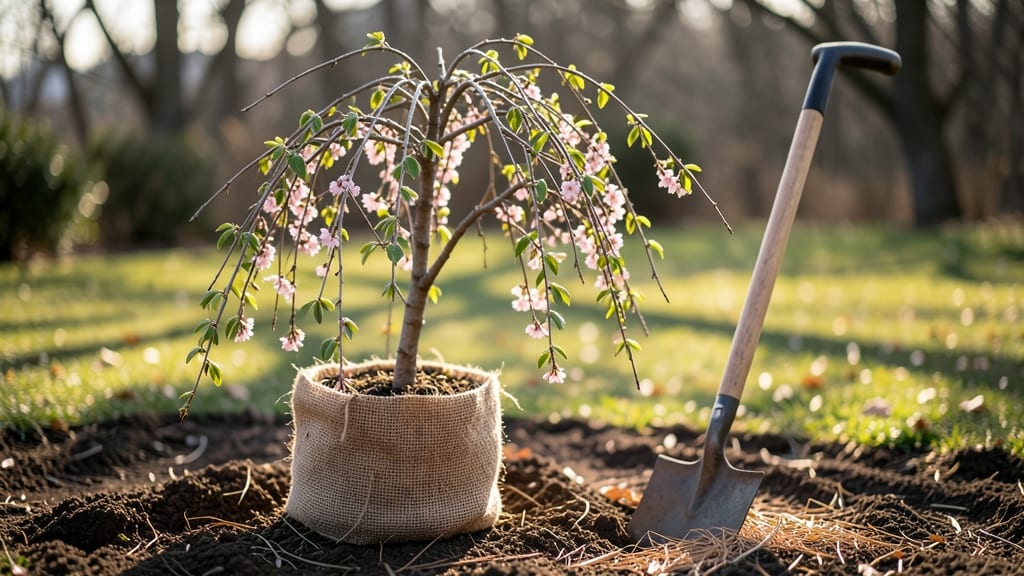
Planting a weeping cherry tree transforms your yard into a living waterfall of pink blossoms by spring. 🌸 I learned the hard way that soil prep makes all the difference—skipping it means roots struggle, and your tree stays stunted.
The secret lies in creating a layered soil mix that mimics its natural woodland habitat, where roots spread freely without competing with grass.
The best time to plant is late fall or early spring when soil is workable but not frozen. Dig a hole twice as wide as the root ball but only as deep—planting too deep suffocates roots.
Amend the native soil with compost and coarse sand to improve drainage, since weeping cherries hate soggy feet. This one adjustment prevents the most common failure point.
After planting, water deeply to settle the soil, then mulch with 2-3 inches of wood chips to lock in moisture and block weeds.
Your tree will reward you with vibrant pink blooms in late winter and lush foliage all summer, but only if you give it these foundational steps right from the start.
For long-term health, prune in late winter to shape the tree while it's dormant, and avoid heavy pruning after midsummer. Weeping cherries grow slowly but reliably—with proper care, yours could live for 50+ years, becoming the centerpiece of your landscape. The payoff begins with that first spring bloom.
📚 In This Guide
- What you need
- Instructions
- Tips and common mistakes
- Wrapping up and next steps
What you need
- ● Weeping cherry tree (choose a Prunus serrulata cultivar like ‘Kwanzan’ or ‘Tieton’—bare-root or container-grown, depending on season).
- ● Shovel or spade (for digging—opt for a 5-gallon capacity for ease).
- ● Garden trowel (for delicate root adjustments).
- ● Compost or well-aged manure (2–3 gallons to enrich soil).
- ● Native soil mix or topsoil (if your soil is heavy clay or sandy).
- ● Mulch (3–4 inches of wood chips, bark, or pine straw—avoid fresh mulch near the trunk).
- ● Watering can or hose with gentle spray nozzle (for hydration without root disturbance).
- ○ Tree stakes (optional but helpful) (2–4 stakes + soft tree ties if planting in windy areas).
- ● Gloves (to protect hands from thorns and soil).
- ● Pruners or sharp shears (sterilized, for trimming dead branches post-planting).
- ● Measuring tape (to gauge hole depth—should be 2–3x wider than the root ball).
- ○ Soil pH tester (optional) (ideal range: 5.5–6.5; amend if needed with lime or sulfur).
- ● Fertilizer (slow-release, balanced NPK 10-10-10) (sprinkle lightly around edges of hole).
Step-by-step instructions for planting a weeping cherry tree
Here's how I plant these graceful beauties—soil layers make all the difference.
🪴 Step 1: Choose the Perfect Planting Spot
Weeping cherry trees need full sun—at least 6 hours daily—and space to spread their branches. I always check the mature width (usually 20-30 feet) and mark a circle that's twice as wide as the tree's height. This prevents future root crowding.
Test the soil pH first—weeping cherries prefer 6.0-7.0. If your soil tests acidic, add lime; if alkaline, use sulfur. I dig a test hole and fill it with water—if it drains in 1 hour, you need to amend with organic matter. Slow drainage means poor aeration, which stunts roots.
🌱 Step 2: Prepare the Planting Hole with Layered Soil
Dig a hole twice as wide as the root ball but no deeper—this prevents soil settling from burying the trunk. I mix the native soil with 2-3 inches of compost and 1 cup of bone meal at the bottom for phosphorus, which encourages strong root growth. This layer sits at the hole's base before adding the tree.
Place the tree so the top of the root ball sits 1-2 inches above ground level. The trunk flare (where roots meet stem) should be visible—burying it causes rot. Backfill with the amended soil mix, tamping gently to remove air pockets. Here's the thing—don't pack it like concrete. Roots need air and moisture to expand.
💧 Step 3: Water Deeply and Mulch Strategically
Water immediately after planting with 10 gallons of water, letting it soak into the soil. I use a garden hose on a slow trickle to avoid displacing the root ball. The goal is to eliminate air pockets around the roots—tap the soil surface lightly after watering to settle it.
Spread 3 inches of mulch (wood chips or shredded bark) over the soil surface, keeping it 6 inches away from the trunk. Mulch conserves moisture and regulates soil temperature, but too close to the trunk invites rot. Water again after mulching to help it settle and make contact with the soil.
☀️ Step 4: Stake Only When Necessary
Weeping cherry trees rarely need staking unless your area gets 30+ mph winds. If you do stake, use 2-3 stakes placed 6-12 inches from the trunk to avoid girdling. I tie the tree loosely with soft fabric strips (never wire)—tighten just enough to prevent swaying, then remove stakes after 6 months.
Real talk: Over-staking weakens stems. The tree should develop its own stability. After staking, prune any broken branches but avoid heavy pruning—wait until spring for major shaping. This first year is about root establishment, not canopy growth.
⏰ Step 5: Monitor and Maintain for First-Year Success
Check soil moisture weekly—weeping cherries need 1-2 inches of water per week, more in extreme heat. I dig down 2 inches to check moisture; if dry, water deeply. Drip irrigation works best to avoid wetting leaves, which spreads fungal diseases.
Fertilize lightly in early spring with ½ cup of 10-10-10 granular fertilizer, working it into the soil surface. Avoid high-nitrogen fertilizers—they promote leafy growth at the expense of root development. Watch for yellowing leaves, which signal overwatering or nutrient imbalance. Adjust care based on what you see.
Tips & tricks for planting a weeping cherry tree
Common planting mistakes can set your weeping cherry back for years—here's how to avoid them.
Sunlight Secret: That 6 hours of daily sun is non-negotiable, but here's what I learned the hard way: morning sun is more important than afternoon. Weeping cherries burn easily in intense afternoon heat, so if you're in a hot climate, position the tree to catch east-facing sunlight. I've seen trees struggle when planted on west-facing sides where afternoon sun can scorch delicate leaves.
Soil Layering Technique: When mixing your 2-3 inches of compost with native soil, I recommend adding a handful of perlite to improve drainage in Step 2. This prevents waterlogging while maintaining moisture—critical for root development. The bone meal layer at the bottom is your secret weapon for phosphorus, but don't overdo it. One cup is plenty for the entire hole.
Watering Wisdom: Those 10 gallons of water after planting aren't just for show—they're essential for eliminating air pockets around the roots. I use a slow trickle from a hose with a gentle spray nozzle to avoid displacing the root ball. After watering, I always tap the soil surface lightly with my gloved hand to settle it. This simple step makes all the difference in root establishment.
Mulch Placement: The 3 inches of mulch should form a donut shape around the tree, starting 6 inches from the trunk. I use shredded hardwood mulch because it breaks down slowly and improves soil structure over time. A common mistake is piling mulch against the trunk—this creates rot-prone conditions. Think of it as creating a moisture-retaining barrier while keeping the trunk dry and aerated.
Pro Tips for Planting A Weeping Cherry Tree
- Common planting mistakes can set your weeping cherry back for years—here's how to avoid them.
- Sunlight Secret: That 6 hours of daily sun is non-negotiable, but here's what I learned the hard way: morning sun is more important than afternoon.
- Soil Layering Technique: When mixing your 2-3 inches of compost with native soil, I recommend adding a handful of perlite to improve drainage in Step 2.
Frequently asked questions
Got questions about planting your weeping cherry tree? You’re not alone! Here are some of the most common concerns—plus expert answers to help you grow a stunning, thriving tree.
When is the best time to plant a weeping cherry tree?
The ideal window is early spring (just as buds swell) or fall (6 weeks before your first frost). Avoid planting in summer heat or winter’s freeze—roots need time to establish without stress. Spring planting gives your tree a full growing season to settle in!
How deep and wide should the planting hole be?
Aim for a hole twice as wide as the root ball but only as deep as the container. Weeping cherries hate soggy roots, so avoid planting deeper than the root flare. Loosen the bottom 6–12 inches of soil to encourage root spread. Pro tip: Mix native soil with compost (20% compost) for a nutrient boost!
What if my weeping cherry’s leaves turn yellow or drop?
Yellowing leaves often signal overwatering or poor drainage. Check the soil—it should feel like a damp sponge, not mud. If roots sit in water, amend the soil with sand or gravel. Pests (like spider mites) or nutrient deficiencies (e.g., iron chlorosis) can also cause this. Test soil pH (ideal: 6.0–7.0) and fertilize lightly if needed.
Can I plant a weeping cherry tree in a large container?
Yes! Use a minimum 20-gallon pot with drainage holes and a mix of potting soil + perlite. Repot every 2–3 years to refresh nutrients. Containers dry out faster, so water deeply when the top inch feels dry. Just know: Container-grown trees may need winter protection (burlap wraps, mulch) in cold climates.
How close can a weeping cherry tree be to my house or sidewalk?
Keep it 10–15 feet away from structures to avoid root damage or foundation issues. For sidewalks, maintain a 5–6 foot clearance—roots spread wider than the canopy! If space is tight, choose a dwarf variety (like ‘Skylline’), but expect slower growth. Plan for mature height (15–25 ft) when siting!
What’s a good alternative if I can’t grow a weeping cherry?
Try these low-maintenance, ornamental trees:
- Weeping Willow – Fast-growing, loves water
- Dwarf Japanese Maple – Compact, stunning foliage
- Cry Baby Pear – Cold-hardy, unique weeping habit
- Empress Tree (Paulownia) – Dramatic blooms, fast growth
All thrive in similar sunny, well-drained spots!
Wrapping up and next steps
Planting a weeping cherry tree is a rewarding journey that blends artistry with horticulture—one where layered soil secrets set the stage for stunning growth. From selecting the perfect spot to nurturing its roots with care, every step ensures your tree thrives for decades. 🌱
Now that you’re armed with the knowledge, take the next step—mark your calendar for planting day and gather your tools. Whether you’re a seasoned gardener or a beginner, your weeping cherry tree will thank you with cascading blooms and graceful branches. Happy planting!