
Pruning
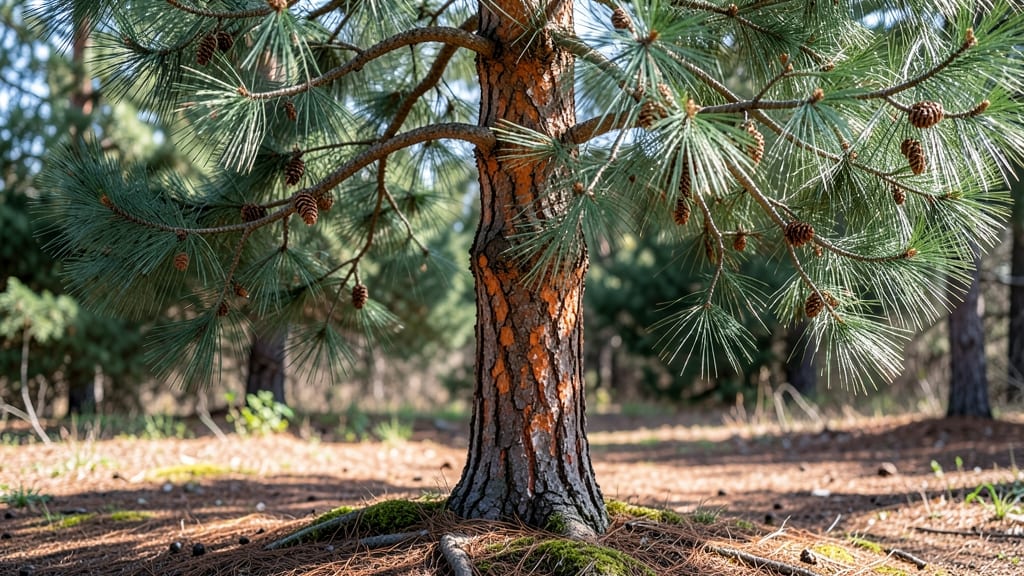
Your pine tree needles are telling you something—whether it’s a cry for help or a sign of hidden health. In the Pacific Northwest’s damp winters, frost damage, pests, and disease can turn vibrant green into dull brown overnight, but the right pruning tricks can turn things around.
I’ve spent years watching my own pines recover from spider mite outbreaks and needle cast, and the key always starts with sharp tools and a patient eye.
Most problems—browning tips, sparse growth, or sudden defoliation—can be traced back to two things: what you cut and when you cut it. The right time to prune is late winter or early spring, before new growth begins, while wrong cuts (like shearing instead of selective pruning) invite disease.
Organic treatments like neem oil for spider mites or horticultural oil for bagworms work best when applied before damage spreads, and prevention is easier than cleanup.
What you’ll end up with is a tree that looks fuller, grows stronger, and resists future stress better than before. Needles stay deep green and supple, branches fill in naturally, and you’ll spot pests early enough to stop them cold.
The best part? You don’t need fancy tools—just a clean saw, gloves, and a ladder (or a sturdy stool for smaller trees).
This works for all Pacific Northwest pines—Douglas fir, ponderosa, even your stubborn lodgepole—whether you’re dealing with frost damage, pests, or just tired of thinning branches. Let’s get those needles back to their best before next winter hits.
📚 In This Guide
- What you need
- Instructions
- Tips and common mistakes
- Wrapping up and next steps
What you need
- ● Pine tree needles: Focus on mature trees (10+ years old) with healthy, dense growth. Avoid pruning during active growth seasons (spring/summer)—late fall or early winter is ideal! 🌬️❄️
- ● Pruning shears: 1 pair of bypass pruners (for small branches, ¼–¾ inch diameter)
- ● 1 pair of loppers (for medium branches, ¾–2 inches diameter)
- ● 1 pruning saw (for thick branches, 2+ inches diameter; blank">bow saw or folding pruning saw recommended)
- ● Safety gear: Work gloves (cut-resistant, gardening or pruning-specific)
- ● Safety goggles (to protect from debris)
- ● Long-sleeved shirt and pants (to guard against needle scratches)
- ● Cleaning supplies: Rubbing alcohol (70% or higher) or disinfectant spray (to sterilize tools between cuts)
- ● Paper towels or rags
- ● Disposal bag: 1–2 heavy-duty yard waste bags (for pruned needles/branches; check local regulations—some areas ban burning pine debris!)
- ● Ladder: Extendable or stable step ladder (for tall trees; never stand on the top rung!)
- ● Pole pruner: For high branches (up to 25 feet; great for avoiding ladders)
- ● Tree wound dressing: Not always necessary for pines, but pruning sealant (like blank">Tanglefoot Tree Wound Pruning Seal) can help if cutting into large branches.
- ● Notebook & pen: To sketch a pruning map of your tree’s structure before starting.
- ● Water & snacks: Hydration breaks are a must—PNW weather can be unpredictable! ☕💦
Step-by-Step pruning guide for frost-resistant pine trees
Here’s how to revive Pacific Northwest pines with precision cuts that boost resilience.
Assess the Tree for Frost Damage
Start by examining the pine tree from all sides, looking for signs of frost stress. Healthy needles should be vibrant green and firmly attached. If you see brown, brittle needles or dead branches, those are your first clues. Focus on the outer branches first—they’re most vulnerable to cold snaps.
Gently tug on a few needles. If they come off easily, the branch is likely dead. If they resist, the tree is still alive. In the Pacific Northwest, where frosts can be sudden, early detection is key. Work on a dry day—wet needles make it harder to assess damage accurately.
Remove Dead or Damaged Branches
Use clean, sharp pruning shears to make precise cuts just outside the branch collar—the swollen area where the branch meets the trunk. Avoid cutting flush with the trunk, as this can leave wounds that invite disease. For larger branches, use a pruning saw to avoid tearing the bark.
Start with the smallest branches first, working your way up to thicker limbs. Never remove more than 25% of the tree’s foliage in one season—this stresses the tree and reduces its frost resistance. If you’re unsure, err on the side of caution and leave a branch until next year.
Thin Out Crowded Branches for Airflow
Pines thrive when they have good airflow, which helps prevent frost buildup in dense foliage. Look for branches that cross or rub against each other—these are prime candidates for removal. Thin out the interior of the tree first, allowing sunlight to reach the center and encouraging new growth.
Make your cuts at a 45-degree angle just above a healthy bud or lateral branch. Avoid leaving stubs, as they can trap moisture and rot. Step back occasionally to check your progress—you want the tree to look open and airy, not overcrowded.
Shape the Tree for Wind and Sun Exposure
The Pacific Northwest’s coastal winds can stress pines, so shaping the tree to reduce wind resistance is a smart move. Focus on rounding the top while keeping the lower branches intact for windbreak benefits. Avoid heavy pruning on the windward side—this can expose the tree to more cold damage.
For young pines, you can guide growth by selectively pruning the tips of upward-growing branches. This encourages a fuller, more stable shape. Never remove more than one-third of a branch’s length at once—this can shock the tree and weaken its frost resistance.
Clean Up and Protect the Tree
After pruning, remove all debris from the ground to prevent fungal growth. Disinfect your tools with rubbing alcohol to avoid spreading disease between cuts. Apply a thin layer of wound sealant (like tree paint) only if you’ve made large cuts—small cuts will heal naturally.
Finally, water the tree deeply if the ground isn’t frozen. A well-hydrated pine is better equipped to handle frost. Mulch around the base with 2-3 inches of organic mulch to insulate the roots during cold snaps. Avoid piling mulch against the trunk—keep it 2-3 inches away to prevent rot.
Tips & tricks for perfect frost-resistant pine pruning
Reviving Pacific Northwest pines after frost damage takes precision—and these tricks make all the difference.
Timing is Everything: Prune during the tree's dormant season, ideally in late fall or early spring. This timing minimizes stress and allows the tree to heal before summer heat arrives. Avoid pruning during winter freezes or summer droughts—both extremes can shock the tree and make it more vulnerable to frost damage.
The Technique That Changed Everything: When making your cuts in Step 2, use a sharp pruning saw for branches thicker than 1 inch. Dull blades tear bark, creating larger wounds that take longer to heal. For smaller branches, clean pruning shears make precise cuts just outside the branch collar—this is where the tree's natural healing begins. Think of it like giving your tree a clean surgical cut rather than a jagged tear.
Frost Prevention Strategy: In Step 3, focus on creating an open canopy by removing crowded branches. This isn't just about looks—good airflow prevents frost buildup in dense foliage. I've seen pines recover beautifully after pruning because sunlight could finally reach the center. For mature trees, aim to remove about 15-20% of the total foliage rather than the full 25% limit, leaving some buffer for next year's growth.
Seasonal Care: After your pruning in Step 5, consider applying a thin layer of anti-desiccant spray to the fresh cuts if you're pruning in late fall or winter. This creates a protective barrier that prevents moisture loss during cold snaps. Just be sure to remove it before spring growth begins—otherwise, it can smother new buds.
Pro Tips for Pine Tree Needles
- Reviving Pacific Northwest pines after frost damage takes precision—and these tricks make all the difference.
- Timing is Everything: Prune during the tree's dormant season, ideally in late fall or early spring.
- The Technique That Changed Everything: When making your cuts in Step 2, use a sharp pruning saw for branches thicker than 1 inch.
Frequently asked questions
about pruning pine tree needles in the Pacific Northwest—here’s what you need to know!When is the best time to prune pine tree needles?
The ideal time is late winter to early spring (February–March) when trees are dormant but before new growth starts. Avoid pruning in summer or fall—this stresses pines and invites pests. In the PNW’s mild climate, January works too, but watch for frost damage.
Can I prune dead pine needles, or should I remove only live ones?
Always remove dead, brown needles first—they’re a sign of disease or stress. For live needles, prune only to shape the tree or improve airflow (never cut more than 25% of the crown). Pro tip: Use sharp bypass pruners to avoid tearing bark.
How do I prevent frost damage when pruning in winter?
Prune on dry, frost-free days (check the NOAA forecast). If frost is expected, wait 24–48 hours after pruning to let wounds seal. Avoid heavy pruning in deep freeze—pines are tough but not frost-proof!
Are there alternatives to pruning pine needles?
Yes! For aesthetic shaping, try topiary training (gradual pruning over years). To reduce needle drop, improve soil drainage and mulch with pine bark. If pests are the issue, neem oil or PNW-recommended treatments work better than pruning alone.
My pine tree looks stressed after pruning—what went wrong?
Over-pruning (cutting >25% of foliage) or wrong timing (summer/fall) are common culprits. Check for yellowing needles (nutrient deficiency) or sawdust-like frass (pests). If severe, fertilize with slow-release pine-specific nutrients and water deeply. Most pines recover in 1–2 growing seasons.
Wrapping up and next steps
Pine tree needles are tougher than they look—with the right pruning techniques, you can keep your Pacific Northwest pines thriving even in frost! Remember, timing, sharp tools, and gentle cuts are your best friends. Whether you're removing dead branches or shaping for aesthetics, always prioritize the health of your tree.
Ready to give your pines some TLC? Grab your pruners and start small—confidence grows with every careful cut! 🌲✨ For more pruning tips, explore our guide on seasonal tree care or consult a local arborist for expert advice.