
Pruning
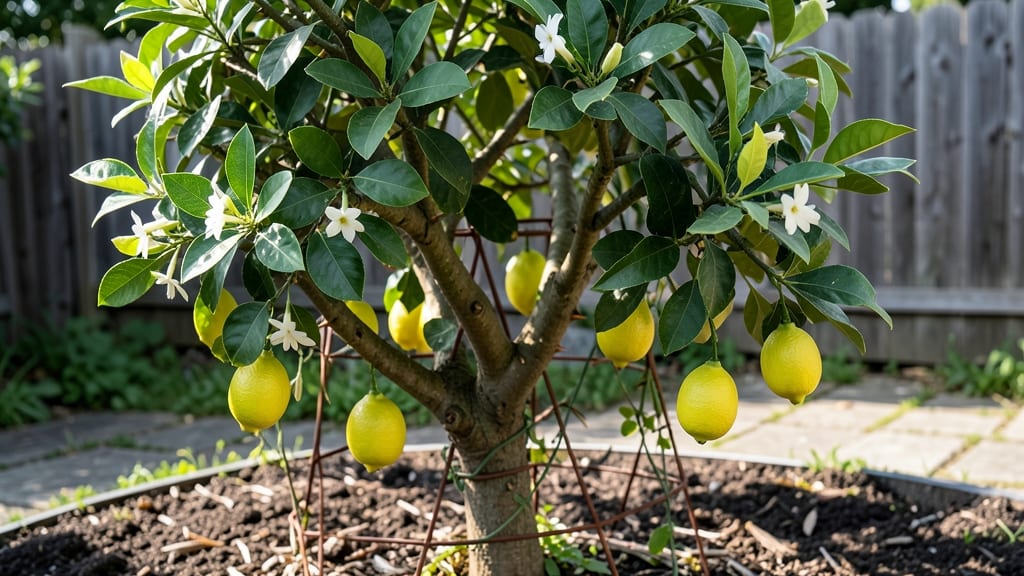
Growing a hybrid lemon tree in the Pacific Northwest means you can finally enjoy fresh lemons without worrying about frost—if you prune right. 🌿 I’ve been growing these cold-hardy varieties for years, and the difference between a neglected tree and a thriving one comes down to strategic cuts that encourage sturdy growth.
The key is shaping the tree to shed snow and ice while keeping the core warm enough to survive winter dips.
The right soil mix and winter protection make all the difference in this climate. You’ll need well-draining soil with a pH between 6.0 and 7.0, plus a thick layer of mulch to insulate roots.
Hybrid varieties like ‘Improved Meyer’ or ‘Frostbloom’ handle cooler temps better than standard lemons, but they still need shelter from winds and late frosts. I’ve seen trees survive 20°F nights with proper prep—something I never dared try with tropical varieties.
By spring, you’ll have a tree that bursts with bright green foliage and tiny blossoms, leading to actual lemons by midsummer. The pruning I’ll show you keeps the tree compact enough for containers or small yards while maximizing fruit production.
Even in rainy PNW summers, the right care means fewer fungal issues and more harvests. Let’s get your tree ready for a season of resilient growth.
Whether you’re growing in pots or planting directly into the ground, these techniques adapt easily. The biggest mistake? Over-pruning in winter—hybrid lemons need some structure to handle frost. We’ll cover exactly when to cut, how to protect young trees, and what to watch for as the seasons shift.
Your tree will thank you with lemons by next summer.
📚 In This Guide
- What you need
- Instructions
- Tips and common mistakes
- Wrapping up and next steps
What you need
- ● Hybrid lemon tree (Citrus × limon or frost-resistant hybrid) – Choose a grafted variety like Meyer lemon or a cold-hardy hybrid (zones 7-9).
- ● Well-draining potting mix – A blend of 50% peat moss or coconut coir, 30% perlite or pumice, and 20% compost (avoid garden soil—it compacts!).
- ● Large container (15–25 gallons) – Ensure it has drainage holes and is made of plastic or fabric (to insulate roots in winter).
- ● Pruning shears – Bypass pruners (sharp, clean, and disinfected with rubbing alcohol to prevent disease).
- ● Gloves (cut-resistant) – Protect your hands from thorns and sap.
- ● Mulch (straw or bark) – 2–3 inches to insulate roots in winter.
- ● Fertilizer (balanced citrus blend) – Look for a 10-10-10 or 8-3-9 NPK ratio with micronutrients (michelite or citrus-specific).
- ○ Slow-release fertilizer pellets – Optional but helpful for steady nutrition.
- ● Grow lights (LED, full spectrum) – Extend daylight in short PNW winters (12–14 hours/day).
- ● Root warmer or heat mat – Keeps roots above 60°F (15°C) in winter.
- ● Frost cloth or bubble wrap – For emergency cold protection (down to 20°F/-7°C).
- ● Humidity tray or pebble tray – Helps maintain 40–60% humidity for tropical citrus.
- ● pH test kit – Ideal soil pH for citrus: 6.0–7.0.
Step-by-step instructions for pruning hybrid lemon trees in cold climates
Cold-hardy citrus thrives with the right cuts—here’s how to protect yours through PNW winters.
🌿 Step 1: Time Your First Pruning for Late Winter
Wait until mid-February when nights stay above 25°F but before buds swell. This timing balances frost protection with spring growth. I prune my trees right after the last hard freeze—usually around Valentine’s Day in my zone 8 PNW garden. The goal is to remove weak growth before new shoots demand energy.
Use sharp bypass pruners to make 45-degree cuts just above outward-facing buds. Avoid cutting flush with branches—this invites rot in wet winters. Look for branches thinner than a pencil; these are the first to go. They’ll never thicken enough to survive another freeze, and they steal energy from the tree’s core.
✂️ Step 2: Shape for Airflow and Sun Exposure
Step back and visualize the tree as an open vase. Remove any branches growing inward or crossing others—these create dense spots where frost lingers. I like to leave the outer canopy slightly wider at the bottom than the top; this lets sunlight warm the trunk during day and prevents ice buildup in winter storms.
Cut back any suckers (shoots growing from the base) immediately—they’ll drain your tree’s energy reserves. For larger branches, make three cuts: first under the branch collar, then a second cut 12 inches out, and finally sever the branch. Wrap larger wounds with tree wound dressing if they’re bigger than ½ inch in diameter—this prevents silver leaf disease in wet seasons.
☀️ Step 3: Summer Pruning to Encourage Cold Hardiness
After the last frost, prune again in late June to remove any water sprouts (fast-growing vertical shoots) and leaves that shade the trunk. These summer cuts stimulate thicker growth that handles winter better. I always prune on a dry morning—wet tools spread fungal spores, and citrus is particularly susceptible to anthracnose in damp conditions.
Thin the canopy by removing 20-30% of the smallest leaves—this improves air circulation and prevents fungal buildup. Never remove more than a third of the tree’s foliage at once, or you’ll shock the root system. Watch for new growth near the cuts; if you see vigorous shoots, let them grow to 4-6 inches before pruning again.
⏰ Step 4: Final Fall Prep Before Dormancy
In early November, give your tree one last light pruning to remove any dead or diseased wood. This prevents overwintering pests from hiding in damaged areas. I also tie the main branches together loosely with twine—this helps the tree maintain its shape under snow load and prevents branch breakage.
Apply a 2-3 inch layer of mulch around the base (but not touching the trunk) to insulate roots. Use straw or wood chips—avoid leaves, which compact and trap moisture. Water deeply before the first hard freeze to ensure the root ball stays hydrated through winter. If your area gets heavy snow, gently brush accumulation off branches to prevent breakage.
Tips & tricks for perfect hybrid lemon tree pruning
Pruning citrus in cold climates takes precision—here’s how to avoid common mistakes and keep your tree thriving.
Timing is Everything: The mid-February window is critical because it balances frost protection with spring growth. If you prune too early, you risk exposing tender new shoots to late frosts. I’ve seen trees in my zone 8 garden suffer when pruned before the last hard freeze—buds swell quickly in spring, and those new shoots are vulnerable. Mark your calendar for Valentine’s Day as your target date, then adjust based on your local frost patterns.
Cutting Technique Matters: Those 45-degree cuts just above outward-facing buds aren’t just a suggestion—they’re essential for proper healing. I learned this the hard way after making flush cuts that left my tree susceptible to rot during our wet winters. For branches thicker than a pencil, use the three-cut method to prevent tearing. And always sterilize your tools between cuts with rubbing alcohol to prevent spreading disease.
Summer Pruning Strategy: When you’re thinning that 20-30% of smallest leaves in late June, focus on the underside of the canopy first. This improves airflow where fungal spores love to linger. I’ve noticed that trees pruned this way have fewer anthracnose issues in our damp summers. Also, watch for those vigorous shoots—letting them grow to 4-6 inches before pruning again gives them time to develop stronger structural wood for winter.
Winter Protection Details: That 2-3 inch mulch layer around your tree’s base isn’t just decoration—it’s insulation. Use straw or wood chips (never leaves) to prevent moisture buildup that can cause root rot. I’ve seen trees with mulch piled against the trunk develop fungal issues, so always keep it 2-3 inches away from the bark. For snow load, use twine to loosely tie branches together—this prevents breakage without restricting growth.
Pro Tips for Hybrid Lemon Tree
- Pruning citrus in cold climates takes precision—here’s how to avoid common mistakes and keep your tree thriving.
- Timing is Everything: The mid-February window is critical because it balances frost protection with spring growth.
- Cutting Technique Matters: Those 45-degree cuts just above outward-facing buds aren’t just a suggestion—they’re essential for proper healing.
Frequently asked questions
Got questions about growing a hybrid lemon tree in the Pacific Northwest? You’re not alone! Here are answers to the most common concerns—from frost survival to pruning tips and beyond.
Can a hybrid lemon tree survive PNW winters?
A frost-resistant hybrid lemon tree (like ‘Meyer’ or ‘Improved Meyer’) can tolerate brief dips to 20°F (-7°C) with proper care. Mulch heavily, wrap the trunk, and plant in a sheltered spot. Young trees need extra protection—consider a frost cloth or microclimate spot near a south-facing wall.
When is the best time to prune a hybrid lemon tree in the PNW?
Prune late winter or early spring (February–March) before new growth starts. Avoid pruning in fall—it stimulates tender shoots vulnerable to frost. Focus on removing dead wood, crossing branches, and shaping for airflow. Never prune after a hard freeze—wait until the tree shows signs of regrowth.
How do I encourage more lemons on my hybrid lemon tree?
Hybrid lemon trees need full sun (6+ hours/day), well-draining soil, and regular watering (but no soggy roots). Fertilize lightly in spring with citrus-specific food (low nitrogen, high potassium). Thin fruit in summer to prevent overburdening—leave 3–4 inches between lemons for optimal size.
What if my hybrid lemon tree’s leaves turn yellow?
Yellow leaves often signal overwatering, nutrient deficiency, or root rot. Check soil moisture—let the top 2 inches dry out between waterings. Test soil pH (ideal: 6.0–7.0) and amend with compost if needed. Yellow edges? It could be iron deficiency—use a chelated iron supplement.
Are there frost-resistant alternatives to Meyer lemons?
Yes! Try these PNW-friendly hybrids:
- ‘Ponderosa Lemon’ – Cold-hardy to 15°F (-9°C), large fruit.
- ‘Flying Dragon’ (Citrus reticulata) – Mandarin-lemon hybrid, tolerates 18°F (-8°C).
- ‘Calamondin’ – Small, ornamental, and frost-tolerant to 25°F (-4°C).
Wrapping up and next steps
Growing a hybrid lemon tree in the Pacific Northwest is absolutely doable—especially with frost-resistant pruning techniques! By following the right steps, you’ll enjoy a thriving tree that produces sweet, fragrant lemons year after year. 🌱✨
Ready to take the next step? Start by observing your tree’s growth and adjusting your pruning schedule as needed. With patience and care, your hybrid lemon tree will reward you with vibrant blooms and delicious fruit—even in cooler climates!