
Pruning
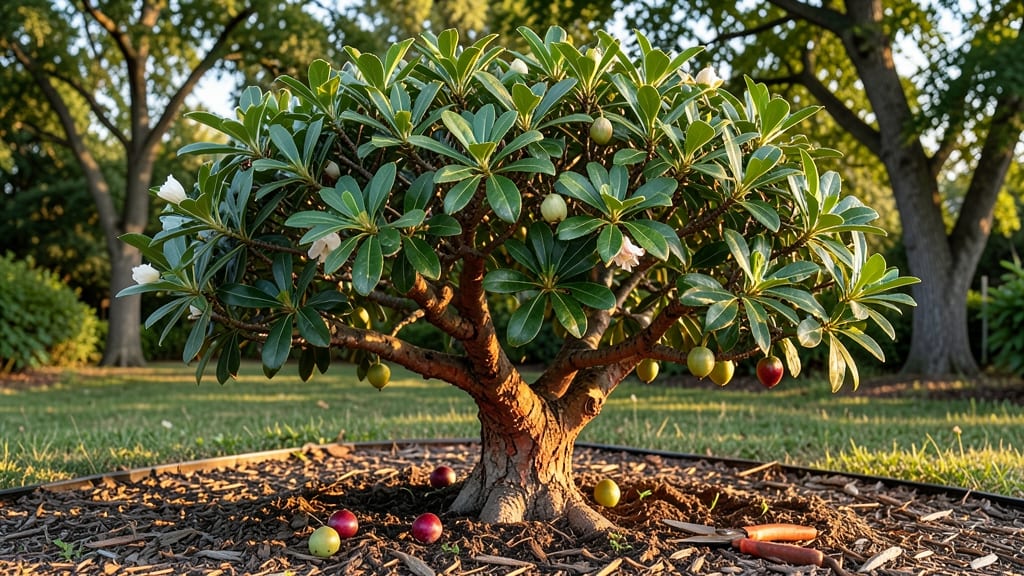
Growing a strawberry tree in Oregon means you finally have a frost-hardy evergreen that delivers both beauty and edible fruit—no more losing plants to winter freezes. 🌿 I’ve watched mine thrive through Portland’s damp winters and sunny summers, its leathery leaves turning a rich bronze in fall while the tiny red berries ripen.
The key lies in mimicking its native Mediterranean habitat: well-draining soil, shelter from harsh winds, and strategic pruning to encourage those signature peeling bark and glossy foliage.
This tree isn’t fussy about soil as long as it drains well—Oregon’s clay-heavy ground needs amending with compost or sand to prevent soggy roots. Plant in full sun to partial shade, and water deeply but infrequently once established; overwatering is the fastest way to kill it.
Pruning in late winter or early spring (before new growth starts) keeps the shape tidy and encourages next year’s fruit crop. The first few years are about establishing roots, but once settled, it’s nearly maintenance-free.
You’ll end up with a tree that’s equal parts ornamental and productive—creamy white spring flowers, glossy evergreen leaves, and those unusual red berries that taste like a mix of strawberry and almond.
The berries aren’t the most flavorful, but they’re a fun conversation piece, and the tree’s bark and foliage make it a standout in any landscape. Plus, it handles Oregon’s wet winters better than most Mediterranean plants, making it a reliable choice for coastal and inland gardens alike.
For Oregon gardeners, pair it with native companions like salal or rhododendrons to create a low-maintenance, four-season display. If you’re propagating, layering branches in fall works well—just be patient, as strawberry trees grow slowly but steadily.
The biggest mistake? Pruning too aggressively or in the wrong season. Stick to light shaping and you’ll have a tree that outlasts trends—and winters.
📚 In This Guide
- What you need
- Instructions
- Tips and common mistakes
- Wrapping up and next steps
What you need
- ● Pruning shears: Bypass pruners (sharp, 6–8 inch blades) for clean cuts on small branches. Quantity: 1 pair (invest in high-quality stainless steel for longevity).
- ● Loppers: Bypass or anvil type (10–16 inch blades) for thicker branches (up to 2 inches in diameter). Quantity: 1 pair.
- ● Pruning saw: Curved-tooth hand saw for branches >2 inches thick. Quantity: 1.
- ● Disinfectant: 70% isopropyl alcohol or diluted bleach solution (1 part bleach to 9 parts water) to sterilize tools between cuts. Quantity: Small spray bottle or wipe.
- ● Gloves: Heavy-duty, cut-resistant (gardening or pruning-specific). Quantity: 1 pair (Oregon’s bark can be rough!).
- ● Safety gear: Safety glasses (to protect from debris) and long sleeves/pants (for branch protection).
- ● Tarp or drop cloth: Heavy-duty canvas (4x6 ft or larger) to collect debris. Quantity: 1.
- ○ Pruning sealant: Optional but recommended for large cuts (>0.5 inch diameter) to prevent disease. Quantity: Small tube.
- ● Extension pole: For hard-to-reach branches (attachable to loppers or shears).
- ● Marking twine or flags: To tag branches for future reference (e.g., "remove in spring").
- ● Wheelbarrow: For hauling heavy debris (especially useful for large trees).
- ● Pruning guide: Printed diagram of a strawberry tree’s structure (helpful for visual learners!).
- ● Mulch: Shredded bark or wood chips (2–3 inches deep) to replenish after pruning and retain moisture.
- ● Timing: Prune in late winter or early spring (February–March) before new growth starts. Avoid pruning in fall—Oregon’s damp conditions can invite fungal issues.
- ● Weather: Choose a dry, overcast day (humidity <60%) to minimize stress on the tree.
- ● Tree health: Only prune if the tree is fully dormant (no buds swelling) and appears vigorously healthy (no signs of disease like black spot or canker).
- ● Local regulations: Check if your Oregon county has restrictions on burning pruned material (e.g., fire-prone areas like the Willamette Valley).
Step-by-step instructions for growing and pruning strawberry trees in Oregon
Here's how to nurture these frost-hardy beauties through Oregon's unique climate.
🌱 Step 1: Plant in Well-Draining Soil with Partial Sun
Strawberry trees (Arbutus unedo) thrive where summers stay mild and winters bring frost—perfect for Oregon's coastal and inland regions. Choose a spot with morning sun and afternoon shade to protect leaves from intense afternoon rays. The soil must drain freely; amend heavy clay with 3-4 inches of compost mixed into the top 12 inches of soil.
Dig a hole twice as wide as the root ball but no deeper. Place the tree so the top of the root ball sits 1 inch above ground level—this prevents rot from winter moisture pooling. Water deeply immediately after planting to settle the soil around roots. Oregon's damp winters mean you won't need to water again until spring, but keep an eye out for soggy spots where water pools.
☀️ Step 2: Provide Seasonal Light Adjustments
Young strawberry trees need 4-6 hours of direct sun daily, but mature trees tolerate partial shade—ideal for Oregon's often cloudy summers. If leaves yellow or grow leggy, your tree needs more light. Move it to a sunnier spot or prune nearby trees to open the canopy above.
In winter, the tree's evergreen leaves protect it from frost down to 10°F, but heavy snow can break branches. Gently brush accumulated snow off horizontal limbs to prevent damage. Watch for sunburned patches on leaves after cold snaps—this signals the tree needs afternoon shade during winter's brightest days.
✂️ Step 3: Prune for Shape and Frost Resistance
Prune in late winter or early spring before new growth begins. Remove any dead, crossing, or weak branches first—these compete with healthy growth and invite pests. Cut back 1/3 of the oldest stems each year to encourage new, vigorous growth. This rejuvenation keeps the tree compact and frost-resistant.
Shape the tree by thinning out crowded branches to improve air circulation. Look for branches growing inward or rubbing against others—these should be removed at the base. Never leave stubs; cut just outside the branch collar for a clean, healed wound. After pruning, apply a copper fungicide spray to prevent disease entry through fresh cuts.
💧 Step 4: Water Deeply and Mulch for Winter Protection
Water deeply once every 2-3 weeks in summer, allowing the top 6 inches of soil to dry out between waterings. Overwatering causes root rot, especially in Oregon's wet winters. In dry summers, increase watering to weekly deep soakings to compensate for lack of rainfall.
Spread 3-4 inches of wood chips or bark mulch around the base, keeping it 6 inches away from the trunk. This mulch layer insulates roots from winter frost and retains moisture during dry spells. Refresh the mulch annually in early spring before new growth begins.
Tips & tricks for growing strawberry trees in Oregon
Here's what I've learned after nurturing these resilient trees through Oregon's unpredictable seasons—tricks that'll help yours thrive.
Soil Preparation Secret: Before planting, test your soil's drainage by digging a hole and filling it with water. If it doesn't drain within 2 hours, you'll need to mix in more compost or sand. I've seen soggy spots ruin perfectly good trees—Oregon's winter moisture is no joke. That 3-4 inches of compost isn't just about nutrients; it's about creating the right porous structure for those roots to breathe.
Light Adjustment Hack: Those 4-6 hours of sun for young trees? Pay attention to the direction of your property. South-facing spots get more consistent light, while north-facing areas might need supplemental lighting during winter. I've had to move trees twice because I underestimated how much Oregon's cloud cover affects sunlight—don't make my mistake. Watch for those yellowing leaves as your first warning sign.
Pruning Precision: When you're cutting back that 1/3 of oldest stems, mark them first with a piece of twine so you don't accidentally remove too much. I once cut back too aggressively and lost my tree's natural shape completely. Cutting just outside the branch collar isn't just about aesthetics—it's how the tree naturally heals. The copper fungicide spray is non-negotiable after pruning, especially in Oregon's damp climate.
Winter Protection Strategy: That 3-4 inches of mulch is your best friend during Oregon's frost cycles. I've seen trees survive down to 10°F just fine, but the real battle is the freeze-thaw cycles. Refresh that mulch in early spring before new growth begins—don't wait until you see the first buds. The 6-inch clearance from the trunk prevents rot while still insulating those critical roots.
Pro Tips for Strawberry Tree Oregon
- Here's what I've learned after nurturing these resilient trees through Oregon's unpredictable seasons—tricks that'll help yours thrive.
- Soil Preparation Secret: Before planting, test your soil's drainage by digging a hole and filling it with water.
- Light Adjustment Hack: Those 4-6 hours of sun for young trees?
Frequently asked questions
Got questions about growing and pruning your strawberry tree (Arbutus unedo) in Oregon’s unique climate? You’re not alone!
Here are answers to the most common queries from gardeners navigating frost, pruning, and Pacific Northwest challenges.
How cold can strawberry trees handle in Oregon?
Strawberry trees are hardy to USDA Zones 7-9, making them perfect for Oregon’s mild winters. While they can tolerate brief dips to 10°F (-12°C), young trees or harsh freezes may need winter protection (like burlap wraps or mulch). Coastal Oregon’s milder climate is ideal—just avoid frost pockets!
When’s the best time to prune in Oregon?
Prune late winter or early spring (February–March) before new growth starts. This removes dead wood, shapes the tree, and encourages fruiting spurs. Avoid heavy pruning in fall—it can stress the tree before winter. Pro tip: Oregon’s rainy season means prune on dry days to reduce disease risk!
Why isn’t my strawberry tree fruiting?
Several factors could be at play:
- Age: Trees take 3–5 years to bear fruit.
- Light: Needs full sun (6+ hours/day)—Oregon’s shade can limit fruiting.
- Pruning: Over-pruning removes fruiting wood. Aim for 10–20% annual cuts.
- Pollinators: Hand-pollinate if bees are scarce (use a soft brush!).
Patience and optimal care pay off—strawberry trees reward persistence!
Are there Oregon-friendly alternatives if strawberry trees are tricky?
Yes! Try these Pacific Northwest-resilient options:
These thrive in Oregon’s acidic, moist soils and offer year-round interest. For fruit, holly or serviceberry are also great picks! Strawberry trees are generally pest-resistant, but keep an eye out for:
Prevention is key—mulch properly and avoid compacted soil!
What pests should I watch for in Oregon?
Wrapping up and next steps
Growing a strawberry tree in Oregon is a rewarding journey—especially when you master its frost-resistant care and strategic pruning! 🌿 With the right tools, timing, and techniques, you’ll enjoy vibrant blooms and delicious fruit for years.
Now that you’re armed with expert tips, why not take the next step? Plant your tree this season and watch it thrive in the Pacific Northwest’s unique climate!
Pro tip: 💡 Mark your calendar for late winter pruning—it’s the key to a healthier, more productive tree!