
Size
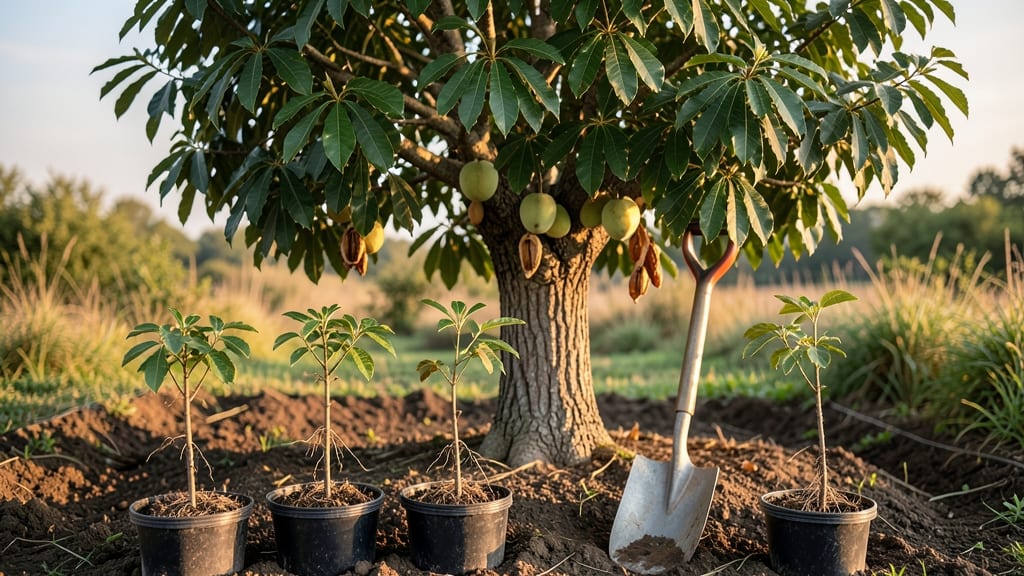
Growing pecan nut trees from seed to harvest is one of the most rewarding long-term projects you can take on—imagine cracking into your own homegrown nuts in just 5-7 years. 🌳 I planted my first tree last spring, and though it’s still small, the potential for shade, beauty, and that rich, buttery flavor is already worth the wait.
The key to success starts with the right conditions: pecans thrive in warm climates (zones 6-9) with well-draining, slightly acidic soil. They need plenty of space—think 40-60 feet apart for full-sized trees—so plan ahead if you’re dreaming of a backyard orchard.
Container-grown trees establish faster than bare-root, but both require patience and consistent care.
By year three, you’ll see real progress: strong branches, leafy canopies, and maybe even your first tiny nuts. Proper pruning in late winter and regular fertilization (nitrogen-heavy in early spring) keeps them healthy.
The real magic happens in late summer when those green husks start splitting open—each one a promise of sweet, crunchy pecans by fall.
Pests like pecan weevils and diseases like scab can be challenges, but early intervention with neem oil and proper spacing keeps most issues at bay. Even in small yards, a single tree can provide shade, beauty, and harvests for decades—if you’re willing to invest the time.
Let’s get those roots in the ground!
📚 In This Guide
- What you need
- Instructions
- Tips and common mistakes
- Wrapping up and next steps
What you need
- ● Pecan tree seedlings or saplings: Choose disease-resistant varieties like Shawnee or Desirable. Buy from a reputable nursery (1-2 trees for home gardens).
- ● Well-draining soil: Pecans thrive in sandy loam with a pH of 6.0–7.5. Test your soil and amend with compost or sand if needed.
- ● Watering supplies: Drip irrigation system (recommended) or a garden hose with a watering wand.
- ● 5-gallon watering can for young seedlings.
- ● Fertilizer: Balanced 10-10-10 or pecan-specific fertilizer (follow package instructions).
- ● Mulch: 2–4 inches of organic mulch (pine straw or wood chips) to retain moisture and suppress weeds.
- ● Shovel and trowel: For planting and soil prep.
- ● Pruning shears or saw: For shaping and maintaining the tree.
- ● Gloves and safety goggles: Protect your hands and eyes during planting and pruning.
- ● Measuring tape: To mark planting depth and spacing (15–20 feet between trees).
- ○ Optional but helpful: Soil moisture meter to monitor watering needs.
- ● Tree stakes and ties for young saplings in windy areas.
- ● Pest control spray (neem oil or horticultural oil for early pest prevention).
- ● Sunlight: A full-sun location (6+ hours of direct sunlight daily).
- ● Space: Pecan trees need 30+ feet of clearance for mature growth (root spread is wide!).
- ● Time commitment: Patience! Pecans take 5–10 years to produce nuts.
- ● Local climate: Pecans love hot summers and mild winters (USDA Zones 6–9).
Step-by-step guide to planting pecan nut trees
Here's how I plant these majestic trees for maximum growth and nut production.
🌱 Step 1: Choose the Right Location and Prepare the Soil
Pecan trees thrive in full sun with at least 6-8 hours of direct sunlight daily. Pick a spot with room to grow—these trees can reach 70-100 feet tall and spread 40-60 feet wide. I always test the soil first because pecans hate soggy roots but need good drainage.
Dig a hole twice as wide as the root ball but only as deep. Loosen the soil at the bottom to encourage root spread. If your soil is heavy clay, mix in 2-3 inches of compost and a handful of granular pecan fertilizer (high in nitrogen and potassium) into the native soil before planting. This gives roots a nutrient boost right away.
🪴 Step 2: Plant at the Correct Depth and Stake for Support
Place the tree so the top of the root ball sits 1-2 inches above ground level. Backfill with native soil, tamping lightly to remove air pockets. I always water deeply before staking—this settles the soil around roots and prevents air gaps that cause wilting.
Use two sturdy stakes placed 12-18 inches from the trunk, tied with flexible tree ties. This prevents wind rock while roots establish. Mulch around the base with 3-4 inches of wood chips, keeping it 6 inches away from the trunk to prevent rot. Water immediately after planting to help soil settle.
☀️ Step 3: Water Deeply and Monitor Growth in First Year
Newly planted pecans need 1-2 inches of water weekly during the first growing season. Water deeply at the base—not overhead—to encourage deep root growth. You'll know it's enough when water drains 6-8 inches into the soil. Overhead watering can spread disease spores.
Watch for new leaves emerging in 4-6 weeks—that's your sign the tree is establishing. I fertilize again in late spring with a balanced 10-10-10 formula to support early growth. Avoid heavy nitrogen in the first year, or the tree will grow leaves instead of roots.
✂️ Step 4: Prune for Structure and Prepare for Nut Production
When your tree reaches 3-5 feet tall, prune to remove any crossing branches or dead wood. I always cut back to a healthy bud or lateral branch, never leaving stubs. This encourages a strong framework for future nut-bearing limbs.
Pecan trees take 5-10 years to produce nuts, but proper pruning now ensures better yields later. Remove any suckers (shoots growing from the base) and thin crowded branches to improve air circulation. This reduces disease risk and helps the tree focus energy on nut development.
Tips & tricks for perfect pecan nut tree planting
Here's what I've learned after watching these trees grow for years—details that make all the difference.
Sunlight Secret: That 6-8 hours of full sun is non-negotiable! I've seen trees struggle in partial shade—leaves yellow and growth stalls. If your yard only gets 5 hours, consider a different location or wait until you can find a sunnier spot. Early morning sun is best, but afternoon works too as long as it's direct.
Soil Preparation Insight: When mixing in that 2-3 inches of compost and handful of granular pecan fertilizer, don't just dump it in the hole. Work it into the native soil at the bottom first—this creates a nutrient-rich zone where roots will naturally grow. I like to mix in a few handfuls of sand if my soil is particularly clay-heavy to improve drainage.
Staking Strategy: The 12-18 inches from trunk for those two stakes might seem like a wide range, but it's crucial. Too close and you'll damage the trunk as it grows; too far and the stakes won't provide proper support. I use soft tree ties that won't cut into the bark, and I check them every few months to make sure they're not too tight as the tree grows.
Watering Wisdom: That 6-8 inches of water penetration might seem like a lot, but it's what creates strong roots. I use a soil probe or long screwdriver to check—when it slides in easily, you've got enough. For the first year, I set a rain gauge nearby to track exactly how much water we're getting from nature so I don't overwater.
Pro Tips for Pecan Nut Trees How To Grow
- Here's what I've learned after watching these trees grow for years—details that make all the difference.
- Sunlight Secret: That 6-8 hours of full sun is non-negotiable!
- Soil Preparation Insight: When mixing in that 2-3 inches of compost and handful of granular pecan fertilizer, don't just dump it in the hole.
Frequently asked questions
Got questions about growing pecan nut trees? You’re not alone—these sun-loving giants can be tricky to master! Here are answers to the most common queries from backyard growers and pecan enthusiasts alike.
How long does it take for a pecan tree to produce nuts?
A young pecan tree usually takes 5–7 years to bear its first harvest, though some varieties may take up to 10 years. Patience is key—focus on proper care (water, soil, and pruning) to speed up the process. Once established, healthy trees can produce 50–100 lbs of nuts per year!
When is the best time to plant pecan trees?
The ideal window is late winter or early spring (before buds swell) or fall (6–8 weeks before the first frost). Avoid planting in hot, dry summers—young trees need time to establish roots. If buying bare-root saplings, plant them as soon as possible after purchase.
How much water do pecan trees need, especially in drought?
Pecan trees thrive with 1–2 inches of water per week, but deep, infrequent watering (every 7–10 days) encourages strong root growth. During droughts, mulch heavily and water deeply (1–2 feet down) to prevent stress. Never let them sit in soggy soil—drainage is critical!
What pests or diseases should I watch for, and how do I prevent them?
Common threats include aphids, pecan weevils, and scab disease. Prevention tips:
- Inspect leaves/nuts regularly for holes or discoloration.
- Use neem oil or insecticidal soap for soft-bodied pests.
- Prune for airflow to reduce fungal risks.
- Plant disease-resistant varieties (e.g., ‘Desirable’ or ‘Cape Fear’).
Can I grow pecan trees in containers, or do they need a yard?
Pecan trees prefer the ground—they’re heavy feeders with sprawling roots (up to 20+ feet wide!). However, dwarf varieties (like ‘Wichita’) can thrive in large containers (30+ gallons) for 3–5 years before transplanting. Use fast-draining soil and fertilize monthly in growing seasons.
Do pecan trees need cross-pollination, or will one tree work?
Most pecan trees are self-pollinating but produce more nuts with a pollinator nearby. Plant two compatible varieties (e.g., ‘Pawnee’ + ‘Moore’) within 100 feet for optimal yields. Check your tree’s label—some, like ‘Elliot,’ are self-fruitful but still benefit from neighbors.
Wrapping up and next steps
Growing pecan nut trees is a rewarding journey that blends patience with the joy of nurturing a sun-loving giant. With the right location, soil, and care, you’ll soon be harvesting sweet, crunchy nuts straight from your backyard—and—enjoying the beauty of their towering canopies year-round. 🌳✨
Ready to take the next step? Start by selecting the perfect variety for your climate, then plant your tree with confidence. Whether you’re dreaming of a future pecan harvest or simply love the idea of a majestic tree in your landscape, your backyard pecan adventure begins today!