
Pruning
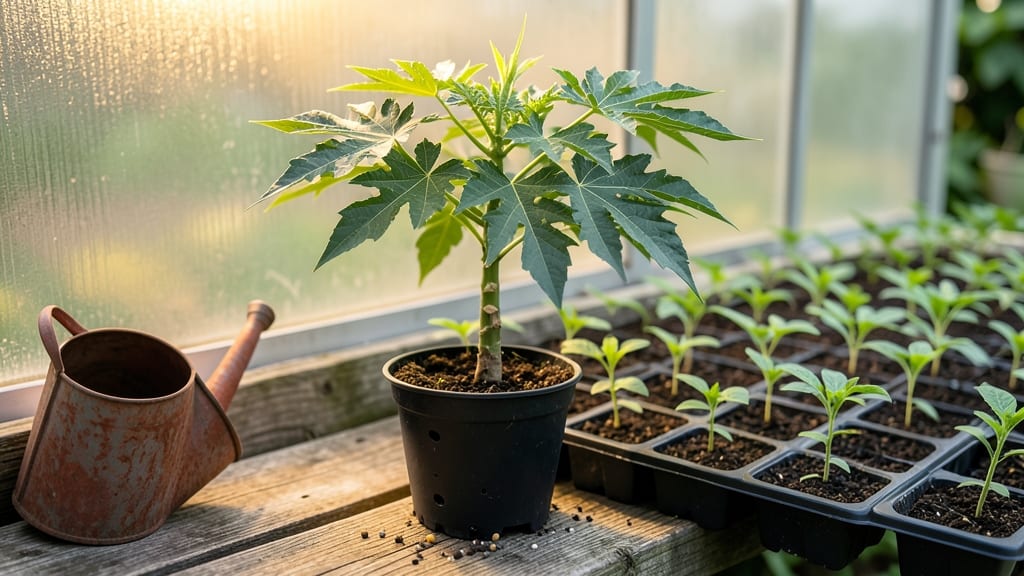
Growing a papaya tree from a seedling is faster than you think—these fast-germination tricks cut waiting time from months to weeks. 🌱 I’ve watched papaya seeds sprout in just 10 days using the right soil warmth and moisture balance, and you can too.
The key isn’t just patience—it’s mimicking the tropical conditions these seeds crave before they even hit the ground.
Start with a paper towel germination method to skip the guesswork—moisten the towel, wrap the seed, and place it in a warm, dark spot (like on top of your fridge). Once sprouts appear, transplant into light, well-draining soil mixed with perlite to prevent rot.
Papayas need full sun (6+ hours daily) and consistent warmth—if your climate dips below 50°F, move them indoors near a sunny window.
By week 3, you’ll see bold green leaves unfurling, and with proper care, your seedling will grow 3-4 feet tall in its first year. The fruit? It takes patience—18-24 months—but the journey is worth it.
Every morning, I check for new growth, and that tiny sprout becomes a reminder of how fast progress can happen when you give plants exactly what they need.
This method works for indoor pots (if you live in cooler zones) or outdoor tropical climates, though outdoor plants will bear fruit sooner. Just watch for wilting—a sign of overwatering—and adjust your schedule. Ready to turn that seed into a sun-loving tropical giant?
📚 In This Guide
- What you need
- Instructions
- Tips and common mistakes
- Wrapping up and next steps
What you need
- ● Papaya seeds: 3–5 fresh, plump seeds (harvested from a ripe papaya within 24 hours for best results).
- ● Seed-starting mix: 1 small pot (4–6 inches wide) filled with sterile, well-draining potting soil (look for a mix labeled "seed starter" or "cactus/succulent blend").
- ● Plastic wrap or humidity dome: A clear plastic bag or propagator lid to retain moisture.
- ● Spray bottle: For gentle watering (avoid soaking the soil!).
- ● Grow lights or sunny windowsill: A spot with warmth (75–85°F) and bright, indirect light (6+ hours daily).
- ● Small tray or saucer: To catch excess water and create a humid microclimate.
- ● Scissors or knife: For carefully slicing open the papaya to extract seeds.
- ○ Paper towels: To blot seeds dry before planting (optional but helpful).
- ● Fertilizer: A balanced, water-soluble fertilizer (5-5-5 or 10-10-10) diluted to half-strength—only after sprouts appear!
- ○ Heat mat (optional): If your space is chilly, a seedling heat mat (set to 75–80°F) can speed up germination.
- ● Transplant pots (2–3 inches): For moving seedlings once they’ve sprouted 2–3 true leaves.
- ● Patience: Germination can take 7–21 days—stay consistent with care!
- ● Warmth: Papaya seeds hate cold drafts. Keep them cozy!
- ● Humidity: Aim for 70–80% moisture levels (a humidifier helps if your air is dry).
- ● Space: Papaya trees grow 10–20 feet tall—plan for outdoor planting (or a large container) later!
Step-by-step instructions for germinating papaya seeds quickly
Here’s how to coax those stubborn papaya seeds into sprouting within days—not weeks.
🌱 Step 1: Prep Seeds for Maximum Germination Speed
Papaya seeds have a thick, waxy coating that slows water absorption. To bypass this, soak them in warm water for 12-24 hours before planting. Use a small bowl of lukewarm water (not hot) and let them sit until the outer coating softens noticeably. You’ll see tiny cracks forming—this is your cue the seed is ready.
After soaking, gently rub the seeds between your fingers to remove any remaining slime. This step prevents fungal growth later. I like to spread them on a paper towel to dry slightly before planting—just enough to handle them without sticking. Skipping this prep can delay germination by 3-5 days, so don’t rush it.
💧 Step 2: Plant in Warm, Moist, Well-Aerated Soil
Use a lightweight potting mix (avoid garden soil—it’s too dense) and fill small pots (2-3 inches deep) to within ½ inch of the rim. Papaya seedlings hate soggy roots, so mix in 20% perlite or vermiculite to improve drainage. Moisten the soil until it’s damp but not dripping—think of a wrung-out sponge.
Plant seeds ½ inch deep, spacing them 1 inch apart in each pot. A single seedling per pot works best, but planting two gives you a backup if one fails. Tap the soil lightly around the seeds to ensure good contact. Here’s the trick: Cover the pots with clear plastic wrap to trap heat and humidity. Place them in a warm spot (75-85°F)—a seedling heat mat speeds this up dramatically.
☀️ Step 3: Monitor Heat, Humidity, and Light for Fast Sprouts
Check the pots daily for condensation under the plastic. If it’s gone, mist the soil lightly to maintain moisture. Papaya seeds germinate fastest in warmth and darkness—so avoid bright light until you see tiny green hooks (the first leaves) breaking through the soil, which usually happens in 5-10 days. If your home runs cooler, move the pots to a sunny windowsill or under a grow light once sprouts appear.
Real talk: If you see mold, remove the plastic immediately and let the soil dry slightly. Over-moisture kills more papaya seedlings than anything else. Once the first true leaves (not the initial seed leaves) appear, thin to the strongest seedling per pot. You’ll know it’s ready when it’s bolder and taller than its sibling.
⏰ Step 4: Transition to Bright Light and Stronger Growth
After 10-14 days, when seedlings show 3-4 true leaves, remove all plastic and move them to a bright, indirect light spot. Papayas need 6+ hours of light daily to avoid leggy growth. If your seedlings stretch toward the light with weak stems, lower a grow light to within 4 inches of the tops. You’ll see thicker, sturdier growth within a week.
Water only when the top inch of soil feels dry—papayas hate soggy roots but also won’t tolerate drought. A spray bottle keeps the soil evenly moist without overwatering. Here’s where it gets fun: Watch the leaves unfurl and turn a deeper green. That’s your signal the seedling is thriving and ready for its next phase.
Tips & tricks for perfect papaya tree seedling germination
Here's what nobody tells you about speeding up those stubborn tropical seeds.
Seed Prep Secret: The 12-24 hour soak in lukewarm water isn't just about hydration—it's about breaking that waxy barrier. I've found that adding a tiny pinch of cinnamon (just a sprinkle) to the soaking water prevents fungal issues while the seeds soften. After soaking, pat them dry on a paper towel for exactly 10 minutes before planting. This drying step is what prevents mold growth in Step 2 while keeping the seeds handleable. Too dry and they won't sprout; too wet and you'll get that dreaded black mold.
Soil Science: That 20% perlite or vermiculite isn't optional—it's non-negotiable for papaya seedlings. I've tried planting without it, and within 3 days you'll see the roots suffocate. The key is mixing it thoroughly before adding water. Wet the soil until it's like a wrung-out sponge, then let it sit for 5 minutes before planting. This prevents water pooling around the seeds in Step 2, which is the #1 cause of seed rot before germination even begins.
Heat Hack: The 75-85°F range in Step 2 isn't just about warmth—it's about creating a mini greenhouse effect. I place my seedling pots on top of my refrigerator (the warmest spot in my kitchen) and cover them with plastic wrap. If you don't have a warm spot, try placing the pots inside a closed cardboard box with a small heat lamp (just 25 watts) aimed at them. The goal is to keep the air temperature around the seeds consistently warm without overheating. You'll know it's working when you see condensation form on the plastic daily.
Light Transition: That 10-14 day mark in Step 4 is actually a moving target. What I've learned is to watch the seedlings, not the calendar. When you see the first true leaves (not the initial seed leaves) appear, that's your cue to remove the plastic. The leaves will look like tiny green hooks breaking through the soil—this is when you want to introduce bright, indirect light. If you wait too long, the seedlings become etiolated (those weak, stretchy stems). If you move them too soon, they'll burn.
Pro Tips for Papaya Tree Seedling
- Here's what nobody tells you about speeding up those stubborn tropical seeds.
- Seed Prep Secret: The 12-24 hour soak in lukewarm water isn't just about hydration—it's about breaking that waxy barrier.
- Soil Science: That 20% perlite or vermiculite isn't optional—it's non-negotiable for papaya seedlings.
Frequently asked questions
Got questions about growing papaya tree seedlings?
You’re not alone! Here are answers to the most common queries to help you get started with confidence.
How long does it take for papaya seeds to germinate?
Papaya seeds typically sprout within 7–14 days if kept warm (70–90°F) and moist. For faster results, soak seeds overnight before planting and use a heat mat. Pro tip: Place a clear plastic bag over the tray to trap humidity—just remove it once sprouts appear!
Can I plant papaya seeds directly in the ground?
While possible, start indoors first for better control. Papaya seedlings are delicate and benefit from a 6–8 week head start in pots before transplanting. Wait until nighttime temps stay above 55°F to avoid frost damage. Bonus: Harden off seedlings by gradually exposing them to outdoor conditions for 1–2 weeks before planting.
What’s the best soil mix for papaya seedlings?
Use a well-draining, slightly acidic mix (pH 6.0–6.5) with equal parts potting soil, perlite, and compost. Avoid heavy clay soil, which can suffocate roots. A 50/50 coconut coir and peat blend works wonders for tropical plants like papaya. Warning: Sterilize soil to prevent fungal diseases like damping-off.
Why are my papaya seedlings wilting or turning yellow?
Yellowing leaves or wilting often signal overwatering, underwatering, or poor drainage. Check the soil—it should stay moist but not soggy. If roots look mushy, you’ve got root rot (reduce watering and repot in fresh soil). Fix it: Adjust your watering schedule and ensure pots have drainage holes.
Can I grow papaya from store-bought fruit seeds?
Yes! Store-bought papaya seeds will germinate, but results may vary—some seeds are hybridized for shelf life, not viability. Clean seeds thoroughly (rinse and dry) before planting. For guaranteed success, buy seeds from a reputable tropical nursery. Fun fact: Papayas from seed may take longer to fruit than grafted trees but offer unique varieties!
Wrapping up and next steps
Growing a papaya tree seedling from scratch is an exciting journey that rewards you with delicious tropical fruit—if you start with the right tricks! 🌱 From selecting the freshest seeds to mastering germination techniques, every step counts.
With patience and the right care, you’ll soon be enjoying homegrown papayas in no time.
Ready to take the next step? Start with just one seed—your future harvest begins today! Whether you’re a beginner or a seasoned gardener, the key is consistency. Happy planting! 🌿