Trees
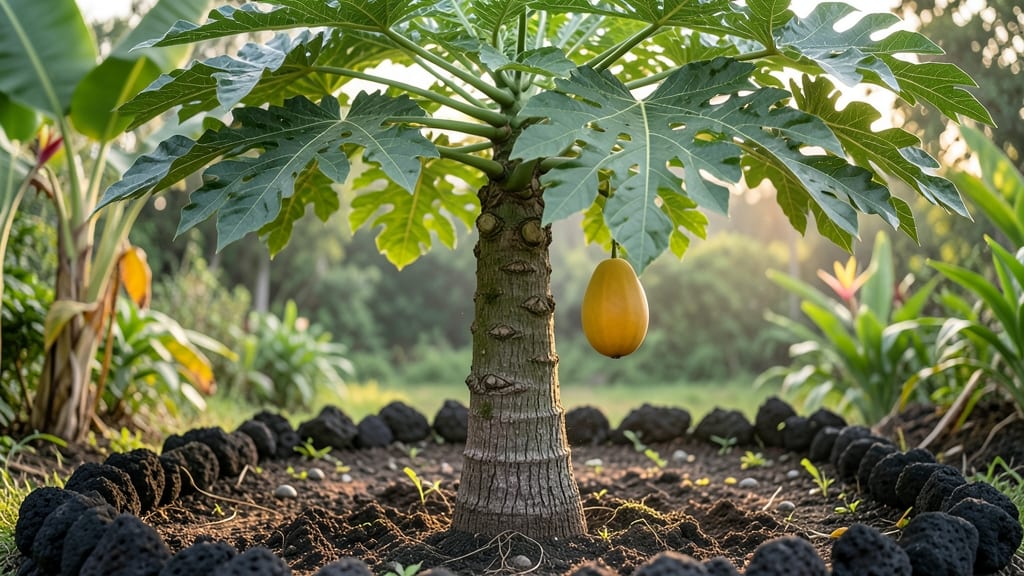
Growing papaya trees in cooler climates is possible with the right tricks—like starting seeds indoors and treating them like tropical royalty. 🌱 I’ve grown them in Zone 8 by mimicking their natural environment: warm soil, high humidity, and bright light.
The key is patience and a few strategic shortcuts that skip the usual trial-and-error.
You’ll need a sunny spot (6+ hours of direct light daily), well-draining soil, and a way to keep temperatures above 50°F—even if just for the first few months.
Papayas thrive in containers too, making them perfect for patios or greenhouses. The real magic happens when you hand-pollinate flowers (yes, it’s weirdly satisfying with a tiny paintbrush).
By summer, you’ll see those signature orange fruits hanging heavy on the branches—sweet, juicy, and worth every effort. The first harvest is the sweetest reward, especially when you’ve beaten the odds of growing tropical fruit in a cooler zone.
Just watch out for those sneaky pests and keep the soil moist but not soggy.
This method works for gardeners in Zones 7-10, with adjustments for container growing or greenhouse setups. Ready to turn your backyard into a mini tropics? Let’s get those seeds sprouting!
📚 In This Guide
- What you need
- Instructions
- Tips and common mistakes
- Wrapping up and next steps
What you need
- ● Papaya Seeds: 3–5 high-quality, disease-free seeds (or a young grafted sapling for faster results).
- ● Potting Mix: 10–15 lbs of well-draining, peat-based or coconut coir mix (avoid garden soil—it’s too dense!).
- ● Containers: 2–3 large pots (12–18 inches in diameter) with drainage holes or a raised bed (if planting outdoors in warm zones).
- ● Fertilizer: Balanced liquid fertilizer (10-10-10 or 20-20-20) for seedlings.
- ● Slow-release organic fertilizer (like compost or worm castings) for mature trees.
- ● Watering Can or Hose: With a gentle spray nozzle to avoid damaging delicate seedlings.
- ● Mulch: 5–10 lbs of straw or wood chips to retain moisture and regulate soil temperature.
- ● Pruning Shears: Sharp, sterilized shears for trimming dead leaves or shaping the tree.
- ○ Grow Lights: Optional for seedlings in low-light areas (12–16 hours of light daily).
- ○ Heat Mat: Optional for germinating seeds (75–85°F keeps them cozy!).
- ○ Trellis or Stakes: Optional for supporting heavy fruit (especially if growing in containers).
- ○ pH Test Kit: Optional but helpful—papayas thrive in slightly acidic soil (pH 6.0–7.0).
Step-by-step instructions for cultivating papaya trees indoors
Here's how to coax these tropical beauties to thrive when summer's too short.
🌱 Step 1: Start Seeds in Warmth and Light
Papaya seeds germinate best at 75-85°F—warmer than most houseplants tolerate. I use a seedling heat mat under my 4-inch deep seed-starting trays to maintain that range. Scatter 2-3 seeds per cell just below the soil surface (about ¼ inch deep) since papaya seeds are large and need room to push through.
Cover the tray with plastic wrap to trap humidity, then place under grow lights (14-16 hours daily) or in a south-facing window with bright, indirect light. The first sprouts appear in 7-14 days, but don't be surprised if germination takes longer—papaya seeds can be finicky. Once you see green tips breaking through, remove the plastic immediately to prevent fungal rot.
🪴 Step 2: Transplant to Individual Pots
When seedlings reach 3-4 inches tall (about 4-6 weeks after sowing), move them to 5-gallon pots filled with a well-draining tropical mix (equal parts peat moss, perlite, and coconut coir). Papaya roots hate soggy conditions, so I always add a 2-inch layer of gravel at the bottom for drainage.
Handle the seedlings gently—papaya stems are brittle. Bury them just below their original soil line to stabilize them, then water thoroughly until water runs freely from the drainage holes. Place pots in a spot where temperatures stay above 60°F at night, as cooler evenings slow growth dramatically. You'll know they're happy when new leaves unfurl every 2-3 weeks.
☀️ Step 3: Provide Year-Round Tropical Conditions
Papayas need 12+ hours of bright light daily—a south-facing window or grow light is non-negotiable. Without enough light, stems stretch and leaves pale. I rotate my pots quarter-turn weekly so they grow straight. If you notice leaves leaning toward the light, your setup isn't intense enough.
Keep soil evenly moist but never soggy—stick your finger 1 inch deep before watering. Papayas are thirsty but hate wet feet. During active growth (spring/summer), I fertilize every 4 weeks with a balanced liquid fertilizer (10-10-10) diluted to half-strength. Reduce feeding in winter when growth slows.
✂️ Step 4: Prune and Support for Fruit Production
When your papaya reaches 3-4 feet tall, it's time to shape it. Pinch off the top set of leaves to encourage branching—this creates a bushier plant with more fruiting sites. Papayas are self-pollinating, but you can help by gently shaking the plant once daily to release pollen.
As fruit develops, support heavy branches with bamboo stakes tied loosely with twine. Papaya fruits can weigh 2-3 pounds—without support, stems snap. Harvest when the fruit turns golden-yellow and yields slightly to gentle pressure. Don't wait too long—overripe papayas get mealy fast.
Tips & tricks for growing papaya trees indoors
Real talk: Growing papayas indoors isn't just possible—it's a rewarding challenge that pays off with fresh fruit. Here's what I've learned after watching my own plants thrive in less-than-ideal conditions.
Germination Game-Changer: Those 75-85°F germination temps are non-negotiable, but here's the secret: If your home stays cooler, try placing the seed tray on top of your fridge (not inside) where it's naturally warmer. I've seen germination rates double when seeds stay consistently in that sweet spot. Once you see those green tips, remove the plastic immediately—papaya seedlings rot faster than you'd think from trapped moisture.
Lighting Reality Check: That 12+ hours of bright light isn't just about intensity—it's about consistency. I use a combination of south-facing window light during the day and a simple LED grow light for 2 hours in the evening. The key is keeping the light source within 6 inches of the plants. If your leaves start stretching toward the light (called etiolation), you're not providing enough intensity, not just duration.
Soil and Drainage Secrets: The 2-inch gravel layer at the bottom of your 5-gallon pots isn't just for drainage—it's your first line of defense against root rot. I've found that adding a handful of perlite directly into the soil mix (not just at the bottom) creates tiny air pockets that papaya roots absolutely love. And here's what nobody tells you: If your soil smells sour after watering, you're overwatering—papayas hate wet feet more than they love water.
Pruning and Pollination Insight: When you pinch off those top leaves at 3-4 feet tall, you're not just shaping the plant—you're triggering a hormonal response that tells it to grow wider. For pollination, I've had the most success with a small paintbrush instead of shaking the plant. Gently brush the flowers once in the morning and once in the afternoon for better pollen transfer. And those 2-3 pound fruits? They develop faster when you support them early—wait until they're half their final size before staking.
Pro Tips for Growing Papaya Trees
- Real talk: Growing papayas indoors isn't just possible—it's a rewarding challenge that pays off with fresh fruit. Her...
- Germination Game-Changer: Those 75-85°F germination temps are non-negotiable, but here's the secret: If your home sta...
- Lighting Reality Check: That 12+ hours of bright light isn't just about intensity—it's about consistency. I use a com...
Frequently asked questions
Got questions about growing papaya trees? You’re not alone—these tropical beauties can be tricky in cooler climates! Here are answers to the most common queries to help you cultivate success.
Can I grow a papaya tree indoors?
Yes! Papayas thrive indoors with plenty of sunlight (6+ hours daily) and warm temps (70–85°F). Use a large pot (15+ gallons) with drainage, and supplement with grow lights if natural light is limited. Choose dwarf varieties like ‘SunUp’ for smaller spaces. Just be patient—indoor trees may take longer to fruit.
How long does it take for a papaya tree to bear fruit?
Papayas are fast growers but need patience! Under ideal conditions (warmth, humidity, full sun), expect fruit in 9–12 months from seed. Dwarf varieties may fruit sooner (6–9 months), while larger trees can take up to 18 months. Female flowers (with long stems) yield fruit faster than hermaphroditic ones.
What do I do if my papaya tree gets frostbitten?
Frost is deadly for papayas—act fast! Move potted trees indoors immediately. For outdoor trees, cover them with frost cloth or blankets. Prune damaged leaves (sterilize tools with rubbing alcohol) and avoid fertilizing until new growth appears. In severe cases, the tree may not recover, so consider starting fresh with a new seedling.
Are papaya trees self-pollinating?
Most papaya trees are self-pollinating, but some varieties (like ‘Red Maradol’) benefit from hand-pollination for better yields. Use a soft brush to transfer pollen from male to female flowers in the morning. Pro tip: Female flowers (with a bulbous base) produce fruit, while male flowers (long, thin stems) don’t.
What’s the best way to harvest papayas?
Harvest when the fruit is fully colored but still slightly firm—never wait for it to ripen on the tree! Gently twist or cut the stem with pruning shears. Ripen indoors at room temp (20–25°C) for 3–5 days. Overripe papayas get mushy; underripe ones are seedy and bland. Fun fact: They release ethylene gas, so harvest all ripe fruit at once!
Wrapping up and next steps
Growing papaya trees may seem like a challenge in cooler climates, but with the right techniques—like choosing cold-hardy varieties, providing warmth, and mastering container gardening—you can enjoy this tropical fruit year-round! 🌱 Whether you’re a beginner or a seasoned gardener, patience and care will reward you with vibrant blooms and sweet, ripe papayas.
Now that you’re armed with tips and answers to common questions, it’s time to roll up your sleeves and get planting!
Start small—perhaps with a single plant in a pot—and let your confidence (and harvest!) grow. Happy growing! 🌞