
Trees
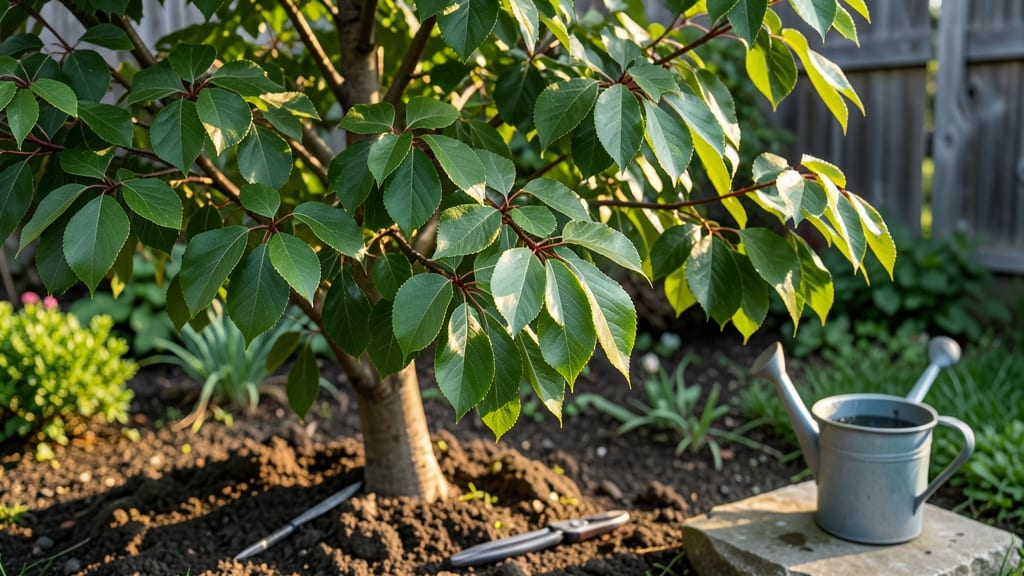
Your ornamental cherry tree’s leaves are the showstopper of Pacific Northwest gardens—when you prune them right. 🌿 The secret to keeping those vibrant, frost-resistant foliage displays isn’t complicated, but it is strategic: timing cuts to avoid late-season dieback, shaping for airflow, and knowing when to stop before winter sets in.
Start by pruning in late winter or early spring before buds swell, removing only dead or crossing branches. This keeps the tree’s energy focused on producing those signature deep red or purple leaves that make neighbors stop and stare.
A sharp pair of loppers and a clear day are all you need—no fancy tools required.
📚 In This Guide
- What you need
- Instructions
- Tips and common mistakes
- Wrapping up and next steps
What you need
- ● Pruning shears: Bypass pruners (sharp, 6–8" blades) for small branches; sterilize with rubbing alcohol before/after use.
- ● Loppers: 1 pair (18–24" reach) for thicker branches (½"–1.5" diameter).
- ● Pruning saw: 1 handheld saw (for branches >1.5" thick).
- ● Gloves: Heavy-duty, cut-resistant gloves (e.g., blank">Felco or blank">Wolverine brands).
- ● Disposable pruning bags: 2–3 large bags (10–15 gallon capacity) for debris collection.
- ● Rubbing alcohol (70% isopropyl): 1 small bottle (for tool sterilization).
- ○ Pruning sealant (optional but recommended): 1 tube (e.g., blank">Tanglefoot Tree Wound Pruning Sealer for large cuts).
- ● Frost cloth: 1 roll (for protecting newly pruned branches if frost is forecasted within 48 hours).
- ● Anti-desiccant spray: 1 bottle (e.g., blank">Wilt-Pruf) to prevent leaf burn in dry PNW winters.
- ● Compost or mulch: 2–3 bags (to replenish soil after pruning).
- ● Check the weather: Prune on a dry, cloudy day (avoid frost warnings!).
- ● Safety first: Wear eye protection and avoid pruning near power lines.
- ● Timing matters: Late winter/early spring (before buds swell) is ideal for PNW ornamental cherries.
Step-by-step guide for frost-resistant pruning of ornamental cherry trees
Here's how to maintain your Pacific Northwest cherry tree's stunning foliage while protecting it from winter's chill.
⏰ Step 1: Time Your Pruning for Winter Readiness
Prune your ornamental cherry tree in late winter, just before new growth begins—typically between February and early March in the Pacific Northwest. This timing ensures the tree has time to heal before spring's warmth triggers bud break. I always check for swollen buds as my cue to stop pruning; once they plump up, the tree is preparing to grow.
Real talk: Pruning too early can leave fresh cuts vulnerable to frost damage, while waiting too late risks stressing the tree before winter dormancy. A good rule is to finish by 3-4 weeks before your area's last frost date. In Seattle, that’s usually mid-February, but check your local microclimate—valleys often frost later than hilltops.
✂️ Step 2: Remove Damaged and Crossing Branches
Start by cutting out any dead, diseased, or broken branches first—these are the weak links that invite pests and rot. Use clean, sharp pruners to make 45-degree cuts just outside the branch collar (the swollen area where the branch meets the trunk). I like to sterilize my tools with rubbing alcohol between cuts to prevent spreading any hidden pathogens.
Next, remove branches that cross or rub against each other. These create wounds that won’t heal properly and can lead to cankers or fungal infections. Look for branches growing inward—they’ll compete for sunlight and weaken the tree’s structure. Thin these out first, then step back to assess the tree’s overall shape for balance.
🌿 Step 3: Open the Canopy for Airflow and Light
Ornamental cherry trees thrive with good airflow, which reduces moisture buildup on leaves—a major cause of fungal diseases like powdery mildew. Focus on thinning the interior branches to let light penetrate to the center of the tree. Aim to remove 20-30% of the smallest branches to improve airflow without over-pruning.
I always start at the top and work my way down, cutting back branches that are growing too densely. Leave the outer branches intact to maintain the tree’s natural silhouette. The goal is to create an open, vase-like shape that allows sunlight to reach all foliage. You’ll know you’ve done enough when you can see light filtering through the canopy on a sunny day.
☀️ Step 4: Protect Against Frost Damage with Strategic Cuts
In the Pacific Northwest’s frost-prone climate, exposed branches are vulnerable to winter dieback. To harden the tree, make heading cuts just above a outward-facing bud or lateral branch. Avoid cutting back to stubs—this creates entry points for frost and disease. Instead, aim for 1/4 to 1/3 of the branch’s length to encourage bushier growth.
Pay special attention to branches that grow straight up or outward—they’re more likely to suffer frost damage. Cutting them back slightly encourages new growth from lower buds, which are often more cold-hardy. If you’re unsure, err on the side of caution and leave a branch slightly longer; you can always prune more next year.
💧 Step 5: Post-Pruning Care for Winter Recovery
After pruning, water the tree deeply to help it recover. The roots need moisture to support new growth, especially if you’ve removed a significant number of branches. Apply 2-3 inches of mulch around the base (but not touching the trunk) to insulate the roots and retain moisture. I use shredded bark mulch because it breaks down slowly and improves soil structure over time.
Finally, avoid fertilizing immediately after pruning—the tree is already stressed, and extra nutrients can encourage tender new growth that won’t survive winter. Wait until early spring, when you see new leaves emerging, before adding any fertilizer. This timing ensures the tree focuses on root and branch development rather than foliage.
Tips & tricks for perfect ornamental cherry tree pruning
These practical insights will help you master frost-resistant pruning and keep your Pacific Northwest cherry tree thriving for years.
Timing is Everything: The late winter window between February and early March is critical because it allows fresh cuts to heal before spring growth begins. I've seen trees pruned too early develop frost damage on new shoots, while late pruning can stress the tree before it fully enters dormancy. Check for swollen buds—once they plump up, it's time to stop cutting. In Seattle's microclimates, I always finish by mid-February to account for late valley frosts.
Precision Cutting Technique: Those 45-degree cuts just outside the branch collar aren't just recommended—they're essential. I learned this the hard way after seeing cankers develop from improper cuts. Always use sharp pruners and sterilize between cuts with rubbing alcohol to prevent pathogen spread. For larger branches over 1/2 inch thick, I recommend using a pruning saw for cleaner cuts that heal better.
Canopy Airflow Strategy: When thinning interior branches to improve airflow, focus on removing 20-30% of the smallest branches first. This creates that open vase shape while maintaining the tree's natural silhouette. I test my work by standing 10 feet away and checking if sunlight filters through the canopy—if you can see light, you've done it right. This simple visual check prevents over-pruning while ensuring proper airflow to prevent fungal diseases.
Frost Protection Secrets: The 1/4 to 1/3 branch length reduction for heading cuts is about more than just aesthetics—it's about hardening the tree. I've noticed that branches cut back to this length develop more cold-hardy buds lower on the stem. For particularly vulnerable upward-growing branches, I make slightly shorter cuts to encourage bushier growth from more protected lower buds.
Pro Tips for Ornamental Cherry Tree Leaves
- These practical insights will help you master frost-resistant pruning and keep your Pacific Northwest cherry tree thriving for years.
- Timing is Everything: The late winter window between February and early March is critical because it allows fresh cuts to heal before spring growth begins.
- Precision Cutting Technique: Those 45-degree cuts just outside the branch collar aren't just recommended—they're essential.
Frequently asked questions
Got questions about your ornamental cherry tree leaves and pruning? You’re not alone!
Here are some of the most common concerns—and their answers—to help you keep your Pacific Northwest beauty thriving.
When is the best time to prune ornamental cherry trees in the PNW?
Prune your ornamental cherry tree after it blooms in spring (late May to early June) to avoid removing next year’s flowers. Never prune in late fall or winter—this can encourage frost damage or fungal issues. For frost-resistant varieties, light shaping in early spring (before buds swell) is safe if needed.
Why are my ornamental cherry leaves turning brown or yellow?
Brown or yellow leaves often signal fungal diseases (like powdery mildew) or environmental stress. Check for pests, poor drainage, or overwatering. If leaves drop early, it may be cold damage—common in PNW winters. Prune affected branches in spring and improve airflow around the tree to prevent recurrence.
Are ornamental cherry trees truly frost-resistant?
Most ornamental cherries (like Prunus serrulata or Prunus subhirtella) are hardy to USDA zones 5-8, making them frost-tolerant. However, late spring frosts can damage new growth or flowers. Choose early-blooming varieties (e.g., ‘Kanzan’) for better resilience, and avoid heavy pruning before frost warnings.
Can I prune ornamental cherry trees in winter for easier spring cleanup?
No—avoid winter pruning!
Dormant trees are vulnerable to bacterial canker and frost cracks. Instead, prune lightly in late winter (Feb-March) only to remove dead wood. Save major shaping for post-bloom. Sterilize tools with rubbing alcohol to prevent disease spread.
What’s a good alternative if my ornamental cherry leaves keep dying?
If your cherry tree struggles with leaf health, consider frost-hardy alternatives like:
- Amelanchier (serviceberry)—tolerates cold, has stunning fall color.
- Malus (ornamental crabapple)—disease-resistant and low-maintenance.
- Sorbus aucuparia (mountain ash)—thrives in PNW’s wet climates.
Wrapping up and next steps
Your ornamental cherry tree is a stunning addition to the Pacific Northwest’s landscape, and with the right frost-resistant pruning techniques, it’ll thrive for years to come! 🌿 By mastering the timing, tools, and steps outlined here—like late winter pruning and protecting cuts with pruning sealant—you’re not just maintaining beauty; you’re ensuring resilience against harsh winters.
Ready to take the next step? Grab your pruners, review your supplies, and schedule your first pruning session before the next frost hits. Your tree—and your neighbors—will thank you! ✨