
Pruning
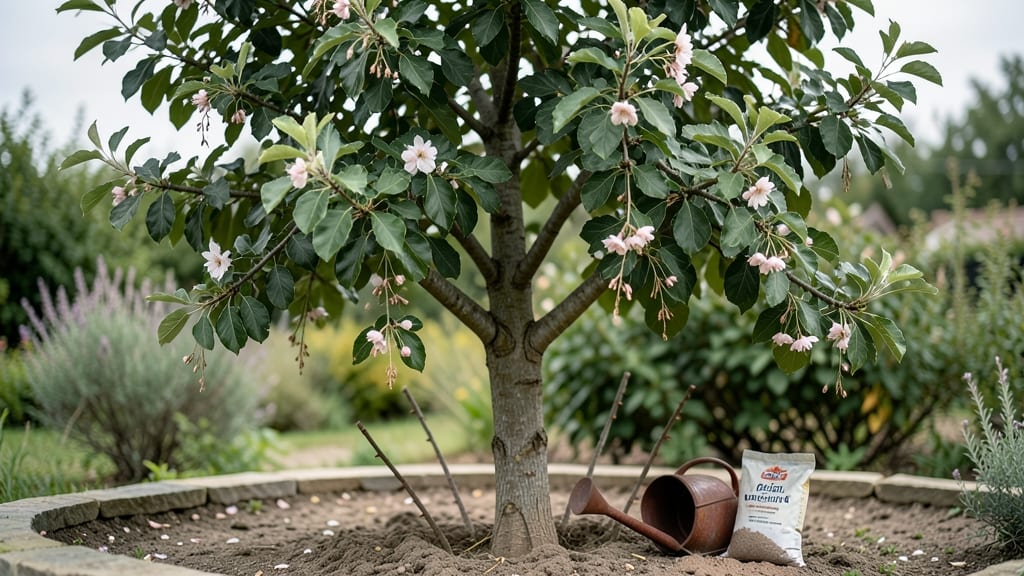
Caring for an Oriental pear tree in the Pacific Northwest means mastering frost-resistant pruning that keeps your tree productive for decades. 🌿 I learned the hard way that skipping winter pruning here leads to weak wood and poor fruit set—until I adjusted my approach to match our damp, cool climate.
The key is pruning in late winter while the tree is still dormant, but before buds swell. You’ll need sharp pruners, a ladder for higher branches, and a plan to remove dead wood first, then thin crowded branches to improve airflow.
This variety thrives with 6-8 hours of sunlight daily and well-draining soil—critical for preventing root rot in our rainy winters.
By summer, you’ll see sturdy new growth and clusters of fragrant white blossoms that eventually turn into crisp, sweet pears. The right pruning schedule transforms a messy tree into a neat, high-yielding fruit machine that handles our frosty nights better than most varieties.
Just avoid heavy pruning in fall—it stresses the tree before winter.
Whether you’re planting a young tree or reviving an established one, these adjustments make all the difference in our climate. Let’s get your tree thriving through every season—starting with the right cuts this winter.
📚 In This Guide
- What you need
- Instructions
- Tips and common mistakes
- Wrapping up and next steps
What you need
- ● Pruning shears: Bypass pruners (sharp, 7-8" blades) for clean cuts on small branches.
- ● Loppers: 10-12" bypass loppers for thicker branches (½"–1.5" diameter).
- ● Pruning saw: Curved-tooth saw for branches >1.5" thick (avoid crushing sapwood).
- ● Disinfectant: 70% isopropyl alcohol or 10% bleach solution (1 part bleach to 9 parts water) to sterilize tools between cuts.
- ● Gloves: Heavy-duty, cut-resistant gloves (e.g., Mechanix or leather) for safety.
- ○ Tree wound dressing: Pruning sealant (optional but helpful for large cuts; skip for small cuts—air-drying is best!).
- ● Ladder: Extendable aluminum ladder (20–30 ft) for tall trees (safety first—use stabilizers!).
- ● Tarp or drop cloth: 10x10 ft to catch debris during cleanup.
- ● Pole pruner: For high branches (16–24 ft reach).
- ● Rubbing alcohol wipes: Quick tool disinfection on the go.
- ● Tree bag: Fabric bags (5–10 gallon) to collect pruned branches for composting.
- ● GPS or laser rangefinder: For precise spacing measurements if planting new trees.
- ● PNW-specific frost cloth: Lightweight frost blankets (for young trees in late-winter freezes).
Step-by-Step pruning for Pacific Northwest Oriental pear trees
Here’s how I keep my frost-hardy pear trees thriving in wet winters and cool summers.
✂️ Step 1: Time Your First Prune for Late Winter Dormancy
Prune your Oriental pear tree between late February and early March when the tree is fully dormant but before buds swell. This timing prevents frost damage to fresh cuts and encourages strong spring growth. I always wait until after the worst winter storms pass—wet wood snaps easier and heals slower.
Use clean, sharp pruning shears to make cuts just outside the branch collar (the swollen area where the branch meets the trunk). Avoid leaving stubs—this invites disease. If a branch is thicker than your wrist, use a pruning saw instead. The goal is to open the canopy for sunlight and airflow while maintaining the tree’s natural shape.
🌿 Step 2: Remove Dead, Diseased, or Crossing Branches
Start by scanning the tree for dead wood (brown, brittle branches) or diseased limbs (mushrooms at the base, oozing sap). Cut these out first—they drain energy and spread problems. Next, remove any branches that cross or rub against each other. These wounds create entry points for fungal infections like fire blight, which loves our Pacific Northwest’s damp springs.
I also look for water sprouts (vertical, fast-growing shoots) and suckers (shoots from the base). These compete with fruit production. Snip them at the base with shears—no need for fancy tools. You’ll know you’re on the right track when the tree’s structure looks balanced and sunlight can reach all the way to the ground.
☀️ Step 3: Thin the Canopy for Sunlight and Airflow
Oriental pears need 6–8 hours of sunlight daily to ripen fruit properly. Thin the canopy by removing 15–20% of the smallest branches first—these are the ones blocking light. Focus on branches growing inward or downward; they’ll never produce quality fruit and create shade for the rest of the tree.
Make your cuts just above an outward-facing bud or branch. This encourages new growth in the right direction. If you’re unsure which way is “outward,” imagine drawing a line from the branch to the tree’s center—cut above the bud that points away from that line. After thinning, step back and check: you should see light streaming through the branches.
⏰ Step 4: Summer Pruning to Control Growth and Fruit Load
In late June or early July, do a light pruning to manage growth and fruit load. Remove any shoots growing from the trunk or main branches—these are called “suckers” and waste energy. Also, cut back overly vigorous branches by about one-third to redirect energy toward fruit development rather than excessive leaf growth.
This is also the time to thin out fruit clusters if they’re too dense. Leave 6–8 inches between fruits on each branch—crowded fruit stays small and underripe. I use my fingers to gently twist off excess pears at the stem. It’s a little brutal, but it guarantees larger, sweeter fruit come harvest season.
🪴 Step 5: Clean Up and Protect for Winter
After pruning, sterilize your tools with rubbing alcohol or a 10% bleach solution to prevent spreading disease. Rake up and dispose of all pruned branches—don’t compost them, as they can harbor fungal spores. Now’s also the time to apply a fresh layer of mulch (2–3 inches thick) around the base, keeping it 6 inches away from the trunk to prevent rot.
For extra frost protection in our region, I wrap the trunk of young trees with tree guard or burlap in late fall. This prevents sunscald (where winter sun warms the bark, then freezing temps crack it) and rodent damage. By spring, the tree will be ready to burst into leaf with minimal stress.
Tips & tricks for perfect Oriental pear tree pruning
These practical insights will help you maintain your Pacific Northwest pear trees like a pro—without the common pitfalls.
Timing is Everything: The late February to early March window is critical for frost-hardy trees. If you miss it, you risk exposing fresh cuts to late frosts or encouraging early bud swell. I've seen trees struggle when pruned too early—wait until the ground is thawed but before buds show color. For young trees, a second pruning in late June or early July helps manage growth, but never prune after mid-July as it can stimulate tender new growth vulnerable to winter cold.
Branch Collar Matters: When making cuts in Step 1, focus on the branch collar—the swollen area where the branch meets the trunk. Cut just outside this collar, never flush against it, or you'll create wounds that heal poorly. I learned this the hard way after seeing a tree develop silver leaf disease from improper cuts. For branches thicker than your wrist, use a pruning saw—your shears will only cause jagged tears that invite pests.
Sunlight Strategy: The 6-8 hours of sunlight requirement isn't just about fruit ripening—it's about preventing fungal diseases. When thinning the canopy in Step 3, prioritize removing branches that block light from reaching the ground. I test this by standing under the tree on a sunny day: if I can't see dappled light on the ground, there's still too much shade. This simple check saves hours of guesswork later.
Fruit Thinning Technique: The 6-8 inch spacing between fruits might seem harsh, but it's what transforms small, tart pears into sweet, juicy ones. I use my thumb and forefinger to gently twist fruits at the stem—don't pull, as that can damage the branch. Start with the smallest fruits first, as they're less likely to reach maturity. This might feel wasteful, but you'll end up with fewer, larger pears that ripen evenly.
Pro Tips for Oriental Pear Tree Care
- These practical insights will help you maintain your Pacific Northwest pear trees like a pro—without the common pitfalls.
- Timing is Everything: The late February to early March window is critical for frost-hardy trees.
- Branch Collar Matters: When making cuts in Step 1, focus on the branch collar—the swollen area where the branch meets the trunk.
Frequently asked questions
When is the best time to prune my Oriental pear tree in the Pacific Northwest?
Prune your Oriental pear tree during late winter or early spring (February–March) before buds swell but before new growth starts. This timing avoids frost damage and promotes strong fruiting. Avoid heavy pruning in fall—it can stimulate tender growth that won’t survive winter. For frost-prone areas, wait until after the last hard freeze (check your USDA zone).
How do I protect my Oriental pear tree from late frosts?
Use row covers or frost cloth on young trees during late spring blooms (April–May). For mature trees, prune to open the canopy to allow sunlight to warm the center. Avoid overhead watering before frost—wet leaves freeze easier. Pro tip: Plant near a south-facing wall or use tree wraps on trunks to retain heat.
Can I prune my Oriental pear tree in summer?
Light summer pruning (removing water sprouts or dead branches) is fine, but avoid heavy cuts. Summer pruning can stimulate weak growth that’s vulnerable to frost. If you must prune, do it in early summer (June) and keep cuts small. Warning: Never prune after mid-July—it disrupts winter hardiness.
Why aren’t my Oriental pears ripening properly?
Common causes include poor sunlight, over-fertilizing with nitrogen, or inconsistent watering. Thin fruit early (June) to improve size/quality, and ensure 6+ hours of sunlight daily. Check for pest damage (e.g., codling moths) or disease (fire blight), which can stress the tree. Fix: Prune to improve airflow and apply balanced fertilizer (10-10-10) in early spring.
What’s a good alternative if my Oriental pear tree struggles in my climate?
Consider Asian pear varieties (Pyrus pyrifolia) like ‘Niitaka’ or ‘Hosui’—they’re more cold-hardy (Zone 5) and produce sweeter fruit. Other PNW-friendly options:
- Apple trees (e.g., ‘Granny Smith’): Thrive in frost but need cross-pollination.
- European pear (Pyrus communis): ‘Bartlett’ handles PNW winters but needs thinning.
- Serviceberry (Amelanchier): Native, low-maintenance, and edible berries!
Wrapping up and next steps
Caring for your Oriental pear tree in the Pacific Northwest is all about balancing pruning precision and frost resilience—and you’ve got this! 🌿 With the right tools, timing, and techniques, you’ll nurture a thriving tree that rewards you with sweet, juicy fruit year after year.
Remember: patience and consistency are key, especially in our unique climate.
Ready to take the next step? Mark your calendar for your first pruning session this winter—your tree (and future harvest) will thank you! 🍐✨