
Propagation
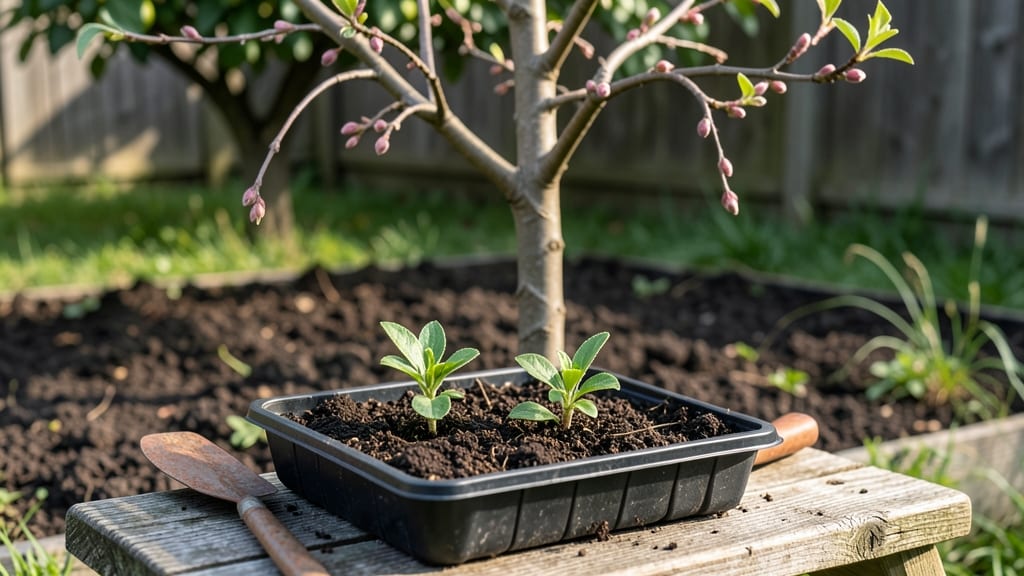
Growing a nectarine tree from seed is like planting a seed for a future harvest—literally. 🌱 The journey starts with a single pit from your favorite nectarine, but be warned: this isn’t a quick fix for fruit.
It takes 5 years of nurturing before you might see even a single bloom, let alone fruit. That said, there’s something deeply satisfying about watching a tree you grew from scratch reach for the sky.
The first hurdle is germination—nectarine seeds need stratification, which mimics winter’s chill. After 3 months in the fridge, you’ll plant them in a warm, moist mix of potting soil and perlite. Patience is key here; some seeds take weeks to sprout, while others never wake up.
Once they do, you’ll have a tiny seedling that needs bright light and careful watering to avoid damping off. The real magic happens when those first true leaves unfurl, signaling the start of a long-term relationship with your tree.
By year 3, you’ll have a sturdy sapling ready for transplanting outdoors. With proper pruning and protection from late frosts, your nectarine will grow into a small tree over the next few years.
The fruit, when it finally arrives, may not look like the parent variety—seed-grown trees often surprise with different flavors or sizes. But the reward isn’t just the fruit; it’s the story of a tree that started as a tiny pit and became something alive in your hands.
This method works best in USDA Zones 5-9, where nectarines thrive in warm summers and mild winters. For faster results, consider grafting a known variety onto your seedling later, but the joy of growing from seed is in the uncertainty—and the thrill of discovery.
Ready to start your long-term project?
📚 In This Guide
- What you need
- Instructions
- Tips and common mistakes
- Wrapping up and next steps
What you need
- ● Nectarine seeds: 3–5 fresh, plump seeds (harvested from ripe, organic nectarines—avoid store-bought if treated with chemicals).
- ● Well-draining potting mix: 1 small seed-starting tray (4–6 cell packs) or 2–3 small pots (3–4 inches wide) filled with a sterilized mix of 60% peat moss or coco coir + 30% perlite + 10% vermiculite.
- ● Plastic wrap or humidity dome: To create a mini greenhouse effect for germination.
- ● Spray bottle: With room-temperature water for gentle misting.
- ● Grow lights or sunny windowsill: A south-facing window (6+ hours of light/day) or a 12–14 hour LED grow light (for indoor starts).
- ○ Small fan (optional but helpful): For airflow (prevents damping-off disease).
- ● Fertilizer: A balanced liquid fertilizer (5-5-5 or 10-10-10) diluted to half-strength for seedlings.
- ● Larger pots (6–8 inches): For transplanting once seedlings sprout 2–3 true leaves.
- ● Garden soil (later stage): Nutrient-rich, well-draining soil with a pH of 6.0–7.0 (test kit recommended).
- ● Pruning shears: Sterilized, for future shaping (once the tree is established).
- ● Seed stratification kit: If your climate is warm, a fridge (34–41°F for 4–6 weeks) mimics winter dormancy to boost germination.
- ● Rooting hormone: Speeds up transplant shock recovery when moving seedlings outdoors.
- ● Mulch (wood chips or straw): Protects young trees from temperature swings and retains moisture.
- ● Tree supports (stakes/ties): For windy areas until the tree is sturdy (3–4 feet tall).
- ● Pest control: Neem oil or insecticidal soap (prevents aphids, mites, or fungal issues).
Step-by-step instructions for growing a nectarine tree from seed
Here's how to turn a single seed into a tree with real fruit potential.
🌱 Step 1: Extract and Stratify the Seed
Remove the pit from a ripe nectarine and crack it open carefully—you'll find a single large seed inside. Don't wash it yet. Place the seed between two damp paper towels in a sealed plastic bag. Store this in your refrigerator for 6-8 weeks, flipping the bag every 7 days to maintain even moisture. This cold treatment mimics winter and breaks seed dormancy.
Here's the thing—you'll notice condensation inside the bag after a few days. That's normal, but don't let the towels get soggy. If they feel damp but not dripping, you're good. The seed needs consistent moisture without sitting in water. After 6-8 weeks, check for a tiny white root emerging from the seed—this is your first sign of success.
🌱 Step 2: Plant the Germinated Seed
Once you see that root, it's time to plant. Fill a 4-inch diameter biodegradable pot with sterile seed-starting mix (not garden soil). Make a small hole about 1 inch deep—just enough to cover half the seed. Gently place the seed in the hole with the root pointing downward, then cover it lightly with more mix.
Water gently until the soil feels uniformly moist but not saturated. Place the pot in a warm spot (65-75°F) with bright, indirect light. A seedling heat mat can help maintain consistent warmth if your home runs cooler. You'll see the first true leaves appear in 2-4 weeks, signaling the seedling is actively growing.
☀️ Step 3: Transplant and Provide Care
After the seedling develops 3-4 sets of true leaves (about 3-4 months after planting), it's ready for its first transplant. Choose a 6-inch pot with drainage holes and fill it with a mix of 50% potting soil and 50% perlite. Dig a hole slightly larger than the seedling's root ball and place it in, firming the soil gently around the base.
Move the young tree outdoors to a sheltered spot for 2-3 hours the first day, gradually increasing exposure over 10-14 days. This hardening-off process prevents shock. Once it's acclimated, plant it in a permanent spot in full sun with well-draining soil. Nectarine trees are not cold-hardy, so choose a location with mild winters or protect it during frost.
🌿 Step 4: Prune and Train for Structure
When your tree reaches 2-3 feet tall, it's time to shape it. Use clean pruning shears to remove any crossing or inward-growing branches. Focus on keeping the strongest, most upright stems. Prune just above a leaf bud, making cuts at a 45-degree angle to encourage proper healing. This ensures the tree develops a strong framework for future growth.
Here's where it gets fun—watch how the tree responds. You'll see new shoots emerge from the pruned areas within a few weeks. These are your future branches. Keep the center of the tree open to allow sunlight and air circulation, which prevents disease. Mulch around the base with 2-3 inches of organic mulch to retain moisture and regulate soil temperature.
⏰ Step 5: Prepare for Long-Term Growth
Nectarine trees grown from seed take 5-7 years to bear fruit, but you can speed up the process with proper care. Fertilize in early spring with a balanced fruit tree fertilizer to encourage strong growth. Water deeply once a week during dry spells, ensuring the soil stays moist but not waterlogged. You'll know it's time to water again when the top 2 inches of soil feel dry.
Real talk: The first few years are all about building a strong, healthy tree. You'll notice slower growth in winter—this is normal. Focus on protecting the tree from frost and providing consistent care. Once it reaches maturity, you'll be rewarded with fruit, though it may not match store-bought varieties. Patience is key—this is a long-term project that pays off beautifully.
Tips & tricks for growing a nectarine tree from seed
These simple strategies will help you maximize your chances of success with your nectarine seedling.
Stratification Success: The 6-8 weeks in the refrigerator is non-negotiable—this mimics winter conditions and breaks the seed's natural dormancy. I've tried skipping this step, and the seed just sits there, stubborn as can be. Place a small piece of tape on the bag with the date so you don't lose track of those crucial weeks. Also, when you flip the bag every 7 days, take a quick peek—you might spot that first tiny root before you expect it!
Planting Precision: When planting your germinated seed in Step 2, half-burying it (just 1 inch deep) is key. The seed needs light to trigger germination, so don't cover it completely. I use a toothpick to make the planting hole—it gives me better control than my fingers. After planting, give the soil a gentle squeeze to check moisture; it should feel like a damp sponge, not a soaked washcloth.
Hardening Off: The 2-3 hour outdoor exposure in Step 3 is where many seedlings fail. Start with just 1 hour on the first day, then gradually increase. I place my seedlings in dappled sunlight—think morning sun with afternoon shade. Watch for wilting; if you see this, bring them back inside immediately. This slow acclimation prevents transplant shock and gives your tree a fighting chance.
Long-Term Care: Those 5-7 years to fruit might seem daunting, but consistent care makes all the difference. Mark your calendar for early spring fertilization—this is when your tree needs that growth boost. And when watering, stick your finger 2 inches into the soil; if it feels dry, it's time to water. I've found that mulching with 2-3 inches of organic material (like shredded leaves) helps maintain even moisture and keeps weeds at bay.
Pro Tips for Nectarine Tree From Seed
- These simple strategies will help you maximize your chances of success with your nectarine seedling.
- Stratification Success: The 6-8 weeks in the refrigerator is non-negotiable—this mimics winter conditions and breaks the seed's natural dormancy.
- Planting Precision: When planting your germinated seed in Step 2, half-burying it (just 1 inch deep) is key.
Frequently asked questions
Growing a nectarine tree from seed is a rewarding but patient process—here are answers to the most common questions to help you along the way!
How long does it take for a nectarine seed to sprout?
A nectarine seed typically sprouts in 2–4 weeks after planting, depending on temperature and moisture. Keep the soil consistently damp (not soggy) and place it in a warm spot (65–75°F) to encourage germination. Patience is key—some seeds may take longer!
Will a nectarine grown from seed produce fruit like the parent tree?
Probably not! Seed-grown nectarines are unpredictable—they may not match the parent tree’s flavor, size, or even fruit type. For reliable fruit, consider grafting a known variety onto your seedling later. Think of it as a fun experiment rather than a guaranteed harvest!
Can I speed up the process to get fruit faster?
No shortcuts exist, but you can optimize conditions:
- Use cold stratification (refrigerate seeds for 4–6 weeks) to mimic winter.
- Plant in a sunny, well-draining spot with rich soil.
- Fertilize lightly in spring to boost growth.
What if my seedling dies or grows poorly?
Don’t panic! Seedlings are fragile—overwatering, pests, or poor soil are common culprits. Try:
- Repotting in sterile, well-draining soil if roots are cramped.
- Using neem oil for pests like aphids.
- Providing bright indirect light (avoid harsh sun).
Can I grow a nectarine tree indoors?
Not ideal! Nectarine trees need full sun (6+ hours daily) and space to thrive. However, you can:
- Grow it in a large container outdoors in summer, then move it indoors near a sunny window for winter.
- Expect slower growth and smaller fruit indoors.
Wrapping up and next steps
Growing a nectarine tree from seed is a rewarding journey that demands patience—but the sweet payoff is worth it! 🌱 While it may take 5 years (or longer) to produce fruit, each step strengthens your gardening skills and connects you to nature’s cycle.
Once your tree thrives, you’ll enjoy fresh, sun-ripened nectarines straight from your backyard.
Ready to take the next step? Start small—plant a few seeds, experiment with care techniques, and document your progress. Who knows? You might just cultivate a legacy tree that future generations will love! 🌳🍑