
Pruning
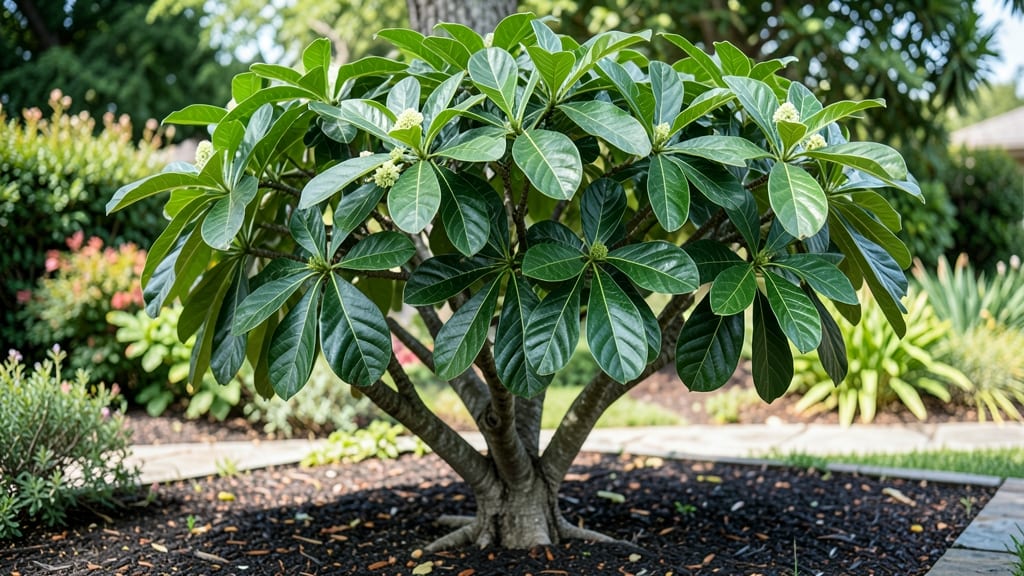
Proper soursop fruit tree care unlocks lush harvests in pots or tight spaces—here’s how to recreate its rainforest needs: warmth, moisture, and frost-free shelter. 🌿 My first attempt nearly died in a Florida winter, but I learned the hard way what works.
You’ll need a well-draining potting mix (equal parts peat, perlite, and compost) and a spot with 6+ hours of morning sun—afternoon shade helps prevent leaf scorch. In cooler zones, keep it in a moveable pot or under a greenhouse cover during frost season.
The tree grows slowly at first, but once established, it rewards patience with fragrant white flowers and sweet, custard-like fruit.
Water deeply 2-3 times a week (more in heatwaves) but avoid soggy roots—they rot faster than they grow. Fertilize lightly with citrus-specific food every 6-8 weeks, and prune only to shape or remove dead wood.
The first harvest might take 3-5 years, but the wait is worth it for fruit that tastes like pineapple, mango, and strawberry blended together.
Cold sensitivity is the biggest hurdle—never let temps drop below 30°F. If you live in Zone 9 or warmer, plant directly in the ground; otherwise, a large container (15+ gallons) with winter blankets works.
Once you crack the care code, your tree could produce fruit year-round in warm climates. Let’s get growing!
📚 In This Guide
- What you need
- Instructions
- Tips and common mistakes
- Wrapping up and next steps
What you need
- ● Soursop seed or sapling: 1 high-quality seed (or 1-2 young saplings from a trusted nursery).
- ● Well-draining soil: 5-10 gallons of a mix of 60% topsoil, 30% compost, and 10% perlite/sand (adjust for container size).
- ● Pot or planting area: Container: 1 large pot (15+ gallons) with drainage holes (for indoor/urban growers).
- ● Outdoor: A sunny, sheltered spot with 6+ feet of vertical space (trees can grow 20+ feet!).
- ● Watering can or hose: With a gentle spray nozzle (soursops hate soggy roots!).
- ● Fertilizer: 1 bag of balanced organic fertilizer (10-10-10) or citrus-specific formula.
- ● Pruning tools: 1 pair of sterilized bypass pruners (for clean cuts).
- ● 1 small hand saw (for thicker branches).
- ● Mulch: 2-3 inches of wood chips or straw to retain moisture.
- ● Humidity tray: For indoor pots (add pebbles + water under the saucer).
- ● Trellis or support: To guide young trees as they grow.
- ● Soil pH tester: Aim for 6.0–7.0 (slightly acidic).
- ● Pest control: Neem oil or insecticidal soap (for aphids/mealybugs).
- ● Drip irrigation system: For large outdoor plantings (automates watering!).
Step-by-Step guide to cultivating a thriving soursop tree
Here’s how to nurture this tropical treasure through every season—no greenhouse needed.
🌱 Step 1: Select and Prepare the Planting Site
Soursop thrives in rich, well-draining soil with a pH between 5.5 and 7.0. If your native soil is heavy clay, amend it with 3-4 inches of compost and 1 part perlite to improve drainage. This tree hates soggy roots, so avoid low-lying areas where water pools.
Choose a location with partial shade to full sun—young trees prefer morning sun and afternoon shade, while mature trees tolerate more direct light. In hot climates, afternoon shade prevents leaf scorch. Test your spot by observing how long sunlight lingers; 6+ hours of filtered light is ideal for consistent fruiting.
☀️ Step 2: Plant and Establish the Soursop Tree
Dig a hole twice as wide but no deeper than the root ball to encourage outward root growth. Gently loosen the roots if they’re circling, then place the tree so the root flare sits just above soil level—burying it too deep suffocates the trunk. Backfill with native soil mixed with 1 cup of bone meal for phosphorus to support root development.
Water deeply immediately after planting to eliminate air pockets, then mulch with 2-3 inches of organic mulch (like wood chips) to retain moisture and regulate soil temperature. Keep the mulch 6 inches away from the trunk to prevent rot. Young trees need 1-2 inches of water per week, but mature trees develop deeper roots and tolerate slightly drier conditions.
💧 Step 3: Water and Fertilize for Optimal Growth
Soursop trees are drought-tolerant once established, but consistent moisture is critical in the first 2 years. Water at the base of the tree (never overhead) to prevent fungal diseases like anthracnose. Let the top 3 inches of soil dry between waterings—stick your finger in to check. Overwatering leads to root rot, which kills soursop trees faster than any other issue.
Fertilize every 3 months with a balanced 6-6-6 or 8-3-9 formula during the growing season (spring through fall). In late winter, switch to a high-phosphorus fertilizer (like 10-10-10) to stimulate flowering. Avoid nitrogen-heavy fertilizers in late summer—they encourage leafy growth at the expense of fruit set. You’ll know you’re on track when new leaves emerge bright green and glossy within 4-6 weeks of fertilizing.
✂️ Step 4: Prune and Train for Fruit Production
Prune only in late winter or early spring before new growth begins. Remove dead, diseased, or crossing branches first, then thin the canopy to improve airflow—this reduces humidity-related diseases. Cut back overly vigorous shoots to redirect energy toward fruit production. Never remove more than 25% of the canopy in one season, or you’ll stress the tree.
Train young trees by selecting 3-4 strong central branches to form the main scaffold. Remove competing branches that grow inward or downward—these create dense shade where fruit rots. Mature trees develop a natural shape, but light pruning after harvest encourages next year’s blooms. You’ll see the first white, fragrant flowers appear on 3-4 year old trees, signaling they’re ready for fruiting.
🪴 Step 5: Protect and Harvest for Year-Round Success
Soursop trees are sensitive to cold—temperatures below 32°F damage leaves and fruit. In frost-prone areas, wrap the trunk with burlap and cover young trees with frost cloth during freezes. Mature trees handle brief cold snaps better but still need protection. Mulch 3-4 inches deep in winter to insulate roots.
Harvest when fruit detaches easily with a slight twist and the skin turns yellow-green with brown spots. Ripe soursop releases a sweet, tropical aroma—this is your cue to pick. Use a clean, sharp knife to avoid tearing the skin. Store unripe fruit at room temperature to ripen; once ripe, refrigerate for up to 5 days. You’ll know you’ve succeeded when your first harvest yields 4-6 pounds of fruit per mature tree—enough for smoothies, desserts, or sharing with neighbors.
Tips & tricks for perfect soursop tree cultivation
Here's what nobody tells you about transforming your backyard into a tropical oasis with this finicky but rewarding fruit tree.
Soil Science: That 3-4 inches of compost and 1 part perlite in Step 1 isn't just about drainage—it's about creating a sponge-like environment that holds moisture while preventing compaction. I've seen soursop roots struggle in amended soil that was later compacted by foot traffic, so always keep the planting area clear after installation. The tree's roots need that air space to breathe, especially during Florida's sudden summer downpours.
Watering Wisdom: The "1-2 inches per week" guideline in Step 2 is your baseline, but timing matters more than quantity. Water in the early morning when temperatures are coolest to minimize evaporation and fungal risks. I've noticed that afternoon watering can lead to prolonged leaf wetness, which invites anthracnose—something you definitely want to avoid with this tropical beauty.
Fertilizer Timing: That 4-6 week window after fertilizing in Step 3 is your quality control period. If you don't see bright green, glossy leaves within that timeframe, you're either over-fertilizing or using the wrong type. I recommend testing your soil first—soursop trees actually prefer slightly acidic conditions (pH 5.5-6.5), and some commercial fertilizers can push the pH too high, locking out essential nutrients.
Harvesting Hack: When checking for that "easy twist" in Step 5, use your thumb to gently press the fruit's stem. If it gives slightly but doesn't snap off, wait another day. I've learned the hard way that overripe soursop bruises easily and doesn't store well—better to wait an extra day than deal with mushy fruit. The brown spots should cover about 30% of the skin before picking for optimal flavor.
Pro Tips for Soursop Fruit Tree Care
- Here's what nobody tells you about transforming your backyard into a tropical oasis with this finicky but rewarding fruit tree.
- Soil Science: That 3-4 inches of compost and 1 part perlite in Step 1 isn't just about drainage—it's about creating a sponge-like environment that holds moisture while preventing compaction.
- Watering Wisdom: The "1-2 inches per week" guideline in Step 2 is your baseline, but timing matters more than quantity.
Frequently asked questions
How often should I prune my soursop tree?
Prune your soursop tree lightly 2–3 times a year: after flowering (late spring) to shape it, after fruiting (fall) to remove dead wood, and during dormancy (winter) for major structural cuts. Avoid heavy pruning—these trees are sensitive! Focus on air circulation and sunlight access.
Can soursop trees survive cold weather?
Soursop trees (Annona muricata) are tropical and cannot tolerate frost. If temperatures drop below 32°F (0°C), protect young trees with frost cloth or move potted trees indoors. Mature trees in zones 10–11 thrive year-round; elsewhere, grow them in containers or greenhouses.
What’s the fastest way to grow a soursop tree from seed?
Soak seeds in warm water for 24 hours to soften the hard shell, then plant ½-inch deep in moist, well-draining soil. Keep soil warm (70–80°F) and humid—germination takes 2–4 weeks. Seedlings grow slowly; expect fruit in 5–7 years. For faster results, graft onto a rootstock.
Why are my soursop leaves yellowing or dropping?
Yellow leaves often signal overwatering, nutrient deficiency, or pests. Check soil moisture (let it dry slightly between waterings) and inspect for mealybugs or scale insects. Feed with citrus-specific fertilizer (high in nitrogen) every 2–3 months. If roots are waterlogged, improve drainage immediately.
Can I grow soursop in a pot? What size container do I need?
Yes! Use a large container (at least 15–20 gallons) with drainage holes. Soursop trees have extensive roots, so opt for fabric grow bags or deep pots. Repot every 2–3 years, and choose a lightweight, well-draining mix (e.g., 60% potting soil + 30% perlite + 10% compost).
Wrapping up and next steps
Growing a thriving soursop tree is absolutely within reach—even for beginners! With the right soil mix, pruning techniques, and a little patience, you’ll soon be enjoying luscious fruit year-round.
Remember, consistency is key: monitor moisture, protect from pests, and prune strategically to boost air circulation and fruit production.
Ready to take the next step? Start small—plant your soursop seedling or sapling today and watch it flourish! For extra guidance, explore local tropical gardening groups or consult a horticulturist. Your tropical oasis awaits! 🌿🍈