
Trees
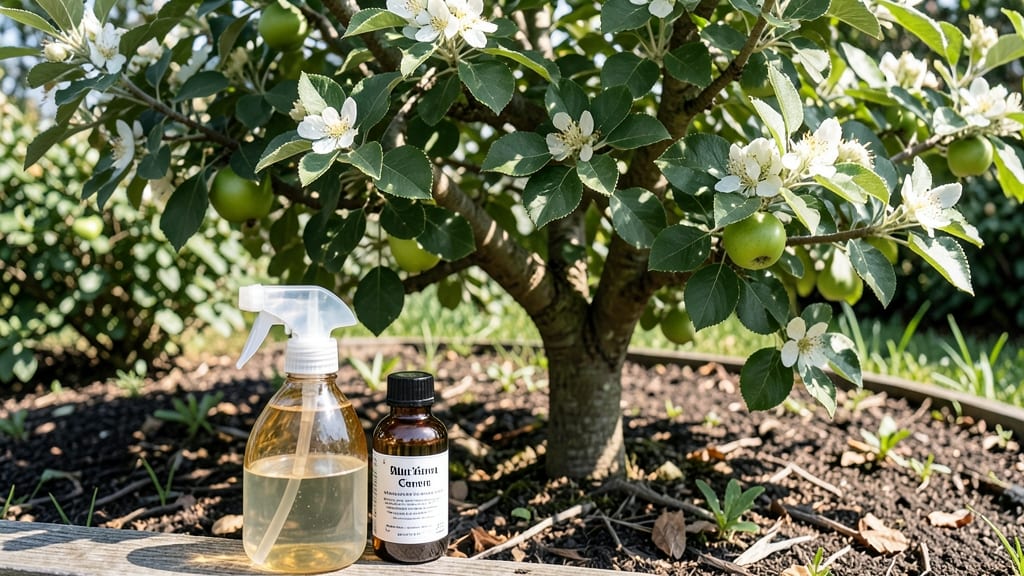
When aphids turn your oak trees into sticky messes, insecticidal soap for trees saves the day without harsh chemicals—though timing is everything. The key is catching infestations early, when those tiny green blobs are still clustered on new growth rather than spread across the entire canopy.
You only need three things: a ready-made insecticidal soap (like Safer® or Bonide®), a hose with a spray nozzle, and a calm afternoon when winds are gentle. Mixing isn't required—just follow the label rates, which typically run 1-2 tablespoons per gallon of water.
The soap disrupts insect cell membranes, but it's gentle enough that it won't scorch leaves if applied correctly.
What you'll see within 24-48 hours is those pests dropping like flies—literally. Aphids, mites, and soft-bodied scale insects wilt and fall, leaving behind fresh, clean foliage. The best part?
Birds and bees stay unaffected, and your tree keeps photosynthesizing like nothing happened. Just avoid spraying when temps exceed 90°F or you risk leaf burn.
For stubborn infestations, repeat every 5-7 days until pests disappear. Store-bought soaps last 1-2 years unopened, but homemade versions (using 1 tablespoon mild castile soap per quart of water) work too—just test on a small branch first. The secret? Consistency beats intensity every time.
📚 In This Guide
- What you need
- Instructions
- Tips and common mistakes
- Wrapping up and next steps
What you need
- ● Castile soap (liquid) – 1–2 tablespoons (unscented, potassium-based, like Dr. Bronner’s)
- ● Water (distilled or dechlorinated) – 1 quart (32 oz) (tap water may contain minerals that reduce effectiveness)
- ● Spray bottle or pump sprayer – 16–32 oz capacity (with a fine mist nozzle for even coverage)
- ○ Gloves (optional but recommended) – To protect your hands from soap residue
- ● Measuring cups/spoons – For precise soap-to-water ratios
- ● Stirring stick or spoon – To mix the solution thoroughly
- ● Ladder or extension pole – For reaching higher branches safely
- ● Weather check – Overcast or early morning (apply when temps are <60°F to avoid leaf burn)
- ● 🚫 Dish soap – Can harm plant leaves and disrupt soil microbes
- ● 🚫 Chlorinated water – Lets out harmful chlorine gas when mixed with soap
- ● 🚫 Direct sunlight after application – Increases risk of leaf scorch
How to apply insecticidal soap for organic tree pest control
This method targets pests like aphids, mites, and scale while protecting your trees' delicate foliage.
Verify Pest Identification and Timing
First, confirm you're dealing with soft-bodied insects—aphids, mites, or young scale insects respond best to insecticidal soap. Look for clusters on new growth, undersides of leaves, or along stems. Apply when temperatures are between 60-85°F and no rain is forecast for 24 hours. Early morning applications prevent rapid evaporation and maximize coverage.
I always check the undersides of leaves with a magnifying glass—this is where many pests hide. If you see sticky residue (honeydew) on leaves below, that's a sure sign of sap-sucking insects. Wait until pests are actively feeding; dormant insects won't be affected by the soap's mechanism.
Prepare the Solution at Proper Concentration
Use a ready-made insecticidal soap or mix 1.5 tablespoons of pure, liquid castile soap (like Dr. Bronner's) with 1 quart of water. Avoid dish soaps—they contain additives that harm plant tissues. Stir gently until fully dissolved, then strain through a fine mesh to remove any undissolved particles.
The key here is gentle mixing. Vigorous stirring creates suds that can clog spray nozzles. I pour the soap into the water slowly while stirring with a clean wooden stick—this prevents suds formation. For large trees, scale this proportion to 1 tablespoon per gallon of water while maintaining the same gentle mixing technique.
Apply During Optimal Conditions
Spray when leaves are dry and the sun isn't at its peak—early morning or late afternoon works best. Focus on the undersides of leaves where most pests hide, and apply until surfaces glisten but don't run off. Use a hose-end sprayer for large trees or a handheld pump sprayer for precise application on smaller branches.
I always start spraying from the top of the tree and work downward to ensure complete coverage. Move the sprayer slowly—quick passes miss hidden pests. For heavily infested trees, apply a second treatment 7-10 days later, as newly hatched insects won't have been exposed to the first application.
Monitor and Reapply as Needed
Check trees 3-5 days after application for signs of pest reduction. You'll notice fewer insects on leaves and less sticky residue if you had sap-suckers. If pests persist, repeat the treatment but increase the concentration slightly to 2 tablespoons per quart of water for the second application.
Watch for leaf burn—a sign of overapplication. If you see brown spots or curled leaves, flush the area with plain water immediately. I keep a spray bottle of water handy during applications to rinse any accidental overspray. Most trees tolerate 3-4 applications per season when used correctly.
Tips & tricks for effective organic tree pest control
Mastering this organic pest control method means paying attention to details that make all the difference between success and failure. Here's what I've learned after years of battling pests in my own garden.
Timing is Everything: The 24-hour rain-free window is non-negotiable. I've seen applications wash away completely within hours during unexpected showers, leaving pests untouched. Always double-check your weather forecast and avoid applying if even light rain is predicted during that critical period. For maximum effectiveness, apply when temperatures are on the higher end of the 60-85°F range—warmer conditions help the soap work faster and more efficiently.
Solution Preparation Matters: When mixing your 1.5 tablespoons of castile soap per quart of water, use a clean glass container rather than plastic—soap can degrade plastic over time. For large applications, I've found that using a dedicated spray bottle for mixing helps maintain consistency. Remember that the gentle stirring technique is crucial; any suds formation will clog your sprayer and reduce coverage. If you're using a ready-made insecticidal soap, always shake the bottle thoroughly before use—settled ingredients can lead to uneven concentrations.
Application Technique Secrets: The key to thorough coverage lies in your approach. Start at the top and work downward to prevent drips from missing lower leaves. Move the sprayer in slow, overlapping passes—think of it like mowing a lawn rather than quick sweeps. For heavily infested trees, I recommend applying the soap solution to the ground beneath the tree as well, since many pests fall to the soil. This creates a protective barrier that prevents reinfestation from below.
Monitoring and Adjusting: When checking trees 3-5 days after application, look for subtle signs of improvement beyond just visible pest reduction. Healthy leaves will appear slightly more vibrant, and you may notice increased activity from beneficial insects like ladybugs and lacewings. If you do need to increase concentration for a second application to 2 tablespoons per quart, do so gradually—starting with 1.75 tablespoons can help you gauge your tree's tolerance before committing to the full amount.
Pro Tips for Insecticidal Soap For Trees
- Mastering this organic pest control method means paying attention to details that make all the difference between success and failure.
- Timing is Everything: The 24-hour rain-free window is non-negotiable.
- Solution Preparation Matters: When mixing your 1.5 tablespoons of castile soap per quart of water, use a clean glass container rather than plastic—soap can degrade plastic over time.
Frequently asked questions
Got questions about using insecticidal soap on your trees? You’re not alone!
Here are some of the most common concerns—plus clear, actionable answers to help you tackle pests like a pro.
Can insecticidal soap harm my tree’s leaves or bark?
When used correctly, insecticidal soap is leaf-safe and won’t damage bark or foliage. However, overuse or applying it in direct sunlight can cause minor leaf burn (like a mild sunburn). Always spray early in the morning or late afternoon and follow label instructions for dilution. For sensitive trees (e.g., boxwoods or azaleas), do a patch test first!
How soon will I see results after applying insecticidal soap?
Results vary by pest, but you’ll often notice a difference within 24–48 hours for soft-bodied insects like aphids, mites, or whiteflies. Stubborn pests (e.g., scale insects) may take 1–2 weeks to fully succumb. For best results, reapply every 7–14 days until the infestation clears. Patience is key—consistency beats one-and-done treatments!
What’s the best time of year to treat trees with insecticidal soap?
Apply soap when pests are active—typically in spring through early fall (avoid freezing temps!). For early-season pests (like spider mites), start in late spring. If treating for overwintering pests (e.g., scale), apply in early spring before new growth emerges. Never spray when rain is forecasted within 24 hours, as it washes the soap away.
What if insecticidal soap doesn’t work? Are there alternatives?
If soap isn’t effective, try these organic backups:
- Neem oil: Disrupts insect life cycles (mix with soap for extra power).
- Horticultural oil: Smothers pests like scale or mealybugs (apply in dormant season).
- Beneficial insects: Ladybugs, lacewings, or parasitic wasps can eat pests naturally.
- Physical removal: Blast off pests with a strong water spray (great for aphids).
Will insecticidal soap kill beneficial insects like bees or ladybugs?
Yes, but not if used carefully. To protect pollinators:
- Avoid spraying when flowers are open (bees forage then!).
- Apply soap only to affected areas, not the whole tree.
- Choose bee-friendly times: Early morning or late evening when bees are less active.
- Opt for spinosad-based sprays (derived from soil bacteria) as a gentler alternative.
Wrapping up and next steps
Insecticidal soap is a powerful, eco-friendly weapon against tree pests—effective, safe, and easy to use! By harnessing natural ingredients like potassium salts of fatty acids, you can protect your trees without risking harm to leaves, beneficial insects, or the environment.
Whether you're dealing with aphids, mites, or scale, this method offers a gentle yet potent solution for organic gardeners and tree lovers alike.
Ready to give your trees the care they deserve? Start small—test a branch first, monitor results, and soon you’ll be confidently keeping pests at bay the natural way! 🌿✨