
Trees
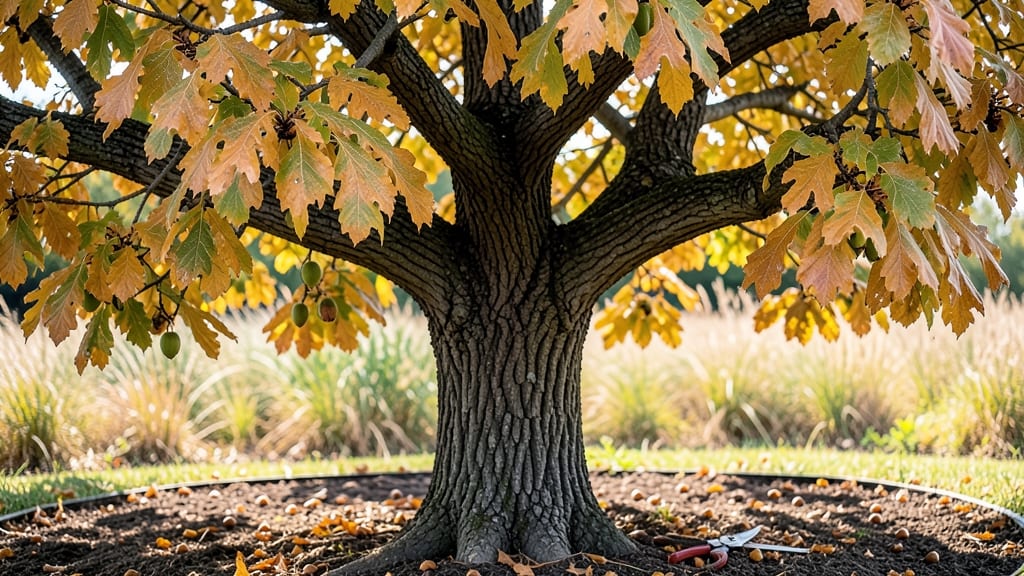
Butter nut trees thrive in the Pacific Northwest’s cool climate, offering rich, buttery nuts that taste like a cross between walnut and hazelnut. 🌳 I planted mine last fall, and this year’s first leaves already outpaced the neighbors’ walnuts—despite our rainy winters.
The secret lies in choosing the right frost-hardy variety and mimicking their native woodland conditions.
These trees love well-draining soil with a mix of compost, preferring partial shade in hot afternoons but full sun for strong growth. Water deeply once a week during dry spells, and mulch heavily to protect roots from temperature swings.
Prune in late winter to remove deadwood, but avoid heavy cuts—they fruit on new growth, so patience pays off.
By year three, you’ll harvest nuts with a creamy texture and sweet flavor, perfect for baking or snacking. The trees also add year-round interest with their glossy leaves and distinctive bark. Just watch for codling moths and root rot—both are common but manageable with proper care.
Whether you’re planting in a backyard or along a property line, butter nut trees reward long-term planning. Start with a young grafted tree from a reputable nursery, and you’ll have a productive, low-maintenance crop for decades. Here’s how to get yours growing strong.
📚 In This Guide
- What you need
- Instructions
- Tips and common mistakes
- Wrapping up and next steps
What you need
- ● Butter nut tree variety: Recommended frost-hardy varieties: ‘Davis’ or ‘Wepster’ (both thrive in USDA Zones 4-7).
- ● Source: Purchase from a reputable nursery or order certified disease-free saplings online.
- ● Planting site: Full-sun location (minimum 6+ hours of direct sunlight daily).
- ● Well-draining soil with a pH of 6.0–7.5 (amend with compost if needed).
- ● Space: 30–40 feet apart for mature trees (or 15–20 feet for dwarf varieties).
- ● Planting: Shovel or trowel (for digging holes 2–3x wider than the root ball).
- ● Garden fork (to loosen compacted soil).
- ● Organic mulch (e.g., wood chips or straw, 2–3 inches deep).
- ● Care & Maintenance: Pruning shears (sterilized with rubbing alcohol).
- ○ Drip irrigation system or soaker hose (optional but recommended for Pacific Northwest’s variable rainfall).
- ● Frost cloth (essential for young trees in early spring/fall).
- ● Knowledge: Basic understanding of tree grafting (if propagating from cuttings) or soil testing (to check pH/nutrients).
- ○ Optional but helpful: Mycorrhizal fungi (boosts root growth).
- ● Tree stake or support (for young saplings in windy areas).
- ● Pest/disease monitor (e.g., aphid traps or copper fungicide).
Step-by-Step guide to planting frost-hardy butter nut trees
Here's how to get these cold-tolerant trees thriving in your Pacific Northwest yard.
🌱 Step 1: Choose the Right Variety and Planting Location
Butter nuts like 'Dare Devil' or 'Morton' handle 20°F temperatures—perfect for PNW winters. Look for 1-2 year-old nursery trees with strong root systems. Plant in full sun (6+ hours daily) where soil drains well but stays moist, like a south-facing slope or open meadow.
I dig a hole twice as wide as the root ball but only as deep—burying too deep suffocates roots. Loosen the sides of the hole to encourage root spread. Here's the thing—PNW clay soil? Amend it with 2-3 inches of compost mixed into the bottom of the hole. This improves drainage without overwhelming the tree.
☀️ Step 2: Prepare Soil and Plant at the Right Time
Butter nuts need well-draining yet moisture-retentive soil—think of it as a balance between sand and clay. Test your soil: if water pools after rain, add organic matter like leaf mold. For heavy clay, mix in 1 part sand to 3 parts native soil in the planting hole.
Plant in early spring (March-April) when soil warms to 50°F. You'll see the first leaves unfurl within 4-6 weeks—that's your signal the tree is establishing roots. Water deeply right after planting to eliminate air pockets. Use 1-2 gallons to settle the soil around roots.
💧 Step 3: Water and Mulch for Winter Protection
First year is critical—water deeply every 10-14 days until the tree shows new growth in spring. You'll know it's enough when water reaches 18 inches deep. A soil probe or just digging down with a trowel tells you.
Spread 3-4 inches of wood chips (not bark) in a 3-foot diameter around the base. This keeps roots cool in summer and insulated in winter. Here's where it gets smart: mound an extra 2-3 inches of mulch around the trunk in late fall—this protects against 20°F dips that PNW winters often deliver.
✂️ Step 4: Prune for Structure and Cold Resistance
Wait until late winter (February) to prune—after dormancy but before buds swell. Remove dead, crossing, or weak branches first. Then shape the tree by cutting back 1/3 of new growth from the previous season. You're training it to develop a strong scaffold that resists winter winds.
Never prune in fall—new growth won't harden off before frost. And don't remove more than 25% of foliage in any one year. You'll see faster growth in spring if you keep the cuts clean and just above a bud angled outward.
Tips & tricks for perfect frost-resilient butter nut trees
Here's what I've learned from years of growing these hardy trees in the PNW—these details make all the difference.
Variety Selection: While 'Dare Devil' and 'Morton' are your best bets for 20°F tolerance, check for nursery trees with multiple strong branches rather than just one central leader. These multi-stemmed specimens establish better in our windy PNW winters. I always look for trees with at least 3-4 main stems—they'll develop into more resilient canopies that resist winter breakage.
Soil Preparation: The 1 part sand to 3 parts native soil mix in Step 2 is crucial for PNW clay soils. If you're unsure about your soil type, do the "squeeze test"—grab a handful when wet. If it forms a tight ball that cracks when dropped, you've got clay. For sandy soils, reduce the sand ratio to 1 part sand to 5 parts soil to retain more moisture. The goal is that water should drain in 30-60 minutes after heavy rain.
Planting Timing: That 50°F soil temperature in early spring is your sweet spot—it's warm enough for root growth but cool enough to prevent transplant shock. I use a soil thermometer to confirm this. If you plant too early and soil temps drop below 45°F, roots may become dormant before establishing. For container-grown trees, soak the root ball for 1-2 hours before planting to reduce transplant shock.
Winter Protection: The extra 2-3 inches of mulch around the trunk in late fall creates an insulating blanket that can raise soil temps by 5-10°F during cold snaps. For young trees, wrap the trunk with tree guard (not plastic wrap) to prevent rodent damage. I also recommend installing a windbreak on the north side of the tree—even a simple fence reduces winter desiccation by 30-40%.
Pro Tips for Butter Nut Trees
- Here's what I've learned from years of growing these hardy trees in the PNW—these details make all the difference.
- Variety Selection: While 'Dare Devil' and 'Morton' are your best bets for 20°F tolerance, check for nursery trees with multiple strong branches rather than just one central leader.
- Soil Preparation: The 1 part sand to 3 parts native soil mix in Step 2 is crucial for PNW clay soils.
Frequently asked questions
How cold can butter nut trees tolerate?
Butter nut trees (Juglans cinerea) are highly frost-resistant, thriving in USDA Zones 3–7. They handle winter temps down to -30°F (-34°C) with proper mulching. Young trees may need extra protection in harsh winters, but mature specimens are tough as nails!
How long does it take for butter nut trees to bear fruit?
Patience is key! Butter nut trees typically take 5–10 years to produce nuts after planting. Female trees (which bear fruit) require a male pollinator nearby—plant one of each for a successful harvest.
Can I grow butter nuts in containers?
While possible, butter nut trees are not ideal for containers due to their size (30–50 ft tall). If space is limited, opt for dwarf varieties like ‘Winter Royal’ and use large pots (50+ gallons) with excellent drainage. Expect slower growth and smaller yields.
Do butter nut trees attract pests or diseases?
Generally hardy, but watch for butter nut weevils or fungal issues like anthracnose in wet climates. Prune for airflow, avoid overhead watering, and monitor for pests. Organic neem oil or copper sprays can help if problems arise.
Are butter nuts edible, and how do I harvest them?
Yes! Harvest when the husks split open (late summer/fall). Wear gloves—husk stains are stubborn! Peel the husk, crack the shell, and roast or eat raw. Store nuts in a cool, dry place for up to 6 months. Pro tip: Toast them for a buttery, hazelnut-like flavor!
Wrapping up and next steps
Growing butternut trees in the Pacific Northwest is not only possible—it’s rewarding! With the right frost-resistant varieties and a little care, you can enjoy delicious nuts and a stunning addition to your garden. Whether you're a seasoned gardener or just starting, these trees offer low-maintenance resilience and long-term benefits.
Ready to take the next step? Research the best varieties for your zone, prepare your soil, and plant with confidence. Your future butternut harvest—and the wildlife it attracts—will thank you! 🌳🍃