
Pruning
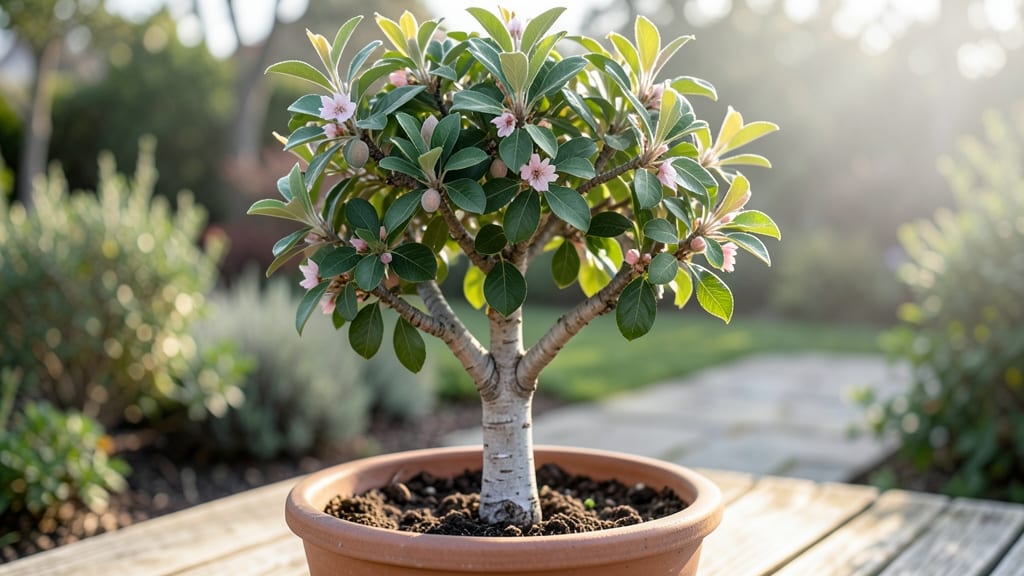
Growing a miniature almond tree in your backyard or container is simpler than you’d think—these dwarf varieties pack all the charm of full-sized trees into a space that fits your patio or small garden. 🌱 I’ve grown mine for three years now, and the key is treating it like a delicate houseplant at first, then gradually hardening it off for outdoor life.
The first year, my tree stayed under 3 feet tall, but with proper pruning, it’s now a sturdy 5-foot centerpiece that produces tiny, edible almonds every spring.
The secret to keeping it compact? Pruning in late winter before new growth starts, and using a well-draining soil mix with sand or perlite.
These trees need full sun (at least 6-8 hours daily) and watering only when the top inch of soil feels dry—overwatering is the fastest way to kill them.
I’ve found that container-grown trees need repotting every 2-3 years to prevent root bound, and they thrive in 15-20 gallon pots if you’re not planting in the ground.
By summer, you’ll see glossy green leaves and delicate pink blossoms that fill the air with fragrance—even if the almonds are too small to eat, the ornamental value is unbeatable. The trade-off?
They’re frost-sensitive, so in colder zones, you’ll need to bring potted trees indoors before temperatures drop below 20°F. With the right care, your miniature almond tree will reward you with years of low-maintenance beauty and the occasional edible surprise.
Perfect for urban gardeners, small yards, or anyone who loves the idea of a fruit tree without the space commitment. Let’s get yours thriving—here’s exactly how to make it happen.
📚 In This Guide
- What you need
- Instructions
- Tips and common mistakes
- Wrapping up and next steps
What you need
- ● Dwarf almond tree sapling – Choose a certified Prunus dulcis variety (e.g., 'Nonpareil' or 'Freet' for compact growth). Ensure it’s disease-resistant.
- ● Well-draining potting soil – A mix of 50% cactus/succulent soil, 30% perlite, and 20% compost (10–15 lbs per 5-gallon pot).
- ● 5–7 gallon pot – With drainage holes (terracotta or fabric pots work best).
- ● Balanced fertilizer – Slow-release 10-10-10 or organic options like fish emulsion (1 tbsp per gallon of water).
- ● Pruning shears – Sharp, bypass-style shears (sterilized with rubbing alcohol).
- ○ Rooting hormone – Optional but helpful for propagating cuttings (e.g., Clonex gel).
- ● Gloves – Heavy-duty gardening gloves to protect from thorns.
- ● Spray bottle – For misting leaves (especially in dry climates).
- ● Mulch (gravel or bark) – Helps retain moisture and regulate soil temp.
- ● pH test kit – Ideal soil pH for almond trees: 6.0–7.5.
- ● Sunlight meter – Ensures your tree gets 6–8 hours of full sun daily.
Step-by-step guide for growing a thriving miniature almond tree
Here's how to nurture your dwarf almond tree into a healthy, fruit-bearing treasure.
🪴 Step 1: Choose the Right Container and Soil Mix
Start by selecting a 12-15 gallon container with drainage holes—dwarf almonds need room for roots but can't tolerate soggy feet. I use a well-draining potting mix blended with 20% perlite or coarse sand to prevent compaction. This keeps roots aerated and mimics the rocky soils these trees prefer in their native habitats.
Fill the container two-thirds full with your prepared mix, then tap the sides gently to settle it. Avoid packing it down too firmly—you want the soil to stay loose enough for roots to spread easily. The first few inches at the bottom should be the coarsest mix to ensure proper drainage.
☀️ Step 2: Plant and Position for Optimal Light
Place your dwarf almond tree in the center of the container, ensuring the root ball sits 1 inch below the rim. Gently backfill with the remaining soil mix, pressing lightly around the edges to eliminate air pockets. Water immediately after planting to help settle the soil and remove any air gaps around the roots.
Position your tree in a spot with full sun exposure (6-8 hours daily)—this is non-negotiable for almond trees. A south-facing window works for indoor growing, but outdoor placement in a sheltered location with afternoon shade in hot climates prevents leaf scorch. You'll notice new growth within 4-6 weeks if light conditions are right.
💧 Step 3: Establish a Consistent Watering Routine
Water your miniature almond tree deeply once a week during the growing season, allowing the top 2-3 inches of soil to dry out between waterings. Overwatering is the fastest way to kill these trees—yellowing leaves or wilting are your first warning signs. I use a moisture meter to check soil dryness, but sticking your finger 1-2 inches deep works just as well.
Reduce watering to every 2-3 weeks in winter when growth slows. Almond trees are drought-tolerant once established, but young trees need consistent moisture to develop strong roots. Always water at the base rather than overhead to prevent fungal diseases that thrive in damp foliage.
✂️ Step 4: Prune for Shape and Health
Prune your dwarf almond tree once in late winter (before new growth begins) and again in early summer after flowering. Remove any dead, crossing, or inward-growing branches first—these compete for energy and block airflow. I also cut back any branches that are growing too close to the ground to maintain an open, airy shape.
For shaping, focus on maintaining a balanced canopy by trimming back the longest branches by one-third. This encourages bushier growth and prevents the tree from becoming top-heavy. Always use sterilized pruning shears and make cuts just above a leaf bud or branch junction to promote healthy regrowth.
🌿 Step 5: Fertilize and Monitor for Pests
Feed your miniature almond tree with a balanced 10-10-10 fertilizer in early spring and again in mid-summer, using half the recommended strength. These trees are light feeders—too much fertilizer leads to excessive leaf growth at the expense of fruit production. Water thoroughly after each feeding to prevent root burn.
Check leaves regularly for signs of pests like aphids or spider mites, which love the tender new growth. A strong spray of water usually removes aphids, while neem oil applied every 2 weeks keeps mites at bay. Healthy trees rarely have major pest issues, but early intervention prevents infestations from spreading.
Tips & tricks for perfect miniature almond tree care
These simple strategies will help your dwarf almond tree thrive in its compact space.
Container Selection: If you're using a decorative pot without drainage holes, add a layer of pebbles or broken pottery at the bottom to create a drainage layer. This mimics natural rocky soils and prevents root rot, which is especially critical for container-grown trees. I've had success with terracotta pots—they breathe better than plastic and help regulate soil moisture.
Light Optimization: During winter months when sunlight is limited, supplement with a grow light placed 12-18 inches above the tree for 6-8 hours daily. LED grow lights are energy-efficient and won't generate excess heat. Position it to cover the entire canopy evenly, and adjust height as the tree grows to maintain proper light exposure.
Watering Technique: When checking soil moisture with your finger, press firmly—dwarf almond roots prefer slightly drier conditions than many other plants. The soil should feel like a wrung-out sponge at the 1-2 inch depth. I've learned the hard way that overwatering causes more problems than underwatering, especially in the winter months when growth slows.
Pruning Strategy: When shaping your tree in Step 4, focus on creating an open center that allows sunlight to reach all branches. This encourages fruit production in mature trees. I like to prune just after flowering in early summer to avoid cutting off potential fruit buds. Always sterilize your tools with rubbing alcohol between cuts to prevent disease transmission.
Pro Tips for Miniature Almond Tree
- These simple strategies will help your dwarf almond tree thrive in its compact space.
- Container Selection: If you're using a decorative pot without drainage holes, add a layer of pebbles or broken pottery at the bottom to create a drainage layer.
- Light Optimization: During winter months when sunlight is limited, supplement with a grow light placed 12-18 inches above the tree for 6-8 hours daily.
Frequently asked questions
Got questions about keeping your miniature almond tree happy and thriving?
Here are answers to the most common concerns—from pruning to placement—so you can enjoy compact, almond-producing beauty without the fuss!
How often should I prune a miniature almond tree?
Prune your miniature almond tree twice a year: once in late winter or early spring (before buds swell) to shape the tree and remove dead wood, and again in summer (after harvest) to encourage new growth. Avoid heavy pruning in fall—it can stress the tree before winter dormancy.
Can a miniature almond tree survive indoors?
While possible, outdoor placement is ideal—these trees need full sun (6+ hours/day) and well-draining soil. If indoors, position near a south-facing window and supplement with a grow light (12+ hours/day). Expect slower growth and fewer almonds compared to outdoor care.
Why aren’t my miniature almond tree’s leaves turning green?
Yellow or pale leaves often signal nutrient deficiencies (like nitrogen) or overwatering. Check soil moisture—it should be dry to the touch 1–2 inches down. Feed with a balanced fertilizer (10-10-10) in early spring, and ensure proper drainage. Pro tip: Test soil pH (ideal: 6.0–7.5) if issues persist.
When will my miniature almond tree produce almonds?
Patience is key! Most dwarf varieties take 3–5 years to bear fruit, with full production at 5–7 years. Ensure cross-pollination (plant two trees of different varieties nearby) and protect blossoms from late frosts (use frost cloth if needed). Fun fact: Miniature trees yield tiny almonds (edible but not commercial-sized).
What’s the best alternative if I don’t want to deal with almonds?
Consider ornamental dwarf fruit trees like peach, fig, or plum varieties (e.g., ‘Bonanza’ peach or ‘Improved Meyer’ lemon). They offer year-round interest (flowers, fruit, or foliage) with similar care needs. For zero-maintenance, try dwarf olive trees—they’re drought-tolerant and stunning!
Wrapping up and next steps
Growing a miniature almond tree is a rewarding journey that combines patience, care, and a touch of creativity! With the right dwarf variety, proper pruning techniques, and a little attention to detail, you can enjoy compact, productive trees that thrive in even the smallest spaces.
Whether you're a beginner or a seasoned gardener, the key is consistency—trimming at the right times, providing adequate sunlight, and keeping an eye out for pests or diseases.
Ready to take the next step? Start small—plant your dwarf almond tree, set up a care routine, and watch it flourish! And if you’re feeling inspired, why not share your progress with fellow gardening enthusiasts? Happy growing! 🌱✨