
Pruning
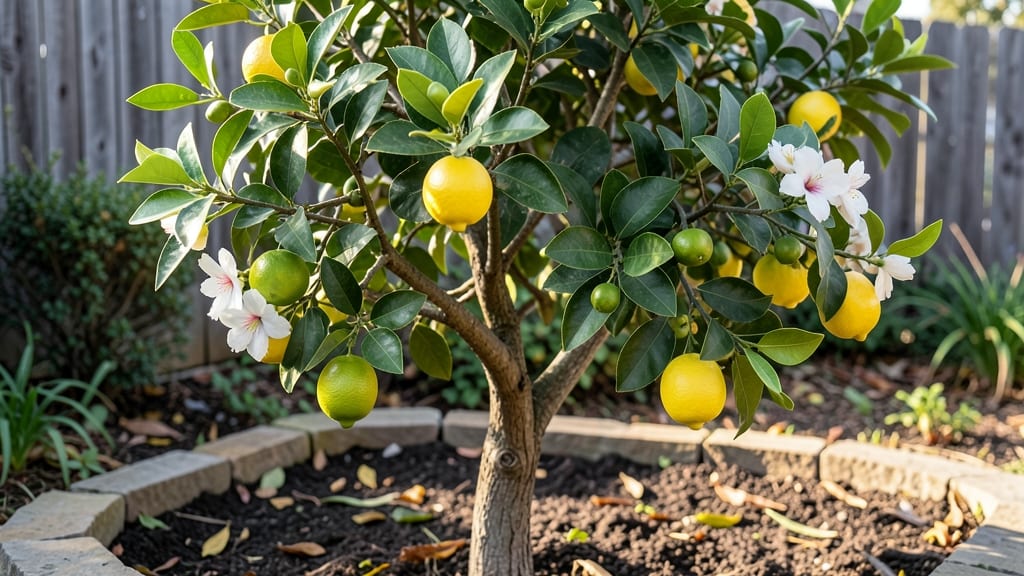
Those delicate lemon tree fruit buds sprouting in late winter hold the key to your harvest—timing and precision now will decide whether you’ll end up with a handful of lemons or a bountiful crop. 🌱 fruit or a branch-bending bounty.
The buds form where last year’s growth meets this year’s new shoots, and your pruning choices now will either encourage or discourage their development.
You’ll need sharp pruners, a clear day, and about 30 minutes to assess your tree’s structure. The goal isn’t just to trim—it’s to open the canopy to sunlight while preserving the energy stored in last year’s wood.
I’ve seen trees go from sparse budding to heavy fruit loads just by making a few strategic cuts in February, before the new growth starts.
What you’ll achieve is a tree that bursts with fruit in late summer, not just a few scattered lemons.
The buds will swell into bright green blossoms by spring, and with proper care—balanced watering, occasional feeding, and protection from late frosts—you’ll watch those flowers transform into the sweet, tangy fruit you’ve been dreaming of. The payoff comes in patience and attention to detail.
This method works for both dwarf and standard lemon trees, whether you’re growing in containers or in-ground. The key is adapting your approach based on your tree’s size and your climate’s last frost date. Let’s get those buds thriving!
📚 In This Guide
- What you need
- Instructions
- Tips and common mistakes
- Wrapping up and next steps
What you need
- ● Bypass pruning shears – Sharp, clean, and sterilized (for cuts under ½ inch in diameter). Quantity: 1.
- ● Loppers – For thicker branches (½ to 1½ inches). Quantity: 1.
- ● Hand pruners (felco or equivalent) – For precision cuts on small branches. Quantity: 1.
- ● Disinfectant (70% isopropyl alcohol or 10% bleach solution) – To sterilize tools between cuts.
- ○ Pruning sealant (optional but helpful) – For larger cuts to prevent disease.
- ● Garden gloves – Thick, cut-resistant (e.g., nitrile-coated).
- ● Ladder or sturdy step stool – If your tree is over 6 feet tall.
- ● Heavy-duty trash bags – For collecting pruned branches.
- ● Permanent marker & tape measure – For marking cuts and measuring branch sizes.
- ● Sharpener (file or whetstone) – To keep blades razor-sharp mid-session.
- ● Compost bin or mulch – To recycle pruned branches.
- ● Sun hat & sunscreen – For comfort during outdoor work.
- ● Notebook & pen – To sketch your tree’s structure post-prune.
How to prune lemon trees for maximum fruit buds
Late-winter shaping sets the stage for a summer full of blossoms—and eventually, those sweet, tart lemons.
✂️ Step 1: Gather Tools and Assess the Tree
Start with clean, sharp pruning shears and a pair of gloves—citrus sap can irritate skin. I like to work on a dry day when the tree is dormant; you’ll see where last year’s growth ended and new buds are forming. Look for thick, woody branches that cross or rub against each other—these compete for energy and should go first.
Run your fingers along the branches to feel for small, swollen buds hidden in the leaf axils. These are your future fruit producers. Mark them mentally—they’re your priority when trimming. Avoid cutting into old wood unless it’s dead or diseased; lemon trees fruit best on new growth.
🌿 Step 2: Remove Dead, Diseased, or Crowded Growth
Cut out any branches that are brown, brittle, or devoid of leaves—these won’t produce fruit and can harbor pests. Make your cuts just outside the branch collar, the swollen area where the branch meets the trunk. This ensures the tree seals the wound properly and prevents rot.
Next, tackle branches that grow inward or cross others. Lemon trees need good airflow to prevent fungal issues, so open up the canopy. I always step back after each cut to visualize the shape—aim for an open vase form that lets sunlight reach the center. Thin out crowded areas by removing every other branch until you see light filtering through.
☀️ Step 3: Shape for Light and Airflow
Now focus on the tree’s structure. Lemon trees fruit best on branches that receive full sun, so prune to encourage an open, airy shape. Cut back overgrown branches by about one-third to stimulate new, fruiting growth. Avoid heavy pruning—more than 25% of the canopy at once stresses the tree.
Pay special attention to the lower branches. If they’re shading the trunk, remove them to keep the bark dry and reduce disease risk. I like to leave a few lower branches if they’re healthy, as they can produce fruit early in the season. Just don’t let them block sunlight from reaching the upper branches.
⏰ Step 4: Stimulate New Growth with Strategic Cuts
To encourage fruit buds, make outside-the-bud cuts on branches that have produced fruit before. Cut just above a leaf node where you see a small bump—a potential flower bud. This redirects the tree’s energy toward new growth and future blossoms.
For branches that are too long, shorten them back to a strong lateral branch. You’ll see new shoots emerge from these cuts in spring, and those will be your fruit-bearing wood. Avoid cutting into old, bare wood—it won’t regrow. If you’re unsure, err on the side of caution and leave it.
💧 Step 5: Clean Up and Monitor for New Growth
After pruning, rake up all the debris and dispose of it away from the tree. This prevents pests and diseases from taking hold. I like to spray the cuts with a 1:10 water-and-bleach solution to sterilize them, but only if the tree looks stressed or the area is prone to fungal issues.
Water the tree deeply right after pruning to help it recover. In 4-6 weeks, you’ll see new growth sprouting from the cuts—this is your signal that the tree is healing. Watch for small, green buds forming in the leaf axils; these will bloom into flowers by late spring, setting the stage for your harvest.
Tips & tricks for pruning lemon trees for maximum fruit buds
Late-winter pruning transforms your lemon tree from a tangled mess into a fruit-producing powerhouse. Here's what I've learned after years of trial and error in my own backyard.
Timing is Everything: Late winter—when the tree is still dormant but buds are starting to swell—is the perfect window. I aim for late February to early March in most climates, just before the first signs of new growth. This timing gives your tree time to recover before summer heat arrives, while still encouraging those critical flower buds. If you miss this window, don't panic—early spring pruning still works, but you might sacrifice some fruit production.
Visual Cues Over Rules: In Step 1, when you're feeling for those swollen buds, look for tiny bumps about the size of a pencil eraser. These are your future fruit producers! I always make a mental map of where they're located—this helps me avoid cutting them off later. Remember, lemon trees fruit on new growth, so we're working with what nature's already started. If you're unsure whether to cut a branch, step back and visualize how sunlight will reach the center after your cuts.
Pruning Technique That Prevents Mistakes: When cutting branches in Step 2, make sure your pruning shears are at a 45-degree angle just outside the branch collar. This angled cut prevents water from pooling on the wound, which could lead to rot. I also recommend using bypass pruners rather than anvil pruners—they make cleaner cuts that heal faster. For branches thicker than your wrist, consider using a pruning saw. And here's a pro move: after each cut, wipe your shears with rubbing alcohol to prevent spreading disease between cuts.
Post-Pruning Care That Makes All the Difference: After you've finished pruning, don't just walk away! The 4-6 week monitoring period is crucial. I set up a simple calendar reminder to check for new growth every two weeks. During this time, I also make sure to water deeply once a week unless we've had recent rain. The key is to help your tree recover while encouraging those new shoots that will become your fruit-bearing wood. If you notice any yellowing leaves or unusual spots, that's your signal to investigate potential issues before they become serious.
Pro Tips for Lemon Tree Fruit Buds
- Late-winter pruning transforms your lemon tree from a tangled mess into a fruit-producing powerhouse.
- Timing is Everything: Late winter—when the tree is still dormant but buds are starting to swell—is the perfect window.
- Visual Cues Over Rules: In Step 1, when you're feeling for those swollen buds, look for tiny bumps about the size of a pencil eraser.
Frequently asked questions
When do lemon tree fruit buds actually appear?
Lemon tree fruit buds typically form in late winter (January–February in most climates) as the tree breaks dormancy. Look for small, rounded swellings along the branches—these are your future lemons! Buds may also appear after heavy pruning or after the tree receives consistent warmth and sunlight. Pro tip: If buds don’t emerge by early spring, check for pests, overwatering, or nutrient deficiencies.
How long does it take for buds to turn into lemons?
Once buds form, it takes about 6–9 months for them to develop into ripe lemons, depending on your climate and tree variety. In warmer regions, you might see fruit by summer; cooler areas may extend this timeline. Patience is key—healthy buds = bigger harvests!
Can I prune lemon trees after buds have formed?
Yes, but lightly! Avoid heavy pruning once buds appear, as this can stress the tree and reduce fruit production. Focus on removing only dead, diseased, or crossing branches. If you must prune, do so early in the budding season (late winter) and avoid cutting into bud clusters. Think of it like trimming your hair—less is more!
What if my lemon tree has no fruit buds this year?
Don’t panic! Several factors could be at play:
- Age: Young trees (under 3 years) may not produce buds yet.
- Light: Lemon trees need 6–8 hours of sunlight daily.
- Nutrients: Feed with citrus-specific fertilizer in early spring.
- Dormancy: Some trees delay budding until temperatures stabilize.
Can I force lemon trees to produce more buds?
While you can’t force buds, you can optimize conditions for better production:
- Prune in late winter to encourage new growth.
- Ensure well-draining soil and consistent moisture (but not soggy!).
- Apply a balanced fertilizer (high in nitrogen early, then shift to phosphorus/potassium).
- Consider hand-pollinating flowers with a small brush if your tree lacks bees.
Wrapping up and next steps
Caring for your lemon tree’s fruit buds in late winter isn’t just about pruning—it’s about setting the stage for a flavorful, abundant harvest 🌱. By following the right techniques, you’ll encourage stronger growth, better airflow, and those coveted lemons you’ve been dreaming of.
Now that you’re armed with the knowledge, there’s no time like the present to grab those shears and get trimming!
Ready to transform your lemon tree into a fruit-bearing powerhouse? Start by scheduling your next pruning session on a mild, dry day—your tree (and future lemonade!) will thank you. 🍋✨