
Pruning
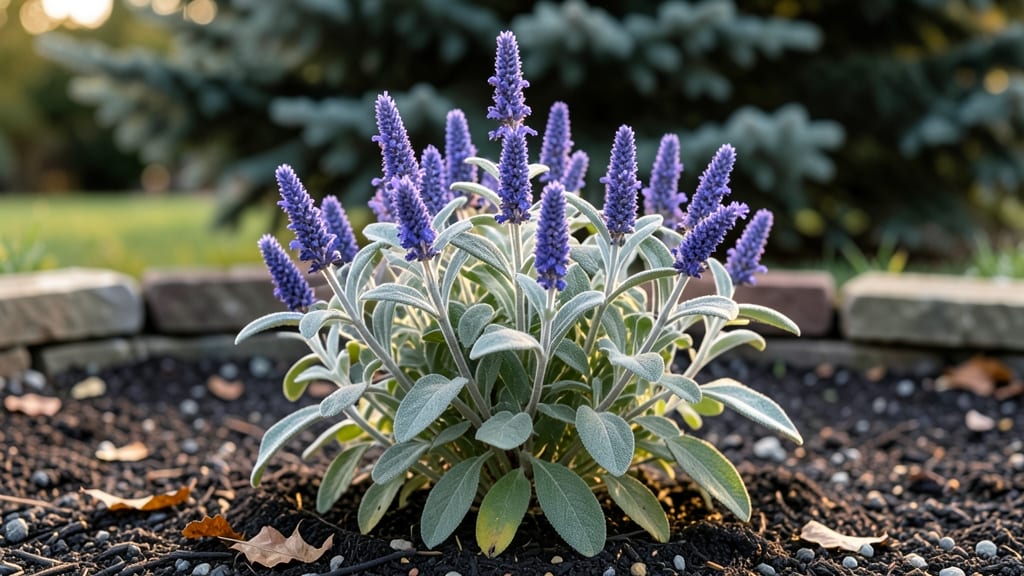
Pruning your Mexican sage tree (Salvia leucantha) transforms it from a tattered winter skeleton into a lush, velvety canopy by spring. 🌿 I’ve watched mine go from ragged brown stems to a 6-foot-tall cloud of purple with just the right cuts—and the Pacific Northwest’s damp winters make this revival especially satisfying.
The key isn’t just when to cut but how: aggressive pruning in early spring forces fresh growth, while gentle shaping in late summer keeps it compact.
You’ll need sharp pruners, a ladder (for taller trees), and a clear morning to work—cloudy days prevent stress on freshly cut stems. Mexican sage thrives in zones 8-11 but surprises even in cooler PNW microclimates if you prune back hard enough to protect tender new shoots.
The soil? Well-draining and slightly alkaline is ideal, but this plant’s drought tolerance means it forgives more than most.
By late June, your tree will reward you with velvety purple blooms that attract hummingbirds and bees like a magnet. The foliage stays silvery-green all season, and if you prune lightly after flowering, you’ll encourage a second flush of blooms before winter.
Even in rainy PNW summers, this tree stays vibrant—just avoid overwatering, and it’ll bounce back every time.
Works in containers too, making it perfect for patios or small yards. The secret? Prune after the first hard frost in fall to clean up dead growth, then go heavy in early spring.
Your neighbors will wonder how you keep yours looking so effortlessly lush—while you’re sipping coffee and admiring your handiwork.
📚 In This Guide
- What you need
- Instructions
- Tips and common mistakes
- Wrapping up and next steps
What you need
- ● Pruning shears: Sharp, bypass-style shears (for clean cuts on small branches). Quantity: 1 pair.
- ● Loppers: Heavy-duty, 8-10 inch loppers (for thicker branches, ½–1 inch in diameter). Quantity: 1 pair.
- ● Pruning saw: Curved-tooth saw (for stubborn, woody branches). Quantity: 1.
- ● Disinfectant: 70% isopropyl alcohol or bleach solution (1 part bleach to 9 parts water) (to sterilize tools between cuts and prevent disease). Quantity: Small bottle or spray.
- ● Garden gloves: Cut-resistant gloves (to protect hands from thorns and rough bark). Quantity: 1 pair.
- ● Heavy-duty trash bags: 13-gallon or larger (for collecting pruned branches). Quantity: 2–3 bags.
- ● Ladder: Sturdy, extendable ladder (if your tree is taller than 6–8 feet). Height: Reach at least 10–12 feet.
- ● Hand pruners: For tiny twigs (if you prefer precision over shears). Quantity: 1 pair.
- ● Tree wound dressing: (Only if you’re sealing large cuts—controversial in PNW; skip unless advised by a local arborist!).
- ● Work boots: With ankle support (for stability on uneven ground).
- ● Safety goggles: (To shield eyes from debris).
- ● Notebook & pen: (To jot down notes on branch placement or growth patterns).
Step-by-Step instructions for reviving your Mexican sage tree after winter
Here’s how to coax your cold-hardy Mexican sage back to full, sunlit glory—without cutting more than necessary.
✂️ Step 1: Assess Winter Damage Before Pruning
Wait until late winter or early spring when new growth begins—typically after your last frost date. Look for brown, brittle branches first. These are dead and need removal, but don’t panic if some green remains. The tree’s natural resilience will kick in once pruning begins.
Use clean, sharp pruning shears to cut just above a leaf node where green growth appears. Avoid cutting into old wood—you’ll know it’s the right spot when you see a small bump or bud. If you’re unsure, make a small cut and check the color inside the branch. Green means life; brown means it’s gone.
🌿 Step 2: Thin the Canopy for Better Airflow
Mexican sage thrives with open airflow, so focus on thinning rather than just trimming. Start at the center of the tree and remove up to one-third of the oldest, thickest branches. These are often the ones that block sunlight from reaching the inner canopy. Cut back to a side branch or outward-facing bud to encourage outward growth.
Step back frequently to visualize the shape. You want a rounded, natural silhouette—not a flat-topped hedge. If branches are crossing or rubbing, remove the weaker one. This prevents future damage and gives your tree room to breathe, which is critical for Pacific Northwest winters.
☀️ Step 3: Encourage New Growth with Strategic Cuts
For branches that still show signs of life but are leggy or overgrown, cut back to just above a set of healthy leaves or buds. Avoid leaving stubs—always make clean cuts at a 45-degree angle if you’re cutting larger branches. This helps water run off and prevents rot.
If your tree looks particularly sparse, you can lightly prune the outer edges to encourage bushier growth. Focus on the tips of branches rather than hacking into the center. New growth will emerge within 4-6 weeks, signaling your tree is recovering. Watch for fresh, vibrant green leaves—this is your cue that the pruning is working.
💧 Step 4: Post-Pruning Care for Strong Recovery
Water deeply right after pruning to help the tree recover. The roots will need moisture to support new growth, especially if winter dried out the soil. Mulch around the base with 2-3 inches of organic mulch (like shredded bark) to retain moisture and protect roots from temperature swings.
Hold off on heavy fertilizing for now—your tree doesn’t need extra nutrients right after pruning. Instead, monitor for signs of stress like yellowing leaves or wilting. If you see these, adjust watering and give the tree a few more weeks to adjust. Once new growth appears, you can apply a balanced fertilizer in early spring.
Tips & tricks for perfect Mexican sage tree pruning
Here’s what nobody tells you about bringing your Mexican sage back to life after winter—without overcutting or stressing the tree.
Timing is Everything: The instructions mention waiting until late winter or early spring, but I can’t stress enough how critical this is. If you prune too early, you risk encouraging new growth that could be damaged by late frosts. Check your local frost dates and wait until you’ve seen at least 3-4 days of consistent temperatures above freezing. This gives your tree the best chance to recover without stress.
The Right Tools Make All the Difference: Don’t just grab any pruning shears—use clean, sharp bypass pruners for branches under ½-inch thick. For thicker branches, switch to loppers or a pruning saw. Dull tools crush branches, which can introduce disease. I always disinfect my tools with rubbing alcohol between cuts to prevent spreading any potential pathogens. This is especially important in Pacific Northwest winters when fungal spores can linger.
Visual Cues for Healthy Cuts: When you’re deciding where to cut in Step 1, look for the small bump or bud just above the leaf node. This is your target spot. If you’re unsure, make a tiny cut and peek inside—green means life, brown means it’s dead. Another trick I use is to look for the slight swelling where new growth will emerge. This ensures you’re cutting at the perfect spot to encourage regrowth, not just hacking randomly.
Post-Pruning Recovery Hack: After you’ve finished pruning, give your tree a deep watering right away. The roots will need that moisture to support the new growth you’ve just encouraged. I also like to add a 1-inch layer of wood chips around the base (in addition to the 2-3 inches of mulch) to help retain moisture and regulate soil temperature. This extra layer can make a big difference in our damp Pacific Northwest climate.
Pro Tips for Mexican Sage Tree
- Here’s what nobody tells you about bringing your Mexican sage back to life after winter—without overcutting or stressing the tree.
- Timing is Everything: The instructions mention waiting until late winter or early spring, but I can’t stress enough how critical this is.
- The Right Tools Make All the Difference: Don’t just grab any pruning shears—use clean, sharp bypass pruners for branches under ½-inch thick.
Frequently asked questions
Got questions about pruning your Mexican Sage Tree (Salvia leucantha) to survive Pacific Northwest winters?
Here are some of the most common concerns—plus quick, actionable answers to keep your plant thriving.
When is the best time to prune Mexican Sage in the PNW?
The ideal window is late winter to early spring (February–March), before new growth begins. This lets you remove dead wood while avoiding frost damage. If you missed that, prune lightly in early fall—just avoid heavy cuts after September, as new growth may not harden off before winter.
How much can I trim back without killing my Mexican Sage?
You can safely remove up to ⅓ of the plant’s height in one pruning session. For mature trees, focus on shaping rather than drastic cuts—thin out crowded branches first to improve airflow. Avoid "shearing" (cutting uniformly all over), as Mexican Sage blooms on new wood and needs some structure to rebloom.
Will pruning help my Mexican Sage survive PNW winters?
Yes! Pruning removes weak, frost-damaged branches and encourages a denser, more resilient canopy. Just avoid pruning in late fall or winter—new cuts can’t heal before cold snaps. If your tree looks brown and woody after winter, wait until spring to assess damage before trimming.
What if my Mexican Sage doesn’t rebloom after pruning?
Reblooming depends on light, water, and timing. If your tree isn’t flowering, check for:
If you’re looking for low-maintenance, cold-hardy alternatives, consider:
Deadhead spent blooms in summer to encourage secondary blooms. If it’s still struggling, it might need more frequent light pruning throughout the growing season.
Can I replace Mexican Sage with a hardier alternative for the PNW?
All three are perennial, deer-resistant, and require minimal pruning compared to Mexican Sage.
Wrapping up and next steps
The Mexican sage tree thrives in the Pacific Northwest’s chilly winters—when pruned with care! By following the right techniques, you’ll ensure a lush, healthy canopy that blooms beautifully year after year. 🌿
Ready to give your tree the TLC it deserves? Grab your tools, check the weather, and schedule that pruning session—your tree (and your garden!) will thank you. Happy pruning! ✂️