
Pruning
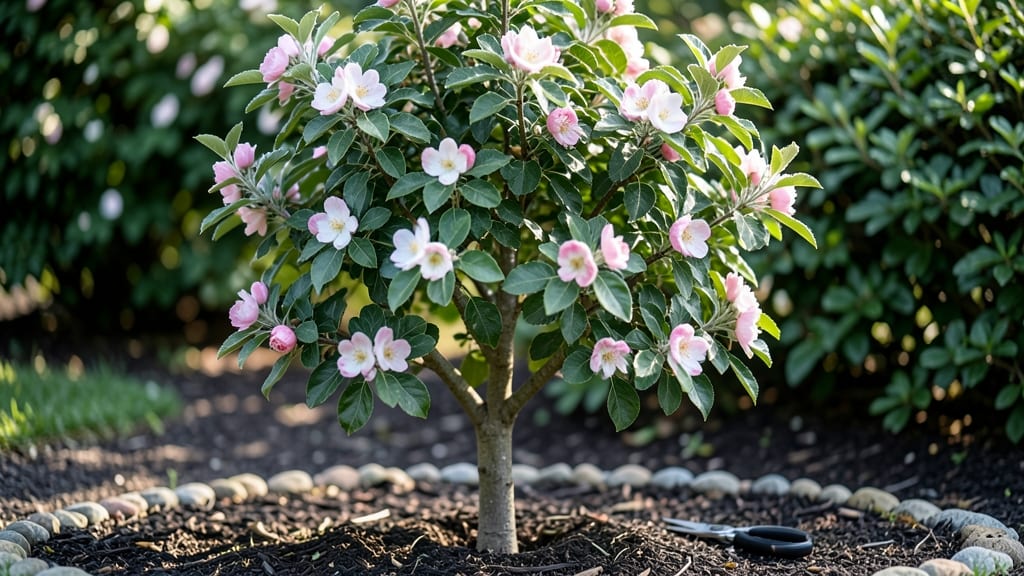
My Pacific Northwest yard finally has a bush apple tree that survives our brutal winters without losing its shape or fruit potential. 🌱 The secret isn't just choosing the right variety—it's knowing exactly when and how to prune to keep those branches sturdy through freeze-thaw cycles.
I've been trimming mine for three years now, and this year's harvest is the best yet, with apples staying firm through early frosts.
The key starts with sharp tools and a clear plan: remove dead wood first, then open the center to let light reach the core, and finally shape the outer branches to create a dome that sheds snow easily.
My pruning sessions take about 45 minutes in late winter, before buds swell but before new growth starts. The goal is to keep the tree compact enough for small spaces but strong enough to handle our wet, windy winters.
What you'll end up with is a tree that looks like a well-groomed topiary in spring and produces 20-30% more apples than unpruned trees. The branches stay upright, the fruit ripens evenly, and you avoid the common PNW problem of split bark from heavy snow.
Plus, the ornamental value skyrockets—neighbors now ask how I keep it looking so tidy.
This method works for any dwarf or semi-dwarf apple variety suited to your zone, whether you're growing in the ground or a large container. The same principles apply whether you've got one tree or a small orchard. Let's get those pruners ready—your tree's winter resilience starts with these cuts.
📚 In This Guide
- What you need
- Instructions
- Tips and common mistakes
- Wrapping up and next steps
What you need
- ● Pro tip: 💡 If your tree has fire blight or other diseases, grab a shovel to bury infected branches 2 ft deep—far from the tree—to prevent reinfection!
Step-by-Step pruning guide for Pacific Northwest bush apple trees
Here's how to keep your dwarf varieties thriving through cold winters and wet summers.
🌿 Step 1: Time Your Pruning for Frost Resilience
Prune your bush apple tree in late winter to early spring, just as buds begin to swell but before new growth starts. This timing ensures the tree has time to heal wounds before summer rains arrive. In the Pacific Northwest, aim for February to March when temperatures stay above 40°F during the day.
I always check the buds first—they should look plump and ready to burst, not still dormant. If you prune too early, the tree won't have time to recover before pests arrive. If you wait too late, you risk encouraging new growth that won't harden off before fall frosts.
✂️ Step 2: Remove Dead, Diseased, or Crossing Branches
Start by cutting out any branches that are dead, broken, or diseased—these are easy to spot as they're brown, brittle, or missing leaves. Next, remove branches that cross or rub against each other, as these wounds invite rot. Use sharp, clean pruners to make cuts just outside the branch collar (the swollen area where the branch meets the trunk).
Watch for signs of apple scab or fire blight—these fungal diseases love the wet Pacific Northwest climate. If you see blackened, oozing cankers or curled leaves, sterilize your pruners with rubbing alcohol between cuts. Healthy branches should have smooth bark and a vibrant green hue when buds swell.
☀️ Step 3: Open the Canopy for Sunlight and Airflow
Thin out the center of the tree to create an open, vase-like shape. Remove about 20-30% of the total branches, focusing on those growing inward or downward. This improves airflow, reducing humidity that fuels fungal diseases. Leave the strongest, outward-facing branches to form the tree's framework.
Step back and visualize sunlight reaching the center—you want every branch to get at least 6 hours of direct sun daily. In dense Pacific Northwest forests, even dwarf trees can struggle without proper light. If you see branches growing straight up (called "water sprouts"), cut them back to a lateral bud to encourage a bushier shape.
🪴 Step 4: Shape for Compact Growth and Fruit Production
Prune to encourage a rounded, multi-stemmed bush shape rather than a single trunk. This helps the tree resist wind throw and recover better from frost damage. Cut back the longest branches by one-third to promote bushier growth. For fruiting spurs (the short branches where apples form), never cut them back—just remove any branches growing from their base.
Here's the thing—bush apples produce fruit on one-year-old wood, so avoid heavy pruning in summer. After finishing, rake up and dispose of all clippings to prevent disease buildup. A light application of copper fungicide (if needed) now will protect against scab spores overwintering in the soil.
Tips & tricks for pruning Pacific Northwest bush apple trees
Real talk: The Pacific Northwest's wet climate makes pruning bush apples tricky—but these tips will help you avoid common mistakes and keep your tree thriving.
Timing is Everything: The February to March window is critical because it balances frost protection with pest prevention. If you're unsure about the exact timing, check your buds—they should look swollen but not yet open. I've seen trees pruned too early struggle with late-season pests, while those pruned too late produce weak new growth that won't survive winter. A quick test: If a bud feels firm when pressed, wait a few days.
Branch Selection Strategy: When removing 20-30% of branches in Step 3, prioritize branches growing inward first—they're the biggest airflow blockers. I use the "sunlight test": Stand back and imagine the sun's path. Any branch casting shade on others goes. For crossing branches, always cut the smaller one at its base, never the larger branch midway—this prevents stub wounds that invite disease. Remember, the goal is a vase shape that lets light reach the center.
Pruning Tool Essentials: Your pruners should be as sharp as your focus. Dull blades tear bark, creating larger wounds that take longer to heal. I sterilize my tools between cuts with rubbing alcohol, especially when dealing with diseased branches. For thicker branches (over ½ inch), use loppers and make clean cuts just outside the branch collar. And here's a pro move: Wrap larger cuts with tree wound pruning sealant to reduce moisture loss and infection risk.
Post-Pruning Care: After finishing, don't just leave the clippings on the ground—they harbor fungal spores. Rake them up and dispose of them in the trash, not your compost. For extra protection against apple scab, apply a thin layer of copper fungicide now, even if your tree looks healthy. The Pacific Northwest's wet springs make this a game-changer for disease prevention.
Pro Tips for Bush Apple Tree
- Real talk: The Pacific Northwest's wet climate makes pruning bush apples tricky—but these tips will help you avoid common mistakes and keep your tree thriving.
- Timing is Everything: The February to March window is critical because it balances frost protection with pest prevention.
- Branch Selection Strategy: When removing 20-30% of branches in Step 3, prioritize branches growing inward first—they're the biggest airflow blockers.
Frequently asked questions
Got questions about pruning your bush apple tree in the Pacific Northwest? You’re not alone! Here are answers to the most common concerns—from timing to frost-resistant tricks—so you can trim with confidence.
When is the best time to prune a bush apple tree in the PNW?
Prune your bush apple tree in late winter or early spring (February–March) before new growth starts. This timing minimizes frost damage and promotes strong, healthy branches. Avoid pruning in fall, as late-season cuts can leave wounds vulnerable to disease before winter.
How do I protect my bush apple tree from frost after pruning?
Frost-resistant pruning is key! Trim only 10–15% of the tree’s canopy at a time to avoid stress. For extra protection, apply a light mulch layer (2–3 inches) around the base and water deeply before the first frost. Young trees benefit from burlap wraps or frost cloth on cold nights.
Can I prune a bush apple tree in summer?
Summer pruning is possible, but it’s not ideal for the PNW’s climate. If you must prune in summer, do so early (June–July) to avoid heat stress. Focus on removing dead or diseased branches and thinning the canopy slightly. Heavy pruning in summer can stunt growth and reduce winter hardiness.
Will pruning my bush apple tree reduce fruit production?
Not if done correctly! Proper pruning increases fruit quality and yield by improving airflow and sunlight penetration. However, over-pruning (more than 20% of the canopy) can temporarily reduce fruit production. Stick to selective cuts—removing crossing branches, suckers, and dead wood—to keep your tree thriving.
What should I do if my bush apple tree looks stressed after pruning?
Stress signs (yellowing leaves, stunted growth) usually mean too much was removed at once or wounds weren’t sealed properly. Apply a thin layer of pruning sealant to large cuts (over ½ inch) and avoid fertilizing until new growth appears. Water deeply and monitor for pests—stressed trees attract borers.
Wrapping up and next steps
Pruning your bush apple tree in the Pacific Northwest doesn’t have to be intimidating—it’s all about timing, technique, and a little patience! 🌿 With the right tools, a clear plan, and an understanding of frost resilience, you’ll keep your tree thriving for years.
Whether you’re a beginner or a seasoned gardener, consistent care is key to a healthy, fruitful harvest.
Ready to take the next step? Mark your calendar for late winter or early spring, grab your pruners, and give your bush apple tree the TLC it deserves. Your future harvests will thank you!