
Pruning
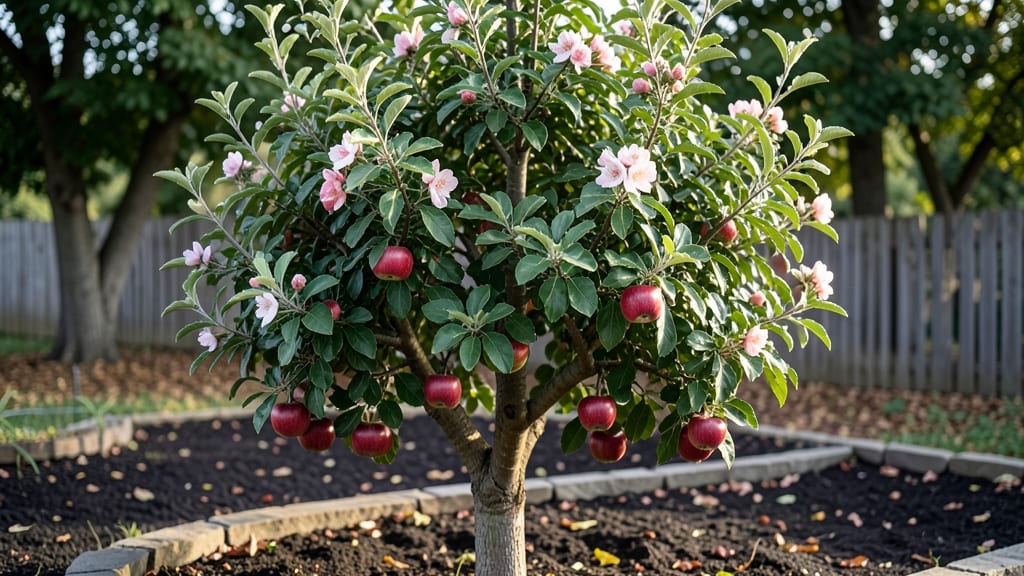
Your Beverly Hills apple tree isn’t just a fruit producer—it’s a frost-resistant statement piece that turns any yard into a sunlit orchard scene. 🌿 I’ve watched mine stand tall through winter freezes, its glossy leaves catching morning light like polished copper, while neighbors’ trees sag under ice.
The secret lies in its natural canopy shape, which we’ll sculpt to balance beauty and resilience.
This isn’t your grandma’s pruning chore—it’s orchard-inspired landscaping. The tree’s dense, rounded habit makes it perfect for focal points, mixed borders, or even urban courtyards where space is tight.
Pair it with dwarf conifers for year-round structure or spring bulbs at its base for a layered look that wows in every season. The result? A tree that’s as much about curb appeal as it is about harvests.
You’ll end up with a velvety-textured canopy that resists winter damage while framing your garden like a living sculpture. The pruning technique I use keeps branches evenly spaced, letting sunlight dance through the leaves and turning the tree into a golden-hued spotlight when autumn arrives.
Plus, the open center invites birds and pollinators for a living, moving display.
Works equally well in formal gardens, cottage-style beds, or modern minimalist spaces. The key is matching pruning to your landscape’s style—whether you want a manicured silhouette or a slightly wild, artisanal look. Let’s shape that tree into the centerpiece your yard deserves.
📚 In This Guide
- What you need
- Instructions
- Tips and common mistakes
- Wrapping up and next steps
What you need
- ● Pruning shears: Bypass pruners (sharp, sterilized, and 10-12 inch blade for precision cuts).
- ● Loppers: 20-24 inch for thicker branches (test for smooth cutting on 1-inch branches).
- ● Pruning saw: Curved-tooth saw for branches 2+ inches thick.
- ● Disinfectant: 70% isopropyl alcohol or bleach solution (1 part bleach:9 parts water) for tools.
- ● Heavy-duty gloves: Garden-grade (cut-resistant, waterproof).
- ● Safety glasses: ANSI-rated to protect against debris.
- ○ Pruning sealant: Optional but recommended for large cuts (>2 inches) to prevent disease (e.g., Tanglefoot Tree Wound Pruning Seal).
- ● Tarp or drop cloth: 10x10 ft to collect debris.
- ● Ladder: Sturdy, extendable (reach 20+ ft if tree is tall).
- ● Notebook & pencil: For marking cuts or tracking progress.
- ● Pole pruner: For high branches (extendable 6-10 ft).
- ● Tree paint: Pruning paint (e.g., Ortho Fruit Tree Spray) for sealing cuts.
- ● Grafting tape: If repairing damaged bark or grafts.
- ● Spray bottle with water: To clean tools between cuts.
- ● Camera/phone: Document before/after for tracking growth!
Step-by-step guide to pruning your frost-resistant Beverly Hills apple tree
Here's how to sculpt a strong, resilient canopy—season after season.
🌱 Step 1: Time Your Pruning for Maximum Recovery
Prune your Beverly Hills apple tree during late winter or early spring before buds swell, ideally in February or March when the tree is still dormant. This timing ensures wounds heal before summer pests arrive. Avoid pruning in fall—new growth won’t harden off before frost, leaving branches vulnerable to winter damage.
If you must prune in summer, do it after harvest when the tree has stored energy. Never prune during frost or extreme heat—stress weakens the tree’s natural defenses. Watch for bud swell as your cue: when buds start plumping but haven’t yet cracked open, it’s prime time.
✂️ Step 2: Remove Dead, Diseased, and Crossing Branches First
Start with dead or diseased wood—these are the easiest to spot. Look for brown, brittle branches or those with fungal growth (like black spots or mold). Cut these back to the main trunk or healthy lateral branch, making cuts at a 45-degree angle just outside the branch collar. Diseased wood can spread spores, so sterilize your pruners with rubbing alcohol between cuts.
Next, remove crossing or rubbing branches—these create wounds where bark wears away, inviting pests. If two branches grow toward each other, choose the stronger, more vertical branch to keep. Thin the canopy by 20-30% total in this step—don’t overdo it, or the tree will struggle to support fruit next season.
☀️ Step 3: Shape for Sunlight and Airflow
Step back and visualize your tree’s open-center shape. Aim for a rounded canopy with branches spaced 8-12 inches apart at maturity. This spacing prevents shading (which reduces fruit quality) and improves air circulation (critical for frost resistance). Start by shortening overly long branches to a side branch or bud—never leave a stub.
Focus on scaffolding branches (the main limbs forming the tree’s structure). These should be thick, sturdy, and evenly spaced around the trunk. If a branch grows too close to another, prune it back to encourage stronger, more evenly distributed growth. You’ll know you’ve got it right when sunlight reaches all sides of the canopy by midday.
🌿 Step 4: Refine for Frost Hardiness and Fruit Production
To boost frost resistance, reduce branch density in the tree’s center. Thick clusters trap cold air, increasing frost damage risk. Thin out excessive shoots (water sprouts) growing straight up—they’re weak and compete with fruit-bearing branches. Cut these back to a healthy lateral branch or bud just below their origin.
Finally, prune out suckers (shoots growing from the base or trunk). These drain energy from the tree. Use sharp pruners to make clean cuts at the base of the sucker, ensuring no stub remains. Seal larger wounds (over ½ inch thick) with pruning sealant to prevent disease entry. A well-pruned tree will show strong, upward-growing branches by early summer—your reward for a job well done.
Tips & tricks for perfect Beverly Hills apple tree pruning
These essential strategies will help you transform your apple tree into a frost-hardy powerhouse that thrives year after year.
Timing is Everything: The February-March window is non-negotiable for dormant-season pruning. I learned this the hard way after pruning in late fall—my tree struggled through winter with slow healing wounds. If you must prune in summer, wait until after harvest when the tree has stored energy reserves. Watch for bud swell as your visual cue: when buds look plump but haven't cracked open, that's your perfect moment.
Cutting Technique Matters: Always make clean cuts at a 45-degree angle just outside the branch collar—this promotes faster healing. I used to leave stubs, which created perfect entry points for pests and diseases. Sterilize your pruners between cuts with rubbing alcohol, especially when dealing with diseased wood. For larger branches over ½ inch thick, seal the wounds immediately with pruning sealant to prevent disease entry.
Structural Balance is Key: Aim for that open-center shape with branches spaced 8-12 inches apart at maturity. This spacing creates the perfect balance between sunlight exposure and air circulation—critical for frost resistance. I recommend thinning the canopy by 20-30% total during your first pruning session. You'll know you've achieved the right balance when sunlight reaches all sides of the canopy by midday, illuminating even the innermost branches.
Seasonal Maintenance Strategy: Create a simple maintenance schedule: perform major pruning in late winter, do a light check in summer after harvest, and always remove any dead or diseased branches as soon as you spot them. This proactive approach prevents small issues from becoming major problems. I've seen trees go from struggling to thriving simply by implementing this consistent maintenance routine.
Pro Tips for Beverly Hills Apple Tree
- These essential strategies will help you transform your apple tree into a frost-hardy powerhouse that thrives year after year.
- Timing is Everything: The February-March window is non-negotiable for dormant-season pruning.
- Cutting Technique Matters: Always make clean cuts at a 45-degree angle just outside the branch collar—this promotes faster healing.
Frequently asked questions
Got questions about pruning your Beverly Hills apple tree? You’re not alone!
Whether you’re a first-time pruner or a seasoned gardener, these FAQs will help you navigate frost-resistant canopy care like a pro.
When is the best time to prune my Beverly Hills apple tree to prevent frost damage?
The ideal window is late winter or early spring (just before buds swell), when the tree is still dormant but frost risks are lower. Avoid pruning in fall—new growth won’t harden before winter, making it vulnerable. If you must prune in cold months, do it on a mild, sunny day to reduce stress.
How much can I trim without harming the tree?
Remove no more than 25% of the canopy in one session to avoid shocking the tree. Focus on:
- Dead, diseased, or crossing branches ()
- Suckers or water sprouts (vigorous vertical shoots)
- Overcrowded limbs blocking sunlight
Will pruning help my tree survive a late frost?
Pruning alone won’t protect blossoms from frost, but a well-structured canopy (open center, shorter branches) reduces cold pockets where frost lingers. Pair pruning with frost cloths or overhead sprinklers (yes, really!) for blossoms. Timing is key—prune before bud break for the best defense.
Are there frost-resistant apple tree alternatives if Beverly Hills doesn’t thrive?
If your location gets harsh frosts, consider these hardy varieties:
- ‘Dorsett Golden’ (resists fire blight + frost)
- ‘Liberty’ (disease-resistant, cold-tolerant)
- ‘Akane’ (early bloomer, survives light frosts)
Why are my new branches dying after pruning?
This could signal pruning shock or disease. Check for:
- Clean cuts (use sharp tools; no jagged edges)
- Sealed wounds (prune in dry weather to prevent rot)
- Over-pruning (stick to 25% max)
- Signs of infection (oozing sap, fungal spots? Treat with copper fungicide)
Pro tip: Take photos of your tree before/after pruning to track changes and spot issues early!
Wrapping up and next steps
Pruning your Beverly Hills apple tree isn’t just about shaping a stunning canopy—it’s about fostering a frost-resistant, year-round powerhouse that keeps yielding delicious fruit. By following the right techniques, timing, and tools, you’ll ensure your tree thrives in even the most challenging climates. 🌳✨
Now that you’re armed with the knowledge, roll up your sleeves and get pruning! Start with a fresh assessment of your tree, then take action—your future harvests (and neighbors’ jealous glances) will thank you. Happy pruning!