
Pruning
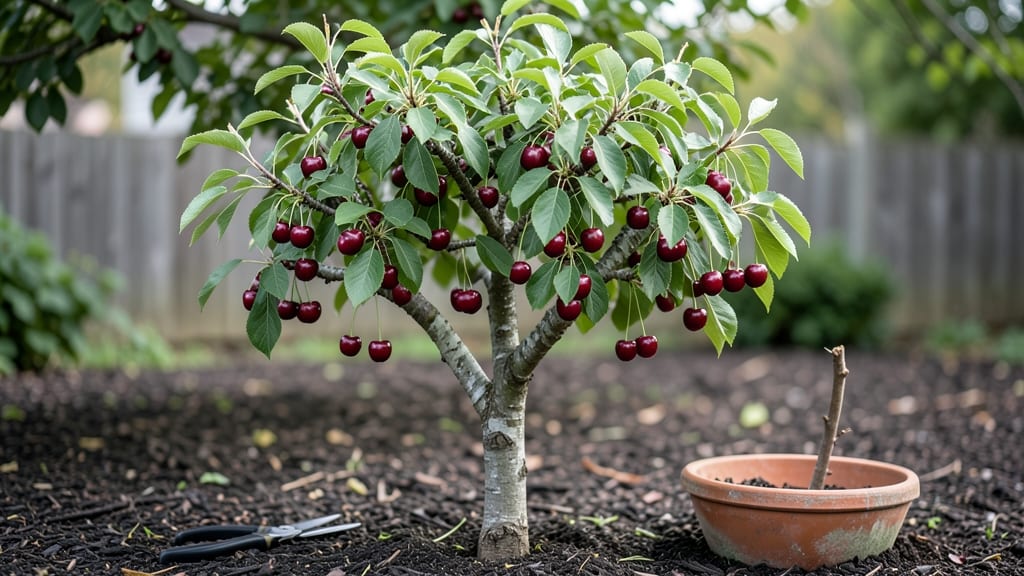
Growing a small cherry-like fruit tree that fits your patio or small yard is possible—and the sweet rewards make it worth every effort. 🌱 I planted a dwarf 'Stella' cherry tree last spring, and now it’s loaded with tiny, tart-sweet fruits perfect for snacking or jams.
The key is choosing the right variety for your space and climate, then giving it consistent care that mimics what wild cherries get in the forest.
You’ll need a spot with 6+ hours of sunlight, well-draining soil mixed with compost, and a container at least 15 gallons if growing in pots.
Dwarf varieties like 'Black Tartarian' or 'Montmorency' stay under 10 feet tall, while ornamental types like Prunus serrulata add stunning spring blooms without the fruit mess. Pruning in late winter keeps them compact and productive, and a light layer of mulch protects roots in winter.
By summer, you’ll be harvesting clusters of 1-inch cherries that ripen over weeks, not all at once. The trees handle urban conditions surprisingly well—just watch for aphids and bird visitors (netting helps!). With the right variety, you could enjoy fresh fruit for 10+ years with minimal fuss.
Works in containers, raised beds, or small backyards—just avoid soggy soil and crowded roots. Let’s get yours growing!
📚 In This Guide
- What you need
- Instructions
- Tips and common mistakes
- Wrapping up and next steps
What you need
- ● Dwarf or semi-dwarf cherry-like tree (e.g., Prunus avium ‘Stella’ or Prunus cerasifera ‘Nigra’). Choose a self-pollinating variety for compact growth.
- ● High-quality potting soil (10–20 lbs) with 50% organic matter (compost, coconut coir, or peat moss).
- ● 5–7 gallon container or raised bed (minimum 18" depth) with drainage holes.
- ● Slow-release fertilizer (10–10–10 NPK ratio, 1 lb per tree).
- ● Pruning shears (bypass type, sharp and sanitized).
- ● Gloves & long sleeves (to protect from thorns and sap).
- ● Mulch (2–3 inches of wood chips or straw to retain moisture).
- ● Drip irrigation system or hose with adjustable nozzle (for consistent watering).
- ● Tree support stake (if planting in windy areas).
- ● Fruit thinning shears (for shaping and improving fruit size).
- ● Bird netting (to protect ripening fruit from pests).
- ● Soil pH test kit (ideal range: 6.0–6.5).
- ● Organic pest control (neem oil or insecticidal soap for aphids/spider mites).
- ● Grafting tools (if propagating from cuttings).
Step-by-step instructions for growing a compact fruit tree
Here's how to cultivate a space-saving cherry-like tree that delivers fruit without the sprawl.
🌱 Step 1: Select the Right Variety and Planting Location
Choose a dwarf or semi-dwarf variety like 'Stella' or 'Compact Stella' cherry trees, bred specifically for small spaces. These stay under 10 feet tall while producing sweet, 1-inch fruits similar to cherries. Plant in full sun (at least 6-8 hours daily) where the ground stays well-drained—cherry trees hate soggy roots.
Dig a hole twice as wide as the root ball but only as deep as the container it came in. The tree's root flare (where roots meet trunk) should sit 1-2 inches above soil level—burying it deeper invites rot. I always loosen the native soil around the edges to encourage root spread.
🪴 Step 2: Prepare the Soil and Plant Properly
Amend the planting hole with 3 inches of compost mixed into the native soil. Cherry trees prefer slightly acidic soil (pH 6.0-6.5), so test your soil and adjust with sulfur if needed. Spread the 10-10-10 fertilizer (2 tablespoons per tree) in the hole and mix it into the bottom 6 inches of soil.
Gently remove the tree from its container and tease apart any root-bound roots. Place it in the hole so the trunk stands straight, then backfill with native soil, tamping lightly every 2 inches to eliminate air pockets. Water deeply (1 gallon) immediately after planting to settle the soil around roots.
☀️ Step 3: Establish Watering and Pruning Routines
Water deeply once a week during the first growing season, delivering 2-3 gallons per tree each time. You'll know it's enough when water runs out the drainage holes—cherry trees need consistent moisture but hate sitting wet. Mulch the base with 3 inches of organic mulch (like wood chips) to retain moisture and suppress weeds.
Prune in late winter (before buds swell) to remove dead, crossing, or inward-growing branches. Open the center of the tree to improve airflow—this prevents fungal diseases. I always cut back to an outward-facing bud to encourage proper growth. Avoid heavy pruning after summer; it stimulates late-season growth that won't harden off before frost.
✂️ Step 4: Support Pollination and Fruit Development
Most compact cherry-like trees are self-pollinating, but planting a second tree nearby ensures better fruit set. If you only have space for one, hand-pollinate in spring by gently shaking branches when bees are active. Thin fruits to 6 inches apart when they're 1 inch in diameter—this prevents overcrowding and improves size.
Apply 1 tablespoon of 10-10-10 fertilizer in early spring and again after harvest. Avoid high-nitrogen fertilizers—they promote leafy growth at the expense of fruit. Watch for brown leaf edges or stunted growth; these are signs of nutrient deficiency or overwatering. Adjust care accordingly.
Tips & tricks for perfect compact fruit trees
Real talk: Growing a compact fruit tree that actually produces year after year takes more than just planting and hoping. Here's what nobody tells you about keeping these little fruit powerhouses thriving.
Sunlight Strategy: Those 6-8 hours of sunlight instructions aren't just a suggestion—they're non-negotiable for your compact cherry tree. I've seen trees planted in "mostly sunny" spots that produced half the fruit and struggled with weak growth. If your yard has partial shade, consider a south-facing location or even a large container where you can move the tree to catch maximum sun during critical growing months.
Root Zone Protection: The 1-2 inches above soil level for the root flare is critical, but what happens below is just as important. After planting, create a slight berm around the base to encourage water to pool and soak in rather than running off. This mimics natural conditions and helps establish strong roots during that first crucial year. I use a small mound of soil about 6 inches wide at the base to create this effect.
Winter Care Secret: Late winter pruning (before buds swell) is your chance to shape the tree, but don't stop there. After your first heavy pruning, apply a 2-3 inch layer of mulch around the base—just keep it 2 inches away from the trunk to prevent rot. This mulch blanket protects roots from extreme temperature swings that can stress your young tree, especially in colder climates.
Fruit Development Hack: When thinning those 1-inch fruits to 6 inches apart, here's my pro move: I wait until the fruits are slightly larger than 1 inch (about 1.25 inches) before thinning. This gives you a better sense of which fruits will actually mature fully, and you'll end up with fewer but larger, more flavorful fruits. The tree also handles the stress better when you remove slightly larger fruits rather than tiny ones.
Pro Tips for Small Cherry Like Fruit Tree
- Real talk: Growing a compact fruit tree that actually produces year after year takes more than just planting and hoping.
- Sunlight Strategy: Those 6-8 hours of sunlight instructions aren't just a suggestion—they're non-negotiable for your compact cherry tree.
- Root Zone Protection: The 1-2 inches above soil level for the root flare is critical, but what happens below is just as important.
Frequently asked questions
Got questions about growing your own small cherry-like fruit tree?
You’re not alone! Here are answers to the most common queries to help you cultivate a thriving, compact orchard in your backyard.
What’s the best small cherry-like fruit tree for beginners?
Start with Prunus avium (sweet cherry) or Prunus cerasus (sour cherry) dwarf varieties like ‘Stella’ or ‘Montmorency.’ These are hardy, disease-resistant, and perfect for containers or small gardens. Look for grafted trees—rootstocks like ‘Colt’ or ‘Gisela 5’ keep them under 8 feet tall!
How long does it take for a small cherry-like tree to bear fruit?
Most dwarf varieties produce fruit in 2–4 years with proper care. Patience is key! Ensure full sun (6+ hours/day), well-draining soil, and consistent watering. A light winter chill (200–500 hours below 45°F) also triggers blooming—check your zone’s climate needs.
Can I grow a cherry-like tree in a pot? If so, what size container do I need?
Dwarf trees thrive in 15–25 gallon containers with drainage holes. Use a mix of potting soil and compost, and repot every 2–3 years. Place pots in a sunny spot (south or west-facing) and water deeply when the top inch of soil feels dry. Pro tip: Fertilize with citrus-specific feed in spring!
Why aren’t my cherry-like tree’s leaves turning green, or are they curling?
Yellowing leaves often signal nutrient deficiencies (like iron or nitrogen) or overwatering. Curling? Likely pests (aphids, mites) or drought stress. Test soil pH (ideal: 6.0–6.5) and treat with neem oil or insecticidal soap. For yellowing, amend soil with compost or a balanced fertilizer.
Are the fruits from small cherry-like trees safe to eat raw?
Yes! Both sweet and sour cherries are edible raw and packed with vitamin C, fiber, and antioxidants. Sweet cherries (like ‘Lapins’) are juicy and perfect for snacks, while sour cherries (like ‘Montmorency’) shine in pies or jams. Always wash fruits thoroughly before eating—birds and pests love them too!
Do small cherry-like trees need winter protection?
Young trees or those in Zone 5 or colder benefit from mulch (3–4 inches around the base) and burlap wraps to shield from harsh winds. Avoid heavy snow buildup on branches—gently brush it off. Dwarf varieties are more cold-hardy than standard trees, but extreme temps (<–10°F) may damage blossoms.
Wrapping up and next steps
Growing a small cherry-like fruit tree is a rewarding journey that brings beauty, fresh fruit, and year-round satisfaction! 🌿 With the right pruning techniques, soil care, and a little patience, you’ll enjoy compact growth and bountiful harvests—even in limited spaces.
Whether you’re a beginner or a seasoned gardener, these tips will help you nurture a thriving tree that keeps giving.
Ready to take the next step? Start small:
- Pick a sunny spot and plant your tree this season!
- Grab your pruning shears and give it a trim to shape its future.
- Share your progress with fellow gardeners—inspiration spreads!