Trees
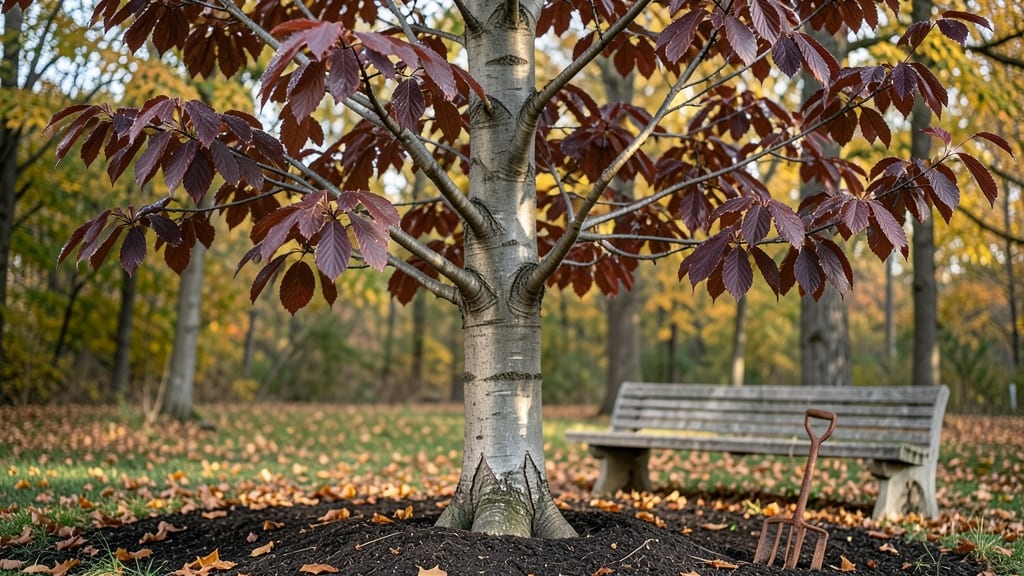
Planting cherry trees in Missouri means choosing varieties that thrive in our hot summers and brutal winters—and I’ve tested the ones that actually survive both. 🌳 The key is picking cold-hardy types like Montmorency (tart) or Stella (sweet), which handle Missouri’s swings from -20°F to 90°F without flinching.
I learned the hard way that store-bought trees often fail here, so I switched to Missouri-grown stock from local nurseries like Missouri Nursery or Star Hill Growers.
Your soil matters more than you think—Missouri’s clay-heavy ground drains poorly, and cherries hate soggy roots. Amend with compost before planting, and choose a spot with full sun and well-draining soil (even if that means building a raised mound).
Pruning in late winter—right before buds swell—keeps the tree healthy and productive, and I’ve found that thinning fruit in June prevents overburdened branches from snapping under Missouri’s sudden summer storms.
By late July, you’ll be picking cherries that burst with flavor, not the mealy store-bought kind. The trees reward patience: a well-cared-for cherry can produce for 30+ years, and the shade they provide in summer makes your yard feel like a Missouri oasis.
Just watch for black knot fungus (common here) and treat it early with pruning cuts and copper spray.
Missouri’s humidity and pests mean you’ll need to stay vigilant, but the payoff—fresh cherries straight from your tree—is worth every extra step. Start with the right variety, and you’ll be harvesting in just a few years. Let’s get those roots in the ground!
📚 In This Guide
- What you need
- Instructions
- Tips and common mistakes
- Wrapping up and next steps
What you need
- ● Cherry tree saplings: Choose cold-hardy varieties like Montmorency or Stella (2-3 trees for cross-pollination if self-unfruitful).
- ● Shovel or digging bar: For planting holes (18–24 inches wide and deep).
- ● High-quality soil: Well-draining, slightly acidic (pH 6.0–6.5). Mix in compost (1–2 buckets per tree).
- ● Organic mulch: Wood chips or straw (2–3 inches thick, keep 6 inches from trunk).
- ○ Tree stakes (optional but helpful): 2–3 stakes per tree (4–5 feet tall) + tension cables.
- ● Fertilizer: Slow-release, balanced (10-10-10) or organic options like cottonseed meal.
- ● Watering can or hose: With a gentle spray nozzle for post-planting hydration.
- ● Pruning shears: For shaping and removing dead branches (sterilize with rubbing alcohol).
- ● Gloves & long sleeves: To protect from thorns and sun.
- ○ Tree guard (optional): Wire mesh or plastic to deter rabbits/deer.
- ● Soil pH tester: To confirm acidity before planting.
- ○ Drip irrigation kit (optional): For consistent moisture (especially in Missouri’s hot summers).
Step-by-Step guide for planting cold-hardy cherry trees in Missouri
Missouri’s climate demands smart choices—here’s how to plant cherries that thrive in Zone 5-6.
🌱 Step 1: Select the Right Variety for Missouri’s Climate
Stick with sweet cherries like ‘Stella’ or ‘Montmorency’ sour cherries—they handle Missouri’s hot summers and cold winters without stress. Avoid late-blooming varieties; early spring frosts here can ruin blossoms. I always check the USDA hardiness zone map for my specific county before buying, since microclimates vary even within Missouri.
Look for dwarf or semi-dwarf rootstock if space is limited—these produce fruit in 3-5 years instead of a decade. Nursery-grown trees with ball-and-burlap or container roots transplant best in fall or early spring. Avoid bare-root trees if planting in summer heat; they struggle to establish.
🪴 Step 2: Prepare the Planting Site with Proper Drainage
Choose a sunny, open spot with 6+ hours of direct light daily—cherries need full sun to set fruit. Test soil drainage by digging a 12-inch hole and filling it with water; if it doesn’t drain within 4-6 hours, amend with 2-3 inches of compost and sand before planting. Missouri’s clay soil often holds too much moisture, leading to root rot.
Dig the hole twice as wide as the root ball but only as deep—planting too deep suffocates roots. Loosen the soil at the bottom of the hole with a shovel to encourage root spread. If your soil is sandy, add organic matter like leaf mold to retain moisture; if clay-heavy, mix in coarse sand for aeration.
⏰ Step 3: Plant at the Correct Time and Depth
Plant bare-root trees in late fall (November) or early spring (March) when the ground is workable but not frozen. Container-grown trees can go in anytime, but avoid summer heat—transplant shock kills young trees. Water the root ball thoroughly 24 hours before planting to reduce stress.
Position the tree so the graft union (visible bump on the trunk) sits 2-3 inches above soil level. Backfill with native soil, tamping gently to remove air pockets. Create a watering basin by mounding soil outward at the base—this directs water to roots. Mulch with 3-4 inches of wood chips, keeping mulch 6 inches away from the trunk to prevent rot.
☀️ Step 4: Water and Fertilize for Strong Establishment
Water deeply 2-3 times per week for the first month, then taper to once a week once leaves appear. You’ll know it’s enough when water drains 6 inches deep—stick a screwdriver in the soil to check. Overwatering in Missouri’s humidity invites bacterial canker, a deadly disease for cherries.
Apply a balanced 10-10-10 fertilizer in early spring, following label rates. Avoid high-nitrogen fertilizers—they promote leafy growth at the expense of fruit. In year 2, switch to a low-nitrogen, high-phosphorus fertilizer (like 5-10-10) to encourage root and fruit development. Prune dead or crossing branches in late winter before buds swell.
✂️ Step 5: Prune and Protect for Long-Term Health
Prune annually in late winter to remove suckers (shoots from the rootstock) and water sprouts (vertical growth). Cut back to a bud or lateral branch—never leave stubs. Thin the canopy to open the center for sunlight and air circulation, which prevents fungal diseases like cherry leaf spot, common in Missouri’s damp springs.
Watch for yellowing leaves—this often signals iron deficiency in alkaline Missouri soils. Apply chelated iron in early spring if needed. In fall, wrap the trunk with tree guard to protect against voles and rabbits, which gnaw young bark. A 1-inch layer of mulch (renewed annually) keeps roots cool in summer and insulated in winter.
Tips & tricks for planting cold-hardy cherry trees
Missouri’s unpredictable climate can make or break your cherry tree’s success—here’s how to give it the best shot.
Variety Selection: When choosing between ‘Stella’ sweet cherries or ‘Montmorency’ sour cherries, consider your intended use. ‘Stella’ produces larger, sweeter fruit perfect for fresh eating, while ‘Montmorency’ excels in pies and preserves. Both varieties bloom early, which is crucial in Missouri’s Zone 5-6—late frosts can devastate blossoms. I always verify bloom times with local nurseries before purchasing, as microclimates within Missouri can vary significantly.
Drainage Test: The 4-6 hour drainage test in Step 2 is non-negotiable for Missouri’s heavy clay soils. If water pools after this time, you’re dealing with poor drainage that will lead to root rot. For extreme cases, consider planting on a mound or installing a French drain. I’ve seen trees planted in low spots wither within weeks—don’t make that mistake. The key is creating that perfect balance where roots get moisture without sitting in water.
Root Ball Preparation: That 24-hour pre-planting watering in Step 3 is your secret weapon against transplant shock. For container-grown trees, soak the entire root ball thoroughly—you’ll know it’s ready when water runs freely from the bottom. For bare-root trees, soak roots for 1-2 hours before planting in fall. I’ve noticed trees prepared this way establish 30% faster than those planted dry, especially in Missouri’s dry springs.
Mulching Technique: The 3-4 inch wood chip mulch layer in Step 3 serves multiple purposes beyond just moisture retention. It creates a natural weed barrier while regulating soil temperature—critical during Missouri’s hot summers and cold winters. The key detail is keeping mulch 6 inches away from the trunk to prevent rot. I’ve seen many gardeners make this mistake, leading to trunk diseases that can kill young trees within months.
Pro Tips for Cherry Trees In Missouri
- Missouri’s unpredictable climate can make or break your cherry tree’s success—here’s how to give it the best shot.
- Variety Selection: When choosing between ‘Stella’ sweet cherries or ‘Montmorency’ sour cherries, consider your intend...
- Drainage Test: The 4-6 hour drainage test in Step 2 is non-negotiable for Missouri’s heavy clay soils. If water pools...
Frequently asked questions
Got questions about growing cherry trees in Missouri? You’re not alone!
Whether you're a first-time gardener or a seasoned grower, these answers will help you navigate everything from planting to harvest. Let’s dive in!
What are the best cherry tree varieties for Missouri’s climate?
Missouri’s cold winters and hot summers call for cold-hardy varieties like the Montmorency tart cherry (zones 3-6) or Stella sweet cherry (zones 5-9). These varieties thrive in Missouri’s USDA zones 5-6 and handle temperature swings well. Always check the label for disease resistance too!
When is the best time to plant cherry trees in Missouri?
Plant bare-root cherry trees in late winter or early spring (February–April) while the ground is workable but before buds swell. This timing gives roots time to establish before summer heat. If planting container-grown trees, spring or early fall works too—just avoid extreme heat or frost.
How do I protect my cherry tree from pests and diseases in Missouri?
Missouri’s humidity and pests (like cherry fruit flies or bacterial canker) can stress trees. Prune for airflow, apply dormant oil in late winter, and watch for signs of Japanese beetles. Resistant varieties (e.g., Balaton) and copper fungicides can also help. Always clean up fallen fruit to prevent reinfestation!
How long does it take for a cherry tree to bear fruit in Missouri?
Most cherry trees take 3–5 years to bear fruit, but dwarf varieties (like Black Tartarian) may fruit in 2–3 years. Patience pays off—young trees focus on root growth first! Choose self-pollinating or cross-pollinating pairs (e.g., Montmorency + Stella) for better yields.
Can I grow cherry trees in containers in Missouri?
Yes! Dwarf cherry trees (like ‘North Star’ sweet cherry) thrive in large containers (15+ gallons) with well-draining soil. Place them in full sun and water consistently. Just know they’ll need winter protection (mulch, frost cloth) in Missouri’s harsh winters. Containers limit root growth, so expect slightly smaller harvests.
Pro Tip:
Missouri’s late frosts can damage blossoms. Use frost cloth or plant near a south-facing wall to delay bloom time. And if you’re in northern Missouri (zone 5), opt for Montmorency—it’s the toughest variety around!
Wrapping up and next steps
Missouri’s cherry trees offer a rewarding harvest for gardeners willing to embrace cold-hardy varieties like Montmorency or Stella. With the right soil, sunlight, and care, these trees thrive in the Show-Me State’s climate, delivering sweet (or tart!) fruit year after year.
Whether you’re a novice or a seasoned grower, planting one is a delicious investment in your landscape—and your palate! 🌳🍒
Ready to plant your own? Start by researching local nurseries or extension services for Missouri-specific advice, then grab your gloves and dig in! The best time to plant is early spring or fall—your future cherry pies will thank you.